The final group of rings in this account are much more protective of their secrets. Lacking mottoes or symbols, they are largely decorative in form, and although they may well have had personal significance for their owners, unfortunately we now have no way of uncovering what this could have been.
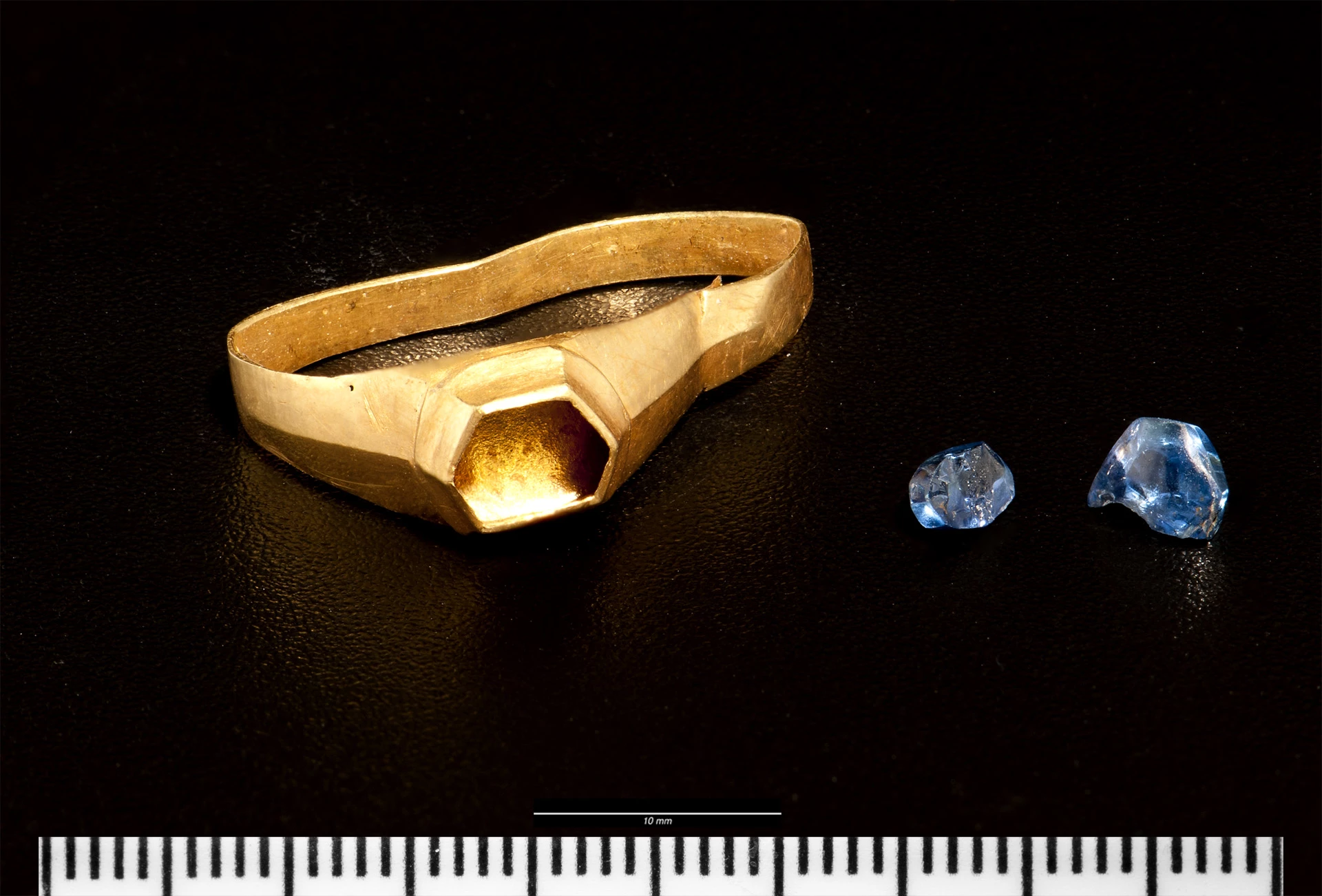
A particularly fine example is the gold and sapphire ring found at Pembroke by Mr Kevin Higgs in February 2014. The sapphire is polished (known as a cabochon), rather than cut, as was common in the Middle Ages, and is placed in a hexagonal setting. Unfortunately, the sapphire has broken in two and has come out of the setting, but it is still clear to see its beauty. Sapphires were imported from Sri Lanka and were thought to have the ability to cure headaches and other ailments and to protect against witchcraft, so maybe this ring’s purpose was not entirely decorative after all.
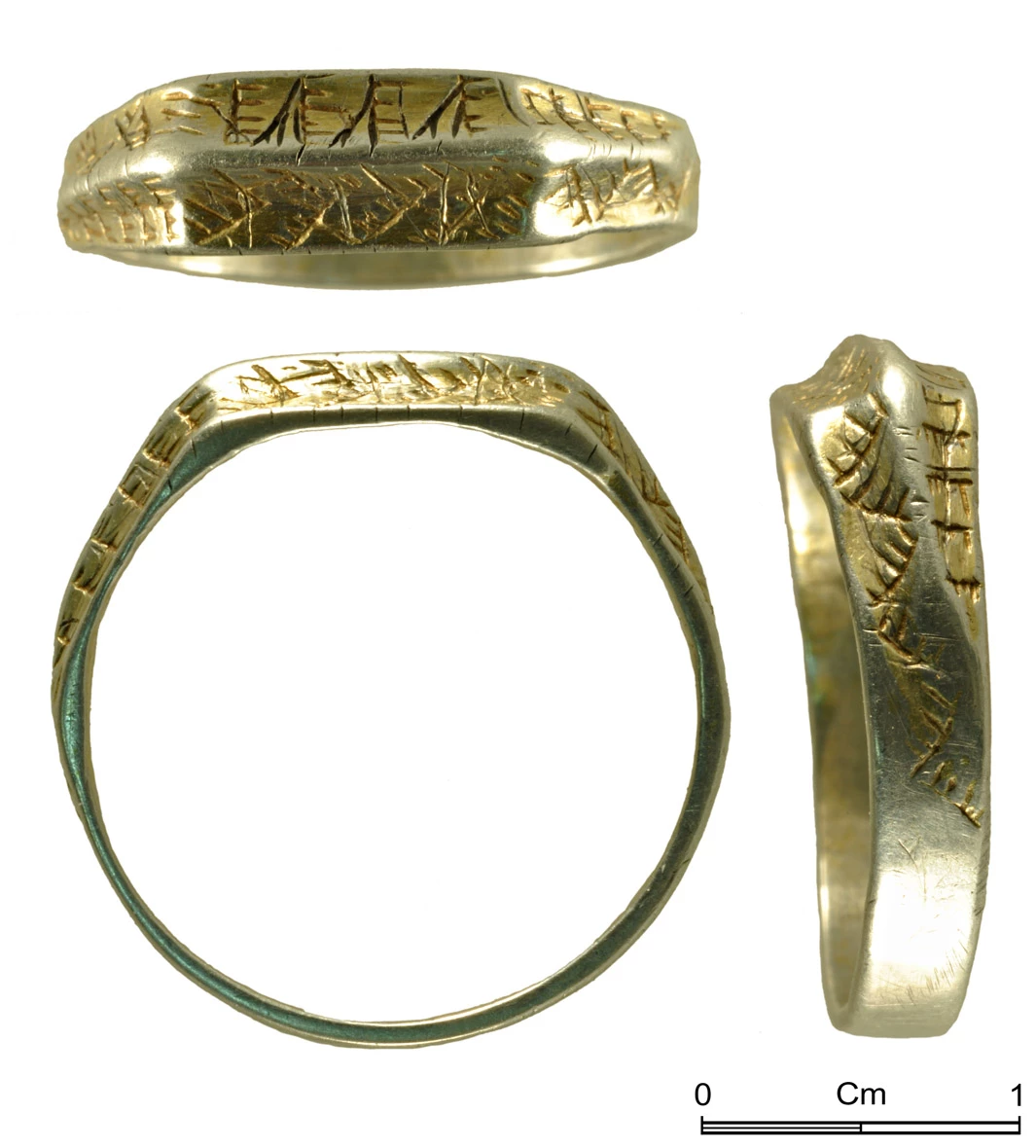
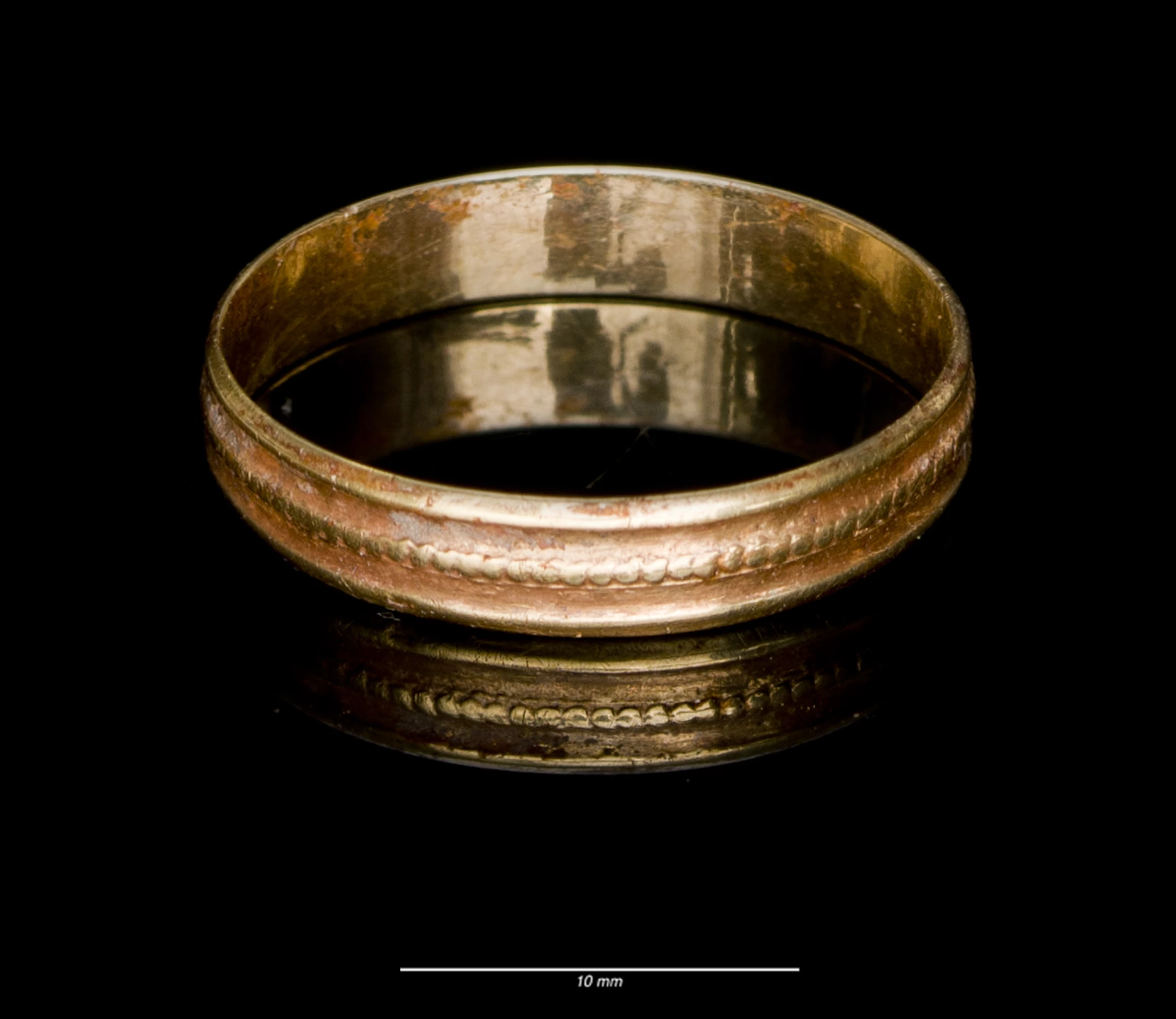
Such an expensive import from the very edge of the known world must have belonged to a very wealthy individual, and it is tempting to speculate that it could have belonged to an inhabitant of Pembroke Castle or the nearby priory. The majority of the other rings in this category, however, lack stones and were decorated only with a series of patterns, ranging from the irregular, crude cross-hatching on a 15th century silver-gilt example discovered near Gileston, Vale of Glamorgan by Mr Mark Watson in 2011, to the sleek, understated band of pellets and raised borders on an early Tudor gold ring found at Holt in 2013 by Mr A. E. Jenkins.
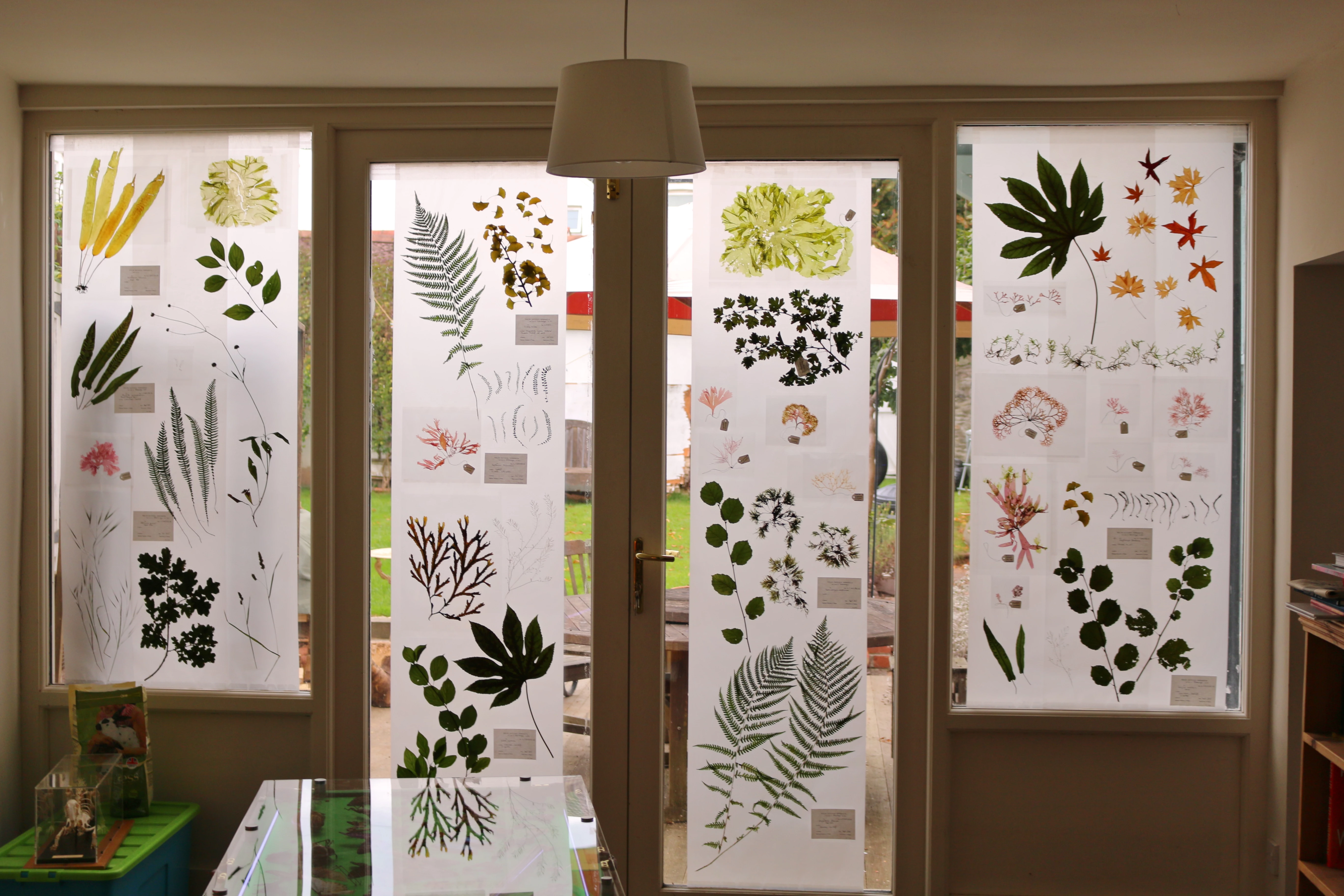
For the Royal Horticultural Society’s Flower Show in Cardiff this year, we decided to build on previous experience of creating real botanical windows. We wanted something that would form an eye-catching backdrop to the collections on display within Amgueddfa Cymru's woodland-themed marquee.
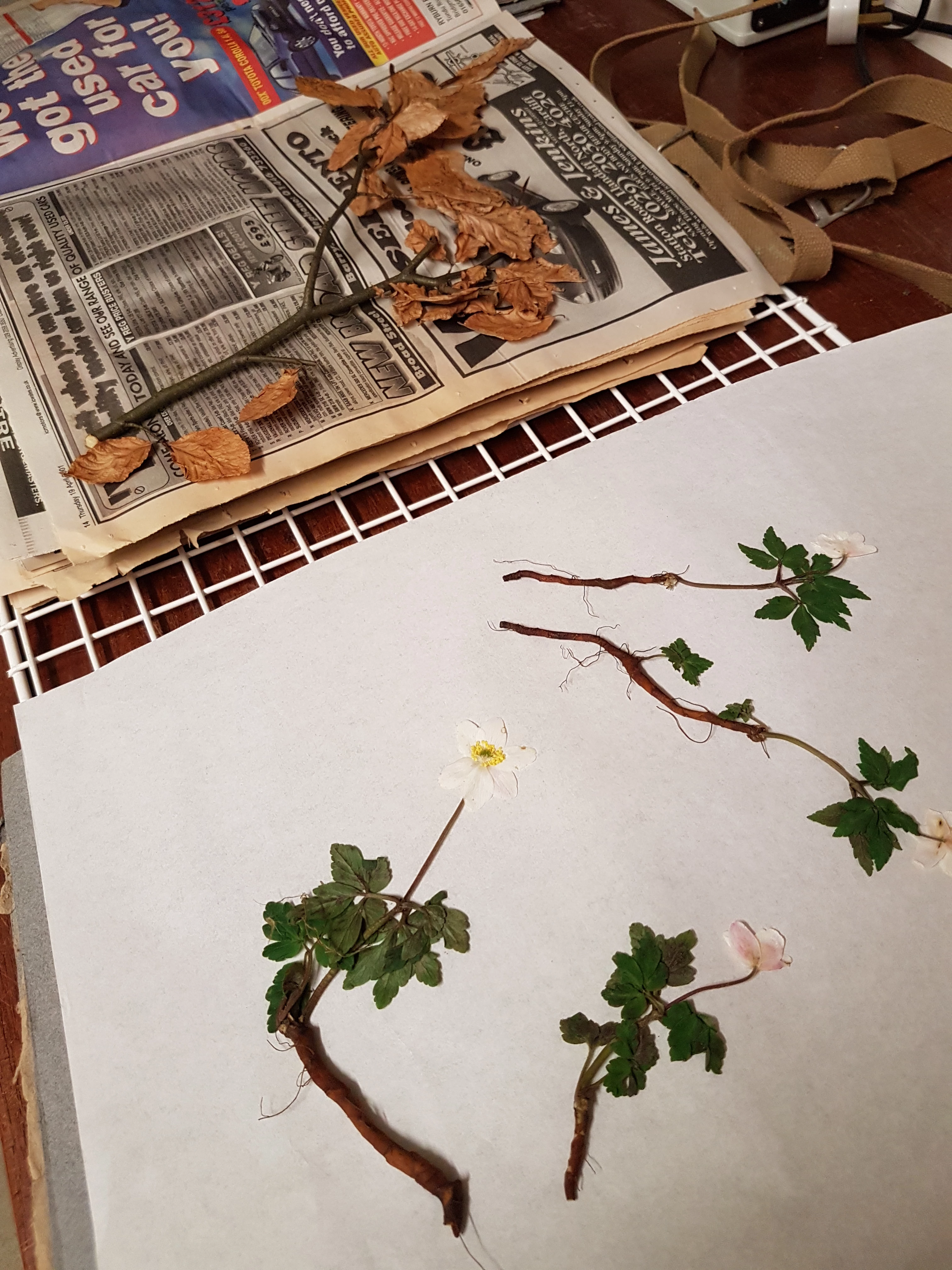
The botanical windows began in 2015 with our Museum in a House exhibit for the Made in Roath festival. We wanted a display that would reflect aspects of our Museum work as well as to represent the herbarium itself. We pressed plants following the standard method for creating herbarium specimens as shown below. In this way, plant specimens last for hundreds of years on conservation grade card and out of light in herbarium cupboards.
Method for pressing plants for long-term storage in the botany collections:
Select a plant showing as many characters as possible – fruit, flowers, roots.
Place between blotting paper, arranging the plant at the same time, to limit the amount of overlapping material.
Place in a plant press and tie as tightly as possible.
Place in a drier between 20 and 30oC.
Change the blotting paper initially every day, and then less often until the plants are completely dry. This will take about a week.
Attach plant to conservation-grade card (for example made from cotton) using small strips of adhesive cotton tape. Place the tape strips strategically on the plant’s stems and leaves to hold it safely on the card. This technique allows for some flexing of the card without damage to the plant and for easy removal of the plant from the card for study.
Store out of light in an environment with humidity between 40 and 60 RH.
After pressing, we attached the plants to large sheets of tracing paper using small pieces of transparent tape strips (rather than the conservation grade materials we would normally use for the botany collections). The tracing paper was then wrapped carefully for transport to the site of the exhibit and then taped to sunny windows in the living room.
For the RHS Flower Show in 2016, we built on the initial idea but had the added complication of having to create our own windows to install in the marquee. We had nine 80 x 60 cm sheets of 2mm thick acrylic cut, with holes drilled into each of the corners for hanging. We attached the plants to these sheets using small transparent tape strips. Once at the Flower Show, we attached strong metal rings to the corner of each panel and hung the panels from the cross bars of the marquee by looping fishing line (the type strong enough to catch a 60lb fish!) through the metal rings. The only worry now was whether the ranges of temperature and humidity in the marquee would be too much for the transparent tape and we would arrive the next day to find the plants on the floor! We certainly would never subject pressed specimens from the collection to this environment. We were relieved to find that the panels held well the whole weekend – and with much praise from visitors.
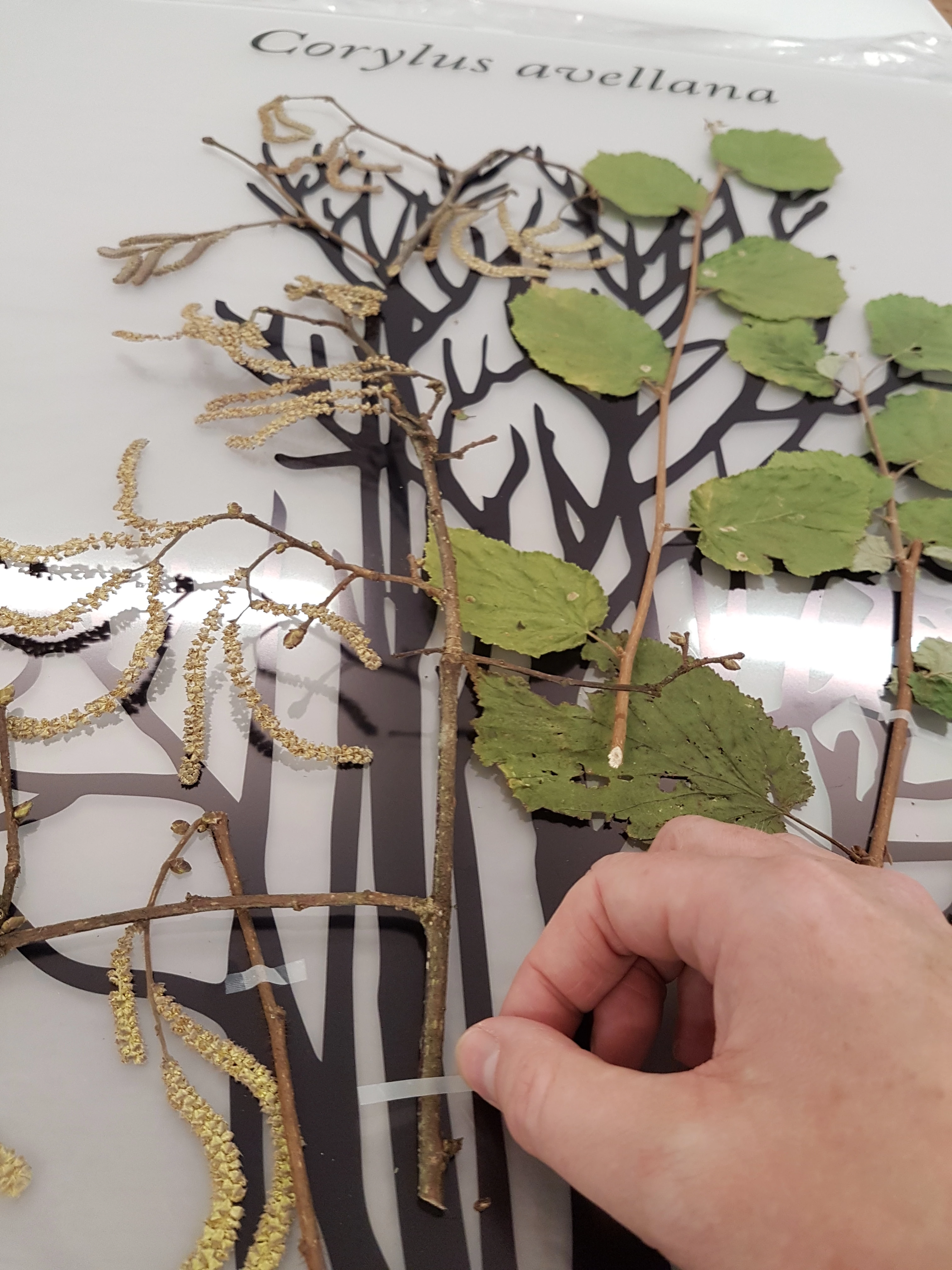
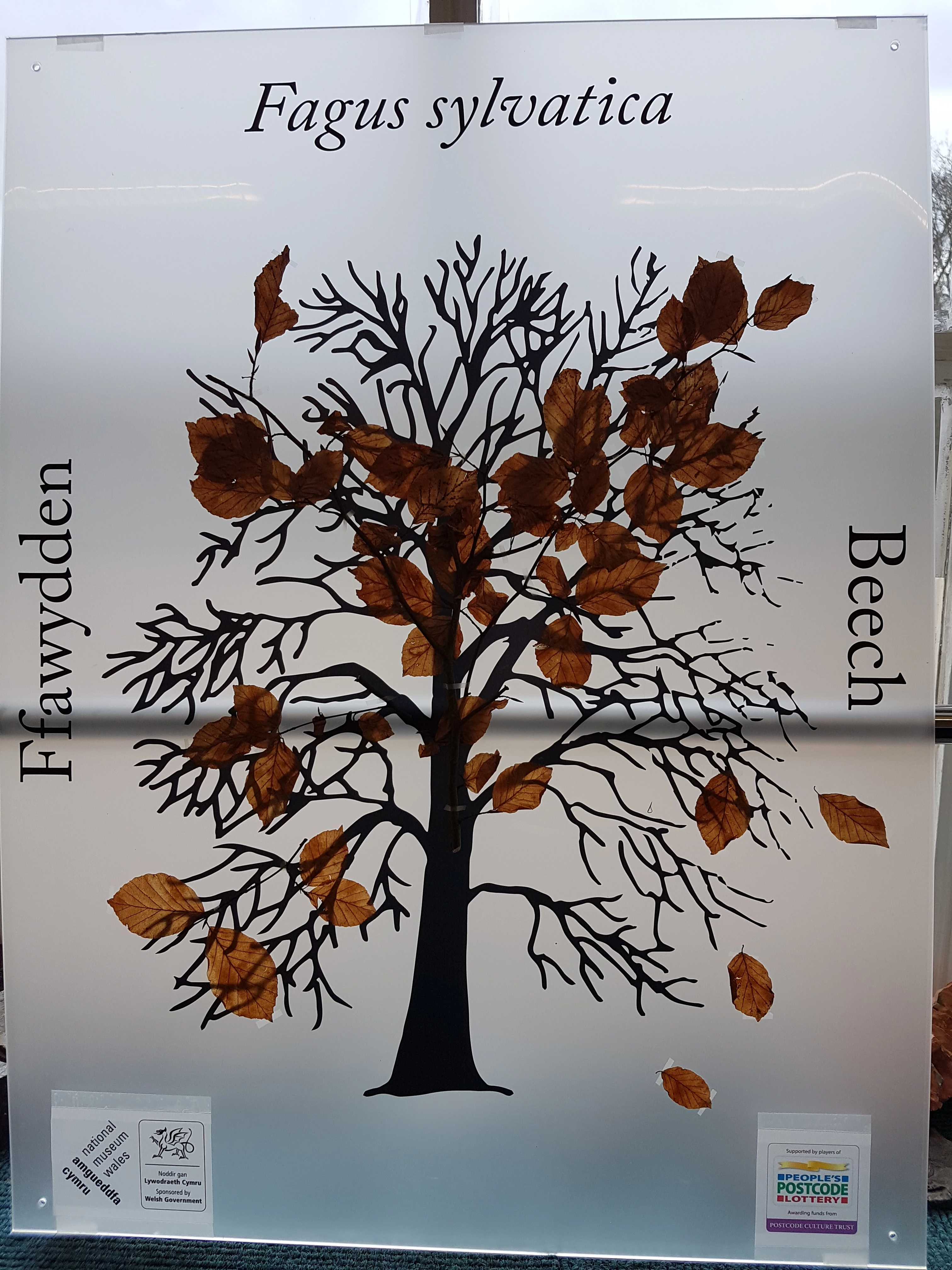
In 2017, we planned to recreate the botanical windows for the Flower Show, but with a slight twist. We had a woodland theme, so we chose Welsh trees for each panel: Oak, Beech, Hazel, Hawthorn, Holly, Scots Pine, Yew and Lime. To make the display really stand out, we printed a silhouette of the tree with its Welsh, English and scientific name onto transparent material for the backdrop. We taped the transparencies onto the acrylic and then taped the pressed plants onto the transparencies as before. Unfortunately, this year was particularly warm weather – the transparent tape holding the pressed plants did not last as long on some of the panels, so remedial work had to be carried out to keep the display looking good.
Over the last few months you may have seen the Saving Treasures; Telling Stories team on social media using the hashtag ‘Finds Friday’, where we’ve been showcasing some of our wonderful treasure and non-treasure items recorded by the Portable Antiquities Scheme Cymru.
This month we’d like to focus on two special finds from Wales: The Abergavenny Coin Hoardanda prehistoric feasting site in Llanmaes.
Why these two finds?
Both have been nominated in a nationwide competition, held by the British Museum and The Daily Telegraph, to search for the nation’s favourite treasure item from the ‘Top 20’ list.
2017 marks the 20th anniversary since the passing of the 1996 Treasure Act and items on the ‘Top 20’ list highlight some of the most important treasure discoveries since the Treasure Act.
We might be a tad biased towards which ones we’ll be voting for, but we want to share the history behind these finds as they really do have a story to tell, or in the case of Llanmaes, an enigmatic mystery as to what was actually happening at the site. You can read about the 20 items by clicking this link, and don't forget to vote!
20 Years of Treasure logo
Llanmaes
Our first nomination on the ‘Top 20’ treasure list is a site, rather than a single group of objects. The discovery is a prehistoric feasting place and settlement, uncovered in Llanmaes, in the Vale of Glamorgan.
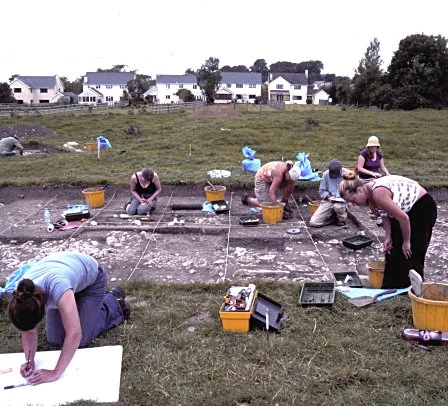
This important site was discovered following the reporting of a potential treasure find by two metal detectorists in 2003, and excavation continued for the next seven years by archaeologists from the National Museum of Wales, assisted by students from Cardiff University and local volunteers.
The story behind Llanmaes
The earliest remains on the site, dating to about 2150-1950 BC, are the cremated remains of an adult male, which were buried in an urn. It seems that this burial provided the focus for later settlement, which yielded treasure objects such as a gold bead. One mystery object in the shape of a great white shark’s tooth has left archaeologists puzzled. We’re not too sure where it came from or why it was left there!
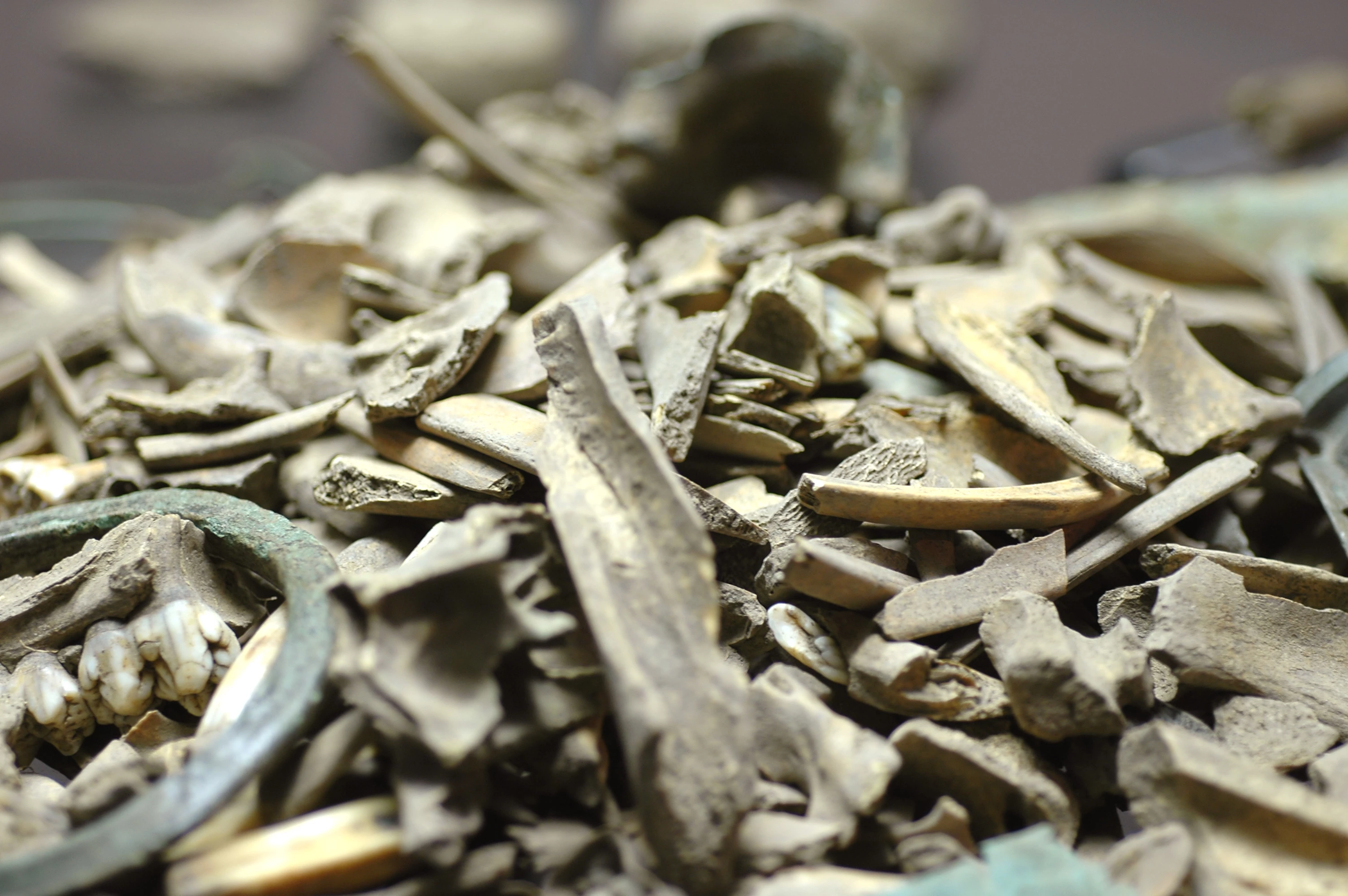
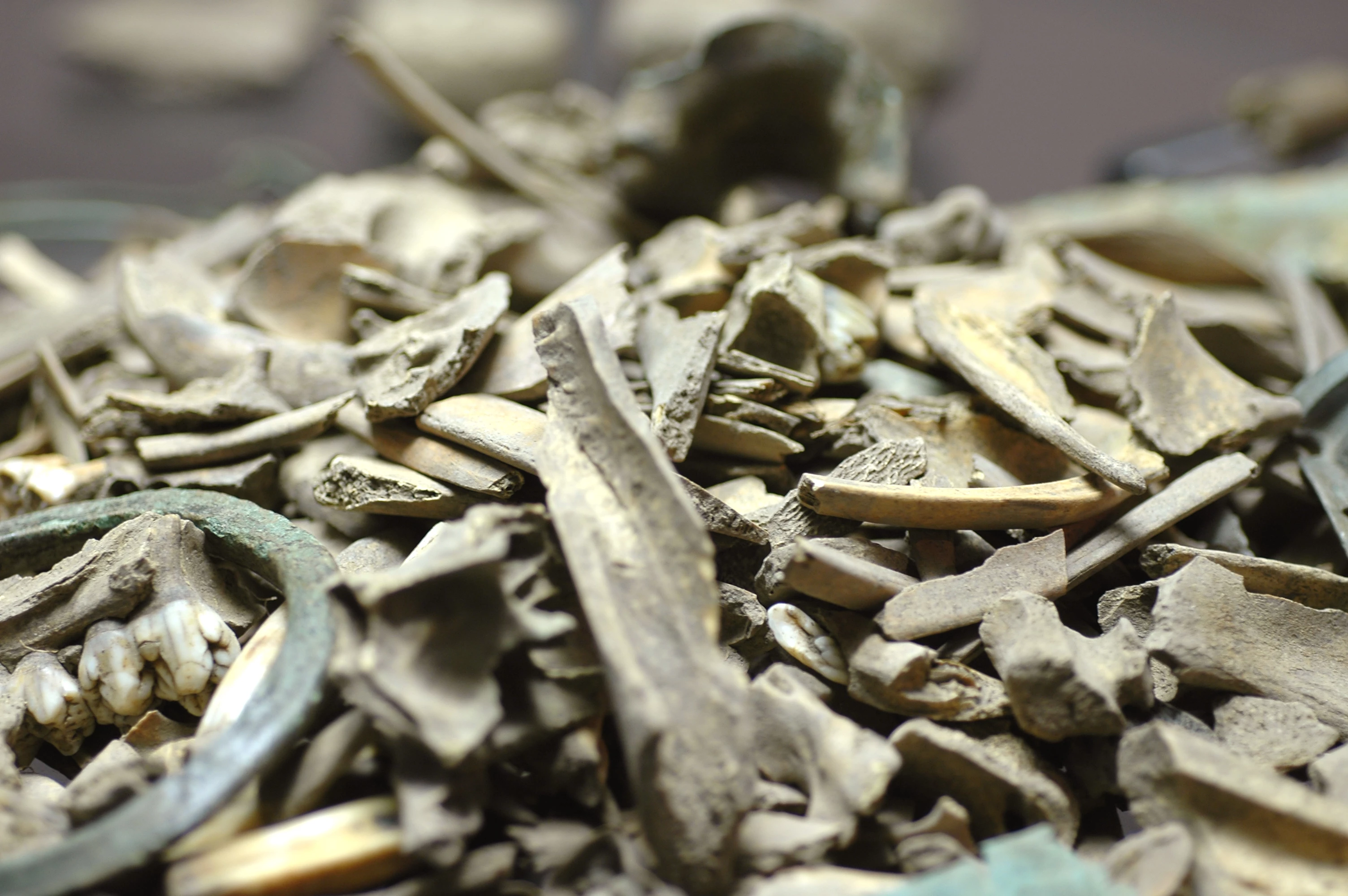
By the beginning of the Iron Age (about 675 BC) this settlement had been abandoned, but the site continued to be the focus of human activity in the form of feasting, which left behind an extensive midden deposit. This is the first known example from Wales, of a class of middens representing remarkable accumulations of cultural material gathered by communities at the beginning of the Iron Age. This has revealed an extraordinary prehistoric feasting mound, containing thousands of pig bones, further feasting vessels, bronze cauldrons, pottery and axes.
Unexpectedly, nearly three-quarters of the animal bones were from pigs – a far higher proportion than is usual for such deposits, and, even more remarkable is the discovery that the majority of the pigs’ bones were from the right fore-quarter of the animal. Similarly, some of the axe-heads are of a type associated with parts of northern France, so it seems as though people were converging on Llanmaes during the Early Iron Age from a wide area to engage in cultural activities which had clear rules and accepted practices.
Feasting seems to have come to an end at the site during the Roman period, when changing cultural practices made the earlier rituals less appropriate, but evidence of continued Roman occupation suggests that it still held meaning for local people into the 4th century AD.
The community at Llanmaes were closely involved with the excavations over the years, and the National Museum’s Archaeology department brought in a number of school groups to work with artists on creative responses, such as performances, inspired by the site.
Feasting and pig bones from Llanmaes
(Credit: Amguedffa Cymru)
Llanmaes excavation
Abergavenny hoard
In April 2002 three metal-detectorists had the find of their lives in a field near Abergavenny, Monmouthshire where they found a scattered hoard of 199 silver pennies.
The Abergavenny hoard is the earliest Norman hoard from Wales and provides a vivid picture of monetary circulation in the Welsh March in the 1080s CE. It includes 130 coins of the Anglo-Saxon king Edward the Confessor (1042-66) and 69 coins of the Norman king William the Conqueror (1066-87).
Where did they come from?
Norman incursions into Gwent (present-day Monmouthshire) had followed hard on the heels of the conquest of England by Duke William in 1066 and they brought with them the habit of using coins.
The 199 silver pennies provide a rich mixture of issues of Edward the Confessor (1042-66) and William the Conqueror (1066-87); there are coins of 104 moneyers from 36 mints, with Hereford prominent.
The coins had been lost or hidden in a cloth bag, after about 1080 CE and for most people living in that time they would have represented several months’ pay. However, the lack of positive archaeological context makes it impossible to judge whether the coins had been concealed deliberately or were simply lost. We shall probably never know quite why these coins ended up in the corner of a field in Monmouthshire but, as well as expanding our knowledge of the coinage itself, they will cast new light on monetary conditions in the area after the Norman Conquest.
And there we have it, our two treasure finds on the ‘Top 20’ treasures list.
The online voting continues until May 15th, and you can vote for LLanmaes or the Abergavenny Hoard by following this link:
Our collaborations with Cardiff University in the area of heritage science continue to grow. Just before Easter, Daniel Griffiths from the School of Engineering contributed towards our goal of developing monitoring tools for use by museum conservators.
One of the routine tasks of conservators is to keep an eye on the condition of items stored in museums. Being responsible for looking after Amgueddfa Cymru - National Museum Wales’ five million objects, the team of less than 20 the conservators have their work cut out. In addition to the sheer number of objects in need of monitoring, for some categories of items there are currently issues with keeping adequate records for comparison with future condition assessments. We also want to objectivise the entire process to enable easier comparison between assessments undertaken at different times or by different people.
Presently, changes to collection items (if any) are detected by visual assessments and recording these in a text form, often supplemented with photographs. If such items are small and prone to chemical reactions, the results of which are difficult to describe, condition assessments are very difficult to undertake.
How do we make things easier, quicker and more objective? Daniel, a student in engineering, undertook a pilot study to create an overview of our options for non-invasive damage testing in geological specimens (specifically, in minerals). Some testing methods – such as acoustic emission, ultrasound, and X-ray and micro magnetic resonance imaging – were discounted early on in the project for various reasons. Any further techniques Daniel considered are based on imaging or scanning, grounded in the assumption that most damage to minerals is visible as changes in shape, integrity or colour.
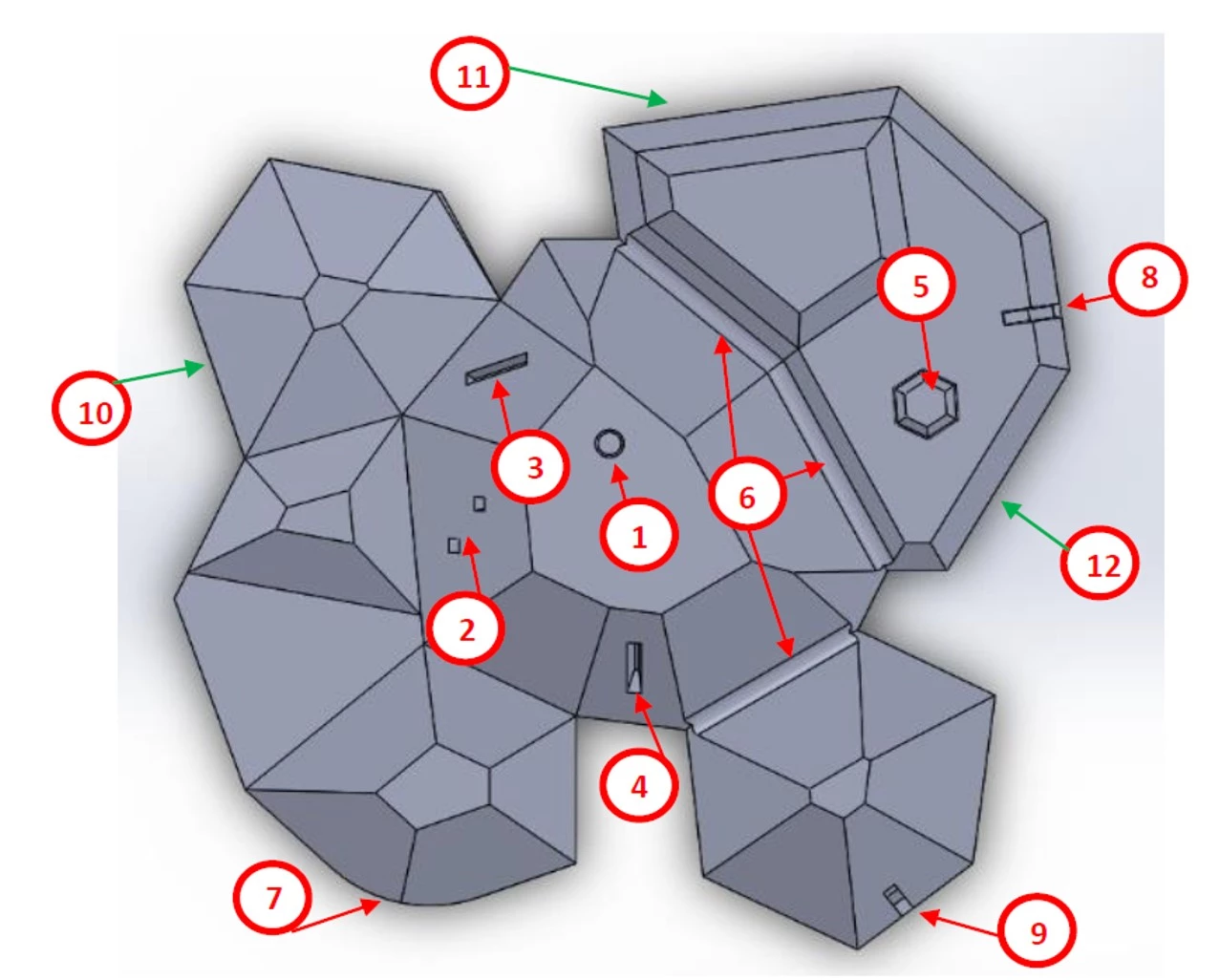
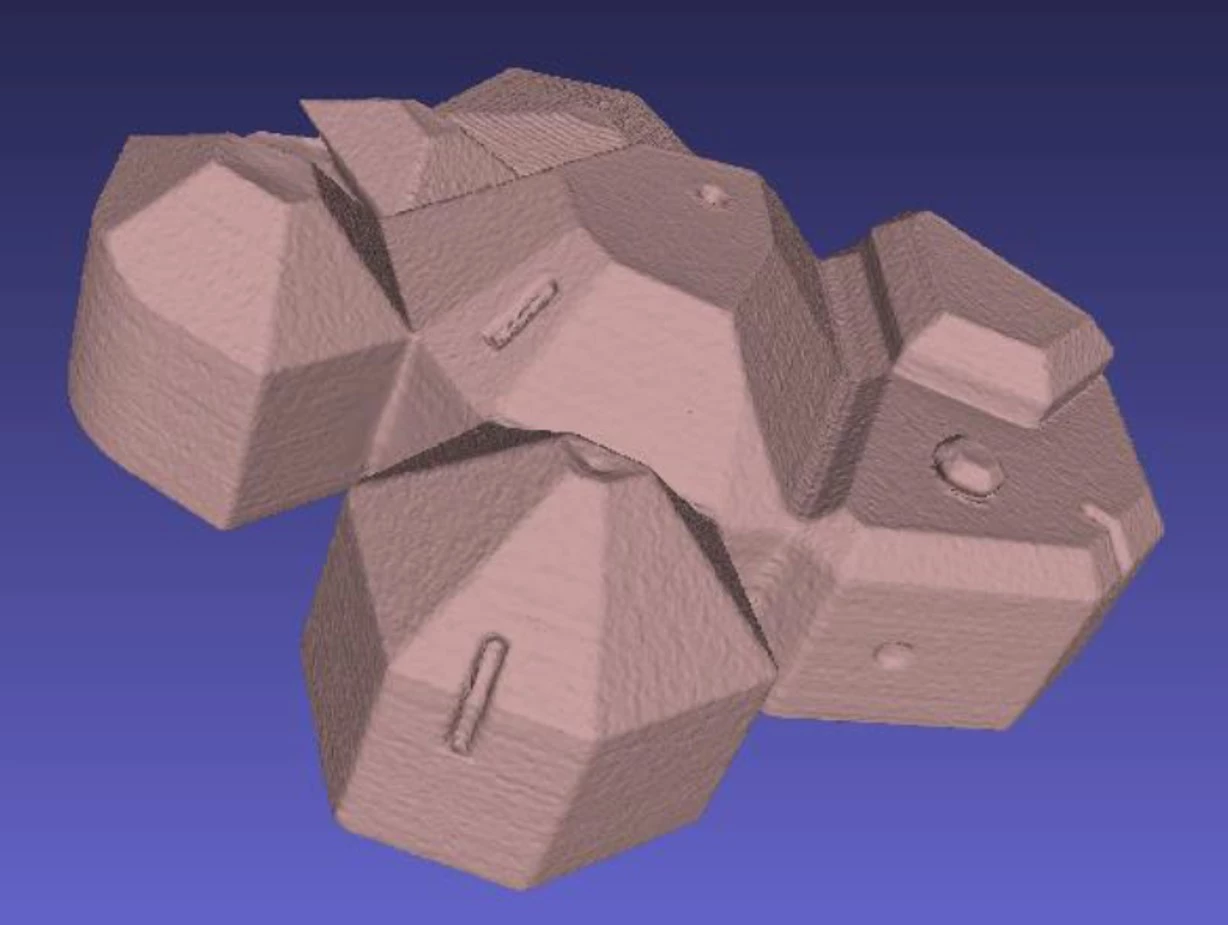
Initial thoughts on using artificially aged pyrite were replaced in favour of CAD-designed and 3D-printed models of ‘crystals’: one set ‘undamaged’ and a second ‘damaged’ set with deliberately introduced yet precisely known ‘decay features’, such as holes and cuts. Daniel then scanned or imaged these models and compared the results for speed, ease of use, cost effectiveness and accuracy of recording of ‘decay’.
The best results were obtained with the Artec Space Spider, a handheld high-resolution 3D scanner based on blue light technology with easy-to-use software. The downside of this technique is the high purchasing cost of this instrument and software. Mobile phone technology, which was one of the comparative techniques, is not yet evolved enough to provide useful (i.e., good image quality, faithful recording of defects smaller than 5mm diameter) results.
The results of this study are encouraging because they provide us with a good foundation for future development work. There are questions about the faithful recording of colour, especially of reflective crystal surfaces, and combining features of storage, processing and analysis of images through one single computer program.
Daniel was supervised by Prof Rhys Pullin and Dr John McCrory from Cardiff University’s School of Engineering. We thank both of them for their support and cooperation in this project.
Find out more about Care of Collections at Amgueddfa Cymru - National Museum Wales here.
Looking across Swansea Bay on a chilly spring morning and seeing that the tide was out came with a sigh of relief as this meant we didn’t have to wait an hour or so to get started with our beachcomb.
I joined Swansea Museum on The Mumbles side of the Bay to take part in one of their community projects that aims to engage local communities with their pasts. On this occasion the museum teamed up with the Llanrhidian Women’s Institute and the Gurnos Men’s Community First group to take part in a beachcomb led by archaeologist Paul Huckfield, from the Glamorgan Gwent Archaeological Trust.
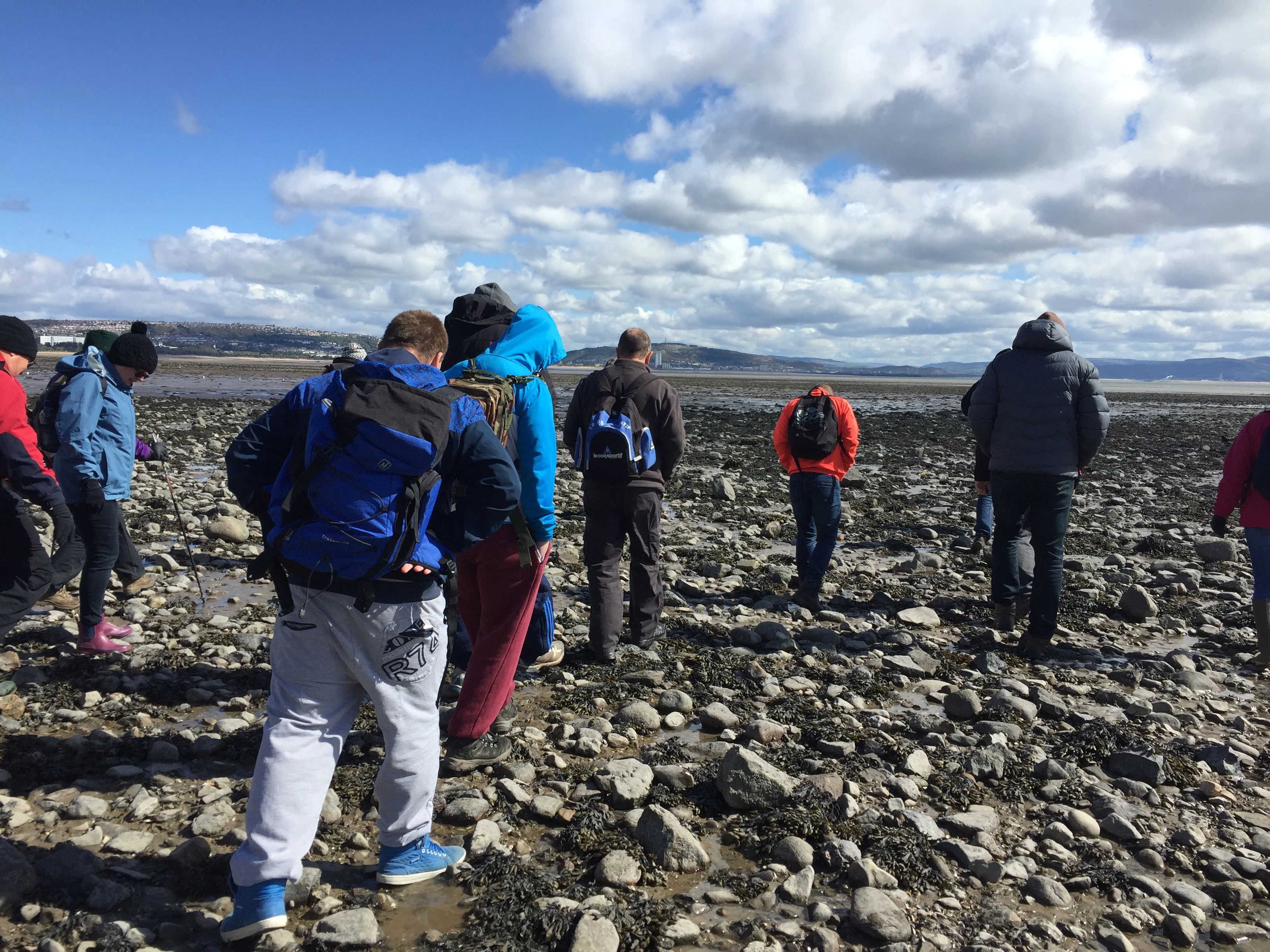
All wrapped up in extra layers we were ready to begin our trek across the swamp-like beach, luckily most of us received the wellies memo and they were definitely needed.
Beachcombing on Swansea bay with Llanrhidian Women's Institute and the Gurnos Men's Community First group.
Paul wanted to create a sense of what the landscape would have been like during the Bronze Age and took us to areas on the beach where some of the landscape remained fairly similar and unchanged.
“We’re standing on the actual ground surface as it would have been in the Bronze Age. You can see the peat levels just here show what would have been around in the Bronze Age; you can see that this is black in colour from the trees and bits of foliage. So you’re actually standing in the past at around 4,000 years ago.”
Travelling through time across the bay allowed us to think of what life would have been like 4,000 years ago, what is now a beach would have been a woodland and shrubbery area surrounded with fresh water pools.
Paul talks about some of the reason why the landscape changed and during what periods. You can watch the clip HERE:
Bringing us through time to the 19th and 20th century we were then led to some of the remaining shipwrecks found on Swansea Bay. On the Mumbles side of the bay alone we could spot around 14 shipwrecks and vessels. Vessel remains are still on the bay and these would have been used to protect the area from submarine attacks during the Second World War.
Paul said: “The whole beach is covered in metal uprights and wire to stop enemy gliders coming onto the beach.”
Another shipwreck was part of an oyster fleet. We learnt that the bay was a natural resource for oysters and they were a major food source, some dating back to Roman times, however this source was destroyed during the industrial period.
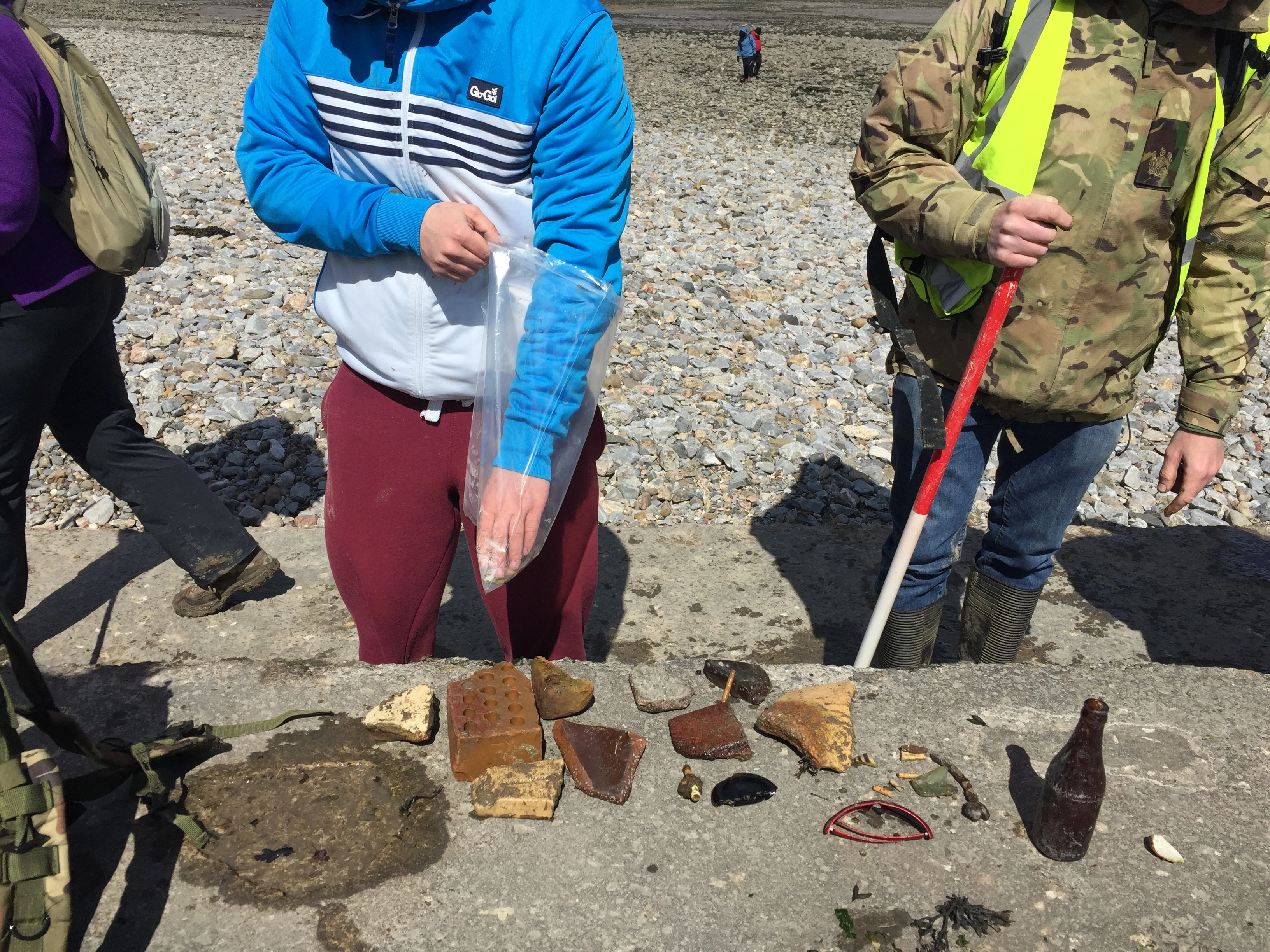
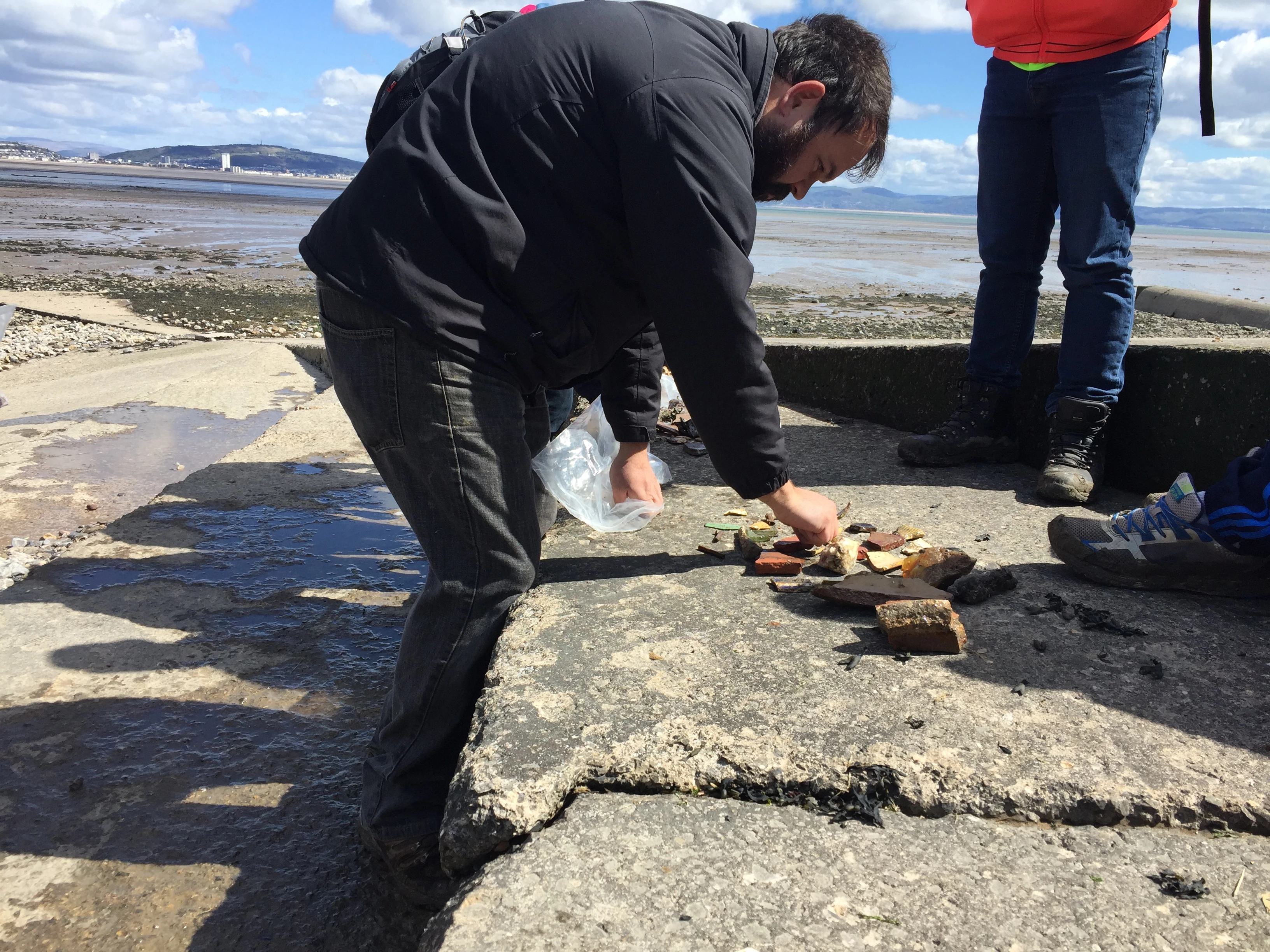
After having a look around the beach and learning how it has changed through time with different inhabitants we were then given clear bags and told to try and find our own items.
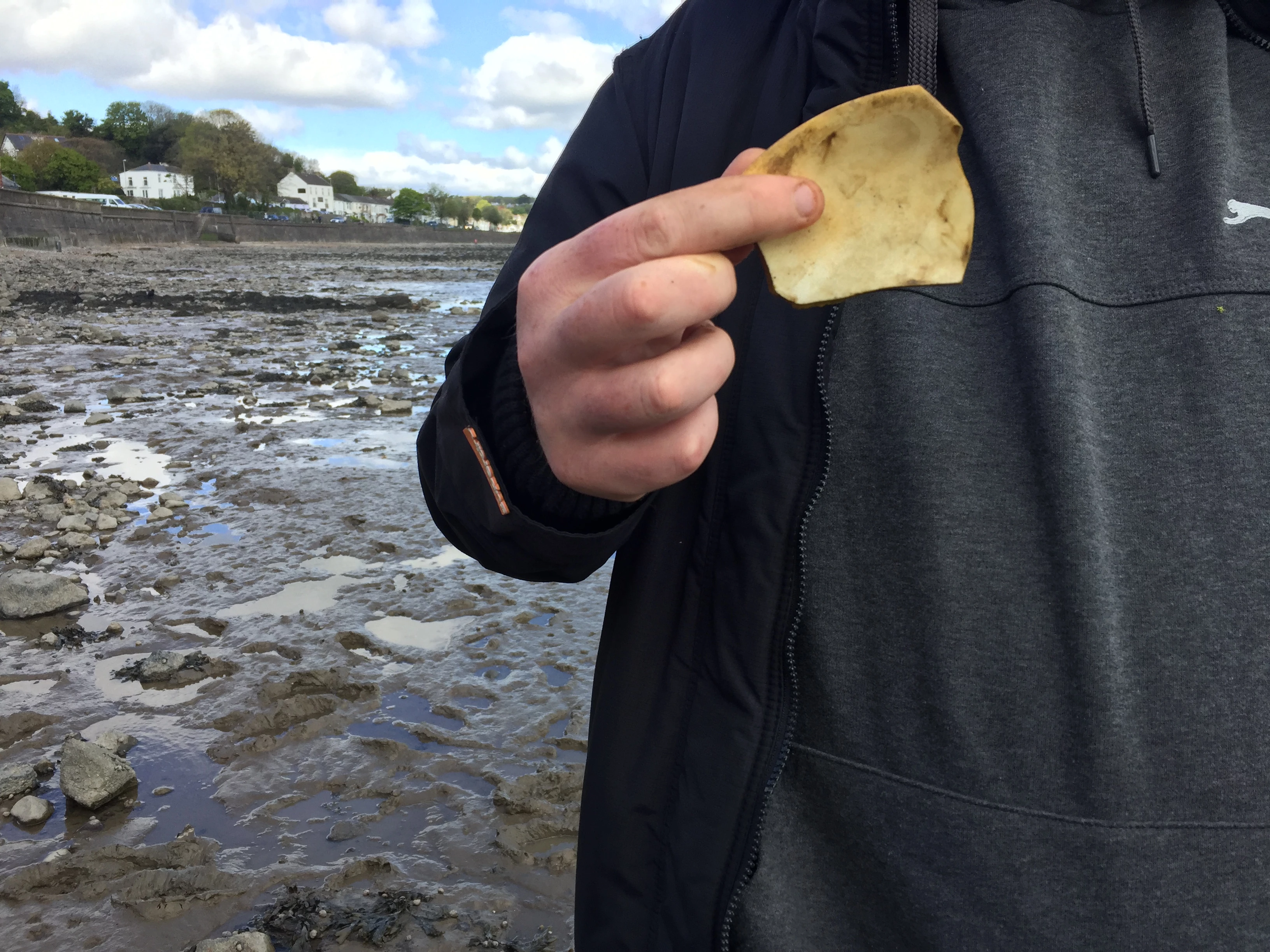
We found a variety of items during the beachcomb from ceramics, beer bottles from London, fossils and different types of slate and stone. The items found today along with others from previous beachcombs with Swansea Museum will be kept and made into a mosaic for public viewing in the future.
Beachcombing on Swansea bay with Llanrhidian Women's Institute and the Gurnos Men's Community First group.
Beachcombing on Swansea bay with Llanrhidian Women's Institute and the Gurnos Men's Community First group.
Swansea Museum are currently working on a project called ‘The Lost Treasures of Swansea Bay’, which is funded by the help of the ‘Saving Treasures; Telling Stories’ project and you can read about the last walk I attended with them HERE. Saving Treasures is funded by the Heritage Lottery Fund which is acquiring archaeological objects for local and national collections and providing training for heritage professionals and volunteers.