The Llanvaches Roman coin hoard
15 July 2011

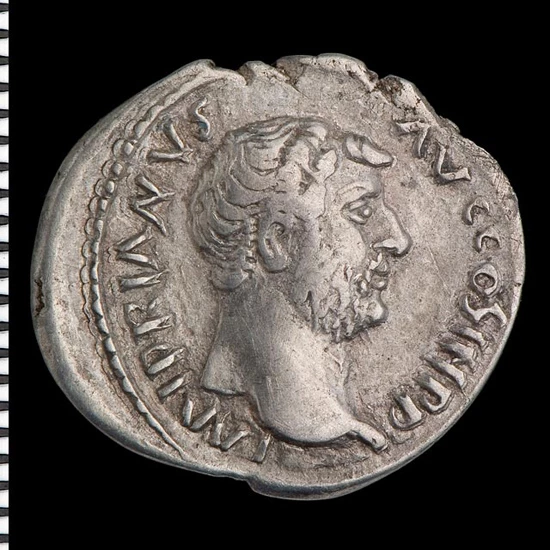
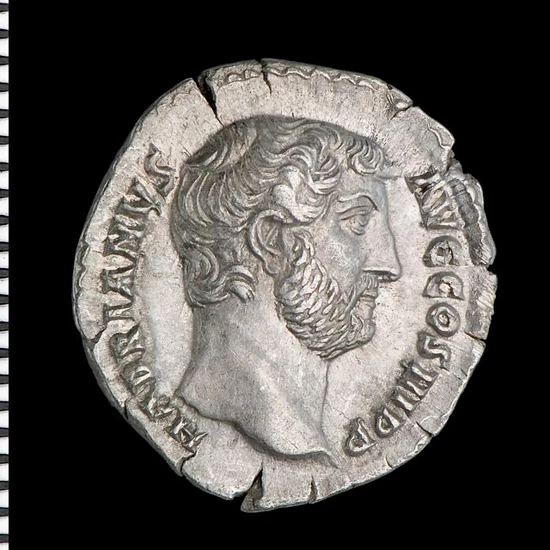
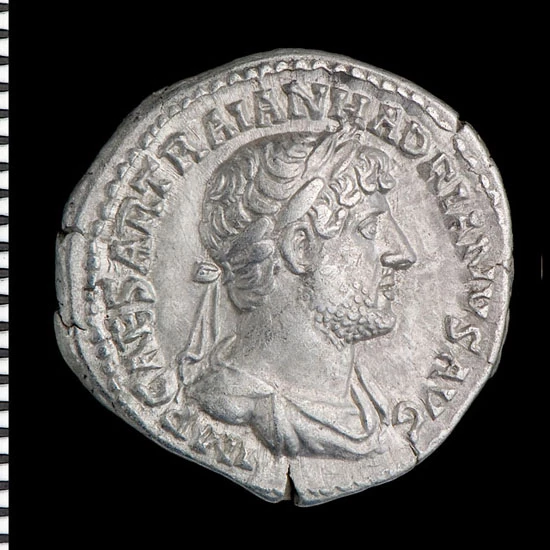
Detail of a denarius from the Llanvaches hoard showing the Roman Emperor Hadrian (117-38)
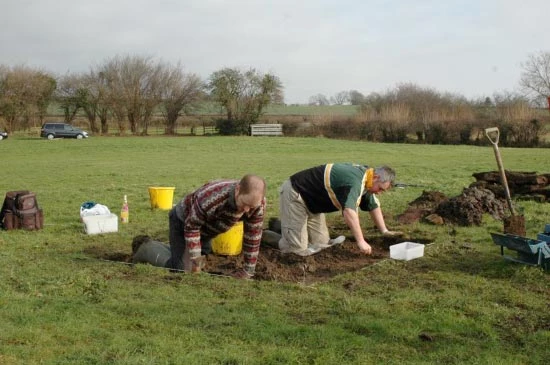
One of the finest hoards of silver coins from Roman Britain in the second century A.D. came to light in 2006 near Llanvaches, Newport.
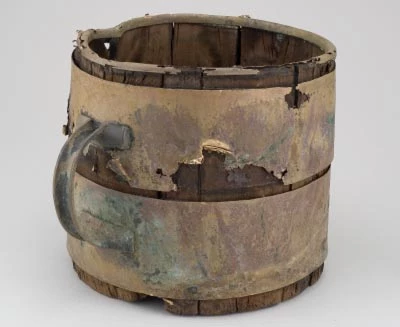
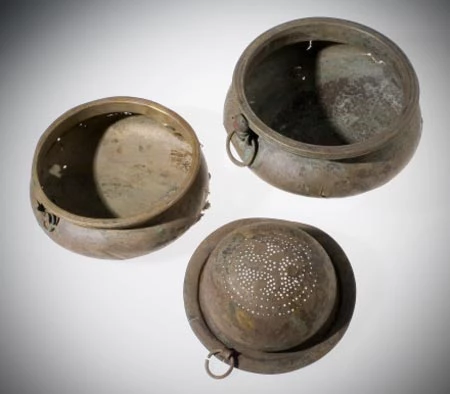
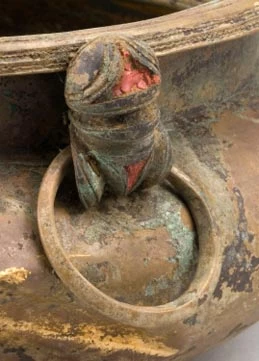
The hoard of 599 silver denarii were discovered hidden in a locally made cooking pot. They are now on displayed at the National Roman Legion Museum.
Llanvaches lies between the fortress of the second Augustan legion at Caerleon and the local tribal capital, Venta Silurum, at Caerwent.
The 599 silver denarii, which show various Roman Emperors such as Hadrian and Nero, date back to around AD160 and were declared treasure in July 2007.
Denarius, or Denarii (plural) are perhaps the best-known Roman coin. It gives us the 'd' of our old £-s-d system. At the time it was about a day's pay, whether civilian (think of the parable of the vineyard in the Bible) or for a Roman legionary soldier. In itself, therefore, the denarius was a valuable coin.
Six hundred denarii would represent a very large sum - how long might it take one of us to save two years' gross wages?
Please click on the thumbnails below to browse through a selection of coins from the hoard.
The Llanvaches coin hoard
Forgery of Hadrian - reverse copies a coin of Trajan
Forgery of Hadrian
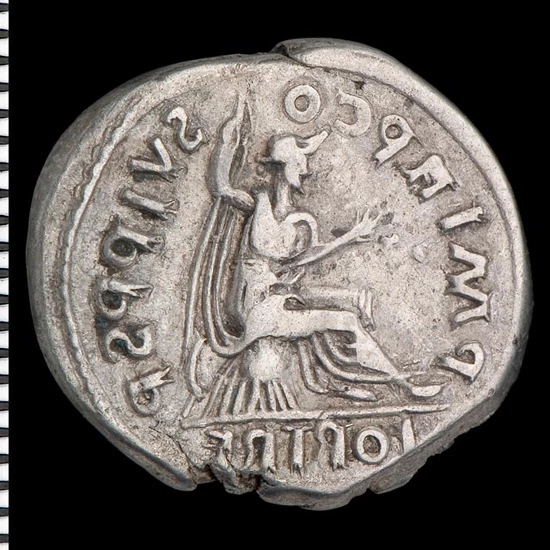
Pietas offering at an altar [Diva Faustina I]
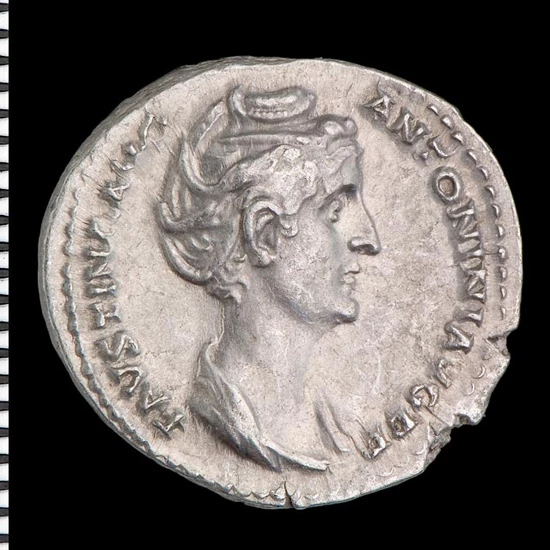
life-time portrait of Faustina I
Hadrian, a bare-headed portrait
Pax (peace) setting fire to weapons [Trajan]
clasped hands: emperor and army [Nerva]
An exotic beast [Titus]
Sow and piglets [Vespasian] - refers to foundation myth
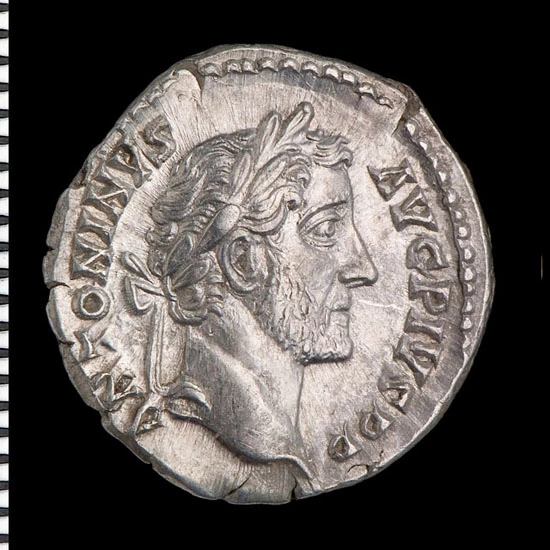
Antoninus Pius (138-61); Hadrian's second adopted successor
Fortuna ('fortune') [Trajan]
Antoninus Pius (138-61)
Hadrian (117-38)
Felicitas ('happiness') [Trajan]
Liberalitas - the emperor's generosity [Hadrian]
Concordia [Antoninus Pius]
Clementia ('mercy') [Antoninus Pius]
Italia - another province personified [Antoninus Pius]
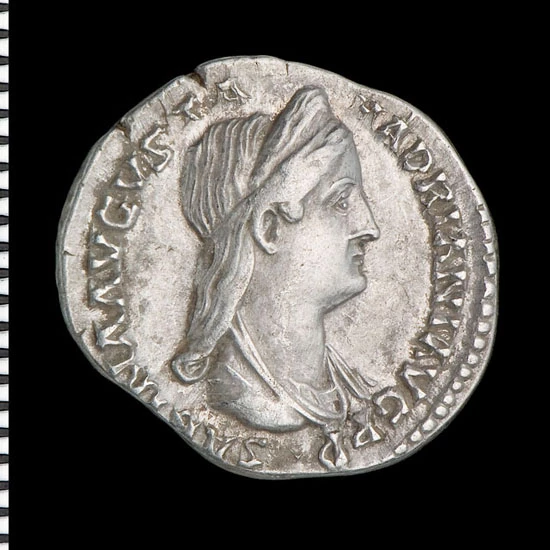
Sabina, wife of Hadrian
Vesta, goddess of the hearth [Sabina]
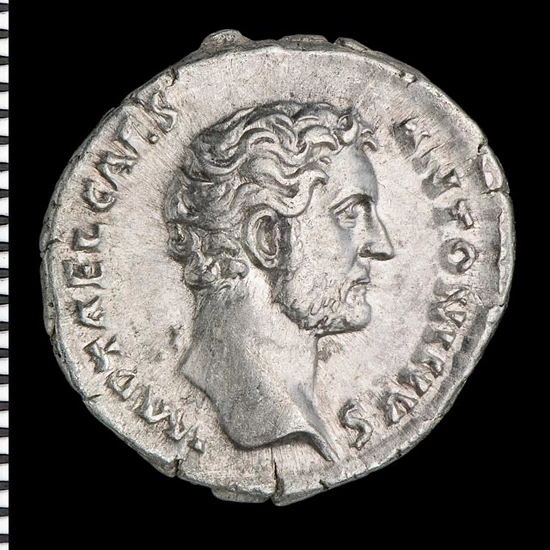
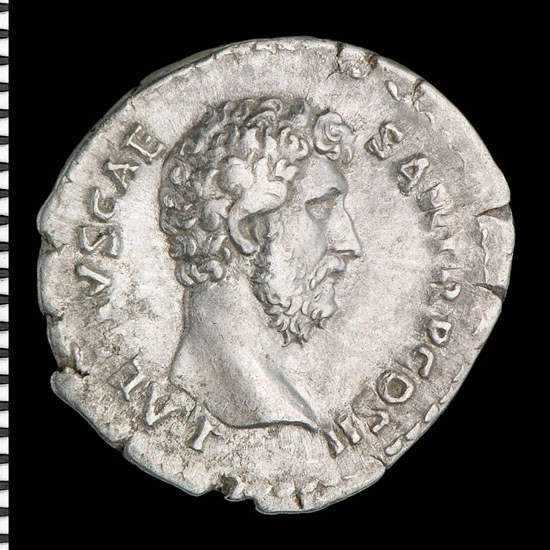
L. Aelius (136-8); appointed Hadrian's successor, but died first
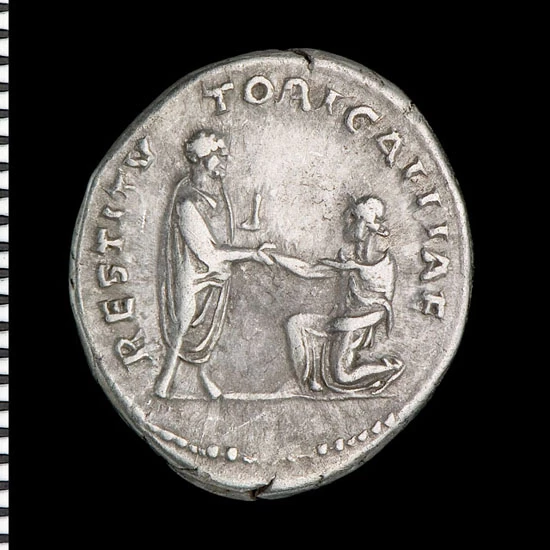
Hadrian as 'restorer' of Gaul
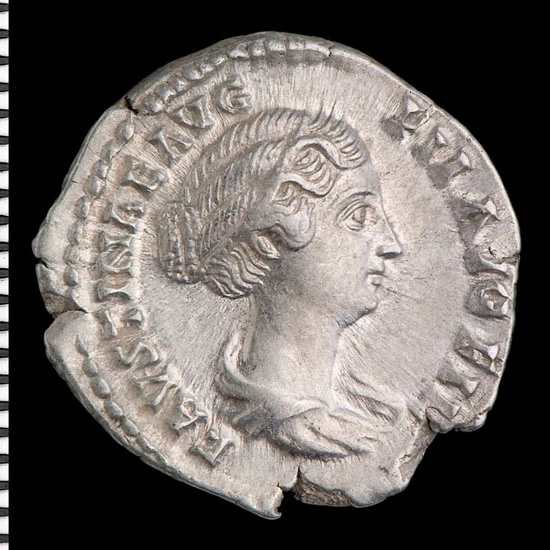
Faustina II, daughter of Antoninus Pius, wife of Marcus
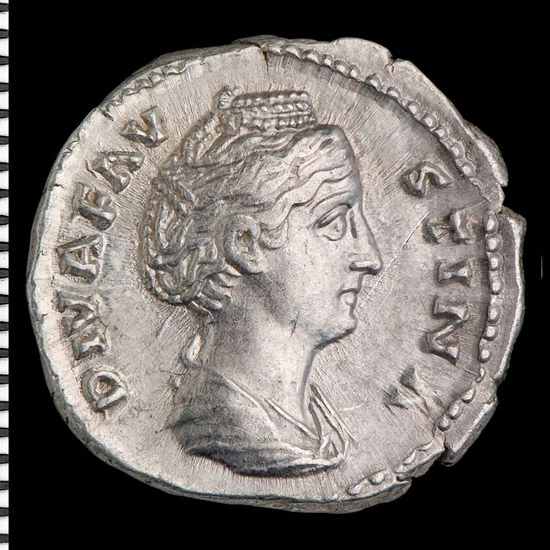
Faustina I, wife of Antoninus (d.141); commemorative issue ('Diva')
Priestly implements [Marcus Aurelius Caesar]
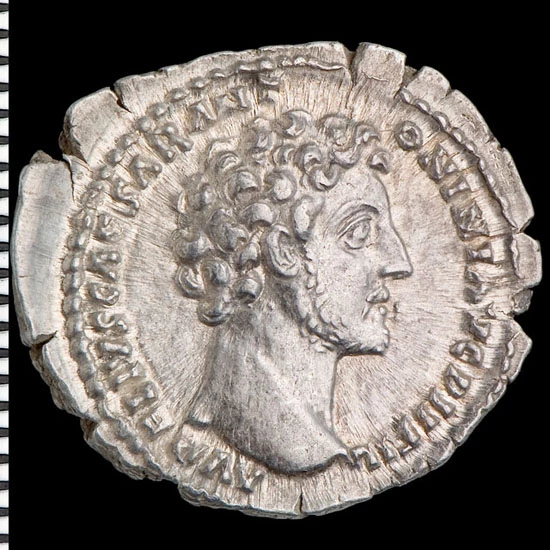
Marcus Aurelius as Caesar under A Pius (139-61)
Thunderbolt on a chair [Antoninus Pius]
Aegyptos - one of many provinces personified on Hadrian's coins
Aequitas ('fair dealing') or Moneta (the mint) [Antoninus Pius]
Pietas ('piety, duty') [Hadrian]
Victoria: goddess of victory [Hadrian]
Fides publica: the 'good faith' of the state (!) [Hadrian]
Moneta - personifies the mint and the coinage [Hadrian]
Adventus ('arrival') - Hadrian greeted by Roma
Neptune, god of water/the sea [Hadrian]
Iustitia ('justice') [Hadrian]
Hercules and his club [Hadrian]
Salus ('Health'/'welfare') [Hadrian]
Diana, goddess of hunting and fertility [Hadrian]
Libertas ('freedom') [Hadrian]
Providentia ('foreseeing') [Hadrian]
Hilaritas ('rejoicing') [Hadrian]
Hadrian (117-38)
Hadrian (117-38)
Roma - goddess/personification of the city [Hadrian]
Hadrian as gubernator (steersman) of the World
Oceanus, the river round the earth, personified [Hadrian]
Hadrian (117-38)
Virtus ('valour') [Trajan]
Hadrian adopted as Trajan's heir [Hadrian]
Felicitas ('happiness') [Trajan]
Honouring Trajan's father
Trajan's Column, Rome - still standing today
Military standards [Trajan]
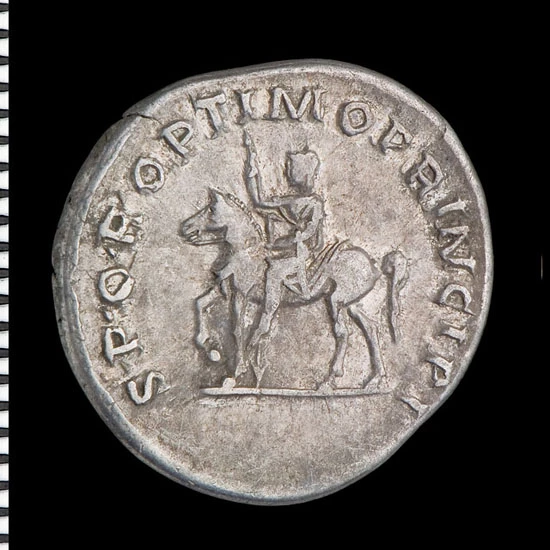
Equestrian statue of Trajan
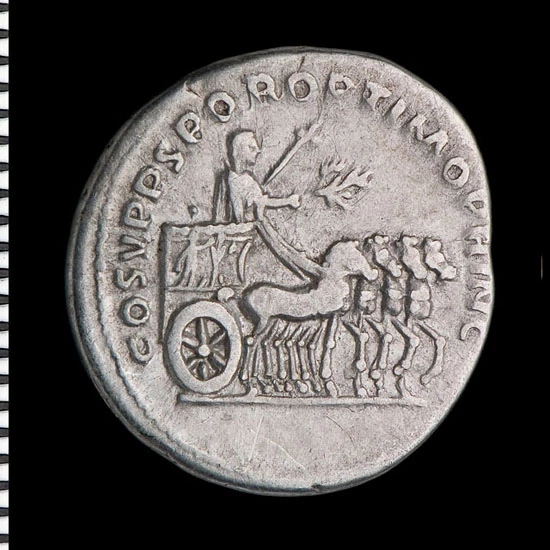
Trajan in a triumphal procession
The province of Arabia personified, with camel [Trajan]
Trophy of arms [Trajan]
Ceres, goddess of agriculture [Trajan]
A defeated Dacian [Trajan]
Trophy of arms and captured Dacian [Trajan]
Via Traiana, a new road in southern Italy [Trajan]
Spes ('hope') holds a flower [Trajan]
Mars, god of war [Trajan]
Conquest of Dacia [Trajan]
Eternity, holding sun and moon [Trajan]
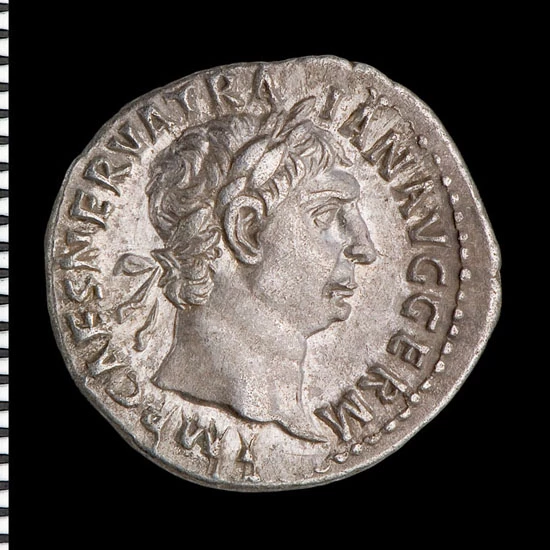
Trajan (98-117)
Hercules, wearing lionskin and holding a club [Trajan]
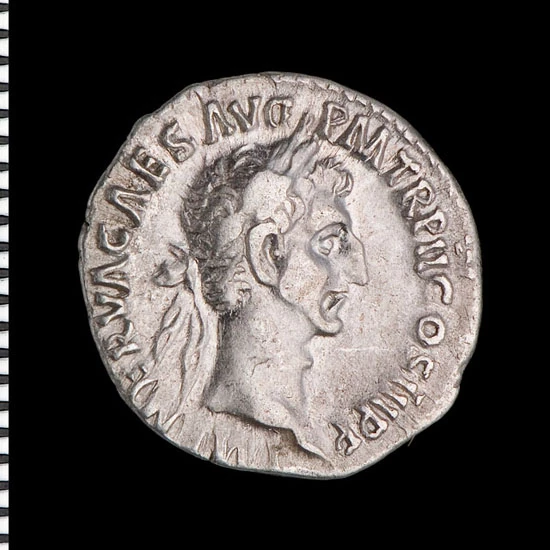
Nerva (96-8)
Minerva [Domitian Augustus]
'Concord of the armies' [Nerva]
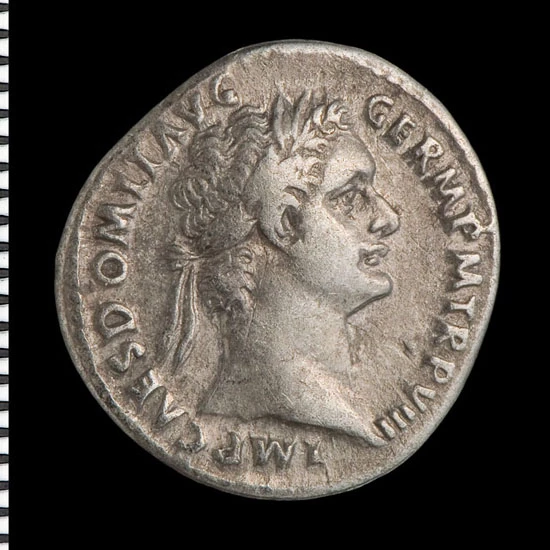
Domitian, Augustus (81-96)
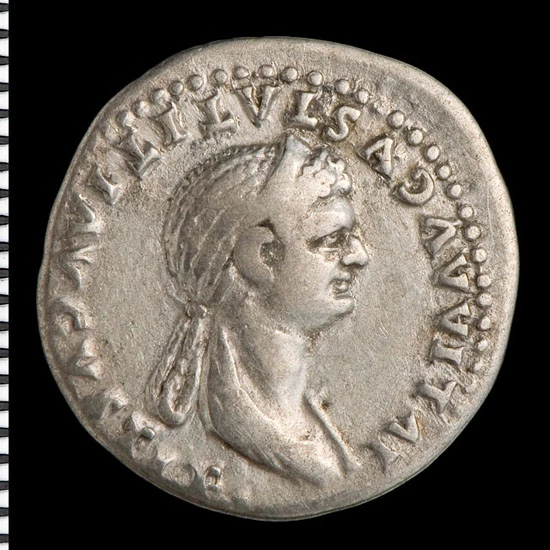
Julia Titi, daughter of Titus and lover of Domitian
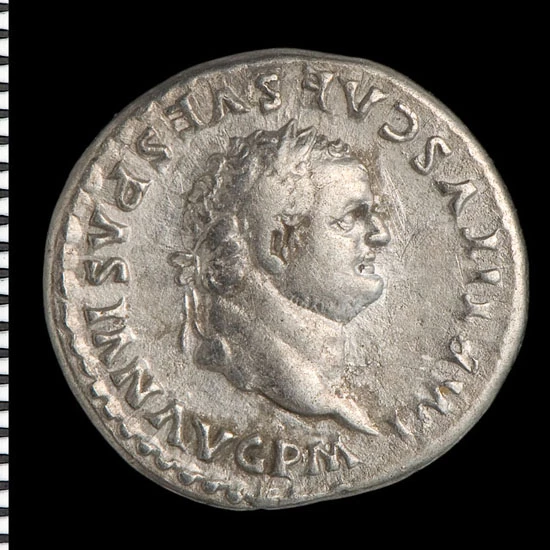
Titus, Augustus (79-81)
Venus [Titus Augustus]
Wolf with Romulus and Remus [Domitian Caesar]
Pegasus [Domitian Caesar]
Jupiter [Vespasian]
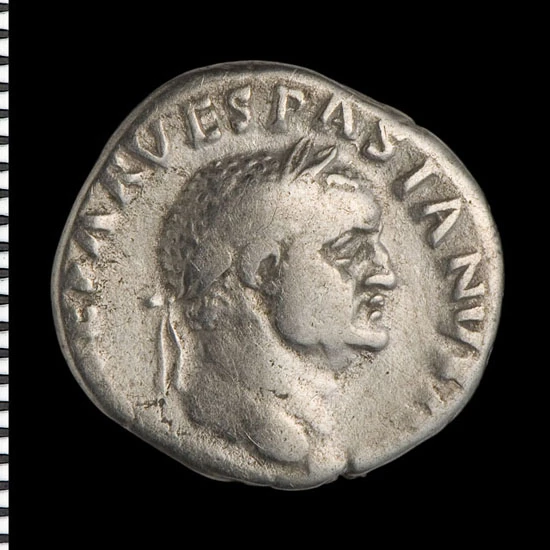
Vespasian
Vespasian
Judaea - suppression of the Jewish Revolt [Vespasian]
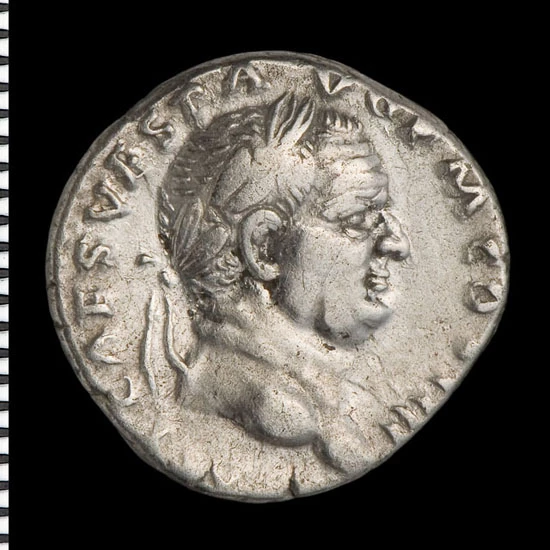
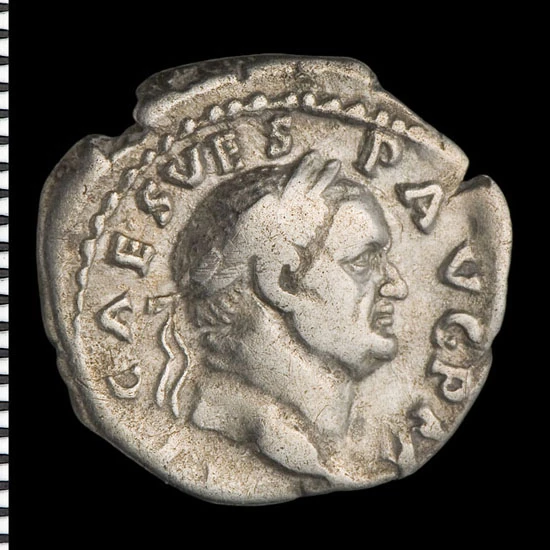
Vespasian (69-79), former commander of Legio II Augusta
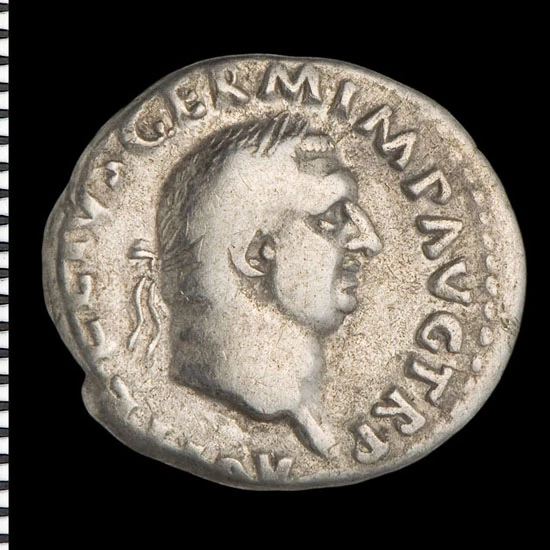
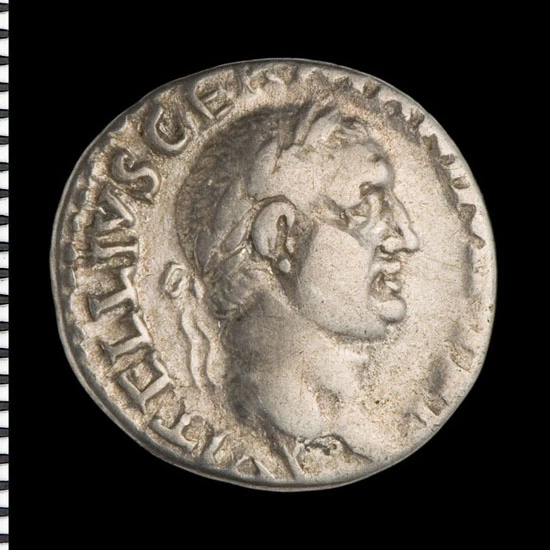
Vitellius (AD 69)
Vitellius (AD 69)
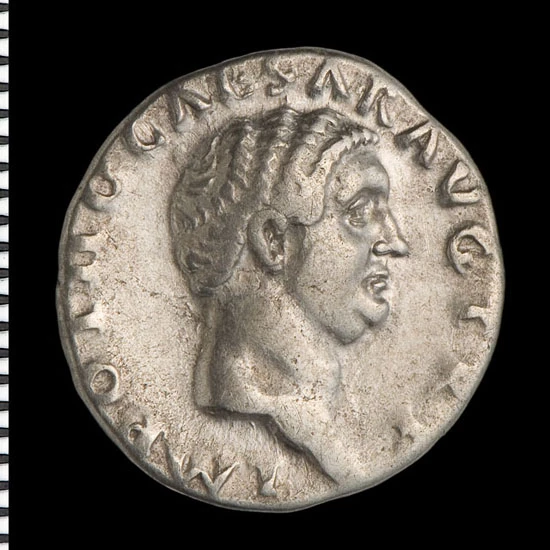
Otho (AD 69) and his impressive wig
Jupiter, Chief of the Gods [Nero]
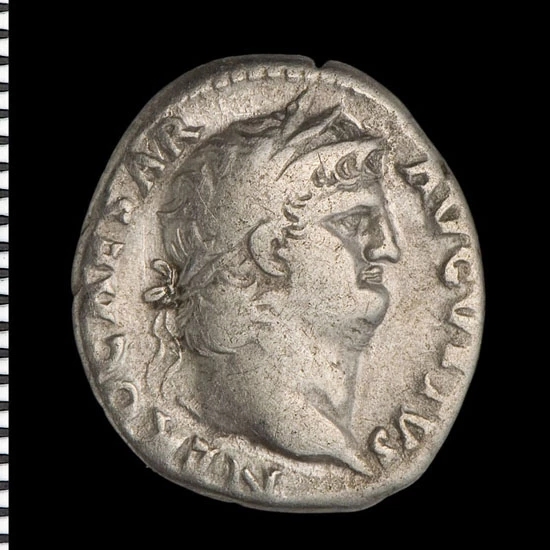
Nero (AD 54-68)
Heads
Detail of Pegasus from one of the Roman denarii
Unlike our modern coinage - which has few designs and only one ruler - the Roman imperial currency of the second century was full of variety: Llanvaches contains coins of 12 emperors and four of their wives or girlfriends.
Tails
There were many dozens of reverse designs - forming a sort of chronicle of imperial aims, values and achievements (for those who had the inclination, or indeed the literacy, to understand them). They include: history and myth, the emperor and his achievements, the army, the empire, the Roman deities, and many abstract concepts personified; even, the natural world.
So here's our chance to get up close and personal with Roman rulers, their wives and girlfriends and the messages of some of the outstanding coins in the hoard.
The broader context
Llanvaches appears to represent saved money (rather than a sum taken from circulation at one time) - so does it relate to the compulsory and additional voluntary savings that a Roman soldier might make? Or to the savings based on a lifetime of commerce at the nearby town of Caerwent? Either way, military pay was hugely importance for the circulation of new coinage; eight hoards of the time of Antoninus Pius (AD 138-61) are known from Wales, of which Llanvaches is by far the biggest.
![Pietas offering at an altar [Diva Faustina I]](/media/15261/version-full/4654_02.webp)
![Pax (peace) setting fire to weapons [Trajan]](/media/15258/version-full/4255_02.webp)
![clasped hands: emperor and army [Nerva]](/media/15257/version-full/4179_02.webp)
![An exotic beast [Titus]](/media/15256/version-full/4091_02.webp)
![Sow and piglets [Vespasian] - refers to foundation myth](/media/15255/version-full/4067_02.webp)
![Fortuna ('fortune') [Trajan]](/media/14318/version-full/4286_02.webp)
![Felicitas ('happiness') [Trajan]](/media/14315/version-full/4294_02.webp)
![Liberalitas - the emperor's generosity [Hadrian]](/media/14313/version-full/4568_02.webp)
![Concordia [Antoninus Pius]](/media/14312/version-full/4611_02.webp)
![Clementia ('mercy') [Antoninus Pius]](/media/14311/version-full/4635_02.webp)
![Italia - another province personified [Antoninus Pius]](/media/14310/version-full/4639_02.webp)
![Vesta, goddess of the hearth [Sabina]](/media/14308/version-full/4604_02.webp)
![Priestly implements [Marcus Aurelius Caesar]](/media/14303/version-full/4665_02.webp)
![Thunderbolt on a chair [Antoninus Pius]](/media/14301/version-full/4648_02.webp)
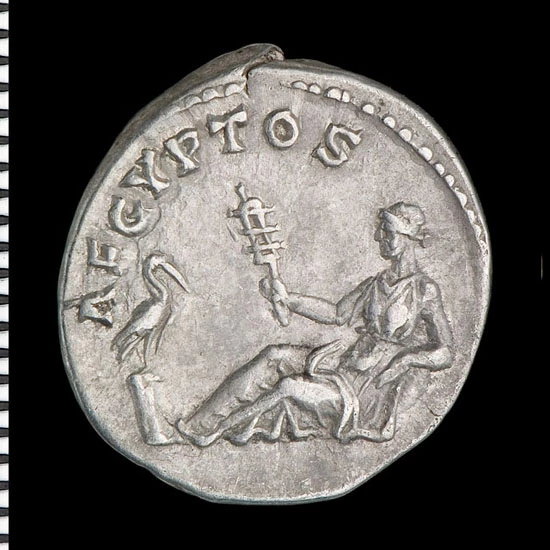
![Aequitas ('fair dealing') or Moneta (the mint) [Antoninus Pius]](/media/14298/version-full/4644_02.webp)
![Pietas ('piety, duty') [Hadrian]](/media/14297/version-full/4585_02.webp)
![Victoria: goddess of victory [Hadrian]](/media/14296/version-full/4597_02.webp)
![Fides publica: the 'good faith' of the state (!) [Hadrian]](/media/14295/version-full/4582_02.webp)
![Moneta - personifies the mint and the coinage [Hadrian]](/media/14294/version-full/4584_02.webp)
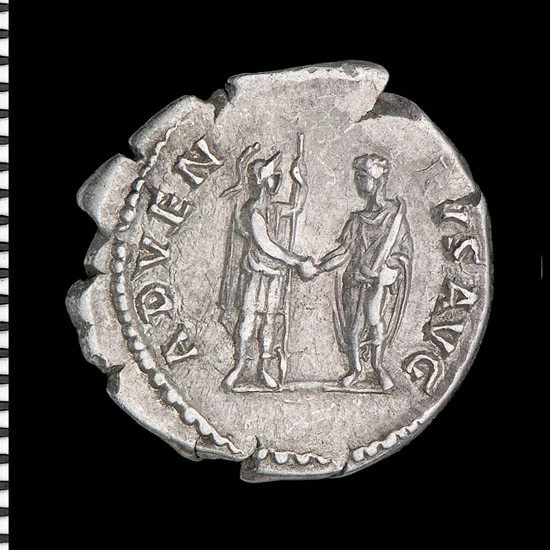
![Neptune, god of water/the sea [Hadrian]](/media/14292/version-full/4541_02.webp)
![Iustitia ('justice') [Hadrian]](/media/14291/version-full/4567_02.webp)
![Hercules and his club [Hadrian]](/media/14290/version-full/4539_02.webp)
![Salus ('Health'/'welfare') [Hadrian]](/media/14289/version-full/4532_02.webp)
![Diana, goddess of hunting and fertility [Hadrian]](/media/14288/version-full/4537_02.webp)
![Libertas ('freedom') [Hadrian]](/media/14287/version-full/4524_02.webp)
![Providentia ('foreseeing') [Hadrian]](/media/14286/version-full/4527_02.webp)
![Hilaritas ('rejoicing') [Hadrian]](/media/14285/version-full/4510_02.webp)
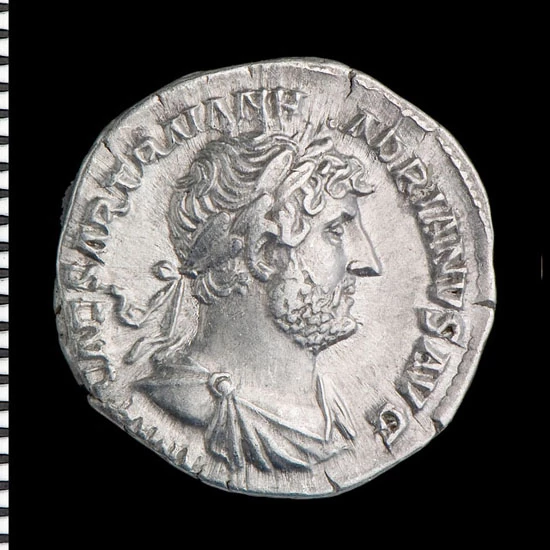
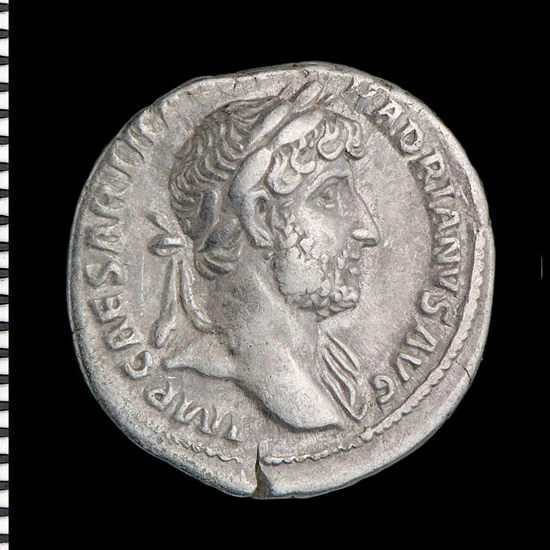
![Roma - goddess/personification of the city [Hadrian]](/media/14282/version-full/4469_02.webp)
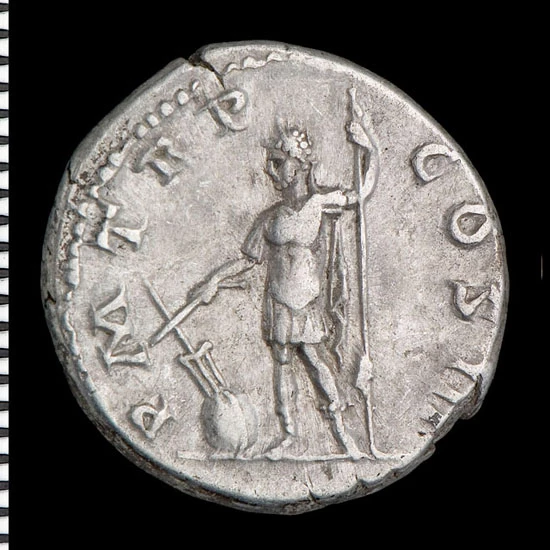
![Oceanus, the river round the earth, personified [Hadrian]](/media/14280/version-full/4468_02.webp)
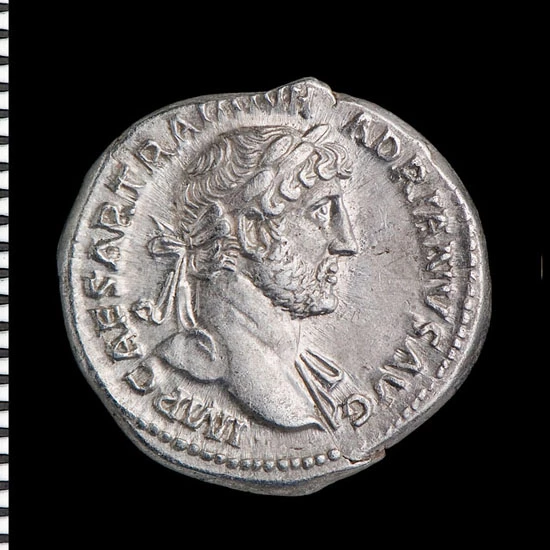
![Virtus ('valour') [Trajan]](/media/14278/version-full/4436_02.webp)
![Hadrian adopted as Trajan's heir [Hadrian]](/media/14277/version-full/4499_01.webp)
![Felicitas ('happiness') [Trajan]](/media/14276/version-full/4435_02.webp)
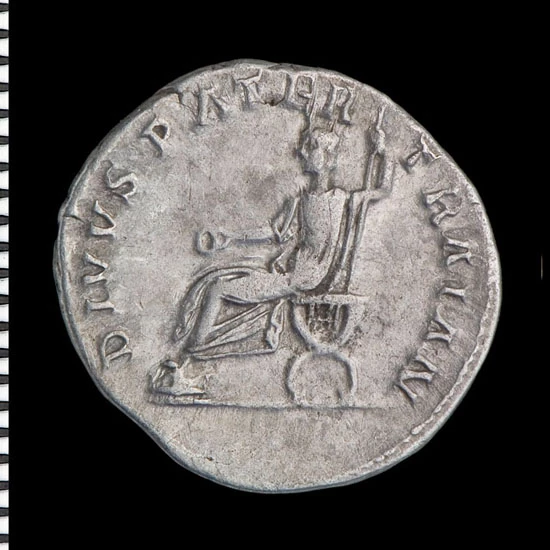
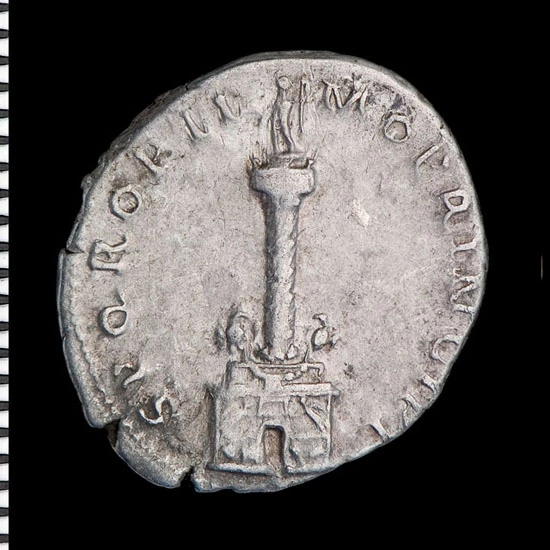
![Military standards [Trajan]](/media/14273/version-full/4412_02.webp)
![The province of Arabia personified, with camel [Trajan]](/media/14269/version-full/4321_02.webp)
![Trophy of arms [Trajan]](/media/14268/version-full/4325_02.webp)
![Ceres, goddess of agriculture [Trajan]](/media/14267/version-full/4330_02.webp)
![A defeated Dacian [Trajan]](/media/14266/version-full/4354_02.webp)
![Trophy of arms and captured Dacian [Trajan]](/media/14265/version-full/4357_02.webp)
![Via Traiana, a new road in southern Italy [Trajan]](/media/14264/version-full/4398_02.webp)
![Spes ('hope') holds a flower [Trajan]](/media/14263/version-full/4298_02.webp)
![Mars, god of war [Trajan]](/media/14262/version-full/4260_02.webp)
![Conquest of Dacia [Trajan]](/media/14261/version-full/4252_02.webp)
![Eternity, holding sun and moon [Trajan]](/media/14260/version-full/4248_02.webp)
![Hercules, wearing lionskin and holding a club [Trajan]](/media/14257/version-full/4228_02.webp)
![Minerva [Domitian Augustus]](/media/14255/version-full/4141_02.webp)
!['Concord of the armies' [Nerva]](/media/14254/version-full/4181_02.webp)
![Venus [Titus Augustus]](/media/14250/version-full/4090_02.webp)
![Wolf with Romulus and Remus [Domitian Caesar]](/media/14249/version-full/4083_02.webp)
![Pegasus [Domitian Caesar]](/media/14248/version-full/4080_02.webp)
![Jupiter [Vespasian]](/media/14247/version-full/4070_02.webp)
![Judaea - suppression of the Jewish Revolt [Vespasian]](/media/14244/version-full/4029_02.webp)
![Jupiter, Chief of the Gods [Nero]](/media/14239/version-full/4011_02.webp)