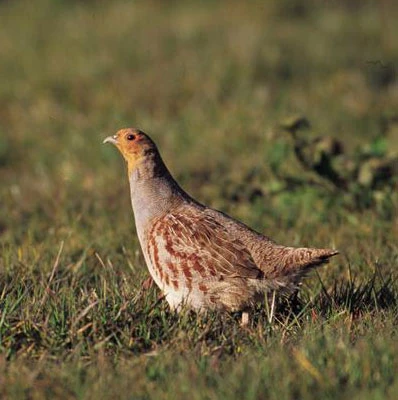
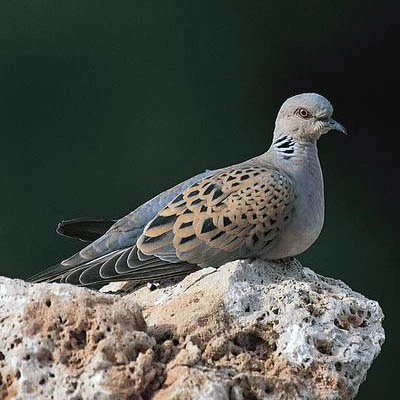
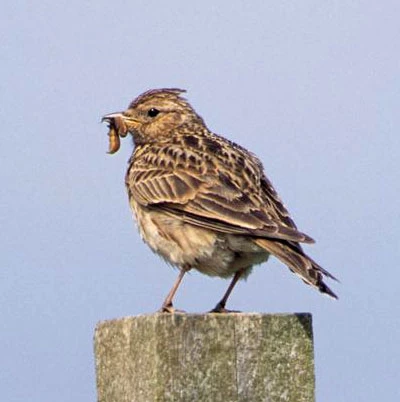
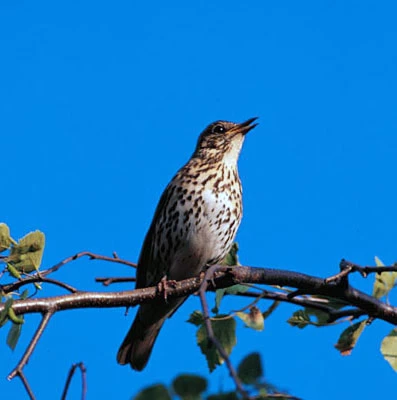
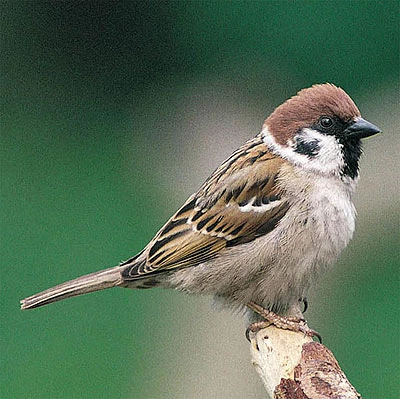
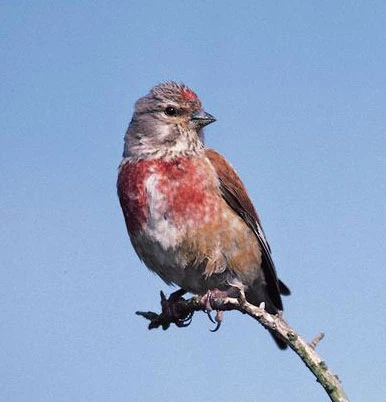
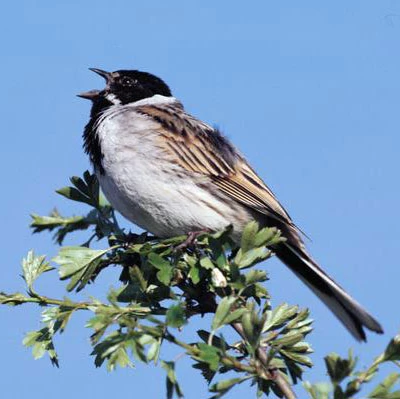
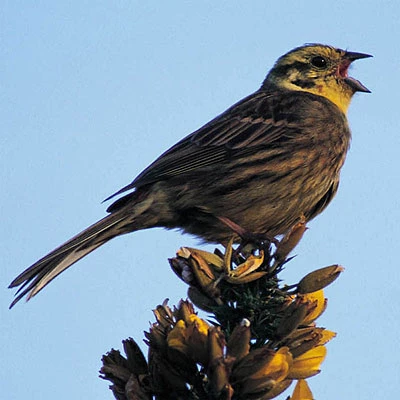
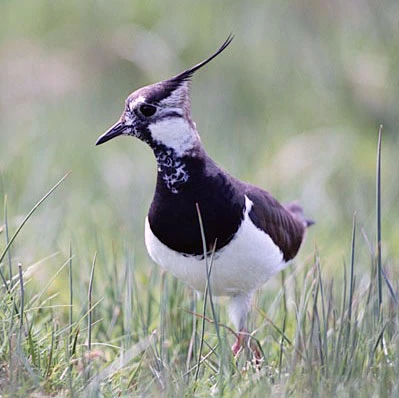
Britain's farmland birds in trouble 23 July 2007 Lapwing (Vanellus vanellus) Lapwing The British population dropped by 40% between 1970 and 1999. They mainly breed on damp meadows and rough pasture. In winter they can be found in large flocks on ploughed fields and coastal salt marshes. The draining of damp meadows and the change to sowing crops in autumn have had the most impact on them. There are now fewer ploughed fields for them to feed on in winter, and by spring crops are too tall for them to nest in. Managing lowland farms to provide the right habitat works. Recreating damp meadows leads to an increase in breeding birds. Grey Partridge (Perdix perdix) Grey Partridge The British population dropped by 86% between 1970 and 1999. They breed in rough field edges with hedgerows nearby. They do not move far in winter and are found in more or less the same places. The loss of hedgerows, spraying of field edges with weed-killer and the change to sowing crops in autumn have had a severe impact on them. This has removed nesting sites and winter feeding areas. The good news is they respond very quickly to improvements to their habitat. Numbers of breeding birds can be doubled within two years simply by providing the right habitats at the right time of year. Turtle Dove (Streptopelia turtur) Turtle Dove The British population dropped by 71% between 1970 and 1999. They breed anywhere there is sufficient cover of hedges, trees and bushes. They winter around agricultural land in Africa, south of the Sahara desert. They have suffered from the loss of field edges like the Grey Partridge. There are now fewer seeds of wild plants for them to feed on. They face an additional obstacle too. They are hunted as they fly across Europe. Large numbers are shot in spring as they head back to Britain. European regulations have reduced this slightly but it still goes on, reducing numbers even further. Skylark (Alauda arvensis) Skylark The British population dropped by 52% between 1970 and 1999. Skylarks breed on lowland farmland and upland moors but need short, rough grass. In winter they flock together on ploughed and stubble fields. On lowland farmland they have been hit hard by the move to intensive farming, which leaves less rough grassland to nest in. The change to autumn sowing of crops has deprived them of their favoured wintering areas. Fortunately they respond very quickly if land is managed to suit them. The number of skylarks on a farm run by the RSPB has more than doubled in two seasons. Song Thrush (Turdus philomelos) Song Thrush The British population dropped by 56% between 1970 and 1999. Song Thrush breed in copses and hedgerows. In winter some of our birds move south-west into Ireland and France and we see large numbers of birds come in from Scandinavia. Song Thrush have been hit hard by the move to intensive farming. Loss of hedgerows has taken away their breeding sites and pesticides have killed the animals they feed on. Reducing the use of slug pellets will help the Song Thrush even in areas where their decline is not as serious. Farms need to move away from intensive farming, with hedgerows being replanted or unused fields being turned back into copses. Linnet (Carduelis cannabina) Tree Sparrow The British population dropped by 52% between 1970 and 1999. Linnets like to breed in hedgerows and scrubby areas. In winter they flock together and feed on weedy fields. Linnets have been most affected by the removal of hedgerows and the loss of scrubby areas as the size of fields have been increased. The increasing use of set-aside and reduced use of herbicides around field edges have seen Linnet numbers increase in some areas. Tree Sparrow (Passer montanus) Linnet The British population dropped by 95% between 1970 and 1999. This is the largest drop for any species in Britain. Tree Sparrows nest in holes in trees and buildings, and prefer open farmland with scattered trees and hedgerows. The loss of food is the likely cause of this dramatic decline. Grain crops are taken straight from fields nowadays and there are fewer winter stubble fields. This means there is less spilt grain and seed around for birds to feed on. Tree Sparrows can be helped by using less herbicides and pesticides around field edges and improving the variety of plants to provide food. Reed Bunting (Emberiza schoeniclus) Reed Bunting The British population dropped 53% between 1970 and 1999. It nests in dense vegetation around ponds and wet areas. In the winter, it can flock together with finches and other buntings to feed in weedy fields. Reed Buntings have been worst hit by loss of suitable fields to feed on during the winter. Draining of wetlands and general tidying of waterways have also not helped. They can be helped in the same way as many other seed-eating birds. Reducing the use of herbicide allows a variety of plants to grow around field margins and in setaside, increasing the food supply. Maintaining vegetation around ponds and ditches will also provide nesting places. Yellowhammer (Emberiza citrinella) Yellowhammer The British population dropped by 53% between 1970 and 1999. It nests in open farmland with hedgerows and bushes. It's also found on heaths and commons. In winter they can be found in flocks together with other seed-eating birds such as Reed Bunting and Linnet. Even seed-eating birds such as the Yellowhammer must feed their young on insects and other invertebrates. In common with many of the species featured here, they are affected by use of insecticide during spring and early summer.
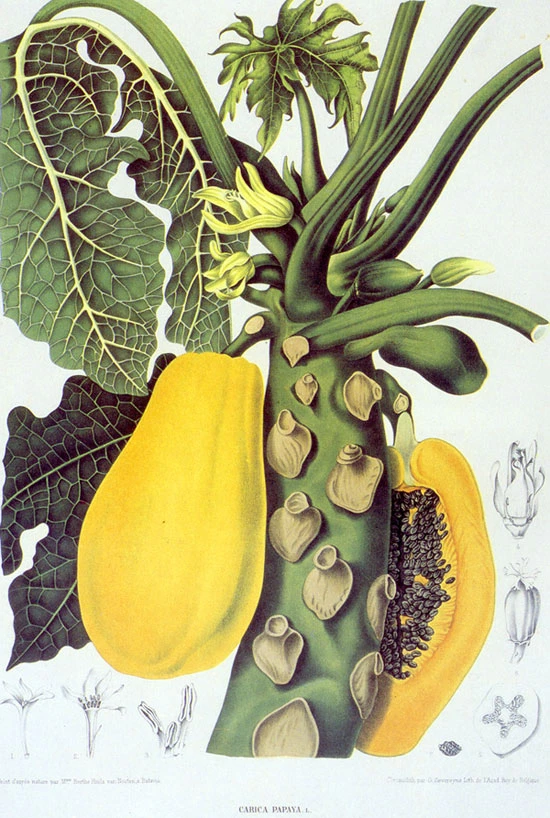
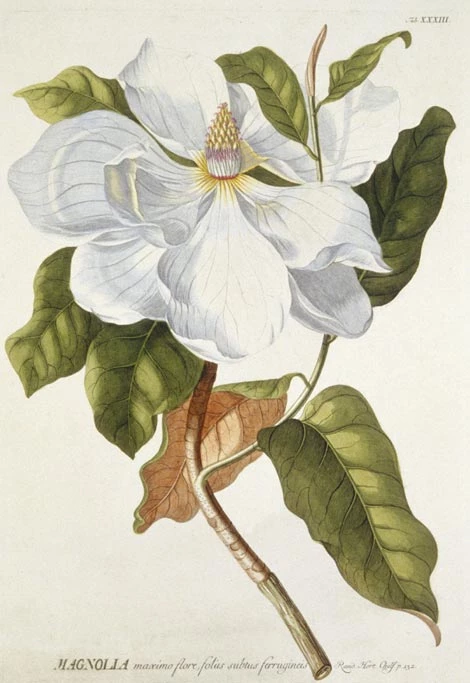
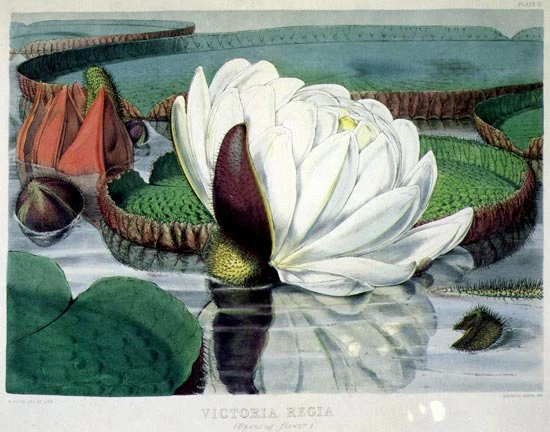
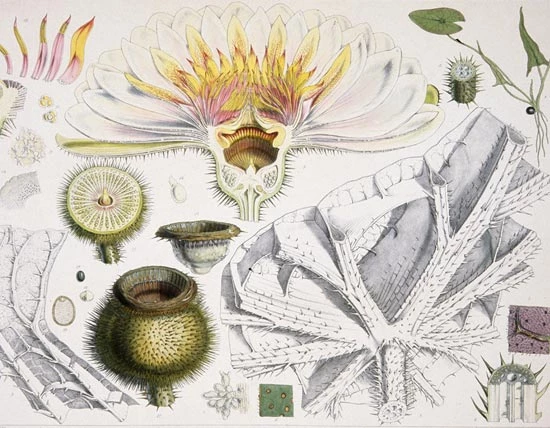
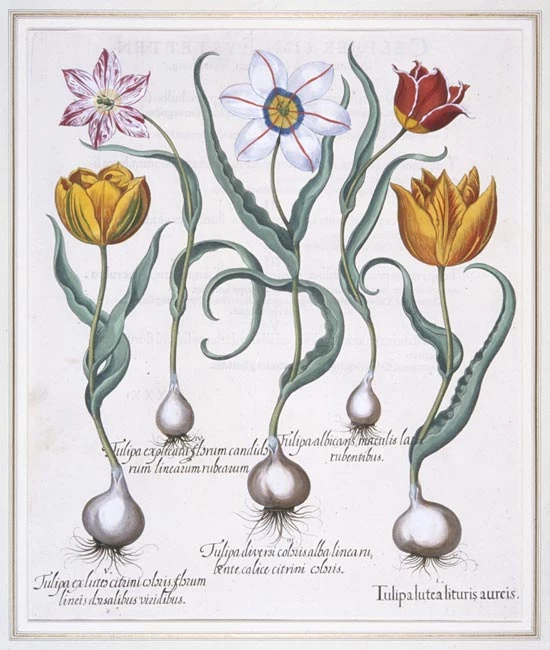
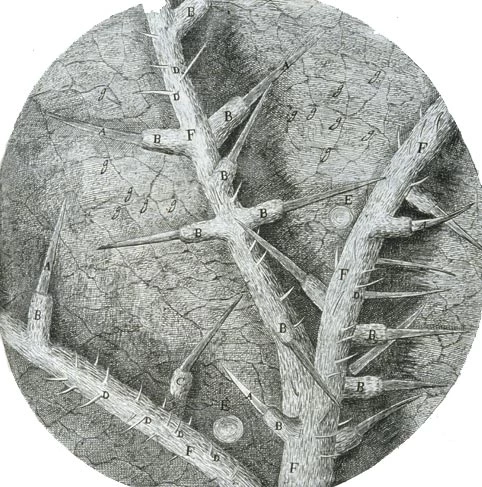
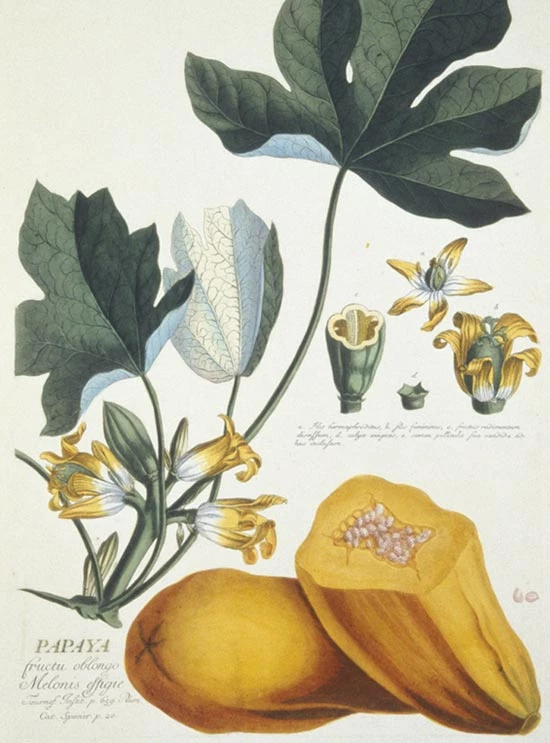
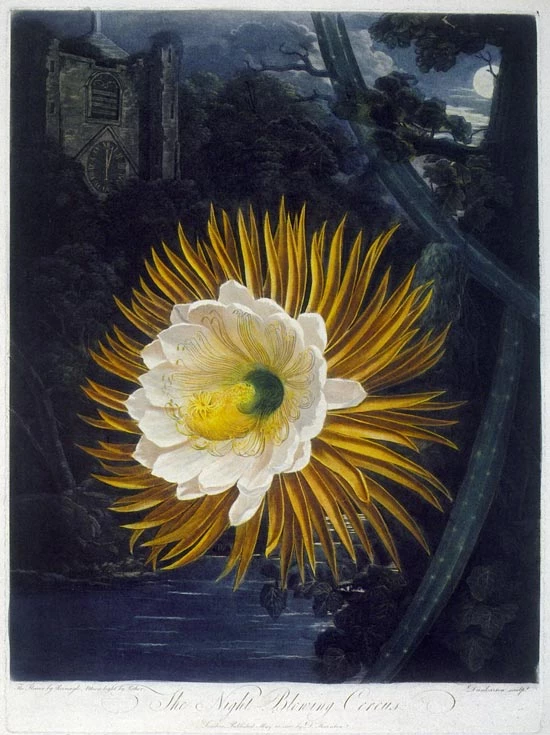
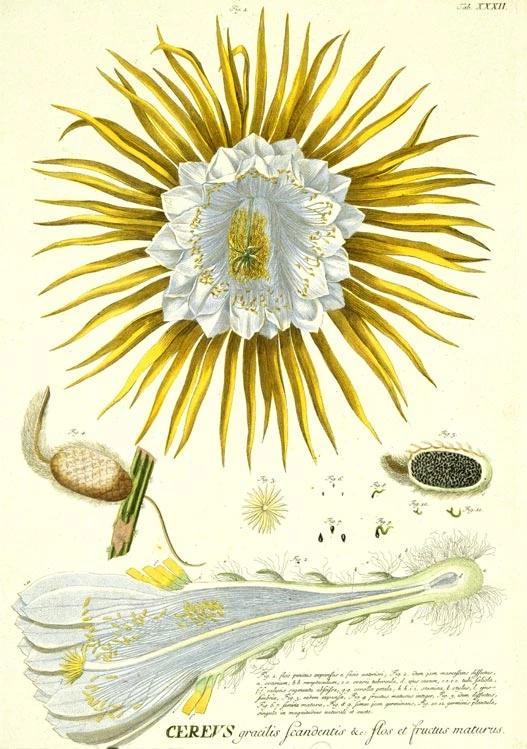
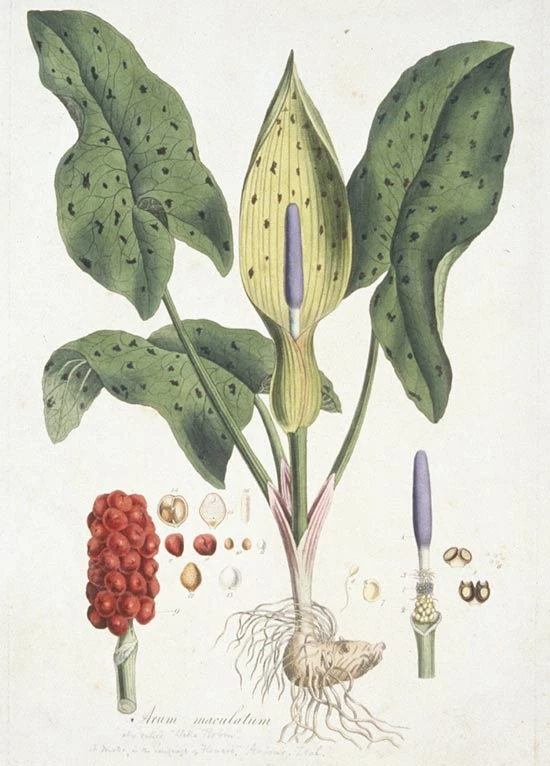
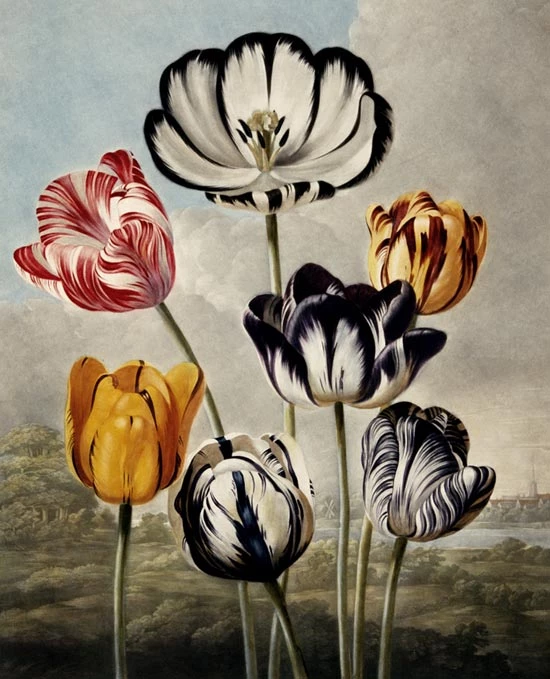
A marriage of art and science - botanical illustrations at Amgueddfa Cymru 12 July 2007 Mankind has always been fascinated by flowers and the plants on which they grow - by their beauty and their possibilities for healing and knowledge. The stories behind botanical illustrations are rich and intriguing in their own right - the desire to capture the flower before it fades often amounted to an obsession. Scientists risked life and limb to acquire new specimens and the collection of over 7,000 botanical prints and drawings at Amgueddfa Cymru reveals the human tales behind the history of botanical discovery. Botanical illustrations Botanical Illustration Pawpaw Carica papaya from The fruits and flowers of Java 1863 by Berthe Hoola Van Nooten. The Belgian lady accompanied her husband to java where he unfortunately died, leaving her alone to bring up two daughters. In the introduction of her book, she apologises for having put herself forward in this respect but explains that she has been forced to employ her talents as a botanical artist "against penury and a refuge in sorrow". The mid-17th to mid-18th centuries saw the Golden Age of scientific illustration. In this age of curiosity, exploration, and experiment, the artist complimented the scientific process. Georg Dionysius Ehret (1708-1770) was one of the most talented artists of this era. This image shows a Magnolia from Ehret's Plantae Selectae of 1772. Magnolias were a favourite of Ehret and he was said to have taken a daily walk to watch the progress of Magnolia grandiflora. Hand-coloured engraving:50cm x 35cm This giant water-lily, Victoria regia, later renamed Victoria amazonica created a sensation when it was first brought to Britain in 1849. This lithograph is taken from Victoria regia 1854, an impressive folio book specially commissioned to celebrate the first flowering of the plant at Kew. Tens of thousands of people travelled to the gardens especially to see the flower open and change colour; this occurred regularly over a period of eight hours. Victoria regia, a water-lily named in honour of Queen Victoria, was discovered in South America in 1837, the year of her accession to the throne. The leaves were an astonishing 2 metres across. The daughter of Joseph Paxton, Head Gardner at Chatsworth where the water-lily first flowered in Britain, managed to stand on one leaf without it sinking. The structure of the plant inspired Joseph Paxton's design for the Crystal Palace, built to house the Great Exhibition in Hyde Park in 1851. This highly detailed lithograph from the folio book Victoria regia 1854 by Walter Hood Fitch, illustrates the intricate structure of different parts of the plant. Tulipa Lutea Lituris Aureis from Hortus Eystettensis (1613) created by Basilius Besler (1561-1629). Hand-coloured engraving: 48.5cm x 40cm. In the early 17th century, travel and trade brought many new and exotic plants to Europe, and flowers were grown for their beauty as well as their practical use. So called 'Tulipomania' rose from the passionate desire of the wealthy to own the rarest plants. The introduction of cheaper varieties made tulips accessible to all, creating a massive surge in demand. A single 'Viceroy bulb' was paid for with 'two last of wheat and four of rye, four fat oxen, six pigs, twelve sheep, two ox-heads of wine, four tons of butter, 1,000 pounds of cheese, a bed, some clothing and a silver beaker.' In 1665, Robert Hooke published a revolutionary book entitled Micrographia where minute details, such as the stinging spines of this nettle, were seen for the first time. Until the development of microscopy people were ignorant of the existence of intricate plant structures. Increasingly sophisticated microscopes allowed investigation of cell structure and small plants. Carica papaya Papaya, from Plantae Selectae 1772 by Georg Dionysius Ehret (1708-1770). The Night Blowing Cactus Cereus grandiflorus commissioned by Robert John Thornton (1768 - 1837) in Temple of Flora. Hand-coloured engraving: 57cm x 46cm. This plant has also been named Moon Cactus and Torch Thistle since it only flowers at night. It is a native of hot, dry countries where pollinators are more active at night. The large vanilla scented flowers are sometimes said to be among the most beautiful flowers in existence. The flowers fade and die before sunrise. Night Blowing Cactus Cereus grandiflorus, from Plantae Selectae by G.D. Ehret, 1772. Arum maculatum (Lords and Ladies) from Flora Londinensis (1777-1787) published by William Curtis. Hand-coloured engraving: 46cm x 31.5cm. Flora Londinensis included all wild flowers growing within a ten mile radius of London, which was then surrounded by fields and undrained marshland. The hand-coloured illustrations are exceptionally delicate and precise so it is surprising that it failed to attract many subscribers. After ten years, Curtis had to admit financial defeat and in 1787, he produced the smaller Botanical Magazine, which is still in production today, over 200 years later. Tulipa gesneriana from Temple of Flora 1799 by Robert Thornton. Hand-coloured engraving: 57cm x 46cm. Thornton vowed that his book, Temple of Flora would be the most magnificent botanical publication ever. Exotic plants were lavishly illustrated in dramatic landscape settings. The extravagant costs of publishing this sumptuous book ruined Thornton financially.
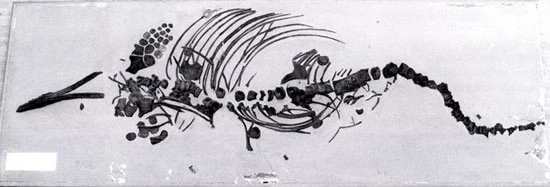
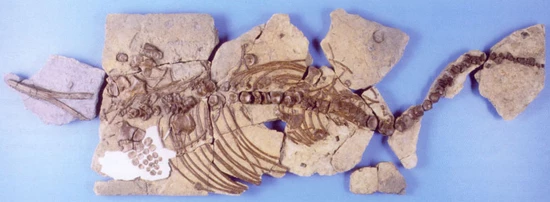
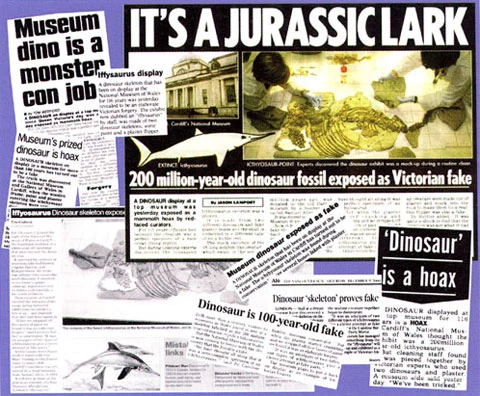
A Victorian fossil mystery 5 July 2007 The ichthyosaur specimen before conservation (1750 mm by 720 mm by 70 mm) Ichthyosaur after conservation showing head from separate individuals, and paddle bones set in plaster Press coverage of the story Routine conservation of the fossil collections at Amgueddfa Cymru, revealed a specimen that, on first examination, appeared to need a small amount of remedial work. What was to have been a small job turned into a major conservation project which attracted international media interest. The ichthyosaur The specimen in question is an ichthyosaur, a marine reptile that lived during the Mesozoic Era, 65-200 million years ago - the same time as the dinosaurs. They are similar to dolphins, with large eyes and distinctive long jaws with sharp teeth and limbs modified into paddles. The specimen was donated to the old Cardiff Museum in the 1880s and subsequently became part of the National Museum collections. It was originally mounted in plaster with a surrounding wooden frame and then both the plaster and the specimen were painted. The specimen was restored several times during the twentieth century, and this included new plaster and repainting. A label identified the species as Ichthyosaurus intermedius, collected from Street, Somerset, and described the skeleton as 'the greater part of a small individual preserved with but little disturbance of the bones' — a statement later found to be rather inaccurate. A detailed investigation of the specimen was undertaken and extensive damage was discovered, with cracks running through it. The plaster and wooden mount were in poor condition so the decision was made to remove all restoration and paint, and to get back to the original skeleton and rock. It was not a decision made lightly because we knew that the whole appearance of the specimen was going to be radically altered. Revealing the specimen Removal of the paint layers revealed that the missing ends of the ribs had been moulded in plaster and then painted to match the rest of the specimen, giving the false impression of actual bones. Study of X-rays taken of the specimen revealed an inconsistency in one section of the spine of the fossil; a dark shadow surrounded the bones. When the paint from this area was removed, it became clear that a channel had been carved in the rock and individual loose bones had been fixed into it with plaster. Beneath the paint it was discovered that the bones of the single preserved front paddle were also set in plaster. Holes in the surrounding rock suggest areas from which bones may have been removed before being relocated, but it is possible that some bones had been taken from other specimens. The biggest surprise came when the paint was removed from around the jaw; the rock was a totally different colour and type to the rest of the skeleton. Not only were there at least two individuals involved, but further study proved that the head and body were two entirely different species of icthyosaur! This was a specimen that had been considerably altered by the Victorian preparators. Re-displaying the conserved fossil Although the specimen was made up of two different species, it was decided that the head and the body should be kept together as originally intended. The plaster surrounding the paddle and a part of the ribs made from plaster were also left intact. A new light-weight support system was built. Instead of being displayed simply as a museum specimen, this ichthyosaur will be used to highlight the techniques used by some Victorian enthusiasts to 'restore', display and present fossil specimens and how painstaking conservation work today revealed the true nature of our specimen. Intense media interest was sparked when the Museum announced a public talk on the conservation of the specimen. This resulted in the story being covered in the national and international press in addition to television, radio and the internet, and included a live interview with ABC Radio in Australia!
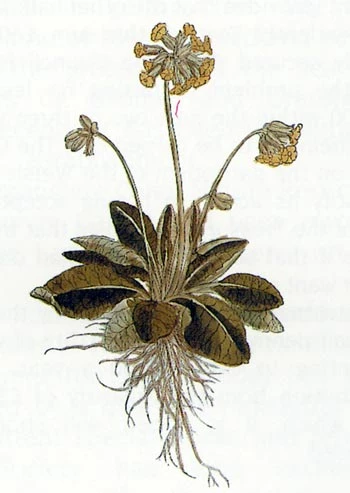
Early herbals - The German fathers of botany John R. Kenyon, 4 July 2007 Amgueddfa Cymru has a number of pre-1701 books in the Museum's Library, including two incunables (books printed before 1501) of Pliny's writings on natural history from 1481 and 1487. The cowsip as depicted in Fuchs's De Historia Stirpium Part of an early German herbal annotated in Welsh and English, once in the possession of Morris Owen. There are also a number of 16th- and 17th-century 'herbals' in the collection. Among these are examples of the works of three men who have been described as the 'German fathers of botany', namely Hieronymous Bock (1498-1554), Otto Brunfels (1489-1534) and Leonhard Fuchs (1501-1566). Herbals Printed herbals give details of plants along with what illness each one could cure. What made the work of these three men stand out in particular is that many of the descriptions and illustrations of the flowers in their books were, on the whole, based on first-hand evidence in the field, and not copied from other writers. Hieronymous Bock (1498-1554) As Bock's herbal of 1539 was unillustrated, it forced him to provide detailed and accurate descriptions. The Museum holds a later, illustrated edition, from 1552. Although the opening pages are missing, the main body of the text is complete, along with fine hand-coloured illustrations. Most of the woodcuts simply show the plants themselves, but occasionally birds and man are shown, such as the rather crude depiction of the effects on eating a fig! Otto Brunfels (1489-1534) The work of Otto Brunfels in the Library is the second volume of Herbarum Vivae Eicones (1531). The title translates as 'living picture of plants' and the author was one of the first to turn to nature itself as the source of his illustrations for a book. Leonhard Fuchs (1501-1566) The Library holds two books compiled by Fuchs, namely De Historia Stirpium (1542) and Plantarum Effigies (1549). Although only some of the descriptions of the plants are by Fuchs, the majority being taken from other books, it is the quality of the illustrations that makes this herbal one of the great books of the 16th century. The Plantarum Effigies is a pocket-sized version of the 1542 volume to be used in the field; it has very little text, apart from an index to the plants depicted, and with each woodcut the name of the plant is given in three or more languages, usually five (Greek, Latin, French, Italian and German). Other great herbals of the same period are housed in the Library of Amgueddfa Cymru, notably the works of Rembert Dodoens (1516-1585) and John Gerard (1545-1612). Rembert Dodoens (1516-1585) Dodoens' herbal was published in Flemish in 1554. The Museum holds the first English edition of 1578 translated by Henry Lyte, including new material which Dodoens himself had sent to Lyte for incorporation in the new edition. John Gerard (1545-1612) One of the most famous herbals written in English is Gerard's The Herball (1597). Head gardener to many properties in and around the London area, Gerard was also responsible for the gardens of William Cecil, Lord Burghley, Elizabeth l's Secretary of State and Lord Treasurer, and it was to Cecil that Gerard dedicated his great work. The Library has a copy of the 1633 edition, along with the original work itself. Other herbals in the collection include an incomplete German example dating to the first half of the 16th century. It was once in the possession of a Morris Owen of Caernarfonshire who added in ink, around 1767, the names of the various plants in Welsh; the English equivalents are also given in most cases. This book, and the other herbals, remain of great interest to this day, and are examined in particular by those who study the history of botany and pharmacy, as well as by students of the history of the printed book.