Art

Fine fresco wall painting removed for conservation

30 March 2007

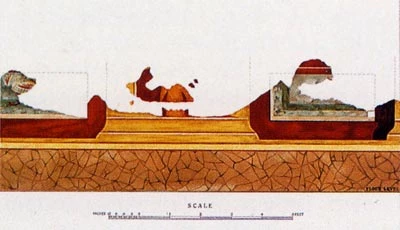
Watercolour by F.G. Newton, 1905

Watercolour by F.G. Newton, 1905

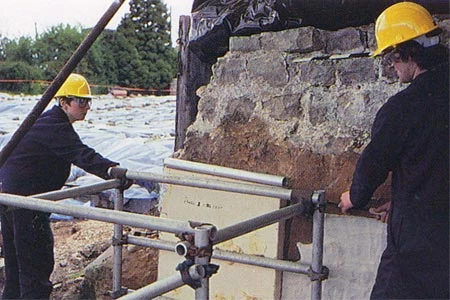
Removing one of the panels

Removing one of the panels

In 1988, archaeological excavations of the council chamber in the basilica (assembly hall) of the Roman town at Caerwent revealed a fine wall painting that has since been removed for conservation and display.

The painted plaster or fresco, 5m long and 1m high, was still attached to the south wall of the chamber. It had been previously recorded in watercolour by F. G. Newton in 1905, and had been covered over again.

The fresco shows an architectural perspective, with yellow pillars above a brown veined pink dado. A dark brown area in the central pillar may be part of a decorated panel, possibly containing the torso of a man.

It was decided to remove the fresco to prevent further deterioration as the plaster was extremely fragile.

After carefully covering the delicate artwork with muslin and glue, the painting was cut into five panels. Each enclosed in specially-designed boxes.

A variety of saws and chisels were used to separate the painted plaster from the wall. Since access to the back of each panel was restricted to its top edge and one side, this process was difficult, needing extreme patience and ingenuity.

It took a total of nine days to remove the painting, with the subsequent conservation and rebacking taking several years, the fresco is now conserved and stored at the National Museum, Cardiff.

Background Reading:

Caerwent Roman Town by R.J. Brewer. Published by Cadw (2006).

Faces of Wales Gallery

28 March 2007

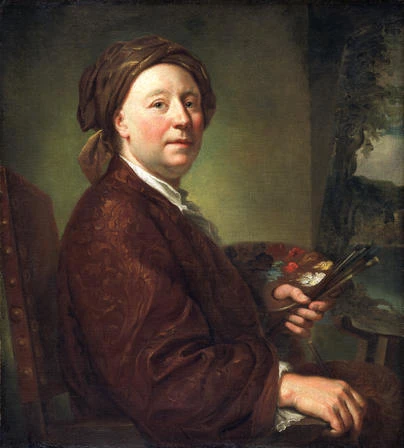
Richard Wilson

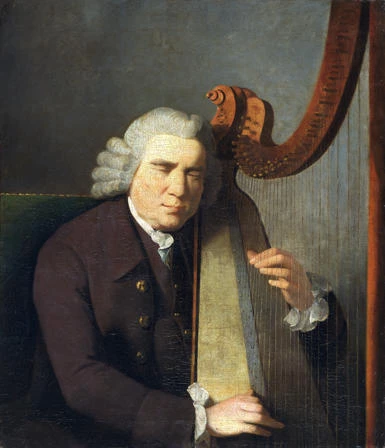
Enjoy a journey through five hundred years of Welsh history. This gallery introduces you to the most fascinating ‘faces of Wales’, including faces from the world of politics, the theatre, sports and literature — all men and women who in their time changed the face of Wales. Click on the thumbnails below to discover an astonishing range of artists, some as world-famous as Augustus John and Hogarth, others who will be a revelation to you.

The Faces of Wales

26 March 2007

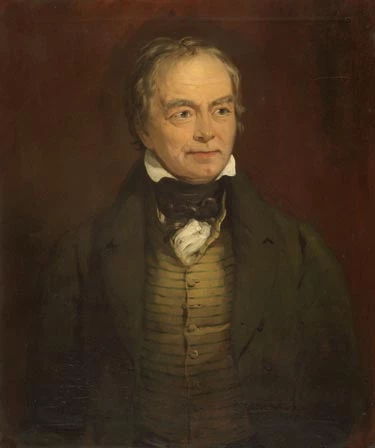
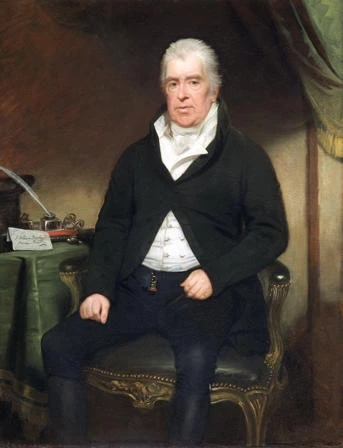
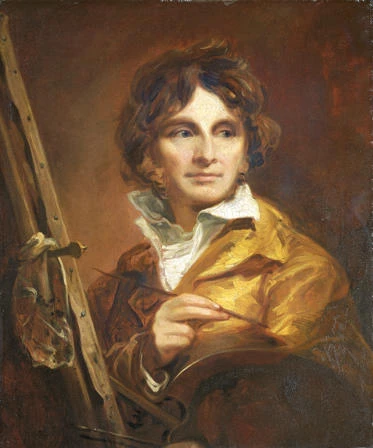
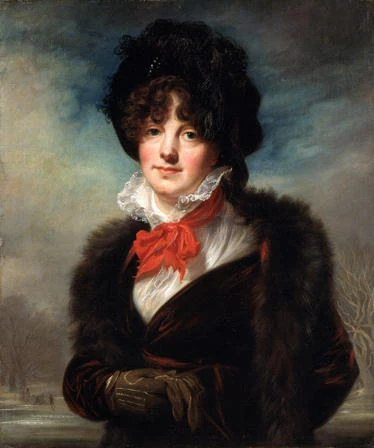
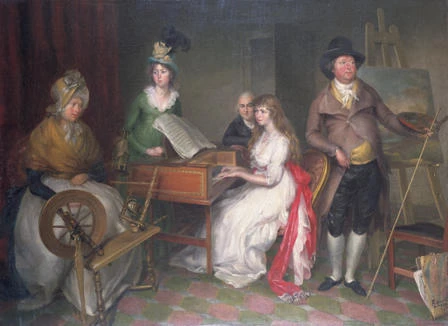
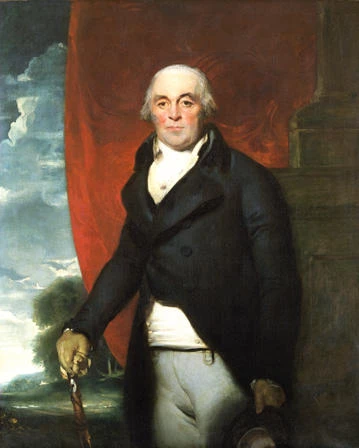
The portrait collection at Amgueddfa Cymru illustrates a variety of diverse faces that have contributed over the centuries to the cultural, political and economic life of Wales. Many of the sitters are established Welsh figures, while others have strong Welsh associations. Some are internationally famous people whose Welsh ancestry is little known.

Early portrait painting

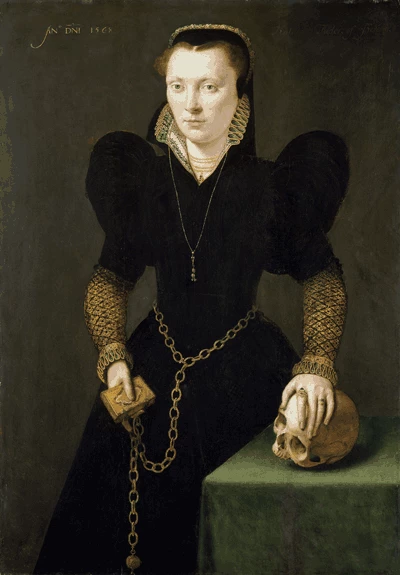
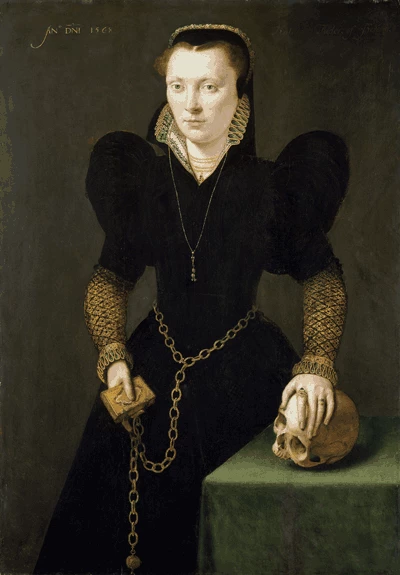
Katheryn of Berain, 'The Mother of Wales' (1534-1591)

Adriaen van Cronenburgh (c.1520/25-c.1604)
Katheryn of Berain, 'The Mother of Wales' (1534-1591)
1568 - oil on panel

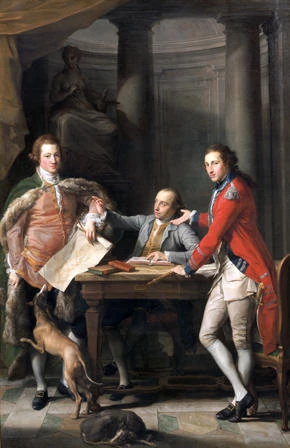
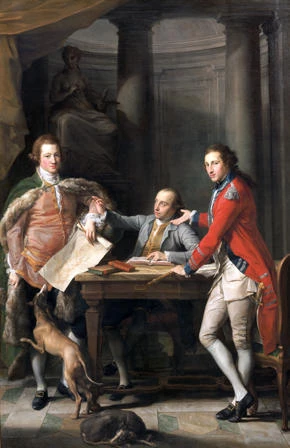
Sir Watkin Williams Wynn (1749-1789), Thomas Apperley and Captain Edward Hamilton

Pompeo Batoni (1708-1787)
Sir Watkin Williams Wynn (1749-1789), Thomas Apperley (1734-1819) and Captain Edward Hamilton

1768-72 - oil on canvas

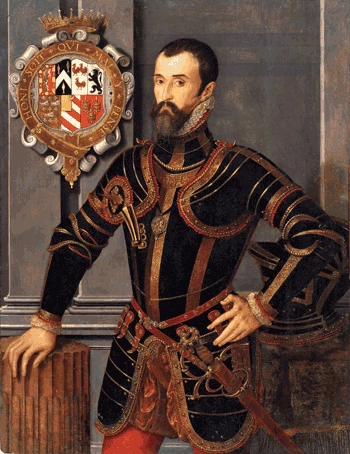
Up until the 18th century, it was only the country's powerful landowners and merchants who could afford to have portraits painted. Wales, unlike Scotland or Ireland, had no large towns or a capital city before the mid-18th century, so the Welsh elite often had their portraits painted abroad or in London. For example, the earliest portraits represented in the Museum's collection are the 1st Earl of Pembroke (painted in 1565) and Katheryn of Berain (painted in 1568), both of which were painted abroad.

In the 18th century, some of the major landowning families, such as Williams Wynn and Pennant, regularly used successful English portrait painters in London. Therefore, no native Welsh portrait school developed during this period, as it did in Scotland. Although the great Welsh 18th century artist Richard Wilson began his career as a portrait painter, he later turned to landscape, which he found more profitable, as did his pupil, Thomas Jones.

The Industrial Revolution

By the end of the 18th century, the Industrial Revolution in Wales allowed a new group of wealthy industrialists such as Thomas Williams, the 'King of Copper', to have their likenesses painted by leading London artists.

The increasing distribution of wealth among the middle classes in Wales in the 19th century meant that more people could now have their faces recorded for posterity.

Photography transformed the nature of portraiture in Wales. Painted portraits continued however, with the production of some iconic images such as Augustus John's famous portrait of the poet Dylan Thomas. The rich industrial history of Wales also inspired some heroic representations of workers, as well as of the mine owners themselves. For example, Evan Walters' A Welsh Collier of 1936, in which the sitter has only recently been identified.

The earliest bronze sculpture in Britain

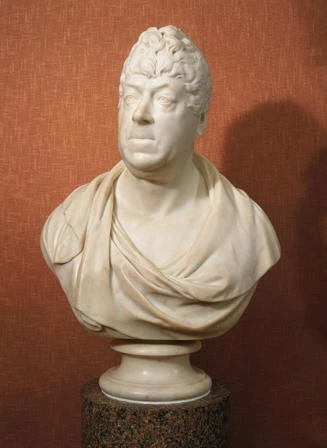
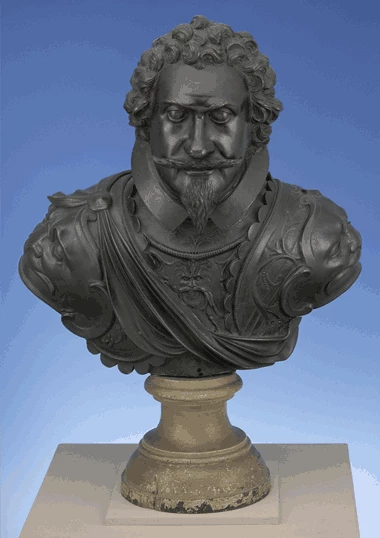
Portrait sculpture has always been popular in Wales. Examples range from Le Sueur's bronze bust of Lord Herbert, commissioned during the reign of Charles I and one of the earliest bronze busts in Britain, to Peter Lambda's bust of Aneurin Bevan in 1945.

The Welsh sculptor Sir William Goscombe John, who died in 1952, was a key cultural figure in Wales, playing a major role in the formation of the Welsh national collection of art. Born in Cardiff, he was an invaluable member of the Museum's Council, regularly making generous donations. He produced public statues, memorials and portrait busts, including one of Wales's most important politicians of the 20th century, David, 1st Earl Lloyd George.

The portraits here are from the Museum's collection; further examples and an archive of Welsh portraiture can be seen at the National Library of Wales in Aberystwyth, which has collected portraiture since its foundation, and in the National Portrait Gallery, London.

Tom Mathias Photographs

21 March 2007

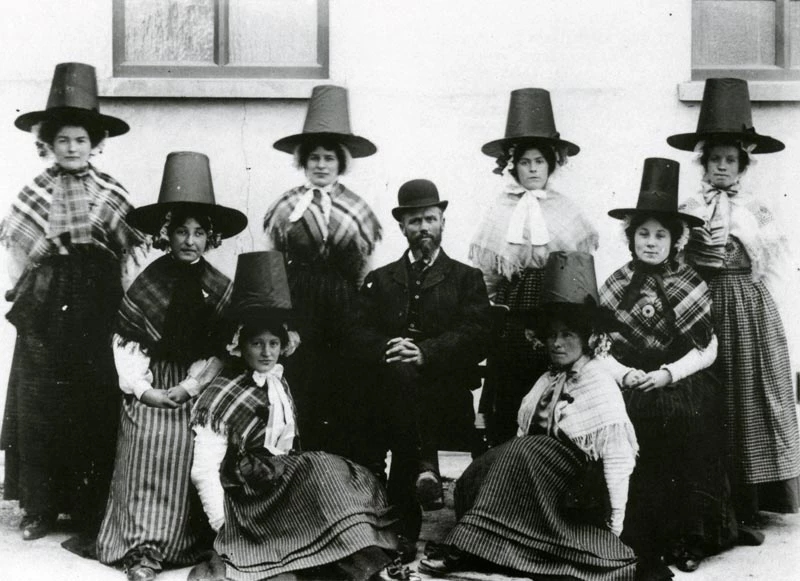
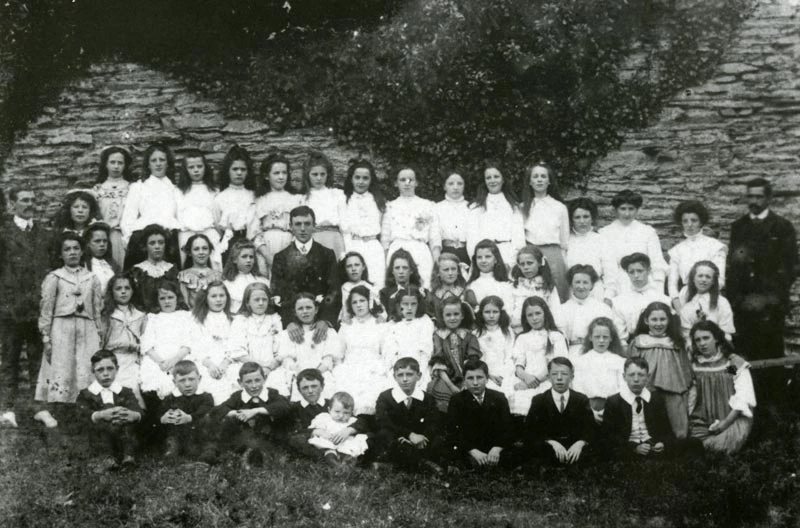
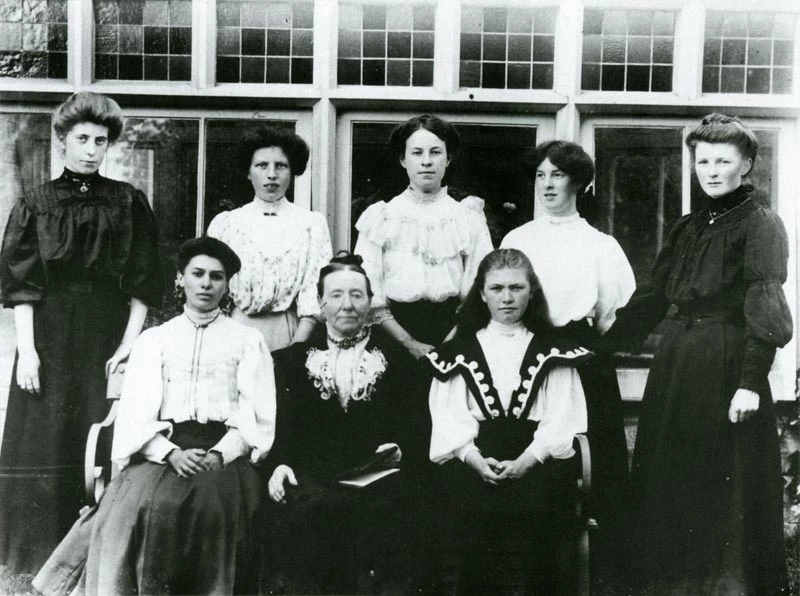
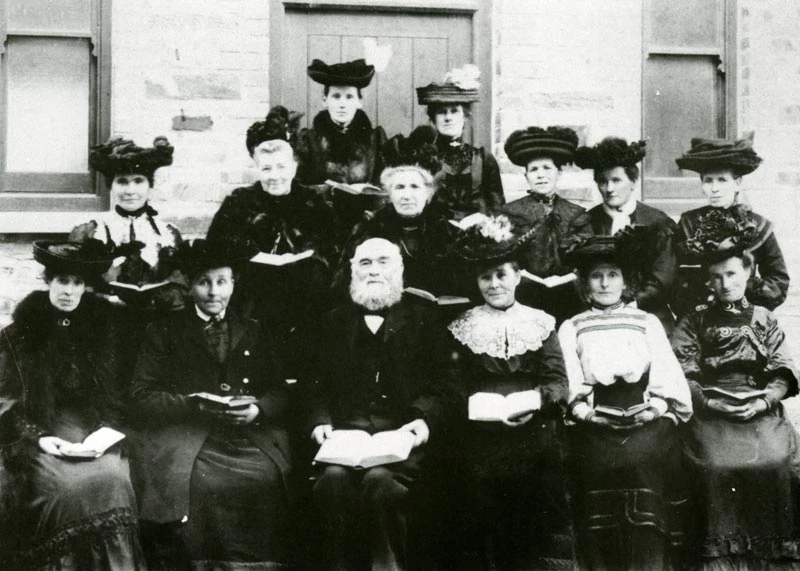
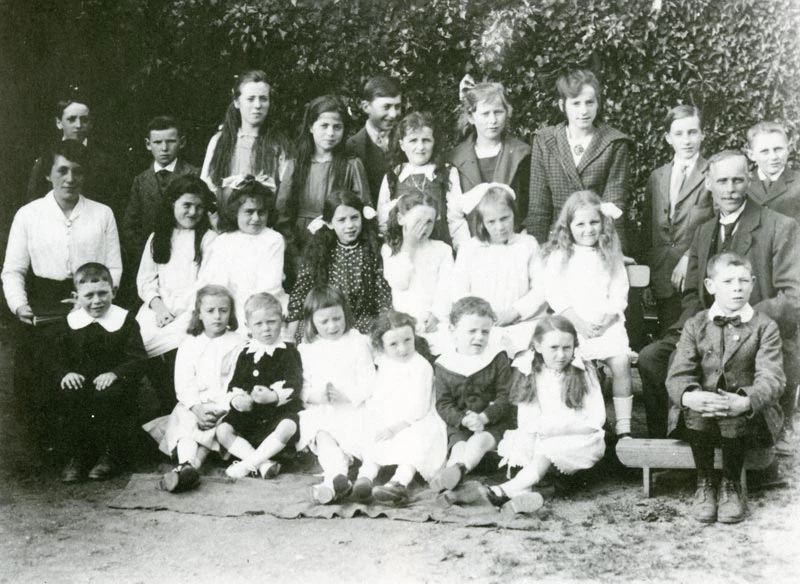
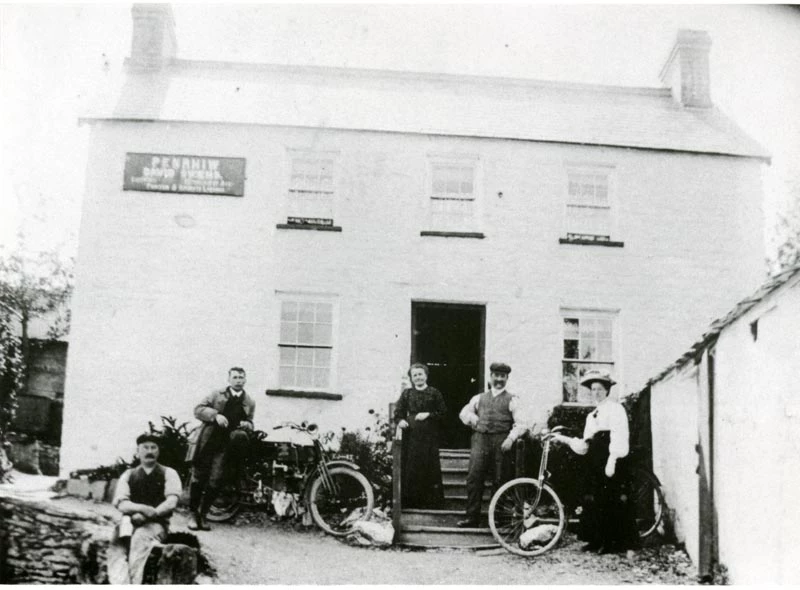
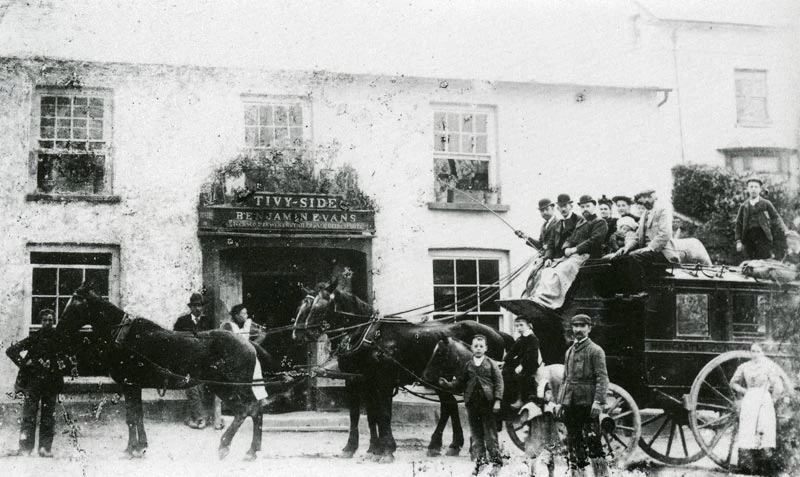
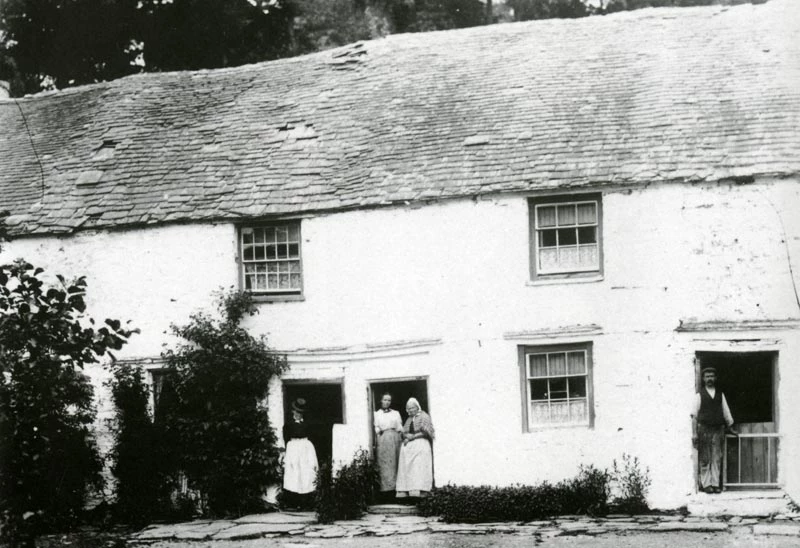
This remarkable collection of photographs represents the work of two exceptionally gifted photographers from different eras and very different backgrounds.

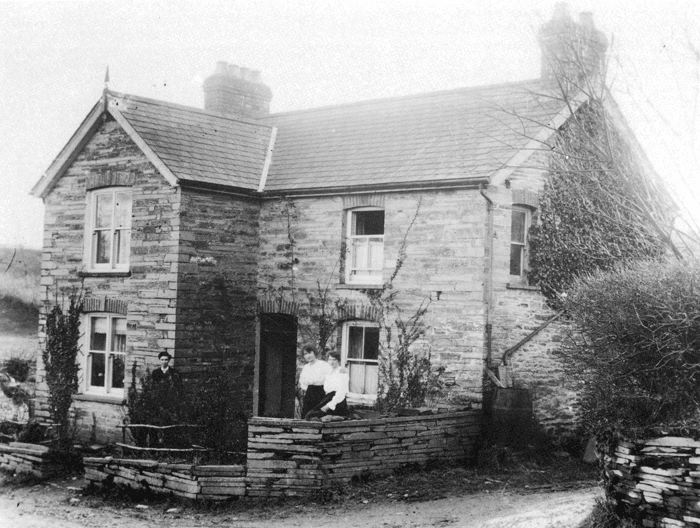
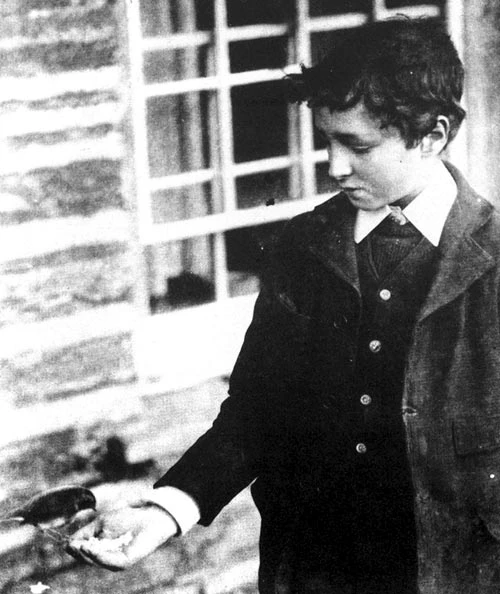
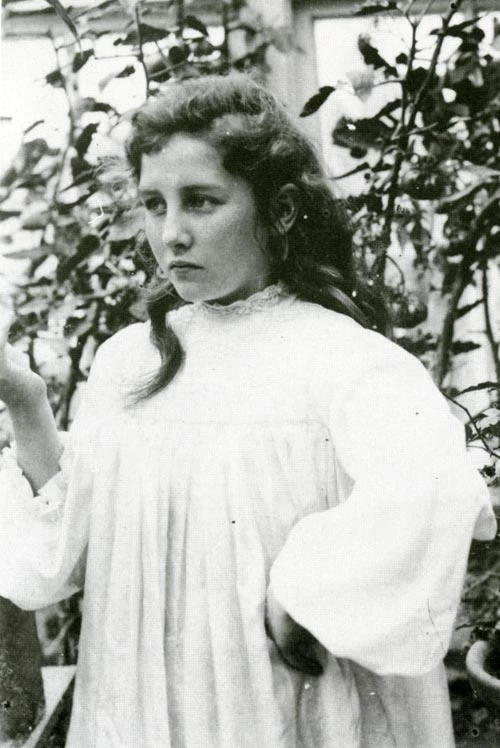
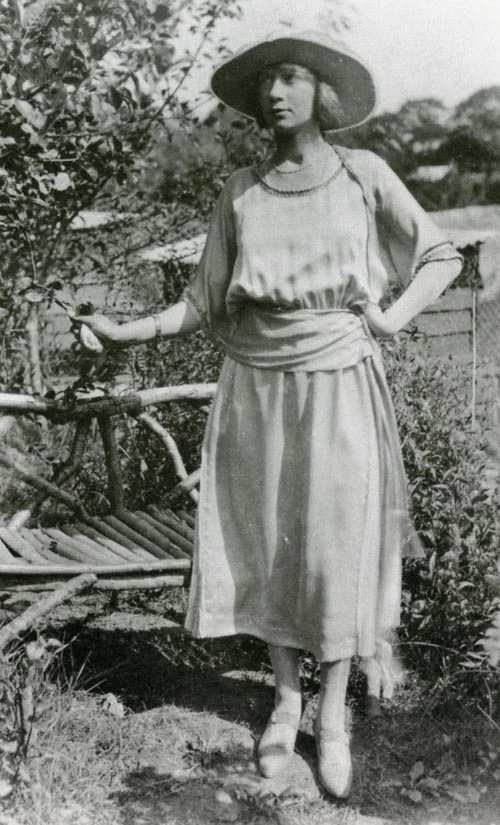
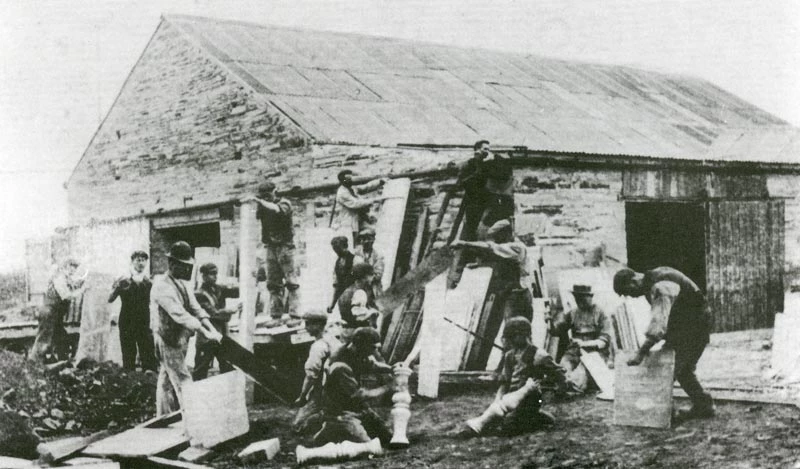
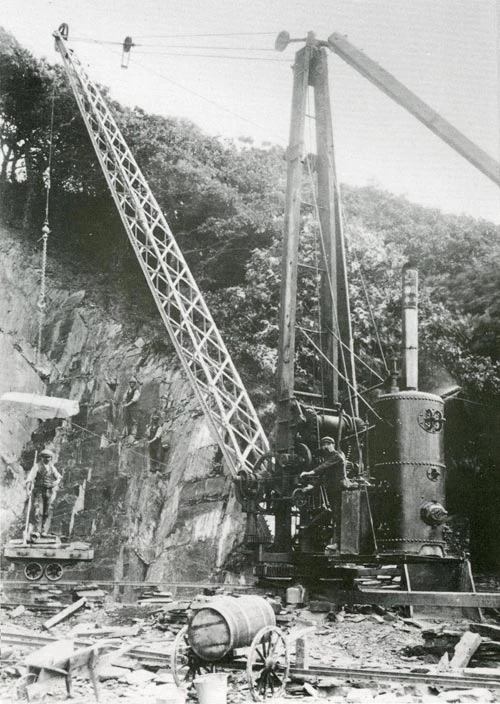
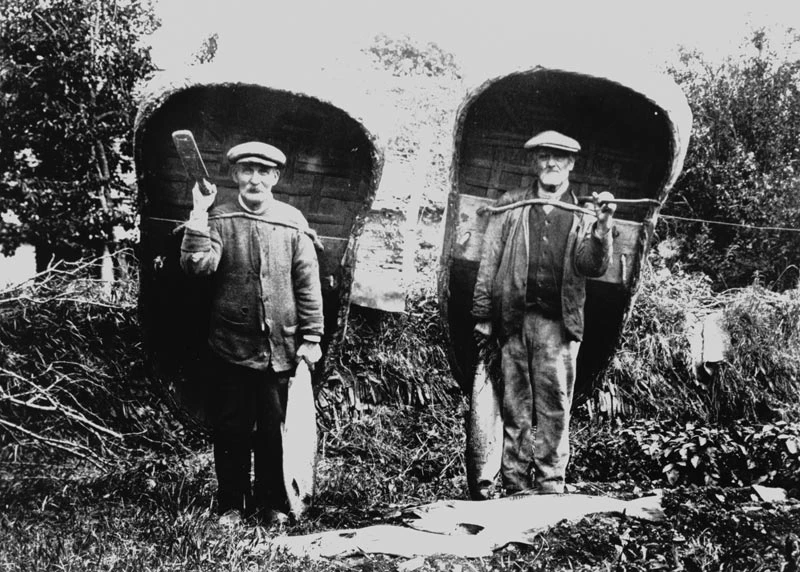
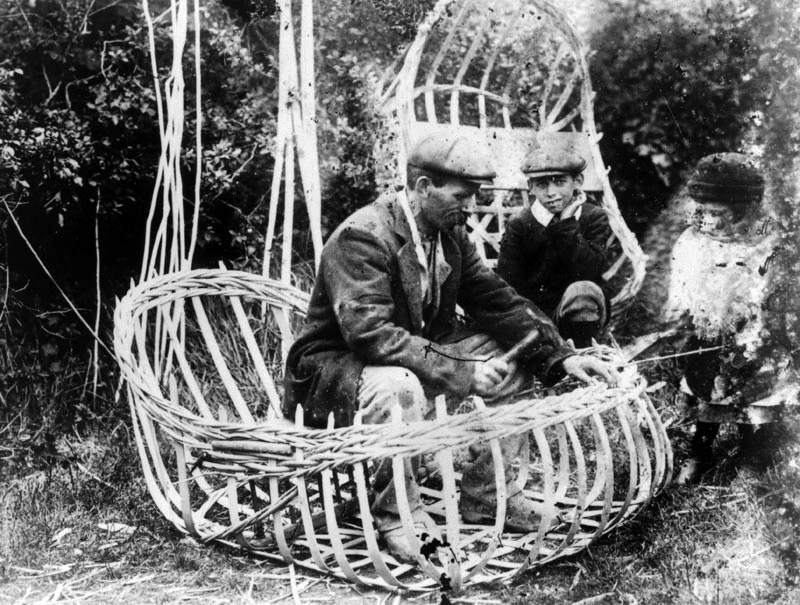
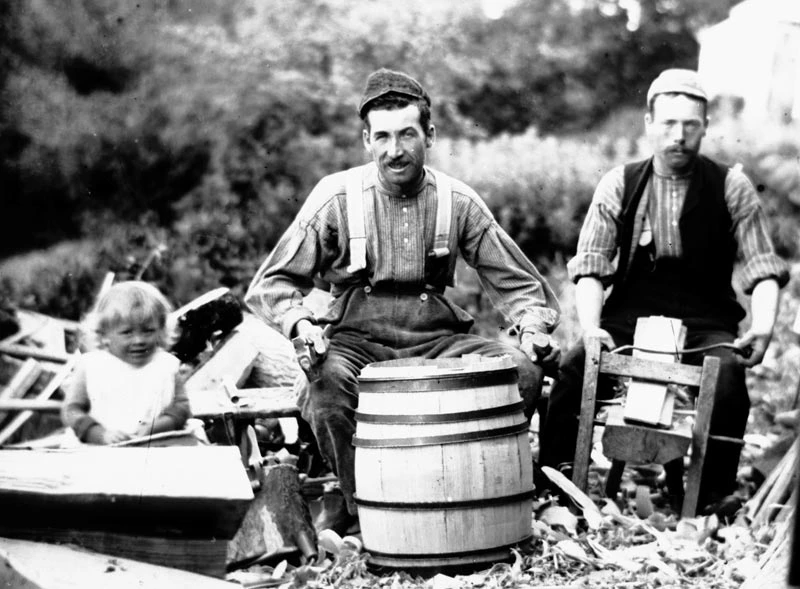
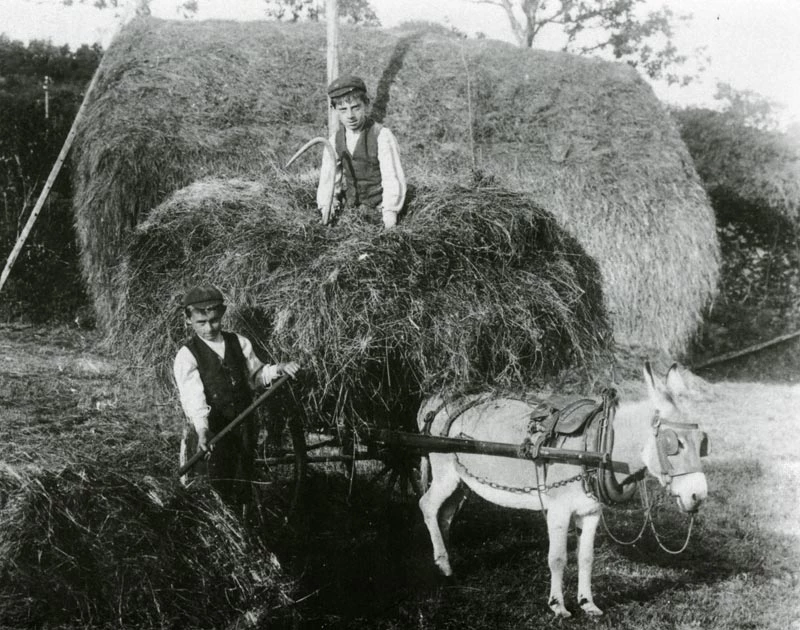
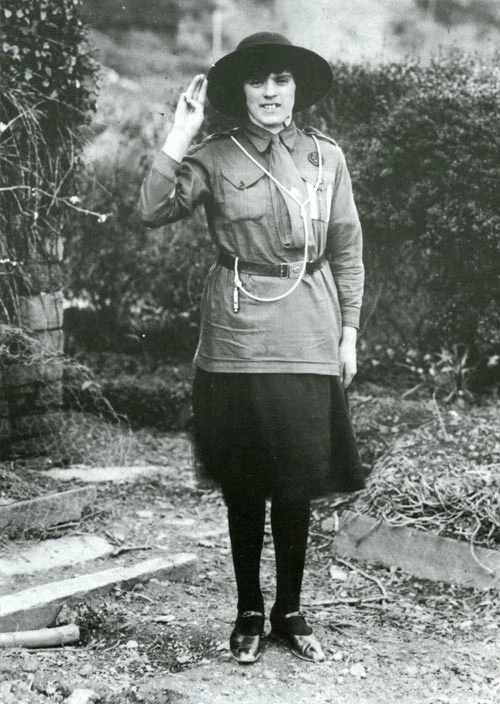
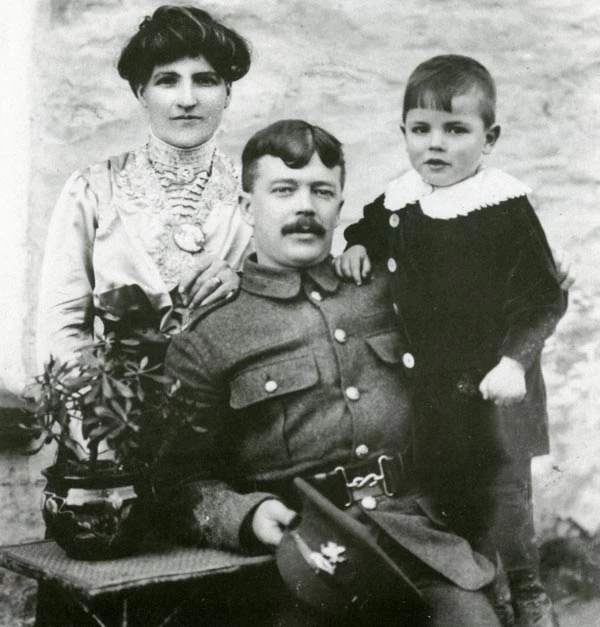
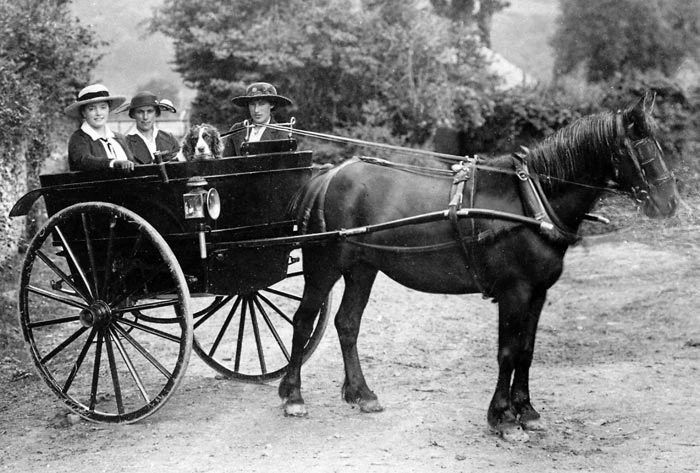
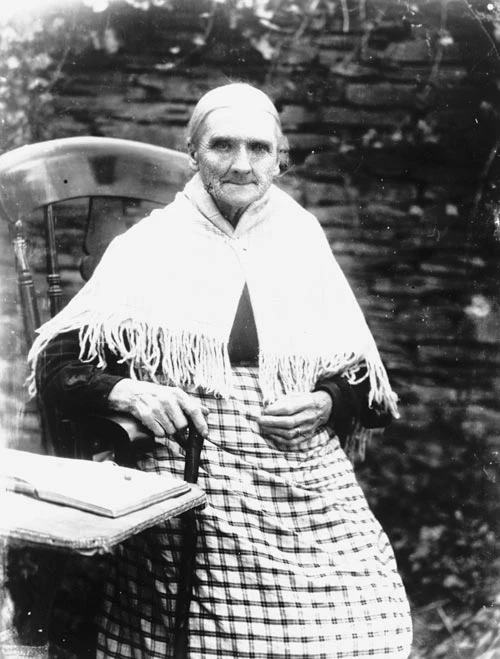
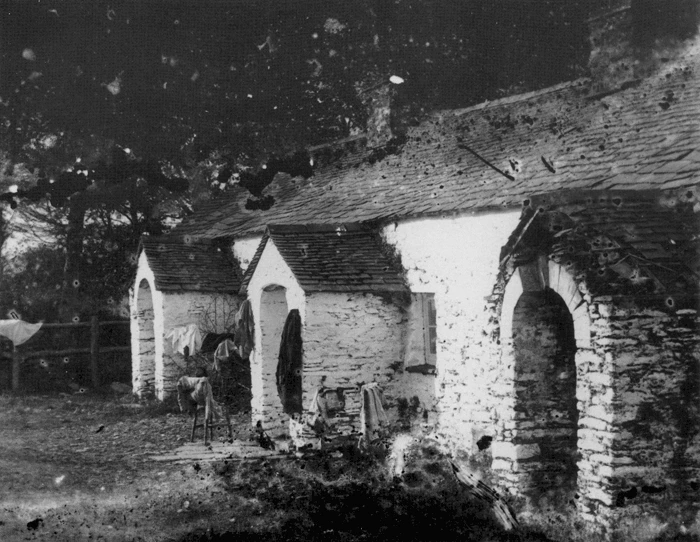
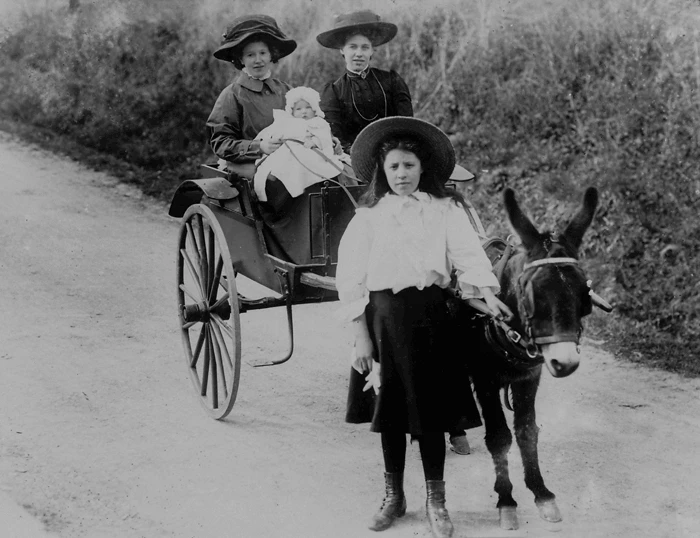
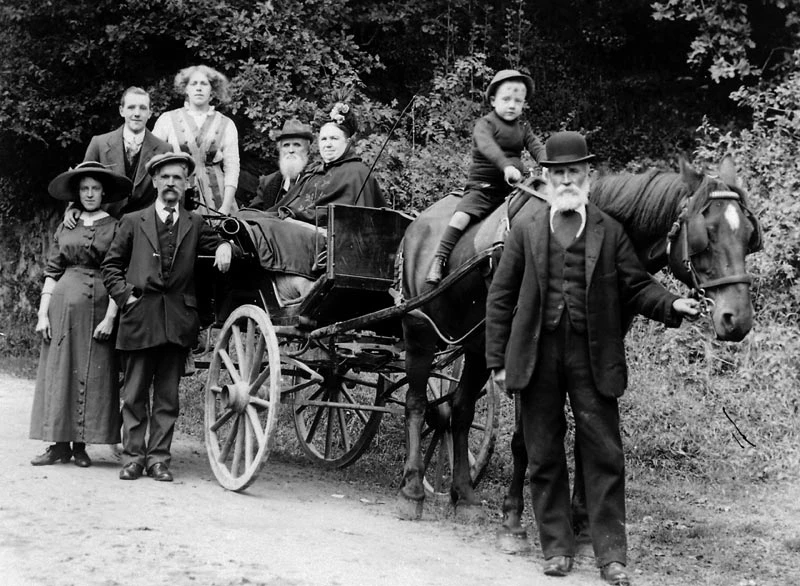
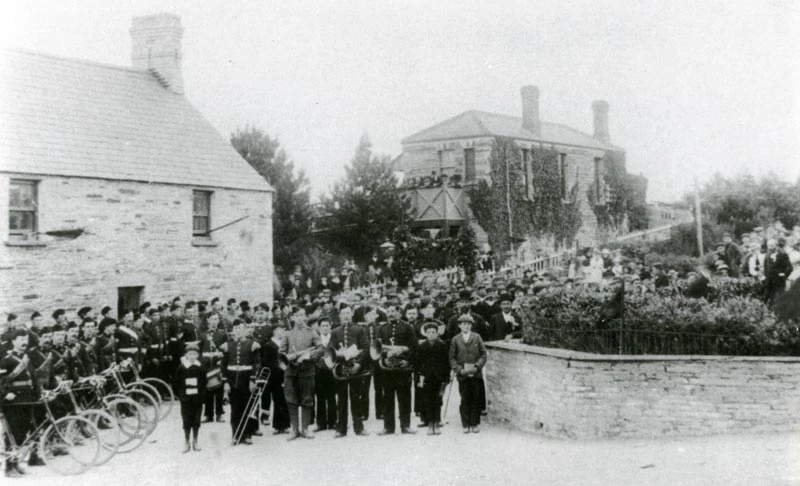
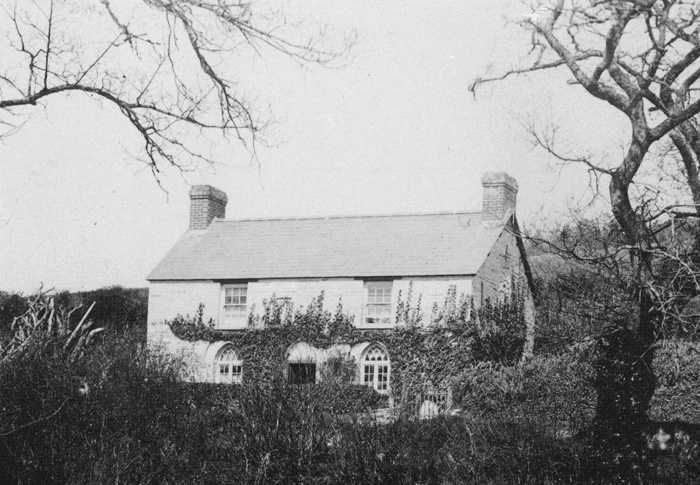
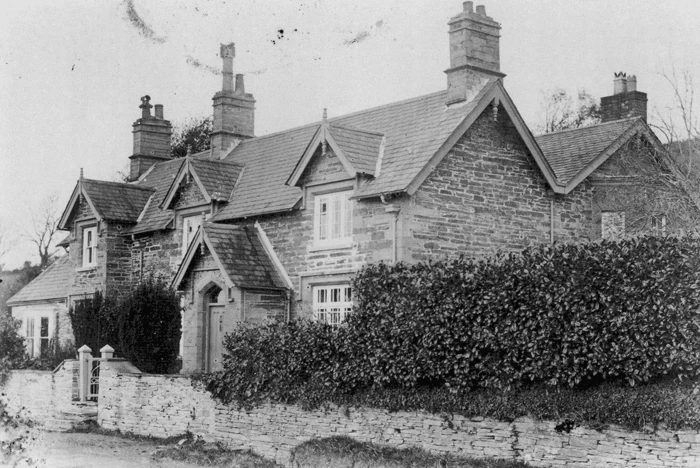
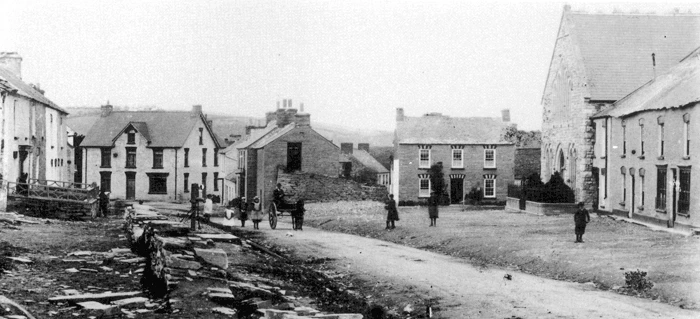
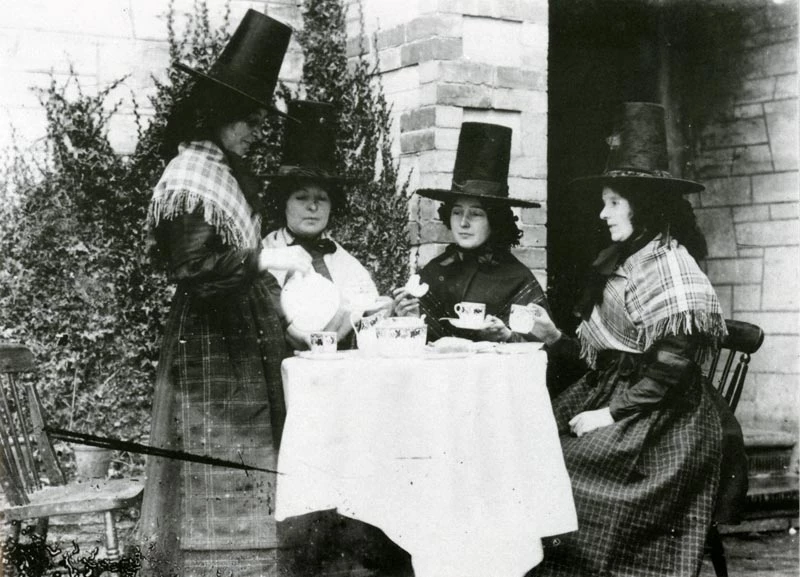
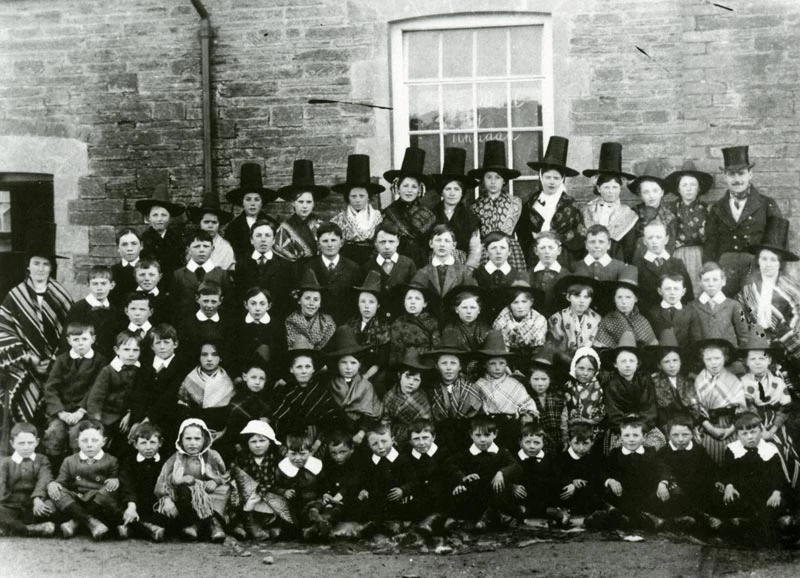
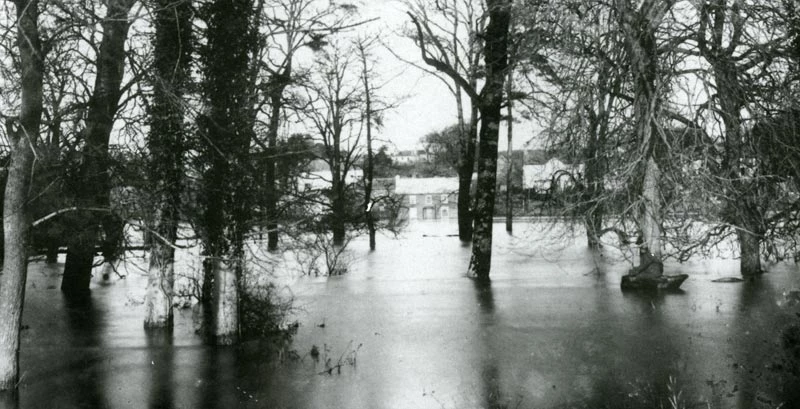
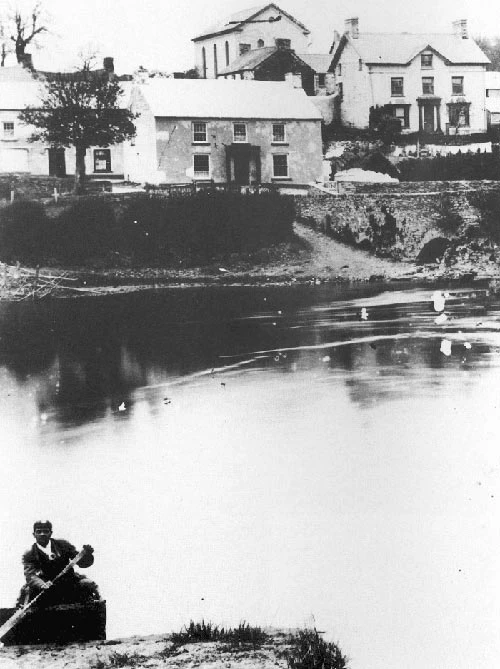
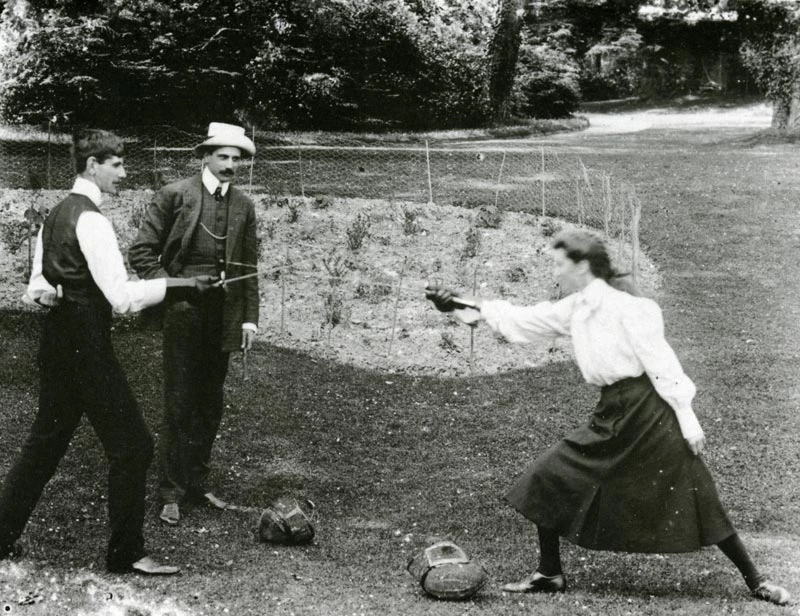
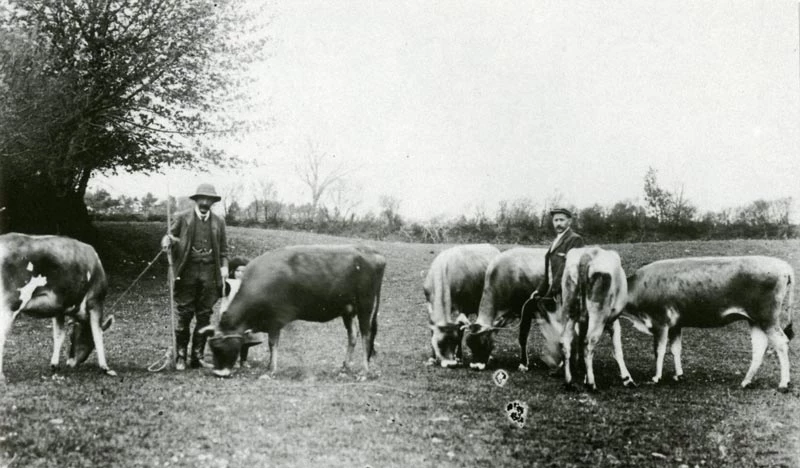
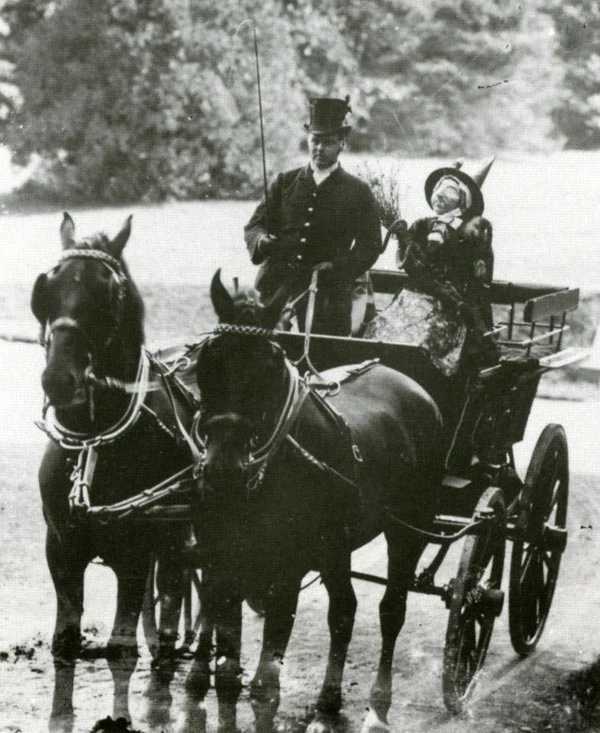
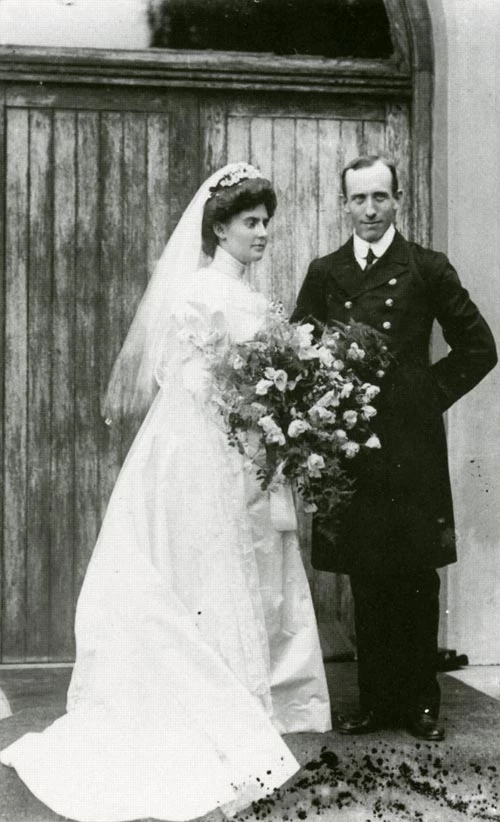
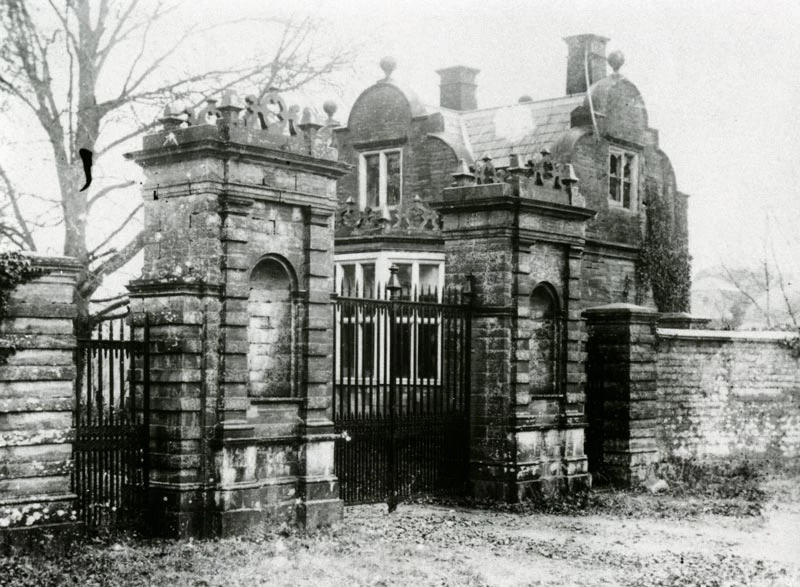
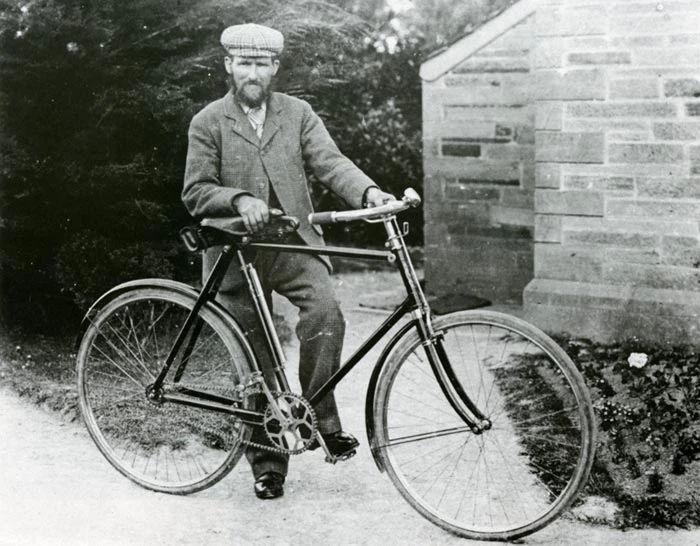
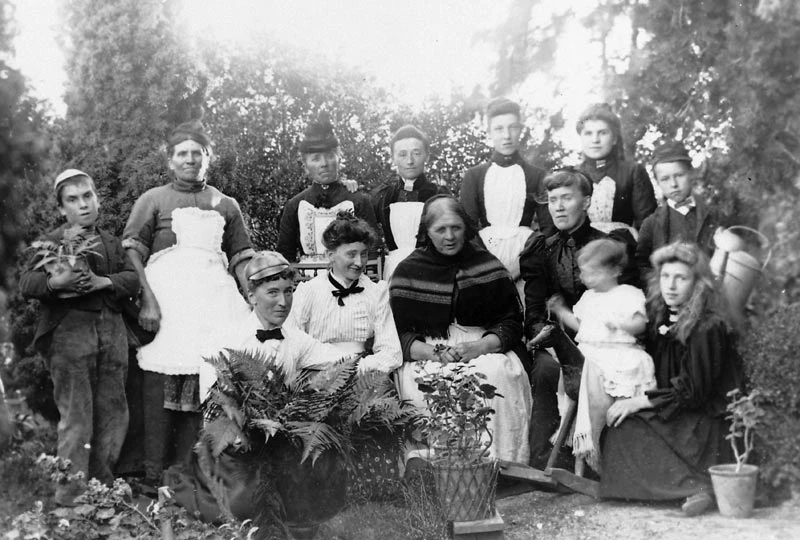
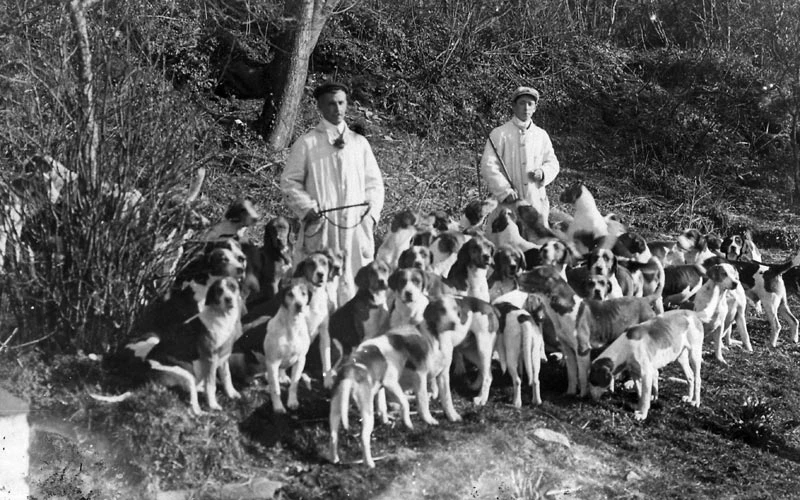
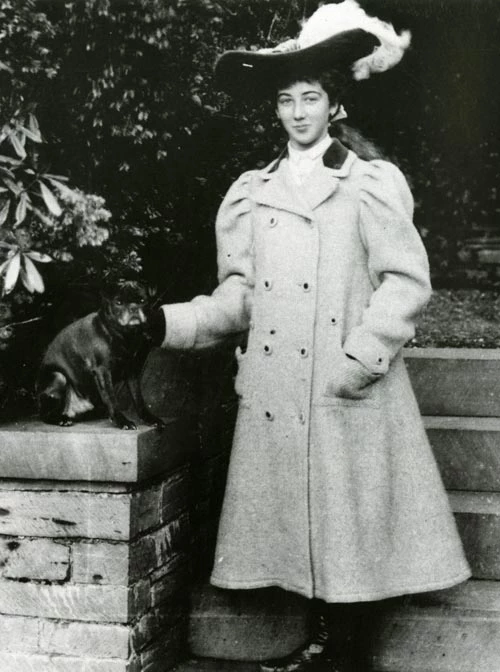
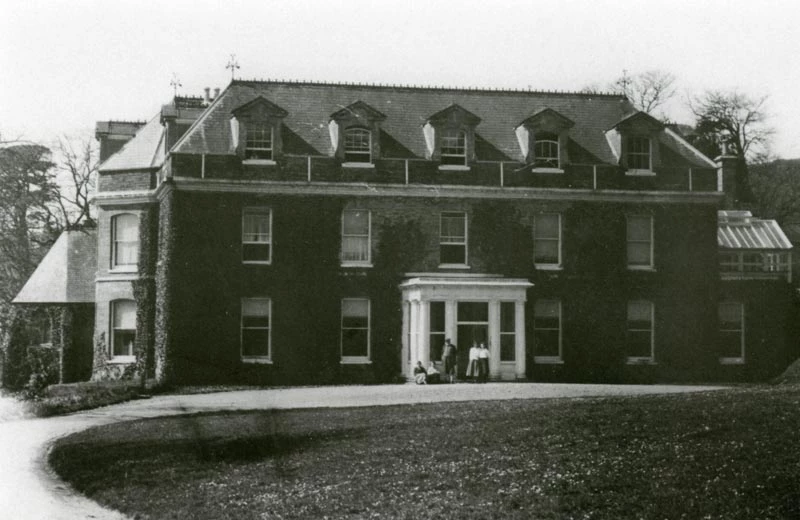
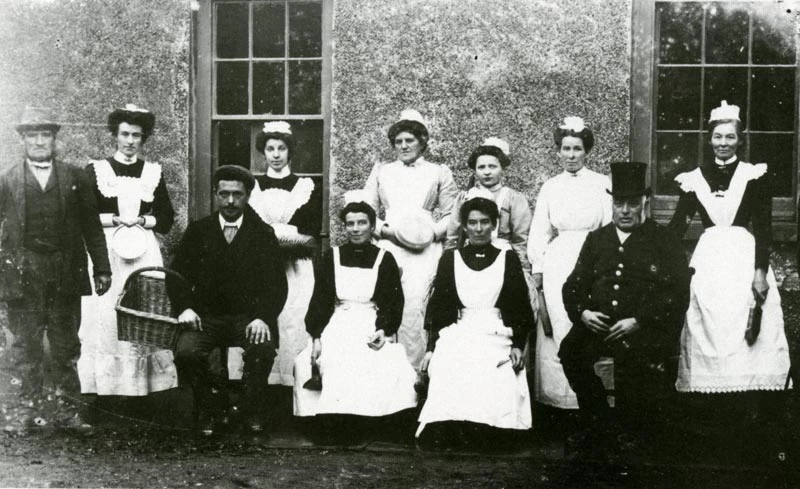
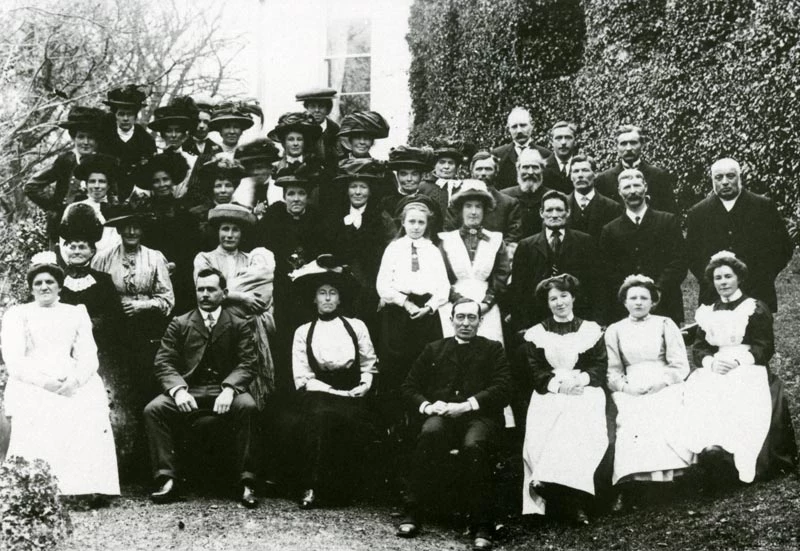
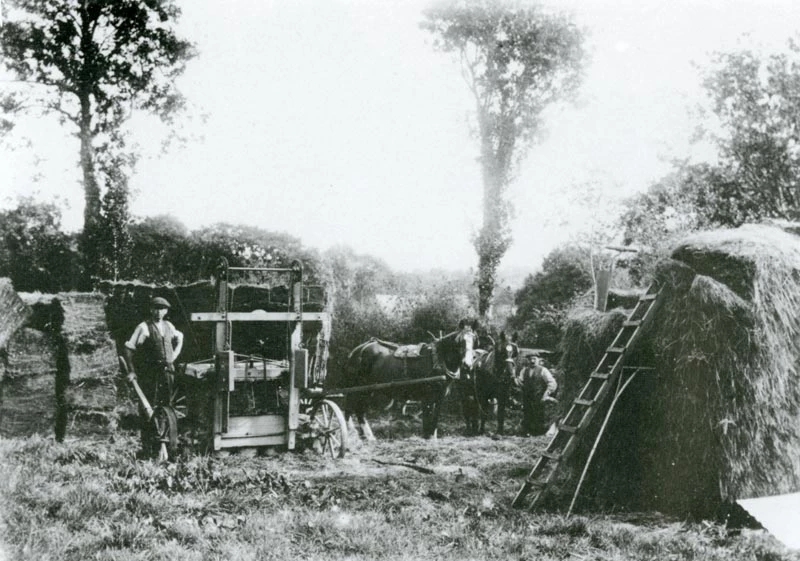
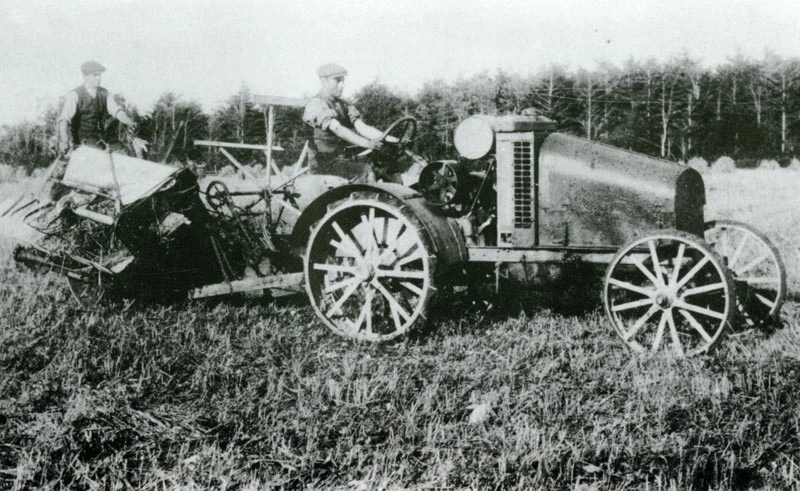
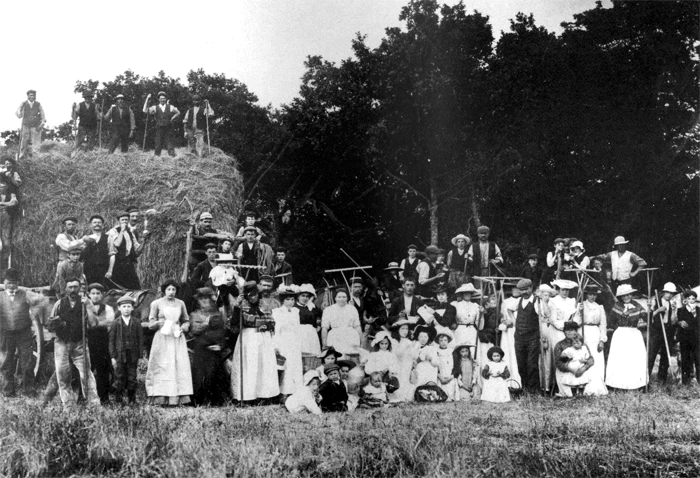
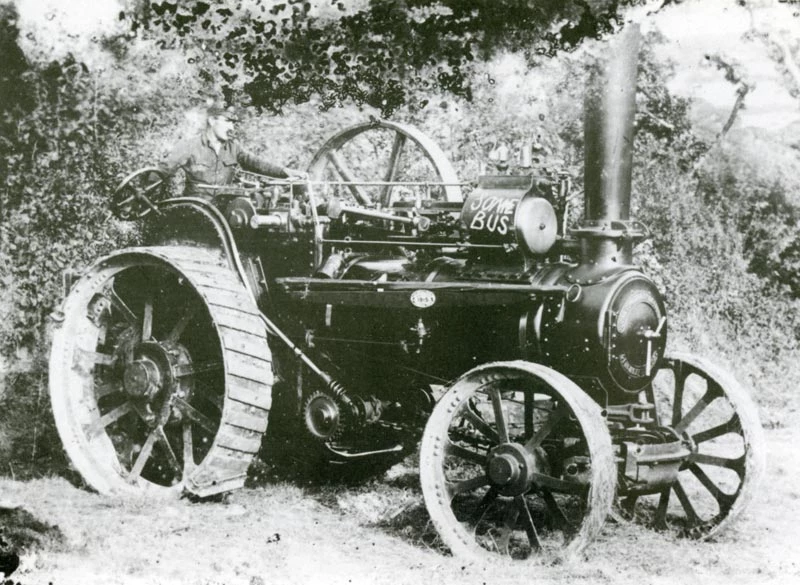
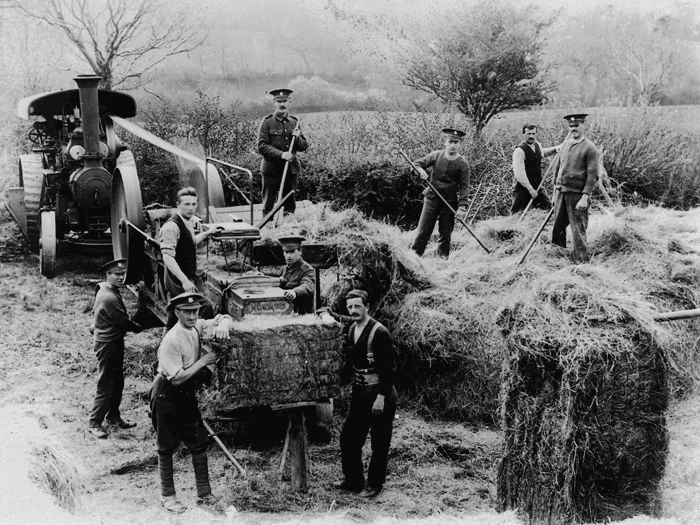
The original photographs were taken by Tom Mathias, a self-taught photographer, at the turn of the 20th Century. Using simple equipment, Tom Mathias recorded the daily life around the Cilgerran district of Dyfed, west Wales.

Following Mathias's death in 1940 all his negatives were dumped in an outhouse, where they lay, forgotten, for more than thirty years.

James Maxwell (Maxi) Davis, a professional photographer living in the area, discovered them in the 1970s. The glass negatives were in a very poor condition. Many were broken and damaged beyond repair. Most of the reminder were very badly degraded, meaning a slow and painstaking process to print what images could be saved. Enough had survived however for Maxi to appreciate the importance of what he had found and set about the task of conserving and restoring the photographs.

It is thanks to these efforts that Tom Mathias's remarkable photographs have been saved for posterity.

Click on the thumbnails below for more infomration.

A portrait of a Welsh Squire and his children, by Johann Zoffany, distinguished painter to George III

22 February 2007

There are many portraits of well-known Welsh figures in the art collections of Angueddfa Cymru. However, the Museum also collects portraits of lesser-known people as they can be important works of art in their own right. The study of these portraits often sheds new light on when and how their subjects lived and adds to our understanding of art in the past.
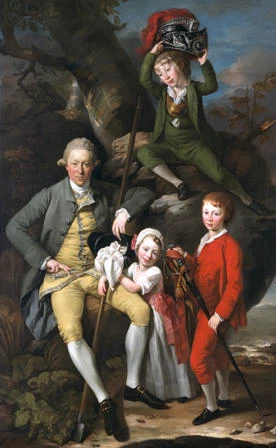
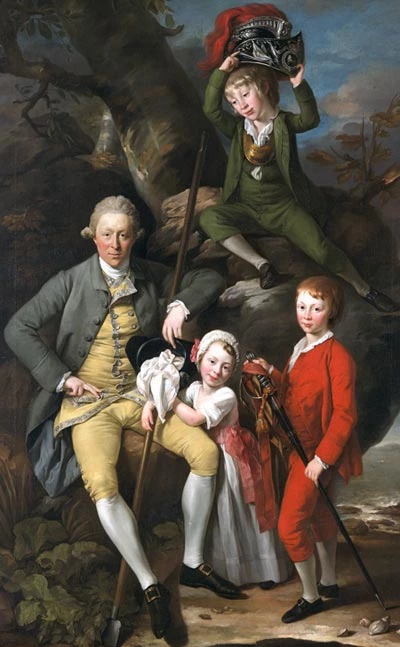
During the past 20 years several distinguished 18th and early 19th century portraits have been acquired by the Museum, including Henry Knight of Tythegston with his three children, painted by Johann Zoffany (1733-1810) in about 1770.

Henry Knight of Tythegston with his three children by Johann Zoffany

Henry Knight of Tythegston (1738-1772) with his Children

Johann Zoffany (1733-1810)
Henry Knight of Tythegston (1738-1772) with his Children.
c.1770 - oil on canvas

The portrait shows the Glamorganshire squire Henry Knight (1738-1772) with his three children Henry, Robert and Ethelreda. Henry was a soldier in the 15th Light Dragoons, and his older son is shown trying on a helmet of that regiment. Henry Knight's father, Robert Knight (1711-1765), inherited the Tythegston estate of the Lougher family through his mother in 1732. Henry divorced from his wife in 1771, then a difficult and expensive process requiring a private Act of Parliament. The painting might have been commissioned to represent Henry Knight's decision to leave the military in order to care for his children. In the picture, he is dressed in civilian clothes, but he holds an infantry officer's spontoon, thrust blade-first into the ground. His sons hold his sword, gorget and helmet. The picture's seaside setting is probably a reference to Tythegston, a couple of miles from the coast, between Bridgend and Porthcawl. The tree motif, frequently used in Zoffany's family groups, allows all the figures to be given equal importance. Showing the boys playing with arms and armour belongs to a tradition that can be traced back to the Renaissance.

Johann Zoffany

This is one of Zoffany's largest family portraits (measuring 240 cm x 149 cm), and is a surprisingly ambitious commission for a Welsh squire of modest means. Zoffany, one of the most distinguished British painters of the reign of George III, was famous for his informal styles. One of his best-known pictures, Sir Lawrence Dundas with his grandson, shows the 17th century Dutch masterpiece The Calm by Jan van de Cappelle, also in the Museum's collections.

Born near Frankfurt and trained in Rome, Zoffany moved to London in 1760. Lord Bute, George III's first prime minister, probably introduced him to the Royal Family, where he became the favourite painter of Queen Charlotte. The King nominated him a member of the Royal Academy in 1769. The appeal of Zofanny's work lies in his ability to catch a likeness and his astonishing attention to detail. His perspective, however, can be faulty, and here the helmet held by the older son is clearly too large.

Purchasing the portrait for the Museum

The picture is in a remarkably good state of preservation. X-ray examination reveals that the artist reworked the head of Robert Knight (the younger son dressed in red), but there are only a few other minor changes to the design, and most of the composition was laid on quite thinly. The picture was loaned to the Museum from 1940 until 1958. When it was offered for sale at Sotheby's in 1999 its acquisition by the Museum was a priority. The purchase was made possible by generous donations from the bequest of June Tiley, the Heritage Lottery Fund and the National Art Collections Fund.