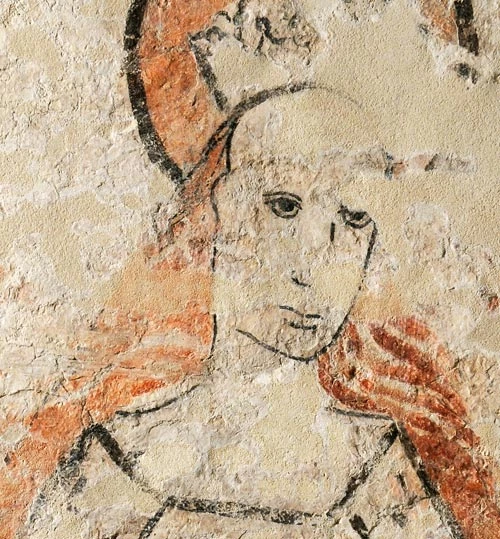
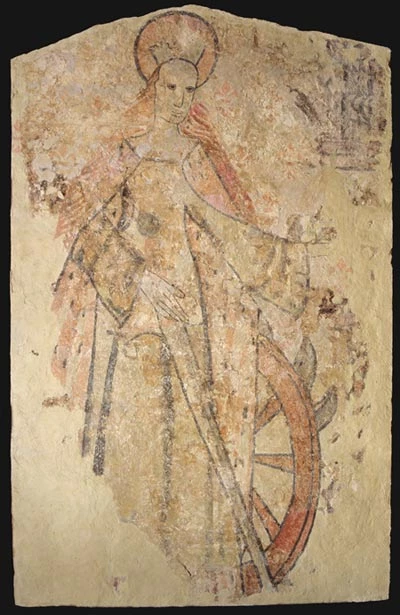
Catherine of the Wheel 1 November 2007 What do a firework and a painting from a medieval church have in common? Medieval wall painting of St Catherine, from St Teilos church, dating to around 1400. In 1998 St Fagans National History Museum began the challenging work of rebuilding and refurbishing a stone-built medieval church that had been moved from its original site in west Wales in 1984 — one of the first projects of its kind to be attempted in Europe. During the dismantling process, a number of extremely rare wall paintings were uncovered from beneath the limewashed walls. St Catherine One of the oldest paintings uncovered at the church dates from around 1400-1430 and represents St Catherine of Alexandria. It had remained hidden for centuries under layers of limewash, which had to be removed using doctors' scalpels. Once the complete image had been painstakingly uncovered and the many thin layers of limewash delicately removed, St Catherine was revealed dressed in late fourteenth/early fifteenth-century costume, standing next to a spiked wheel and holding a sword. Torture wheel and sword Close up showing detail of St Catherine's face after conservation and cleaning by Jane Rutherfoord & Associates Ltd of Milton Lilbourne, Wilts. The work involved removing the backing that had been applied during initial conservation work in 1986, and replacing it with a modern high-tec solution based on hexlite - a lightweight aluminium hollow board used in aircraft manufacture. The surface was then cleaned to reveal the original paintwork. The spiked wheel she is pictured next to is the instrument of torture that Catherine was condemned to death on by the Roman Emperor Maxentius [306-312] for her strong Christian beliefs. According to legend, the wheel itself broke when she touched it, so she was beheaded with the sword she is seen holding. The torturous wheel that St Catherine is associated with gave rise to the name 'Catherine wheel' for the popular firework. The re-erected church can be seen at St Fagans National History Museum. The wall paintings have been faithfully and expertly reproduced to show how the church would have appeared in about 1530. The St Catherine painting is not represented in the re-erected building, as it would have been covered over by this time. The original wall painting of St Catherine is currently stored at the museum and can be viewed upon request in advance.
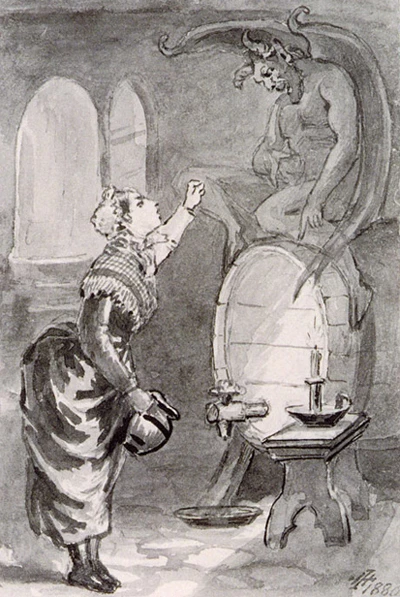
The unique prints and drawings of T. H. Thomas 20 September 2007 T.H.Thomas, 'Mrs Jones, the Devil and the supper beer' (1880), from 58, British Goblins; NMW A 11953, pen, ink and wash on paper. During his lifetime, Thomas Henry Thomas (1839—1915) created a unique catalogue of prints, drawings and watercolours detailing the major concerns of the 19th century. In 1915, the entire catalogue was bequeathed to Amgueddfa Cymru. Thomas Henry Thomas: the collector Thomas Henry Thomas, one of the founding fathers of Amgueddfa Cymru, was born in Pontypool in 1839. He studied at the Royal Academy and spent time in both France and Italy. On his return to London in 1864, he specialised in portraits, design and book illustration. He worked as an artist for The Daily Graphic, from which many illustrations still survive, ranging from work on the Severn tunnel at Portskewett to royal visits. Thomas in Wales Between 1866 and 1878, Thomas settled in Cardiff, where he was to remain for the rest of his life. He became involved with the Eisteddfod and the Gorsedd and joined the Royal Cambrian Academy. He was also a key member of the Cardiff Naturalist's Society, becoming president in 1888. His interest in geology led him to , new to science, in a large stone slab in the churchyard at Newton Nottage. The fossil was named Brontozoum thomasii in tribute. The collection Thomas's collection of over 1,000 prints, drawings and watercolours came to Amgueddfa Cymru following his death in 1915. The main collection comprises three boxes, each containing around seventy folders holding up to ten objects, grouped by subject types. Until recently, it had been assumed that this ordering system was the work of Thomas, but closer inspection of the handwriting revealed it to be that of Isaac Williams, the first Keeper of Art at the Museum. It is not known in what form these works first entered the Museum, although there is reference to a scrapbook which, has not as yet been discovered. As curating methods were rather different at that time, it seems likely that the scrapbook was broken up and its contents reassembled into the folders in which they appear today. Their contents are exceptionally wide-ranging, with topics including rural and industrial life, the natural world, archaeology, book illustration, folklore along with drawings of social and cultural life. Among the miscellaneous objects of the collection is a particularly intriguing object -a cigarette box filled with drawings by children from a school in Oxfordshire. These appear to be part of an experiment by Thomas to analyse the drawing techniques of children. Preserving the cultural life and heritage of Wales Thomas's all-embracing interests somewhat hampered his artistic development. Had he devoted himself solely to art, he could have achieved more widespread recognition. This is not, however, meant as a criticism — the strength of the Thomas material lies not in its artistic quality but in its quirkiness, its breadth, and that it represents an almost complete catalogue of the major concerns of the 19th century. Seen from this perspective, Thomas can be viewed in the tradition of J. W. Goethe and John Ruskin, men whose works spanned many diverse disciplines and wanted to bridge the gap between science and the arts. In addition to this, Thomas was also an avid champion of Welsh art and artists, and worked to support the cultural life and preserve the heritage of Wales wherever he was able. Amgueddfa Cymru is lucky to have received such a comprehensive bequest, especially one that encompasses each of its curatorial departments. T.H.Thomas, 'Effect of explosion at "Cwtch" Colliery', from 115, Mining, NMW A 12383, pen and wash with pencil on paper.
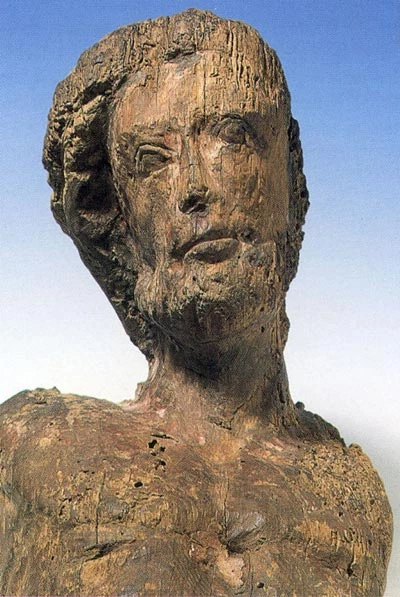
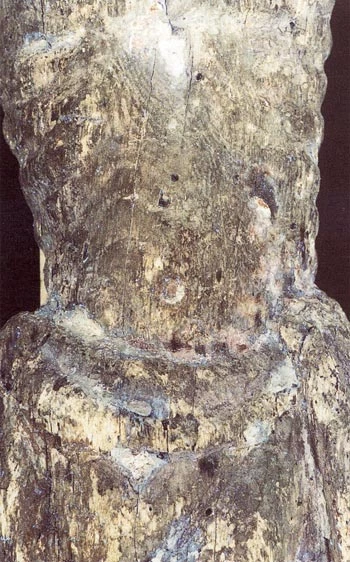
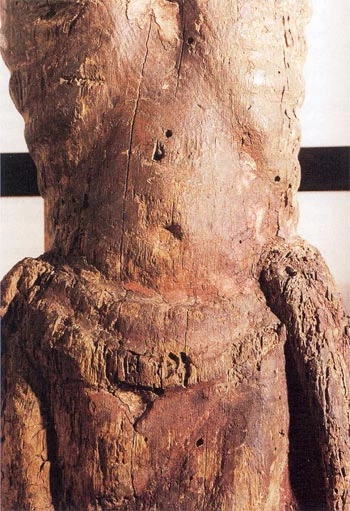
Wooden crucifix originally sparkled with gold 4 September 2007 The crucifix figure from Kenys Inferiour, Monmouthshire Detail of the head of the crucifix figure. Detail of the torso and loin-cloth in UV light. Detail of the torso and loin-cloth in reflected light. Scientific examination of a crucifix of the Middle Ages from Kemeys Inferior, south Wales reveals that the wooden object seen today was once richly decorated in vibrant colours and magnificent gold leaf. In 1850, the remains of a carved wooden figure of Christ were discovered in the church of Kemeys Inferior, a few kilometres east of Caerleon, south Wales. An object of exceptional importance Before the Reformation of the 16th century (when England and Wales officially turned from being a Catholic nation to a Protestant one), such figures of Christ were common throughout England and Wales and the Kemeys Christ is the most complete example of only a handful of medieval fragments to survive in Britain, and so is of exceptional importance. Fragments of the Kemeys Inferior figure were found, 'together with skulls and bones', in 'the blocked up rood-staircase' during repairs and alterations to the church in about 1886. It was transferred in 1930 to Amgueddfa Cymru. Although the figure was thought to be from the 14th century, arguments supporting this have never been set out in detail. Dating the figure relies on comparing other sculptures, and it is now thought to be from the late 13th century. Made in Wales Owing to the rarity of surviving figures in Britain from this period it is necessary to study objects from the continent for further clues. For example, late 13th-century crucifix figures from Sweden share several similar characteristics, whereas the 14th-century Christ from Mochdre, Denbighshire, the only comparable wooden figure from Wales, is quite different. The Kemeys Christ was more than likely to have been made in England or Wales. Investigation and analysis of the crucifix Very little of the colour that once covered the wooden figure can be seen today, but routine work done by Amgueddfa Cymru in 1999 led to in-depth investigation of the surface of the object. The figure was X-rayed and viewed under ultra violet (UV) and infra-red (IR) light before being examined under the microscope. This revealed the original colour scheme, with differences between the torso and the arms, previously considered to have been later additions. Vivid and rich colours In contrast to its present condition, the Kemeys Christ originally boasted a vivid and richly coloured appearance as was popular throughout the Middle Ages. Great care was taken in decorating the figure. When new, it would have shone with gold leaf. Examination of the figure has revealed considerable evidence of polychromy (use of many colours), and, like other examples of medieval sculpture, over-painting. Although little colour survives on the arms, the right arm does have two layers, which may suggest replacement of the left arm either during the first half of the 16th century or even earlier. At least three layers of painting have been detected, though the dating of each is problematic. The secondary colour scheme appears to have included gilding on the hair; gold, red and blue on the inside of the loin-cloth; dark brown and black details on the face; a green crown of thorns; and flesh tones in pale pink, with red emphasising the wounds. Stunning polychrome work like this would have been standard on such an important sculpture. The Kemeys figure clearly represents Christ on the cross, who is portrayed alive, with his eyes still open. The Kemeys Christ is a rare survival of pre-Reformation devotional figures once common in the British Isles. With the original height of about 94 cm, this powerful image of Christ's suffering would have been widely seen and prayed to, and formed a purposeful part of everyday life.
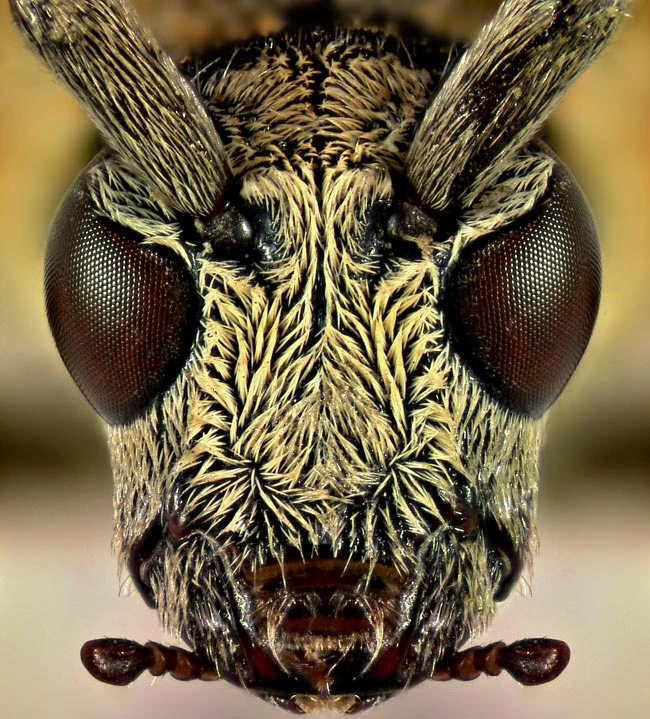
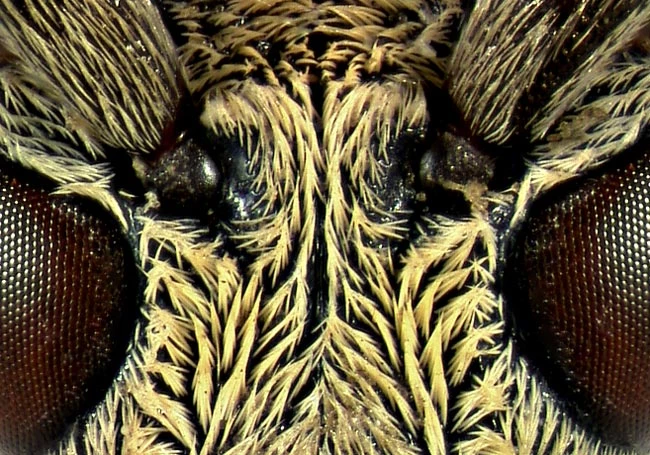
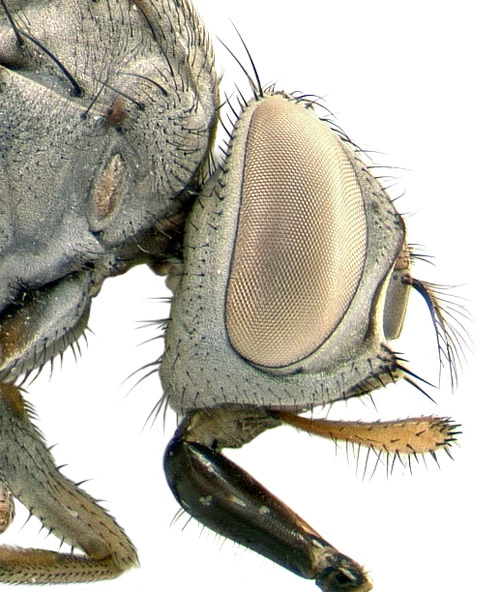
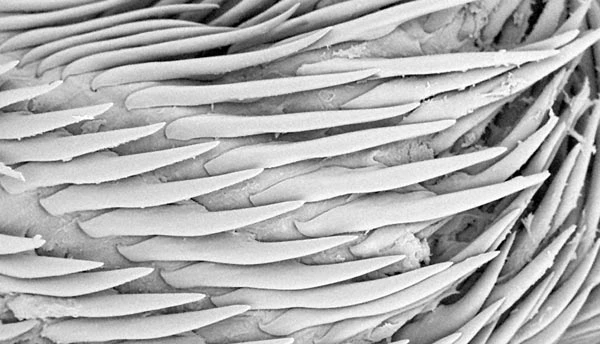
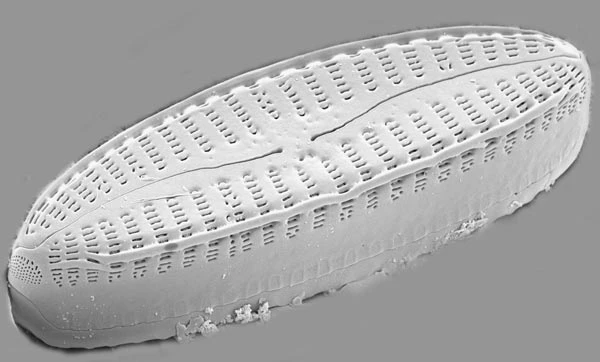
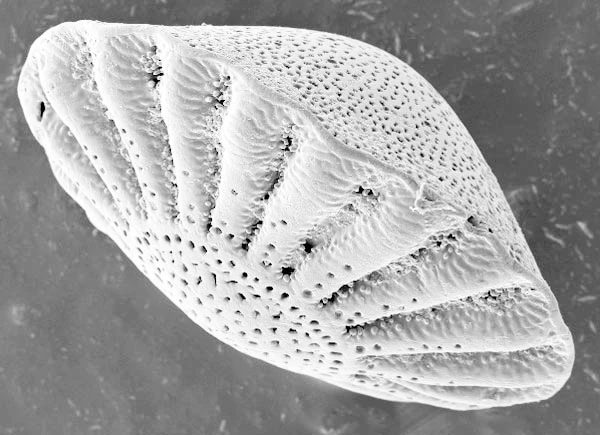
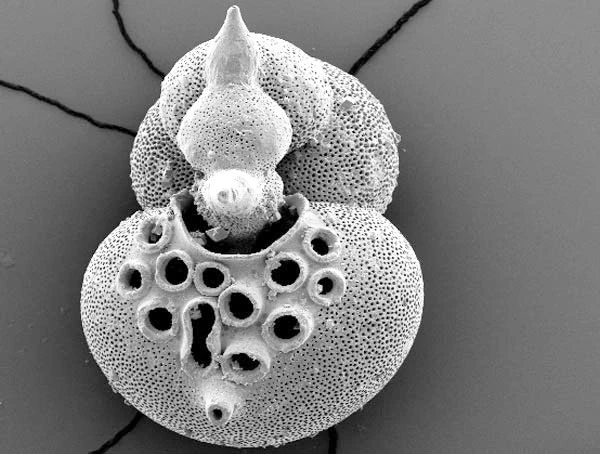
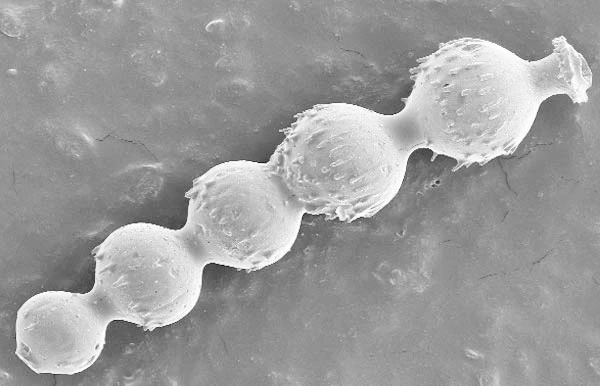
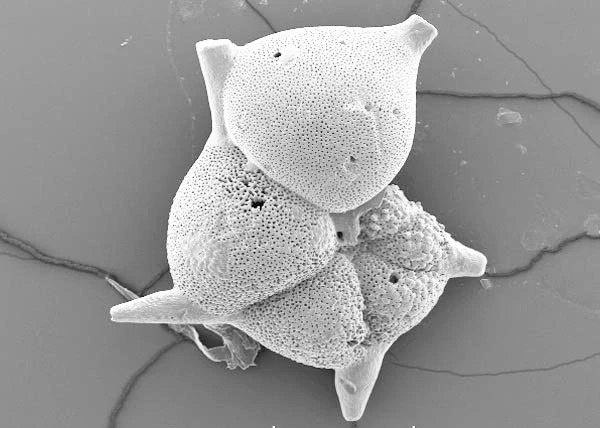
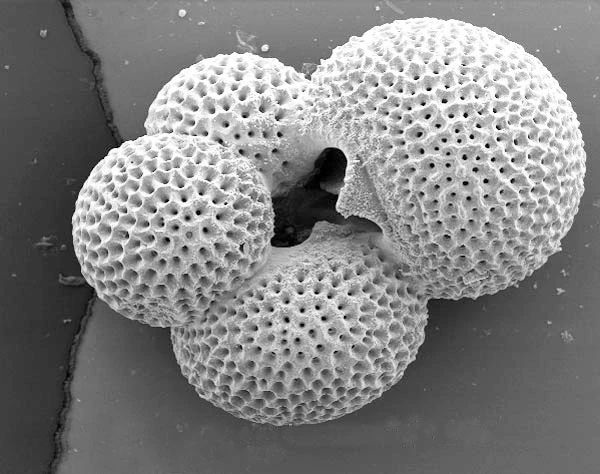
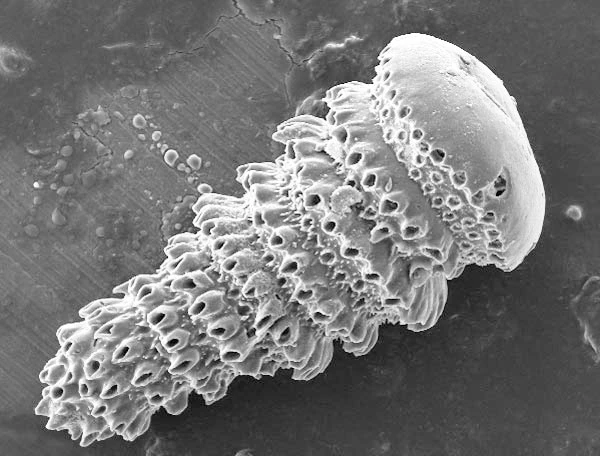
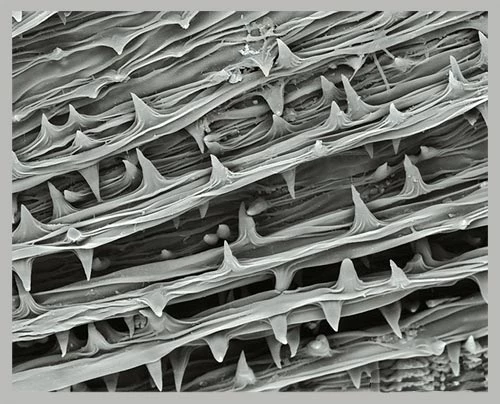
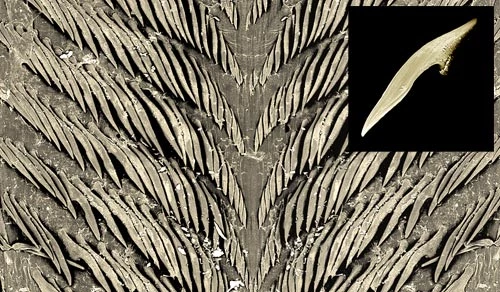
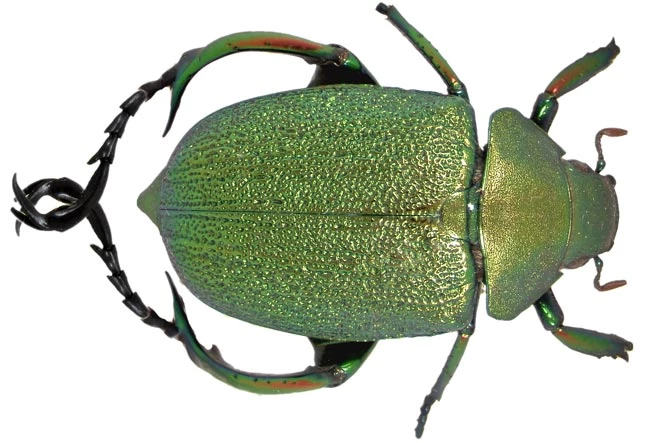
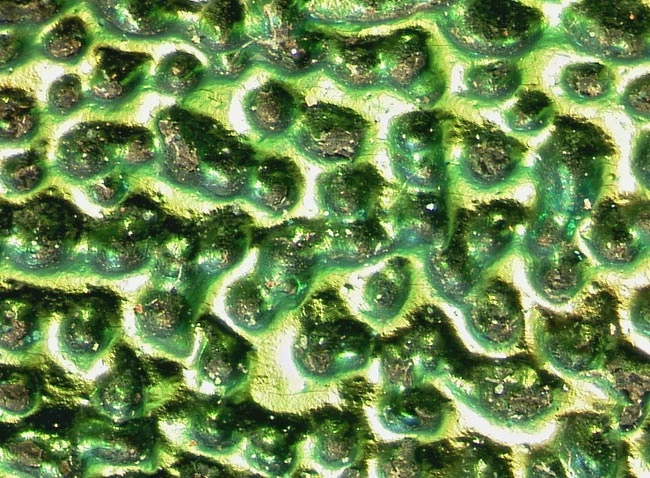
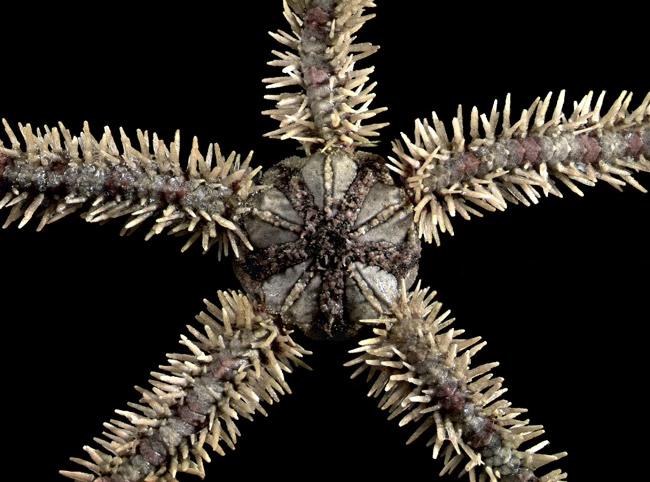
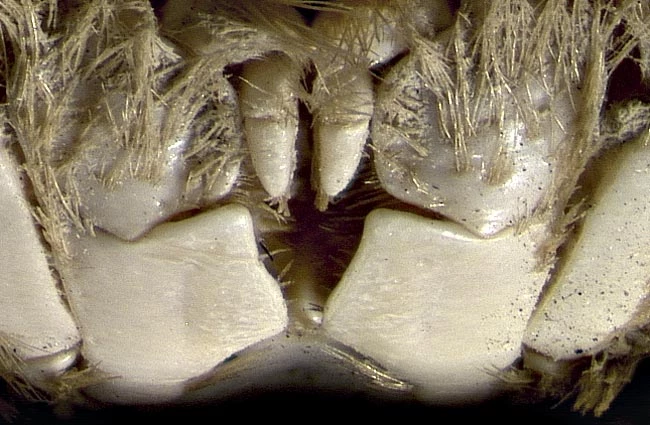
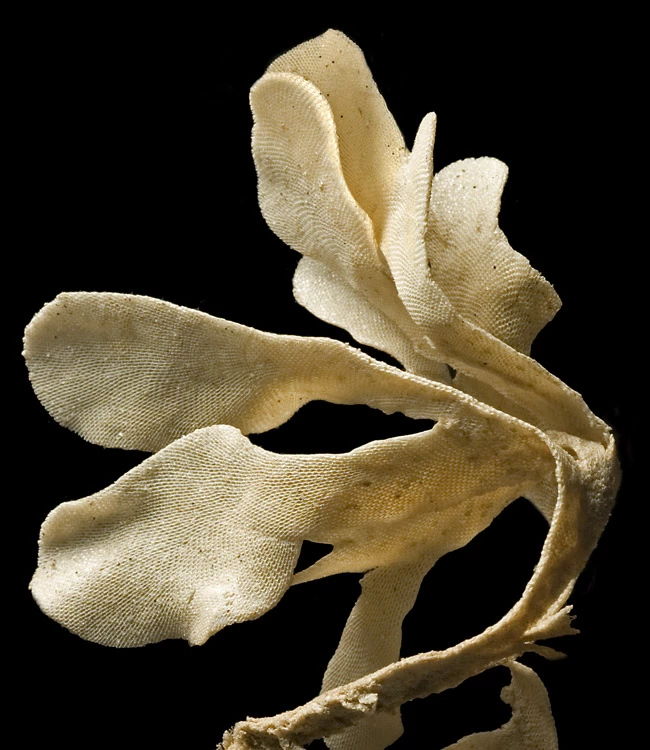
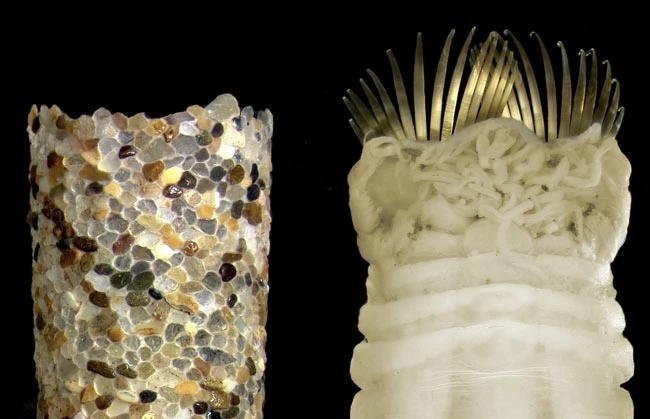
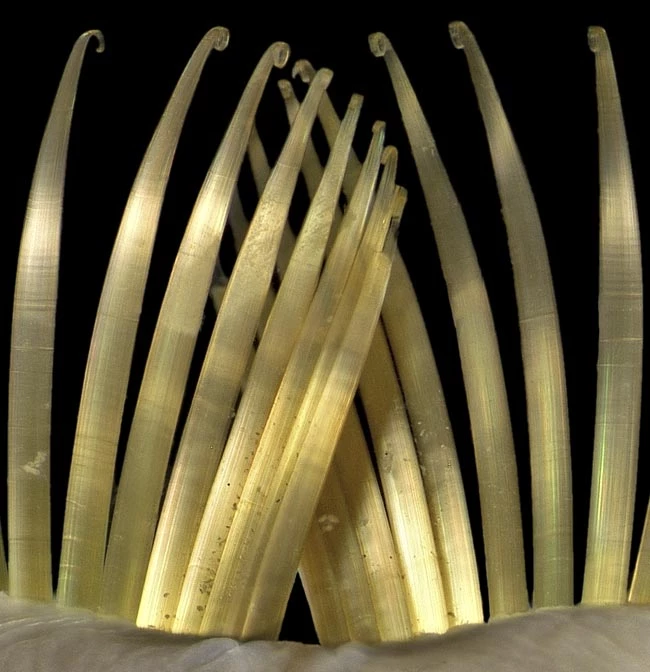
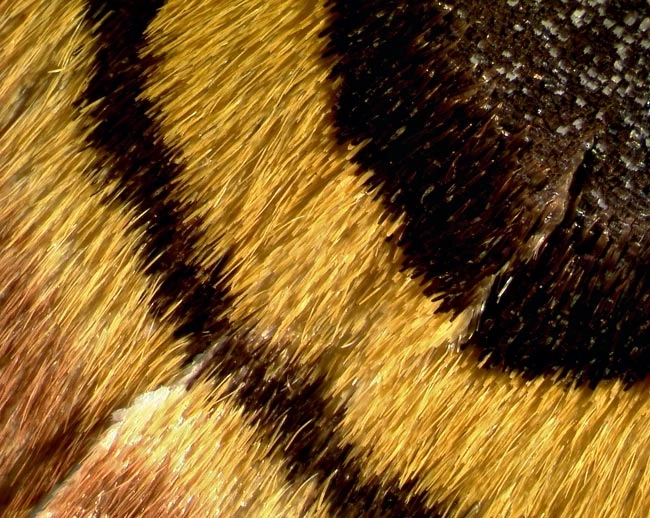
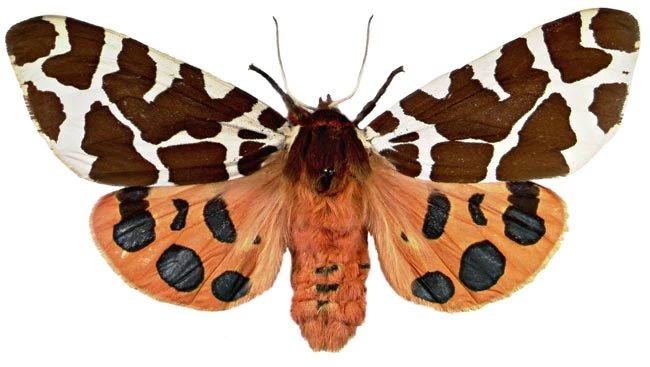
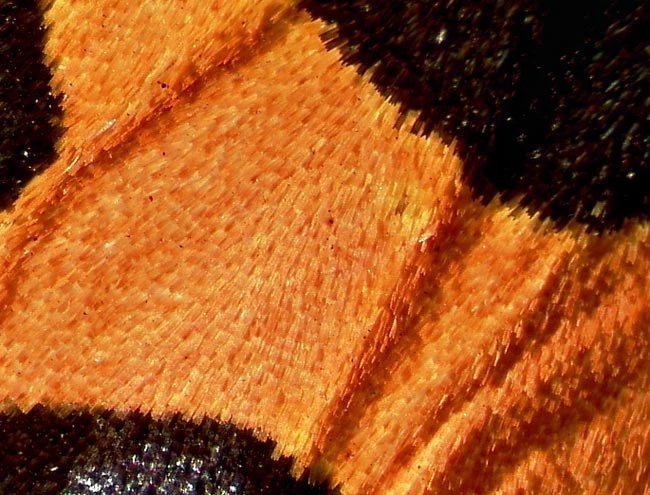
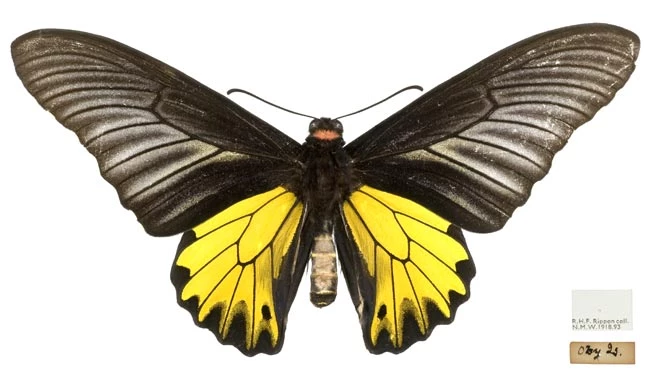
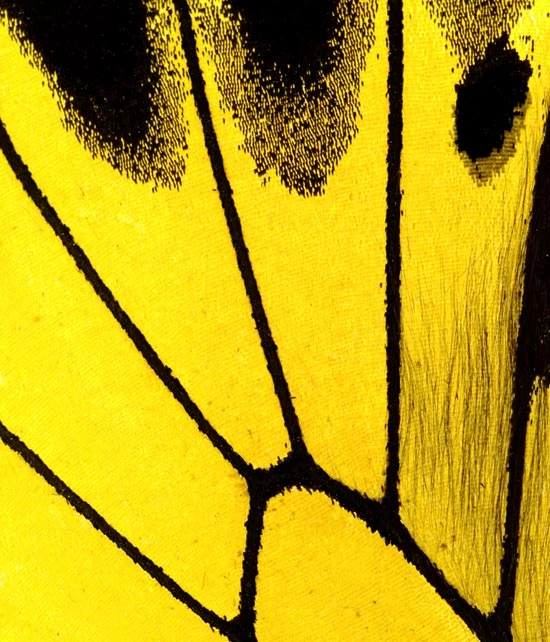
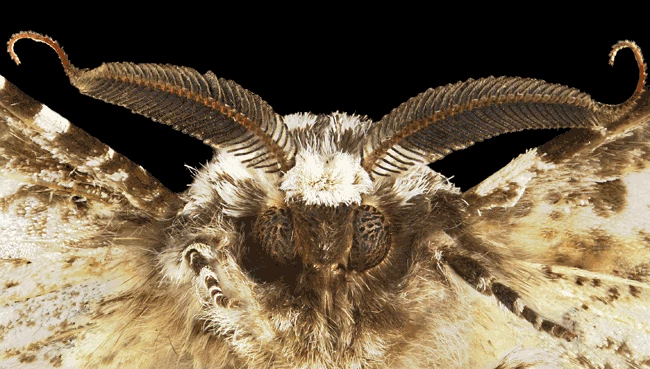
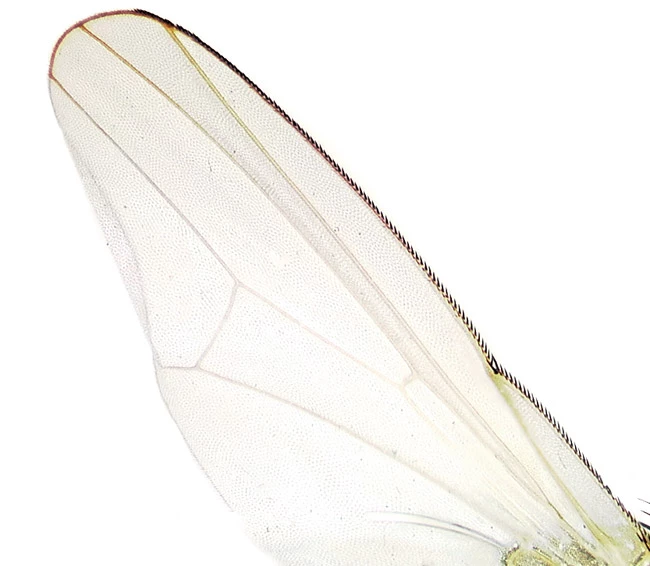
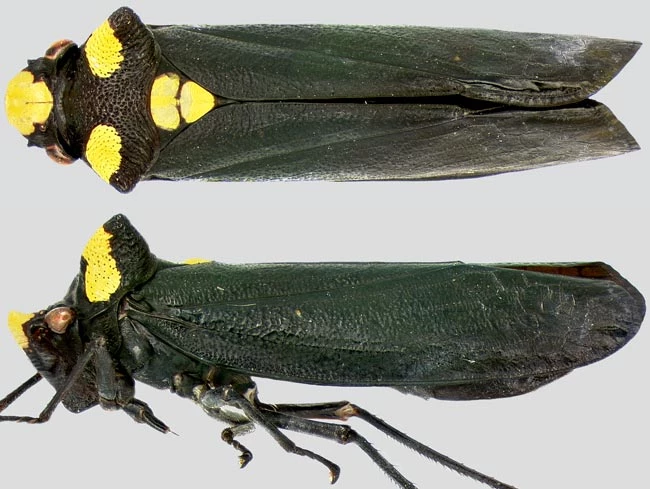
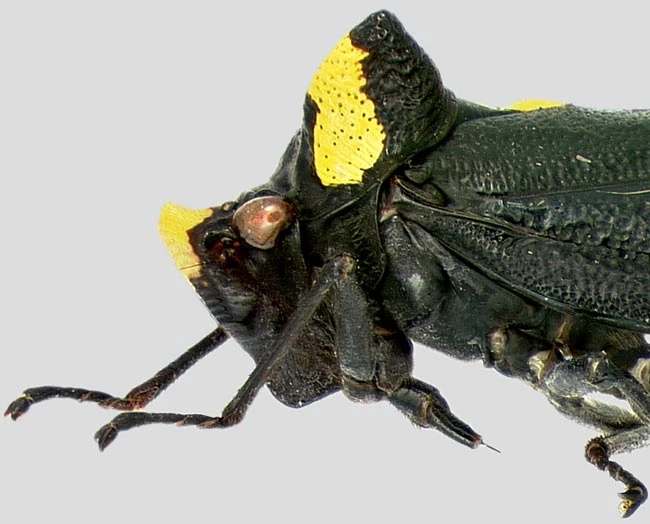
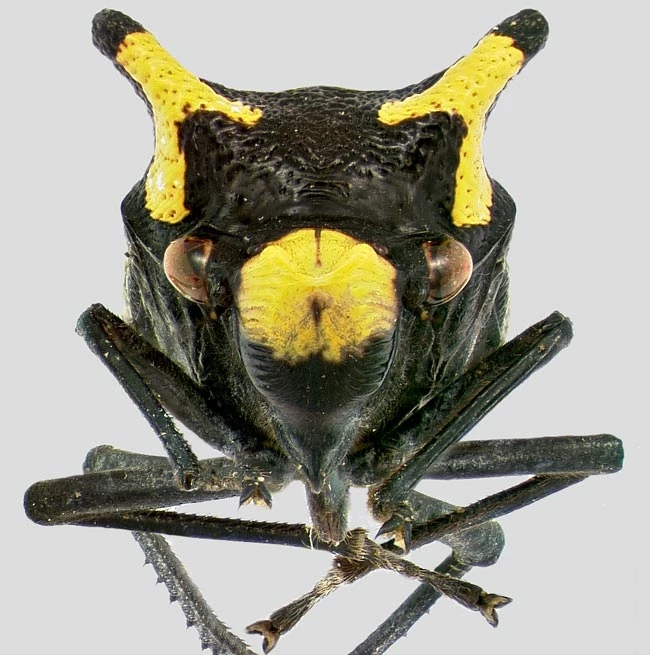
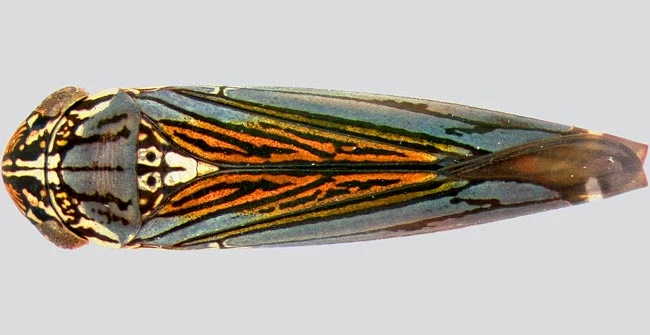
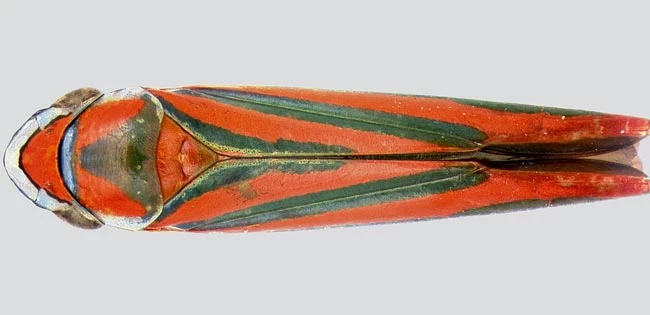
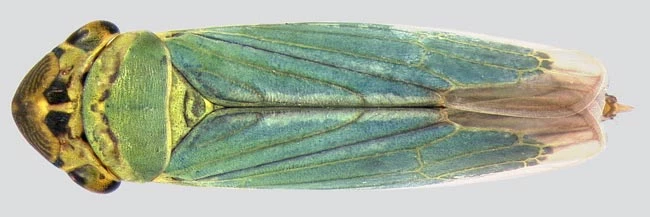
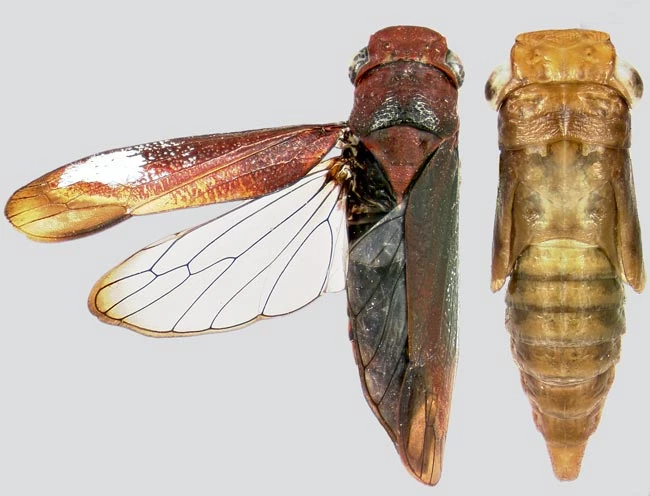
Up close with nature 3 August 2007 Witness the bizarre structures and patterns of nature close up. These amazing images have been created by the scientists at Amgueddfa Cymru using highly magnified photography. From butterflies to microscopic plankton - remarkable details are revealed in a whole new light in these breathtaking pictures, which are to be admired for their striking beauty as well as the scientific value they hold. At this level of magnification, reality becomes quite surprising, click on the images below to discover more... Up Close with Nature Radula, or mouthpiece, from a carnivorous land snail from East Africa.A radula is a rough tongue or band of horny teeth used by snails to rasp at its food, whether its plant or animal matter. As a snails radula can differ between different species, Amgueddfa Cymru examines these images carefully in order to identify one species from another. Cymbelloid diatom, genera unidentified. Diatoms are a type of microscopic algae that consist of one cell or a group of cells; Diatoms produce a hard silica shell that is often preserved after the animal dies and sinks to the sea floor. Scientists are able to extract diatom shells and use them to investigate past climates. Foraminifera: Halkyardia minimaThese shells pictured here belonged to pin-head sized animals called 'foraminifera', or formas. These ones lived about 35 million years ago, but similar kinds live in today's oceans.Find out how these tiny specimens are helping scientists at Amgueddfa Cymru research climate change that took place 34 million years ago in When Antarctica went into the deep freeze Image: Ian McMillan, Cardiff University. Foraminifera: Cribrohantkenina inflata.The chemistry of these foram shells can tell us how ocean temperatures changed through time by measuring the amount of magnesium in the shells - Forams take elements from the ocean into their shells, using more magnesium at warmer temperatures. Find out how these tiny specimens are helping scientists at Amgueddfa Cymru research climate change that took place 34 million years ago in When Antarctica went into the deep freeze Image: Paul Pearson, Cardiff University. Foraminifera: NodogenerinaDead forams fall to the sea floor and build up in layers of mud over millions of years. The foram shells are like time capsules, with their chemical information locked inside.Find out how these tiny specimens are helping scientists at Amgueddfa Cymru research climate change that took place 34 million years ago in When Antarctica went into the deep freeze Image: Ian McMillan, Cardiff University. Foraminifera: Hantkenina alabemensisBy measuring the magnesium content of forams, it gives us a record of how ocean temperature has changed through time: more magnesium present in the shells the warmer the ocean was when the foram died. Find out how these tiny specimens are helping scientists at Amgueddfa Cymru research climate change that took place 34 million years ago in When Antarctica went into the deep freeze Image: Paul Pearson, Cardiff University. Foraminifera: Subbotina.Find out how these tiny specimens are helping scientists at Amgueddfa Cymru research climate change that took place 34 million years ago in When Antarctica went into the deep freeze Image: Paul Pearson, Cardiff University. Foraminifera: Tubulogenerina narghilella.Find out how these tiny specimens are helping scientists at Amgueddfa Cymru research climate change that took place 34 million years ago in When Antarctica went into the deep freeze Image: Ian McMillan, Cardiff University. Hinge teeth and sockets of Yoldiella lata, a Protobranch Bivalve shell.These join to opposing teeth and sockets in the opposite valve. The teeth are one of many characters which help scientists to identify different bivalve species. Image: James Turner, Amgueddfa Cymru. An extreme magnification of the exterior shell covering of Spinaxinus sentosus, recovered from the organic cargo of the sunken ship Francois Vieljeux. The spines witnessed at this magnification lead scientists at Amgueddfa Cymru to name the new genus 'Spinaxinus' For more information see: Gas Guzzling Clams . The carnivorous Ghost Slug's blade-like teeth, each about half a millimetre long. These are much longer and sharper than those of herbivorous species. Help us find out more about the mysterious alien "Ghost Slug" BeetleImage: James Turner, Amgueddfa Cymru Magnified image showing detail of beetle shell.Image: James Turner, Amgueddfa Cymru Common Brittle star, Ophiothrix fragilis.Closely related to starfish, brittle stars crawl across the sea-floor using their flexible arms as "legs" for locomotion. There are some 1,500 species of brittle stars living today, and they are largely found in deep waters more than 500 metres (1,650 feet) down. Image: James Turner, Amgueddfa Cymru. Magnified section of the common brittle star showing spine structure.Image: James Turner, Amgueddfa Cymru Thumbnail Crab, Thia scutella.The Thumbnail crab gets its name from its shell resembling a thumbnail. It is found in the North Sea, north-east Atlantic and Mediterranean Sea. Image: James Turner, Amgueddfa Cymru. Magnified image of mouthparts of the Thumbnail crab.Image: James Turner, Amgueddfa Cymru. Hornwrack coral, Flustra foliacea, from The Gower, South Wales.Hornwracks are small aquatic animals known as bryozonas that reproduce by budding and form branching colonies attached to stones or seaweed. Image: James Turner, Amgueddfa Cymru. Detail of Hornwrack coral from South Wales.Image: James Turner, Amgueddfa Cymru. Image of a marine bristle worm, Lagis koreni, otherwise known as the 'Ice Cream Cone Worm' along with its cast.This worm builds its delicate tube home out of a thin layer of sand grains cemented by secretions of the worm's body The tube is just one sand grain thick with the individual sand grains positioned tight up against each other, forming a beautiful mosaic. Image: James Turner, Amgueddfa Cymru. Close up of the head of the Ice Cream Cone worm, along with detail of cast. Ice Cream Cone worms actually live upside down on the sea floor. The head of the worm possesses comb-like structures that rake through the sand as other feeding tentacles pick out food. The tube can be up to 3 inches long and protect the soft parts of the animal. It is also commonly referred to as a tusk worm. Note the mosaic like pattern of sand grains. Image: James Turner, Amgueddfa Cymru Extreme close up of the feeding filaments of the Ice Cream Cone Worm.The head of this worm bears two groups of large, slightly curved, golden bristles. The bristles are used to loosen and turn over the sand, and the tentacles collect particles for food and for tube building. Image: James Turner, Amgueddfa Cymru Silkmoth.Image: James Turner, Amgueddfa Cymru. Magnified image of Silkmoth wing section showing scales and structure.Image: James Turner, Amgueddfa Cymru. Garden Tiger Moth.Image: James Turner, Amgueddfa Cymru. Magnified image of wing section of the Garden Tiger Moth.Image: James Turner, Amgueddfa Cymru. The Birdwing butterfly Troides minos.This specimen, from India, is housed in the Rippon collection of Amgueddfa Cymru. Rippon was the first to monograph this group of Butterflies. Image: James Turner, Amgueddfa Cymru. Head on view of the beetle Chlorophorus varius.Even small beetles can have frightening characteristics when viewed up close and head on! This specimen is only a few centimetres in body length. Image: James Turner, Amgueddfa Cymru. Magnified image of wing section of Birdwing butterfly, Troides minos.Image: James Turner, Amgueddfa Cymru. Close up image of the Peppered Moth Biston betularia Image: James Turner, Amgueddfa Cymru Abstract image of a beetle's head, Chlorophorus varius.Click on the next image along to reveal its face... Image: James Turner, Amgueddfa Cymru. Close up of the fly Stygeromyia maculosa.Image: James Turner, Amgueddfa Cymru. Stygeromyia maculosa.This specimen was collected in Fujairah, United Arab Emirates. Image: James Turner, Amgueddfa Cymru. Megaselia scalaris.This specimen was collected in Izmir, Turkey. Image: James Turner, Amgueddfa Cymru. Hind leg detail of Megaselia scalaris.Image: James Turner, Amgueddfa Cymru. Magnification of head and eyes of Atherigona bimaculata.Image: James Turner, Amgueddfa Cymru. Atherigona bimaculata.This specimen was collected at Maraba, Aseer, Saudi Arabia. Image: James Turner, Amgueddfa Cymru. Lamprolonchaea metatarsata.This specimen was collected in Al-Ajban, United Arab Emirates. Image: James Turner, Amgueddfa Cymru. Lamprolonchaea metatarsata.This image illustrates the intricate detail of the wing veination. Image: James Turner, Amgueddfa Cymru. Sharpshooter Leafhopper: Zyzzogeton quadrimaculata.Adult sharpshooters lay eggs into the plant and these hatch into nymphs. In most species it takes about a month for the nymph to become an adult. The adult may then live for a further month or two before dying. Image: James Turner, Amgueddfa Cymru. Sharpshooter Leafhopper: Zyzzogeton quadrimaculata.All species have long thin mouthparts, like hypodermic needles, which they use to pierce and suck sap from plants. Some true bugs, such as bed bugs, feed from animals. Image: James Turner, Amgueddfa Cymru. Sharpshooter Leafhopper: Zyzzogeton quadrimaculata.Scientists at Amgueddfa Cymru have been photographed as many species of sharpshooter leafhoppers as possible to create identification guides so that farmers will be able to identify the bugs for themselves. To do this we have used new photographic techniques to produce the detailed images you see here. Image: James Turner, Amgueddfa Cymru. Sharpshooter Leafhopper.Sharpshooter leafhoppers are the largest and most colourful of all leafhoppers. They are so named as some squirt sap after feeding. Image: James Turner, Amgueddfa Cymru. Sharpshooter Leafhopper.Sharpshooter leafhoppers belong to the insect group Hemiptera, which also contains aphids, scale insects, spittlebugs, cicadas, treehoppers and true bugs. Image: James Turner, Amgueddfa Cymru. Sharpshooter Leafhopper: Cicadella viridis.There are about 200 leafhoppers species in Britain. Around 19,000 species have been described in the world but many more remain to be discovered. Image: James Turner, Amgueddfa Cymru. A nymph and adult of the species Paraquichira costaricensis.The nymphs of leafhoppers shed their skin several times as they grow. Their wings develop as they grow, the wing pads getting a little larger with the shedding of each skin. The wings expand when the nymph becomes an adult. This is very different to insects such as butterflies where the caterpillar changes straight into an adult in a process called metamorphosis. Image: James Turner, Amgueddfa Cymru. Sharpshooter Leafhopper: Homalodisca vitripennis.There are over 2,300 known species of Sharpshooters, some of which spread disease in fruit trees. Grape vines in California have been hit very hard by Homalodisca vitripennis, as have Citrus trees in Brazil by other species of sharpshooter leafhoppers - so it is very important that we can identify those that spread disease from those that don't. Image: James Turner, Amgueddfa Cymru.
Oriel 1 Anna Gruffudd, 2 August 2007 Iawn te! Bywyd yn Oriel 1!Dyma fi yn fy swydd newydd fel dehonglydd Oriel 1, oriel newydd Sain Ffagan yn sgwennu blog am y tro cynta! Fe fydd, fel yr Oriel yn un arbrofol felly! (Ac fel Owain...nes i sgwennu hwn unwaith a cholli'r cwbl...ti'n meddwl sa'n well i ni gael gwersi?!!) Yn anffodus, ar hyn o bryd rwy'n eistedd wrth ddesg yn syllu ar olygfa ddigon llwyd drwy'r ffenest.Mae ambell sied wedi eu ffensio ag arwydd 'keep out' a 'Site Canteen' i'w gweld ac adeilad mawr siedaidd yn gefndir. O wel, er mwyn cyfleu ychydig o naws y lle bydd rhaid i fi ddychmygu felly fy mod i'n eistedd yng nghanol yr Oriel. O fy mlaen i, mae superted a'i gefn tuag ata i a'i ben e'n pwyso ar hen arwydd y pentref a fu unwaith, 'CAPEL CELYN'.Uwch ei ben, mae Sgrabble yn Gymraeg a rhes o oleuade bach gwyn yn goleuo'r casyn gwydr y mae'n eistedd ynddo.Yn nes ata i mae dros gant o recordie saith modfedd o'r 60au a'r 70au yn garped lliwgar lliwgar ar y wal, ac yn treiddio drwy'r awyr mae cerddoriaeth hudolus hamddenol.Ar y wal y tu ol i mi mae lluniau gan blant yn dawnsio ar y wal ar ffilm. O gyfeiriad arall mae swn gwahanol, clychau a baban yn crio, ac yn y pellder swn torf yn dathlu ym mharc yr arfau. Wrth droi o gwmpas rwy'n gweld drychau mawr ar y wal ac yn hongian o'u hamgylch mae dillad sy'n eich gwahodd i'w teimlo a'u gwisgo.Ddoe, roedd criw o blant yn dawnsio o amgylch y 'juke box' ac ymwelwyr yn rhyfeddu ar wydr lliw a wnaed gan SMYLe, grwp o fwslemiaid ifanc o Abertawe. Roedd plant bach yn gwneud llwyau caru papur gydag un o'r artisiaid fydd yn gweithio yn yr Oriel bob dydd ym mis Awst gyda'r Cert Celf. Roedd merched yn eu harddegau yn gigls i gyd yn cael tro'n cario'r ddol mewn siol yn y dull Cymreig a thatcu yn rhyfeddu ar ei wyrion bach yn gwrando'n astud ar glustffonau arbennig ar straeon ac atgofion o gasgliadau'r archif. Mae cymaint wedi digwydd yn yr Oriel, dawnsio o dros y byd, artistiaid yn perfformio a darlithiau a sgyrsiau o bob math.Ond well i fi fynd nawr i wneud ychydig o waith paratoi ar gyfer y gweithdau a'r gweithgareddau fydd yn yr Oriel. Mwy o hanesion am gymeriadau a bywyd Oriel 1 i ddod!