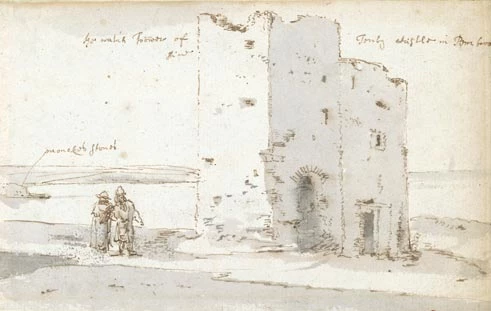
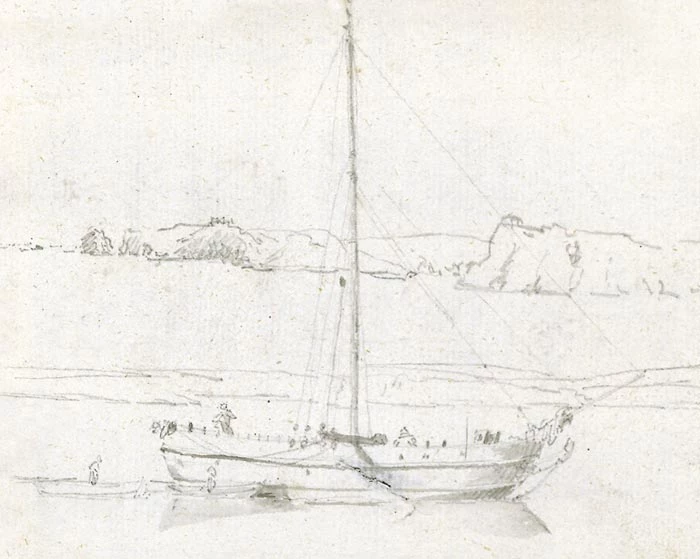
Francis Place (1647-1728) Emily O'Reilly, 10 February 2011 Amgueddfa Cymru has in its collection fifteen views of Wales drawn by Francis Place (1647-1728). Of these, ten are from a single sketchbook. These ten sketches, dated 1678, are the earliest images that the Museum holds of Wales that were drawn on-the-spot. But who was Francis Place? Francis Place was a Yorkshire man, born into a wealthy family in 1647 and the youngest of ten children. His lawyer father decided that he should follow in his footsteps and at the age of seventeen or eighteen Francis entered Gray's Inn in London to study Law. However he disliked law and the Great Plague in 1665 gave him his excuse to finish with his studies and return home. A short time later he returned to London and worked with Wenceslaus Hollar, who introduced him to printmaking and print selling in London. There is some suggestion that Place received some or all of his inheritance before his father died in 1681, and it would have been this that enabled him to follow his passion for art and angling. Royalty and the age of the Virtuosi The seventeenth century was the age of the Virtuosi — likeminded men with money and leisure interested in art, science and philosophy, many of whom went on to form the Royal Society in 1660. In the first half of the century only royalty and those closely associated with royalty learned and practised the art of drawing and painting. Towards the end of the century it began to be taken up by the landed gentry and their sons and daughters. They studied to acquire knowledge, which was very different from those who had to make a living from it. There is evidence that, although ostensibly an amateur, Place was paid for work, particularly early on. So Place fits in very well with the gentlemen of the time; he had the time and the money and, from what survives of his work, he dabbled in many media including early experiments in porcelain. He was a member of the York Virtuosi who included Martin Lister, Henry Gyles, Thomas Kirke FRS and William Lodge. It may have been through this group that he earned commissions. With his fathers money Place travelled far and wide in the UK to sketch and practise the art of angling. We know from correspondence of the period that the sketches at Amgueddfa Cymru were carried out on a tour of Wales and the West Country in 1678. He was travelling with his friend and fellow York Virtuosi William Lodge. Travelling at this time was not without its dangers as this was the time of the Popish plots, and it is known that while in Wales they both spent one night in jail under suspicion of being Jesuit spies. Tenby Cliffs Tenby cliffs original stetchbook and after digital restoration:
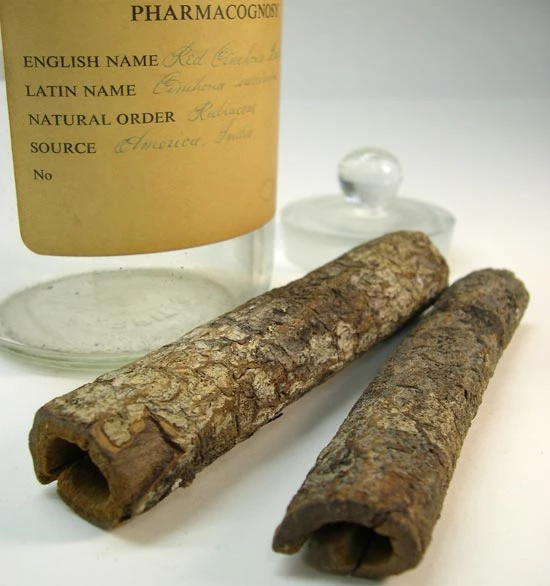
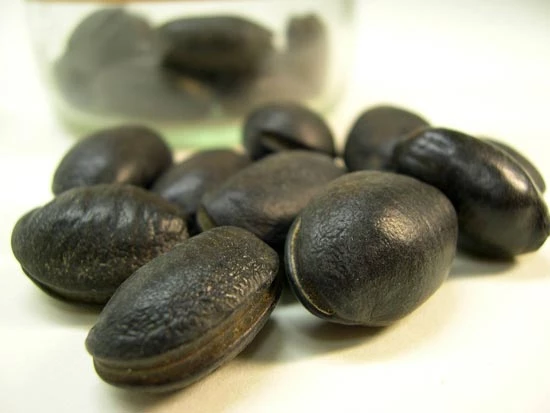
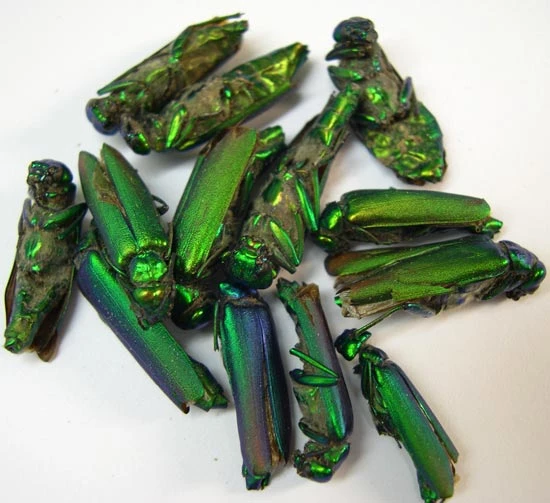
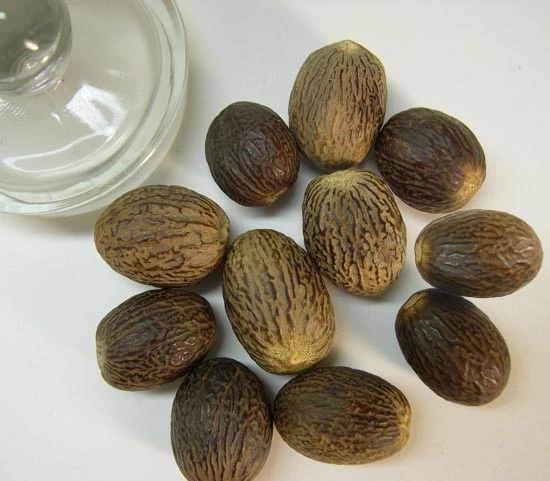
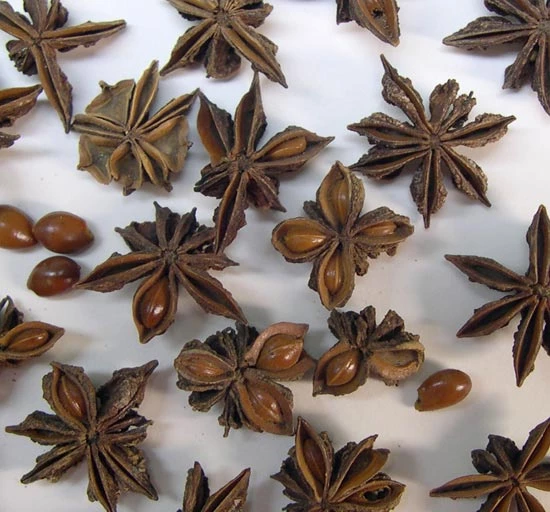
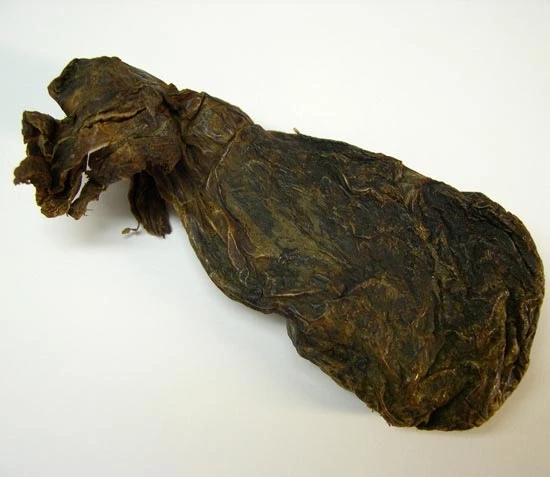
Old cures: Amgueddfa Cymru's Historic Medicine Collection Victoria Purewal, 22 October 2010 Some examples from the materia medica collection, stored in glass jars. Nearly all medical benefits and cures come from nature. Even one of the most deadliest human diseases, malaria, was first treated with the extract from the bark of a South American tree. Amgueddfa Cymru holds a remarkable collection of materials used in historic medical remedies. In 2007, Amgueddfa Cymru were gifted a collection of 469 materia medica specimens from Professor T.D. Turner OBE of the Welsh School of Pharmacy, Cardiff University. It includes material of animal and plant origin, such as bark, roots, leaves and resins, which were the traditional sources of medicinal drugs. The collection will help visitors and students wishing to learn more about current and historic medicines. Life or Death The amount of active ingredients within each plant can vary, but would often make the difference between life and death. The active chemical constituents such as alkaloids, glycosides or tannins were released by, for example, macerating or chewing the material or making an extract or a tincture. Many of these constituents have since been identified and isolated and are now used in their pure form in modern pharmaceuticals. Kola nuts, the original ingredient of the medicinal Coca Cola of 1886 Kola Nuts and Coca leaves The Coca Cola we know today was originally derived from Mariani's Coca Wine and then John Pemberton's Coca Cola, originally intended as a patent medicine to act as a tonic and help calm the stomach. The constituents were sarsparilla, coca leaf and kola nuts. Kola nuts are a high source of caffeine and, although this has been substituted today, caffeine and sarsparilla are still important components of present day Coca Cola. The Kola nut of Western Africa (Cola acuminata) was chewed or brewed into a stimulating tea. Coca leaf (Erythroxylum coca), the plant from which cocaine is derived, originated from the Andean highlands of South America, was also chewed to diminish sensations of hunger and fatigue, and to aid digestion. It is believed that the Aztecs gave their slaves coca leaf to help them move the huge stone masses for building their pyramids. Coca leaf is still used by Peruvians to help combat altitude sickness. Cocaine was extracted and used as the first local anaesthetic primarily for eye and dental surgery. Cinchona bark from Tropical South America, containing anti-malarial quinine. Tree bark to treat malaria Some barks have been used for medicinal purposes. In Britain, the best known is probably willow bark (Salix alba), from which aspirin is derived. Even the leaves of the willow have helped with pain relief — Hippocrates recommended their use in 5BC. The bark of the Cinchona tree has equally important characteristics. Cinchona also known as Jesuit Bark is a genus of about 25 species native to tropical South America. The bark contains a source of a variety of alkaloids, the most familiar being the anti-malarial and anti-fever compound, quinine. These compounds interfere with the protozoan parasites of the genus Plasmoidium, which cause malaria. Potable, bottled water in colonial India was carbonated and spiked with quinine to both improve the flavour and prevent the onset of malaria, and hence became Indian Tonic Water. The Ordeal or Calabar Bean, from Calabar in south-east Nigeria. The Ordeal Bean: Die if guilty, survive if innocent The name Calabar Bean (Physostigma venosum) is derived from the locality of Calabar in south-east Nigeria, where it was used in 'trial by ordeal', notably in cases of witchcraft — hence its alternative name, the Ordeal Bean. The bean would be ground up and placed in a drink given to the accused. It was assumed that a guilty person would nervously sip the concoction, causing certain death. An innocent person, in contrast, would knock back the whole drink with bravado, which would generally be too much for the stomach, which would expel the poison quickly. Consequently, death was taken as a sign of guilt, but surviving was a sign of innocence. Its medical significance was discovered in 1855 and it is now the basis of the highly important drug physostigmine, used to treat reduced bladder control, glaucoma and delayed gastric emptying. Blistering beetles are distributed widely from southern Europe to Central Asia and Siberia. Blistering beetles These beetles are known as Cantharides or Blistering beetles (Lytta vesicatoria). Crushing the insect body releases the chemical cantharidin, which is aggressively stimulating to mammalian skin and internal organs. It was found to be a successful aphrodisiac by causing irritation or stimulation to the urinary tract. It has even been successfully used on cattle to encourage mating. The nutmeg, believed to look like our brain. Nutmeg If a plant has a shape or form that in any way resembles part of the human body, then that plant was once believed to heal that part. The humble nutmeg (Myristica fragrans), because it superficially looks like a human brain, has been associated with powers surrounding the brain and mind. This has been accepted through folklore as nutmeg also has psychoactive components. Nutmeg contains the alkaloid myristicin which, is narcotic and toxic, and large doses can cause hallucinations, nausea, vomiting and circulatory collapse; very large doses can be fatal. Nutmeg is a fruit endemic to Banda, the largest of the Molucca Spice Islands of Indonesia. The seed was highly sought, for its medicinal properties (it was thought to ward off the plague) and as a symbol of wealth and opulence; a person with a handful of nutmegs in their possession in the late 1600s would have been financially secure for life. The bloody wars that ensued to control the nutmeg plantations resulted in the death of 6,000 Bandanese people. Between the 17th and mid-20th centuries, the Dutch had full control of the Spice Islands. They sometimes kept the price of this spice artificially high by setting fire to their own warehouses full of nutmegs. The British fought bitterly to gain control of Run, one of the smaller Spice Islands, which resulted in the Dutch giving Britain Manhattan Island in exchange for Run. Nutmeg has been considered to be a useful medicinal herb in a number of Asian societies. It has been used to treat digestive problems and as an aphrodisiac; it has been claimed to combat asthma and heart complaints, and is still used as a sedative and as flavouring agent. Japanese Star Anise, physically similar to the culinary spice Chinese Star Anise. Star Anise There are two types of Star Anise: one is the commonly used Chinese spice (Illicium verum) and the other is the Japanese Star Anise (Illicium anisatum). When dried they are very difficult to tell apart, but one is harmless and the other toxic. The only way to separate the two conclusively is to conduct chemical analysis or to examine the shape of their calcium oxalate crystals. The trees also look similar, so, understandably in the past these spices have been combined and sold as foodstuffs. Japanese star anise contains several active components that cause severe inflammation of the kidneys, urinary tract and digestive organs. Consumers have been hospitalised with neurological symptoms after ingesting excessive doses of Japanese star anise or smaller doses of products adulterated with the fruit. Cases of illness, including serious neurological effects such as seizures, have also been reported after using star anise tea, and this may be a result of mixing up the Japanese and Chinese species. Medicinally Japanese Star Anise is used as a carminative, to relieve toothache and to stimulate the kidneys and promote urination. The leaves and seeds are also anti-bacterial. Castor sac of the mature North American Beaver Castor Canadensis. Beaver Castor sac This unusual item is a singular castor sac of the mature North American Beaver Castor Canadensis. It is also known as Castor Fibre and is similar to the anal gland in dogs. The castor sac secretes a yellowish substance called castoreum, which the beaver uses in combination with its urine to scent-mark its territory. Both male and female beavers possess a pair of castor sacs located in two cavities under the skin between the pelvis and the base of the tail. Historically, castoreum has been used in the treatment of hysteria and menstrual cramps, and was used successfully for cardiac disease. Today, it is used in beaver trapping, as a tincture in some perfumes and is even touted as an aphrodisiac. Castoreum is also used in small amounts to contribute to the flavour and odour of cigarettes. Hopefully Amgueddfa Cymru's materia medica collection will be expanded in the future. The collection is open to the public, but currently only by appointment so please contact (029) 2057 3224 or (029) 2057 3119 prior to your visit.
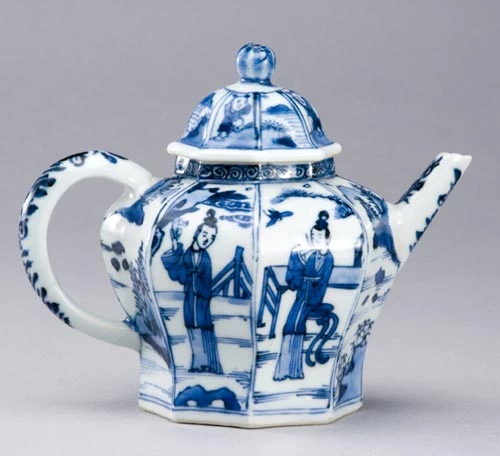
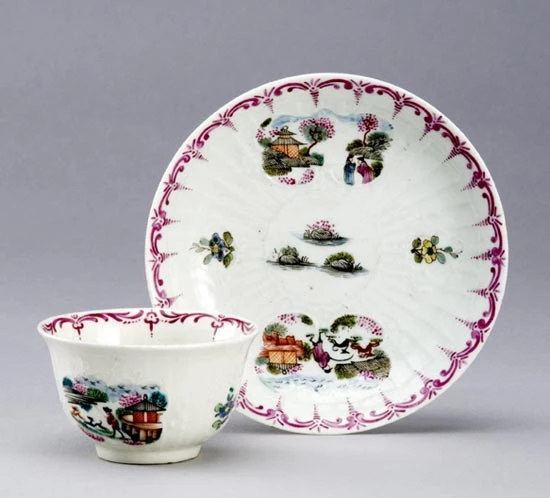
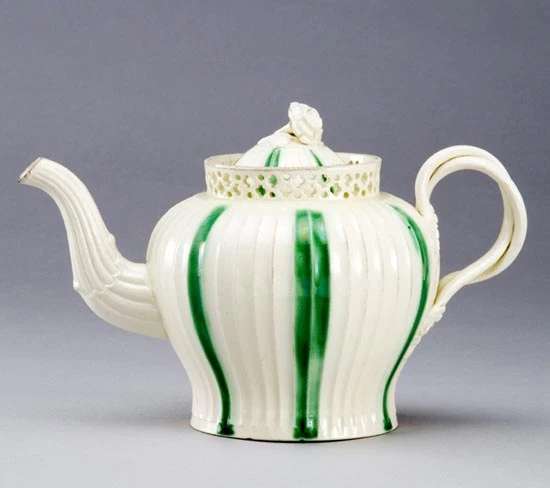
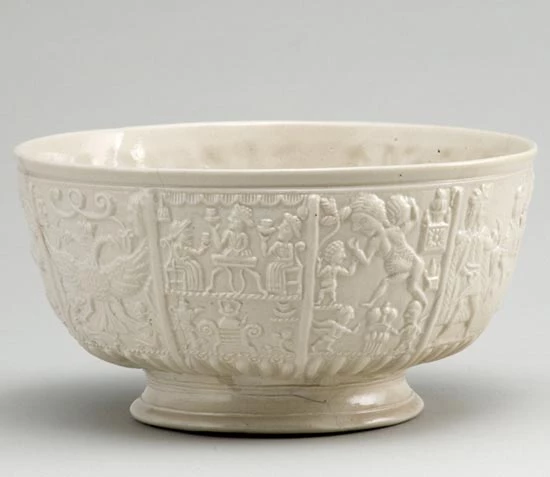
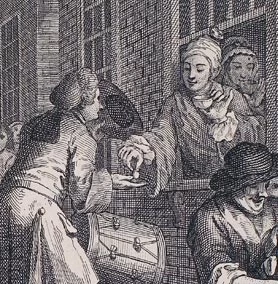
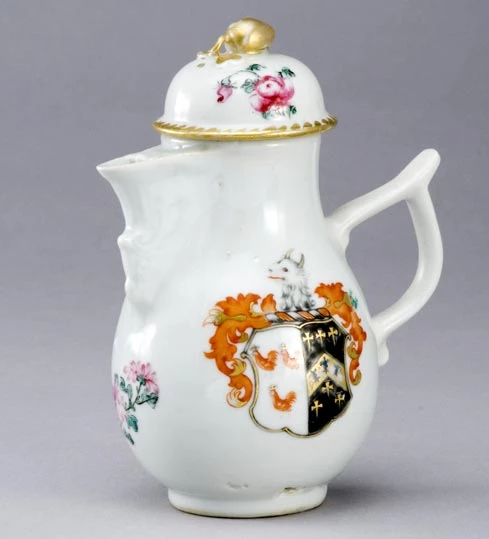
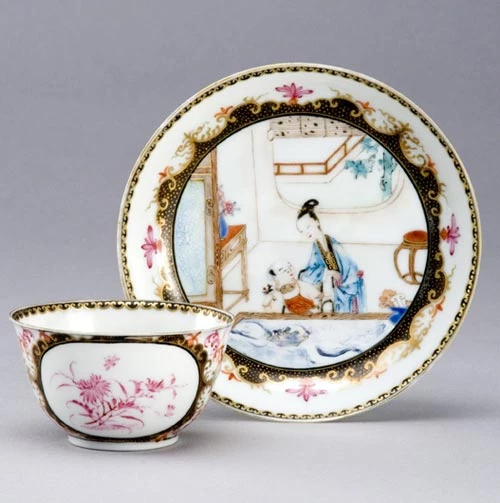
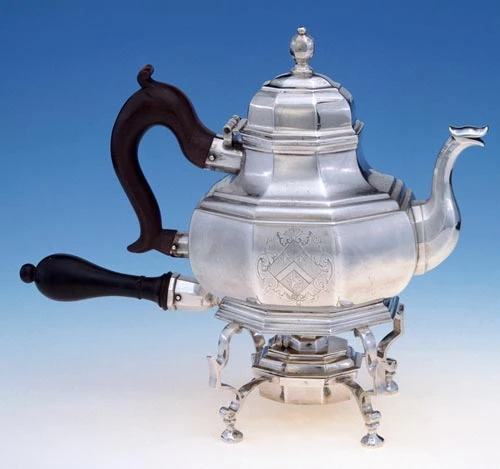
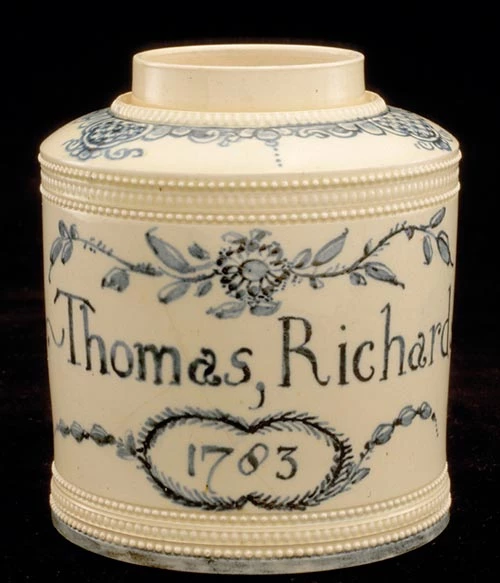
When tea-drinking was a fashionable, expensive habit Rachel Conroy, 25 June 2010 Figure 1: Chinese porcelain teapot, c. 1700-20 Figure 2: Chinese tea bowl and saucer, c. 1760-70 Figure 3: Creamware teapot, Leeds Pottery, c. 1775 Figure 4: Slop bowl, Staffordshire, 1740s Figure 5: Detail of William Hogarth, 'Industry and Idleness: The Industrious 'Prentice Married', 1747 Figure 6: Cream jug, Chinese porcelain, c. 1771. Part of a tea service made for Penry Williams (1714-1781) of Penpont, Brecon Figure 7: Porcelain tea bowl and saucer, Worcester, 1755-8 Figure 8: Tea kettle, stand and spirit lamp by Robert Watts, 1711-12. In the eighteenth century tea-drinking was a highly fashionable activity for the wealthy upper classes. Tea was first imported into Britain from China in the mid-seventeenth century by the East India Company. At first it was considered as something of a novelty and was promoted for its health-giving properties. Green tea The most common tea was bohea, a type of black tea, but green tea was also popular. At first it was drunk weak and without milk, after the Chinese tradition. Later, milk or cream and sugar were added. Teapots and (locked) teachests Only the wealthy could afford tea. It was kept in locked teachests that were controlled by the lady of the house. Domestic servants received a tea allowance as part of their wages. The eighteenth century saw an explosion in tea-related consumer goods, and there are many fine examples in the applied art collection at Amgueddfa Cymru. At first these were made from very expensive materials, particularly imported Chinese porcelain and silver (figs 1 & 2). Later, the production of cheaper ceramics and silver plate allowed the middle classes to follow the fashions of the very wealthy (fig. 3). Drinking tea became more commonplace in the late eighteenth century. The abolition of import duties in 1784 meant it became recognized as an important part of the diet for the poor. Taking afternoon tea Entertaining friends by hosting afternoon tea was an important part of women's lives. The selection of objects for the tea table was crucial. Visiting England in 1784, the Duc de Rochefoucauld commented that tea drinking provided "the rich with an opportunity to display their magnificence in the matter of tea-pots, cups and so on" (cited in Clifford 1999: 161). Guests were expected to conform to certain modes of behaviour and good manners, which included sticking to polite topics of conversation such as the arts, theatre and music. Tea bowls For most of the eighteenth century tea was drunk in the Chinese style, from a bowl without a handle. These were also known as "tea dishes" or "basons". A wonderful slop bowl, which was used at the table for rinsing dregs from used tea bowls, depicts three women enjoying tea together (fig. 4). The bowls are usually shown being held with the fingers at the rim and thumb under the base (fig. 5). Chinese exports Chinese porcelain teapots and bowls were exported along with the tea. They were prized for their translucency and white surface and were collected fanatically. Chinese porcelain manufacturers began to make tea-related objects purely for the European market, such as teapot stands, milk jugs, sugar basins, spoon trays and slop bowls (figure 6). Once they had uncovered the secrets of producing porcelain, Chinese teawares were widely reproduced by Continental and English factories (fig. 7). Kettles and urns Teapots were filled by hot-water kettles on grand stands or smaller table-top versions, with burners to keep the water hot (fig. 8). The kettles were eventually replaced in about the 1760s by tea urns heated by charcoal burners and, from the 1770s, with heated iron bars that slotted into a "sleeve" inside the urn (fig. 9). These "tea kitchens" or "tea fountains" allowed people to help themselves at less formal gatherings such as breakfast. The most elaborate examples also had additional urns for coffee and hot water. Moral and physical decline Eighteenth-century attitudes towards tea-drinking were quite mixed and contradictory. The obsessive collection of teawares was criticised by social commentators, with women being the most frequent target. Furthermore, afternoon tea was often claimed to be no more than an opportunity for women to spread malicious gossip or boast about themselves. A satirical poem, The Tea-Table, by 'Moses Oldfashion' was published in Mist's Weekly Journal in 1722: "...Chief Seat of Slander! Ever there we see Thick scandal circulate with right Bohea. There, source of black'ning Falshoods! Mint of Lies! Each Dame th'Improvements of her Talent tries, And at each Sip a Lady's Honour dies". Although at first tea was thought to have many health benefits, some commentators began to fear its popularity could cause physical decline. In 1753 Mr Andree described the dangers of "intemperate", excessive tea drinking, describing it as "pernicious", worsening epilepsy and causing hysteric fits. He also tells of a young girl who had been eating tea for a number of weeks, causing her to suffer facial palsy and convulsions (fig. 10). Thankfully, these objections did not diminish the British public's desire for tea and it has remained an important part of daily life. Although tea-drinking today is generally a far less formal affair than during the eighteenth century, it continues to be enjoyed and shared by millions of people everyday. References Andree, John. Cases of the epilepsy, Hysteric Fits, and St. Vitus's Dance, with the process of cure: interspersed with practical observations. To which are added, cases of the bite of a mad dog, and a method that has been found successful. The second edition, with emendations and additions in the introduction, and some new cases and Inspections of Dead Bodies (1753). London: printed for W. Meadows and J. Clarke, in Cornhill. Eighteenth Century Collections Online. Web. 12 Jan 2010. http://galenet.galegroup.com/servlet/ECCO Clifford, Helen. 'A commerce with things: the value of precious metalwork in early modern England', in M. Berg and H. Clifford (eds.) (1999) Consumers and Luxury: Consumer Culture in Europe 1650-1850, pp. 147-169. Manchester: Manchester University Press. Oldfashion, Moses. 'The Tea-Table', in (author unknown) A collection of miscellany letters, selected out of Mist's Weekly Journal (1722): 224-227. London: printed by N. Mist, in Great Carter-Lane. Eighteenth Century Collections Online. Web. 12 Jan 2010. http://galenet.galegroup.com/servlet/ECCO Article author: Rachel Conroy. Assistant Curator - Applied Art Figure 10: Tea jar or canister, Swansea, 1783 Figure 10: Tea jar or canister, Swansea, 1783
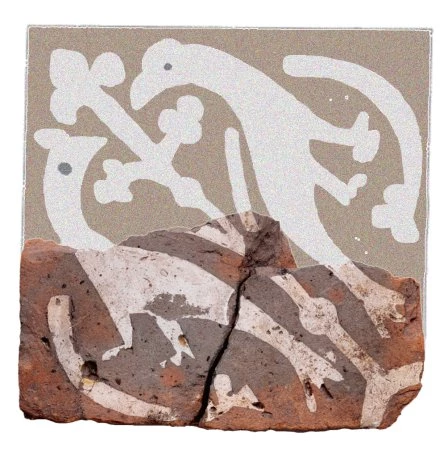
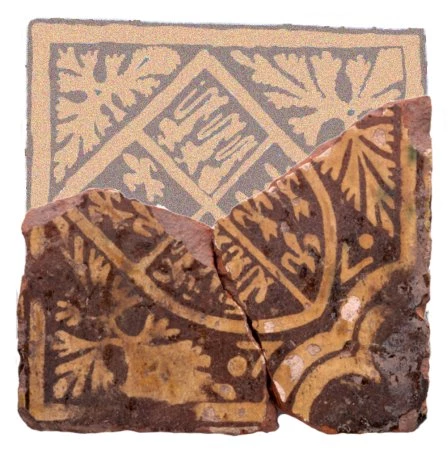
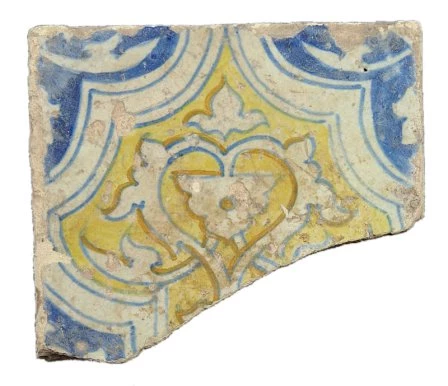
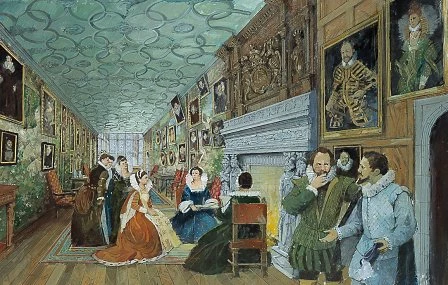
The decorated floor tiles from Raglan Castle 6 September 2007 Raglan Castle. The castle's fortifications, including the Great Tower shown at the centre of this view, were established in the 15th century. Image: Cadw (Crown copyright). Late 13th to early 14th-century tile of the Wessex School from the chapel at Raglan. 15th-century Malvern-school tile used at Raglan. 16th-century maiolica tile from the chapel floor laid by Earl William, probably before 1572. Reconstruction of life at Raglan Castle in the 16th century, at the time of the Third Earl of Worcester. Image: Cadw (Crown copyright). Three centuries of fashion and design can be seen in a collection of decorated floor tiles found during building works at Raglan Castle in 1947. In 1549 William Somerset (1526-1589) succeeded to his father's position as third Earl of Worcester and owner of Raglan Castle. From this base in south-east Wales he launched a career that was to see him thrive at the courts of Edward VI (1547-53), Mary (1553-58) and then Elizabeth I (1558-1603). He is buried in Raglan parish church. Such a prominent figure lived a lifestyle that suited his high social standing, and we can see this aspiration in the extensive remodelling that he undertook of the fortress-mansion he had inherited. He set about an extensive programme of modernisation that affected all parts of the castle and its grounds: the hall and accommodation were improved, kitchen and service areas upgraded, a long gallery was introduced and gardens created in Renaissance style. The Castle's furnishings were also updated with items that reflected contemporary European fashion. This is illustrated in the chapel at Raglan. Raglan Chapel The chapel at Raglan dates from at least the 13th century. It had a floor of thick red earthenware tiles with decoration inlaid into its surface using a contrasting colour. Such two-colour tiles often had designs of shields and monograms, over which a clear glaze would be fired. These tiles were the height of fashion in the mid-14th century. About 1460, these tiles were replaced with two-colour tiles of bright yellows and golden browns. This must have provided a rich backcloth for the treasures of the chapel. However, these designs were not to the taste of Earl William. He preferred the fashionable products of the Spanish Netherlands, and used his considerable wealth to purchase tin-glazed earthenware tiles painted in a polychrome style that was popular in the Renaissance period. The result was a dramatic transformation of the chapel, lightening its interior and adding delicacy to its decoration. Sadly, the abandonment of Raglan in the wake of the English Civil War has left few traces of the other changes that Earl William made to the interior furnishings of his castle. We are left instead to speculate on the luxury he must have brought to it, and to reflect on the transient nature of that wealth, surviving as it does in a small collection of painted floor tiles and a handful of other items. Guide to the Tiles Late 13th- to early 14th-century tile of the Wessex School from the chapel at Raglan. It shows two birds feeding from a central tree. Tiles with this design were also used at nearby Tintern Abbey and White Castle. 15th-century Malvern-school tile used at Raglan. The Latin text reads 'May the peace of Christ be amongst us always. Amen'. 16th-century maiolica tile from the chapel floor laid by Earl William, probably before 1572. These tiles were probably imported from the Spanish Netherlands, perhaps Antwerp, where maiolica production had been established in the early 16th century. Background Reading Raglan Castle by J. R. Kenyon. Cadw (2003). 'The chapel at Raglan Castle and its paving tiles' by J. M. Lewis. In Castles in Wales and the Marches by J. R. Kenyon and R. Avent, pp.143-60. University of Wales Press (1987). The medieval tiles of Wales by J. M. Lewis. Amgueddfa Cymru (1999).
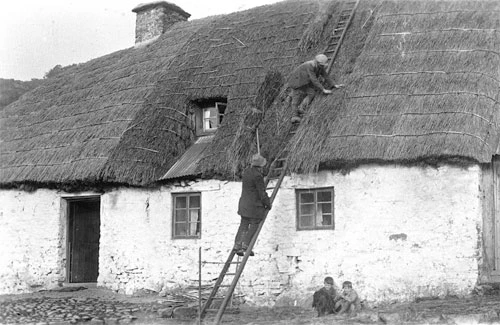
The disappearance of the rural Welsh cottage 6 July 2007 Mud walls and thatched roofs Today, hardly any rural cottages erected since before the middle of the eighteenth century survive in Wales — it was generally believed that the poor simply could not afford materials good enough to last. New research suggests that this is not the case. In fact, cottages were built with great ingenuity and attention to detail, using the best materials available locally. Examination of Welsh cottages and the study of contemporary surviving accounts by Amgueddfa Cymru have concluded that it was a lack of maintenance and, above all, changing fashions brought about by the Industrial Revolution that led to their disappearance. Sustainable construction Transporting materials cost money so traditional builders were expert at exploiting their local environment in a sustainable way. Cow dung, for instance, provided fertilizer for the fields, was used in the making of clay flooring, added to help bind cottage walls and also as a fire-retardant for chimneys made of woven wattle. Earth and turf As the poor could not afford bricks, cottage walls were built from stone, earth or timber. They used whatever they could most readily and cheaply get. In western lowland areas of Wales — Anglesey, Llŷn and west Wales — that was often earth. Few earth cottages survive in Wales today; many more can by found in the drier areas of England. In the very wet uplands, many turf-walled cottages were built, as turf lasted much longer than earth. Thatched roofs Up until the development of the great slate quarries of north Wales in the 19th century, and the coming of railways, thatch was a very common material. Today, very few thatched roofed buildings survive compared to in England. Four different thatching techniques were common in Wales; only one still survives today in eastern Wales. In west and north Wales the top coat of thatch was formed of knotted handfuls of straw thrust with a forked implement into a thick underthatch layer. The underthatch itself was often laid on a woven wattle foundation. In the most exposed areas, the roof could be held down by a network of ropes pegged to the walltop, or held down by heavy stones. Chimneys of straw and wattle Cottage floors were often earth or mud. Partitions could be made of woven wattle or straw rope, covered with daub. The smoke hood above the chimney-stack was also often of daubed wattle, as was the chimney stack itself; no wonder that so many of these cottages were destroyed by fire. But however sustainable the building materials used in these cottages, they fell prey to changes in society, and to fashion. Changing fashions With the growth of the Industrial Revolution, and the importation of food from abroad, more and more people left the countryside, most of them cottage dwellers. More and more cottages, too, became the property of great estates, who began building larger homes for their workers. It was often easier to demolish the early cottages than it was to give them a second storey or to adapt them. Today, traditional early cottages are rare survivals, and all the best remaining examples are listed as being of special architectural importance.