: Natural History

Dinosaur relatives swam in south Wales

26 July 2007

Amgueddfa Cymru holds fine specimens of prehistoric marine animals, related to the dinosaurs, that swam off the coast of south Wales. Specimens from Dorset illustrate how, once, an ancient sea linked the two areas.

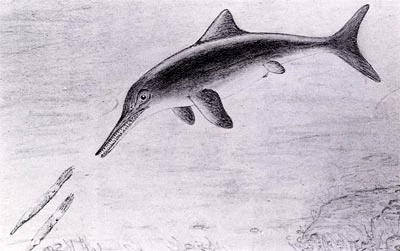
Reconstruction of an ichthyosaur chasing its squid-like prey

Reconstruction of an ichthyosaur chasing its squid-like prey

Tropical Wales

About 210 million years ago the small part of the Earth's crust that is now Wales lay well to the south of its present latitude, probably close to the northern tropics, where the land formed part of a huge supercontinent called Pangaea. Our climate was hot and humid, with much of Wales comprising barren uplands surrounded by desert-like mudflats. To the south, and spreading far across into Europe, was a series of large lakes.

Wales drowns

As the continents drifted northwards the crust broke up and at various times the seas rose and spread across the land. With these spreading seas came new marine animals that we now see fossilised in the rock record. Some of the most beautiful and spectacular are the marine reptiles known as ichthyosaurs (literally, 'fish lizards'), which were distant cousins of the land-living dinosaurs.

By 200 million years ago, early in the Jurassic Period of geological time, the sea covered southernmost Wales. On the sea-floor, a blanket of fine lime sands and muds was deposited, which have since been compacted into the horizontally bedded mudstones and limestones forming the familiar cliffs in the Lavernock area and extending westwards from Barry to Southerndown.

Abundant fossils

Ichthyosaur remains are not uncommon in these rocks, although they are mostly found as isolated teeth and bones. The fragmentation took place following the death of the animals, when the skeletons were broken up by currents and wave action. Only rarely have more complete specimens been found in south Wales. In contrast, rocks of the same age in Somerset and Dorset have long been known as a rich source of complete or almost complete ichthyosaur skeletons.

The early Jurassic sea extended from the shoreline area of southern Wales across south-west England and beyond to central Europe. In the progressively offshore, deeper-water areas to the south, wave action and coastal currents were weaker, so skeletons were more likely to sink to the sea floor and remain more or less intact. Even so, such skeletons are still found only comparatively rarely today, so we are very lucky to have several almost complete ichthyosaurs in our collections from Lyme Regis in Dorset. Some of the most impressive are on display in the exhibition Evolution of Wales at National Museum Cardiff.

The fact that 200 million years ago the sea was continuous from south Wales across to Dorset means that we can use these beautiful fossils to illustrate part of the history of our area. The Dorset fossils are the same species as those found in the Glamorgan cliffs, and the animals would have been swimming freely between the two regions.

The specimens on display show beautifully the streamlined, dolphin-like shape of the ichthyosaurs. They were adapted superbly for rapid swimming, with propulsion by a large, vertical tail and steering with four flipper-like paddles. Their diet probably consisted mostly of fish and squid.
460-million-year-old relatives from Wales and Belgium reunited

26 July 2007

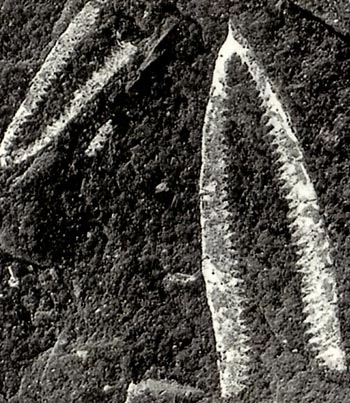
Didymograptus, a 'tuning-fork' graptolite of the kind found commonly in both areas.
Didymograptus

, a 'tuning-fork' graptolite of the kind found commonly in both areas.

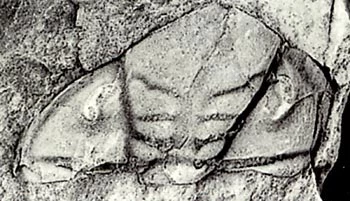
Pricyclopyge, a large-eyed pelagic trilobite
Pricyclopyge

, a large-eyed pelagic trilobite that is widespread in Britain and northwest Europe.

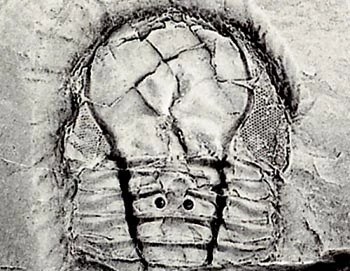
Headshield of Ormathops,

Headshield of Ormathops, a benthic trilobite endemic to Bohemia.

Llanvirn Farm, Abereiddy, Pembrokeshire

In the late 19th century, Henry Hicks, a surgeon from St David's, took up an interest in the ancient rocks of north Pembrokeshire. In 1881, he named the rocks at Abereiddi Bay the "Llanvirn Group", after a nearby farm. Today, this name is internationally recognized and is found in geological publications all over the world - fame indeed for a small farm on the windswept Pembrokeshire coast.

Staff at Amgueddfa Cymru have been studying Llanvirn rocks and their fossils for over thirty years. In 2000, Dr R Owens of the Department of Geology was invited to examine fossils from rocks of the Llanvirn Series that are exposed in the Meuse valley in Belgium. Trilobite species found in these rocks were compared to those from the British Isles.

Identical fossils from Wales and Belgium

Fossils in Llanvirn rocks tend to be difficult to find without a good deal of time and effort. The graptolites and trilobites discovered in Belgium are all identical with those found in Wales and the Lake District. The Llanvirn rocks in which the fossils occur are understood to have been laid down in the deep ocean.

During the Ordovician period when Llanvirn rocks were deposited, southern Britain, Belgium and northern Germany were all part of a small continent named Avalonia, separated from the vast continent of Gondwana by the Rheic Ocean.

Blind trilobites

Trilobites that are thought to have lived only on the sea floor (benthic species) tend to be confined to specific areas, but those thought to have swam the ocean waters (pelagic species) are widely distributed. One of the trilobite species found in Belgium has enormous eyes and is thought to be pelagic. This fossil is common in many areas. By contrast, another one, described originally by Hicks from Abereiddi, is blind, and is thought to have been benthic. However, it also has a wide distribution, which in this case is more difficult to explain. It could have spent a long time as a small larva, allowing it to drift around and causing a wider distribution of the fossils; alternatively it might have been pelagic, living in and around floating masses of seaweed.

Ordovician rocks that are younger than those of the Llanvirn Series also crop out in the Meuse valley and these contain trilobite species that are also found in north Wales and northern England. These show that throughout the Ordovician Period, Belgium remained part of Avalonia. However, rocks that occur between these and the earlier Llanvirn rocks contain trilobites unlike those from Britain, but which closely resemble fossils from Bohemia. It is unlikely that part of Avalonia split away, moved closer to Bohemia and then merged back again. So why the similarity of these trilobites to those of Bohemia?

The answer could lie in the underwater environment becoming more similar to that of Bohemia than to southern Britain. Although the relative longitudes of Bohemia and Avalonia are unknown, the distance separating the two areas must have been sufficiently close to allow the trilobite larvae to cross between the two and become widely distributed.

The outcome of this work has been to confirm close fossil links across parts of Pembrokeshire and Belgium 460 million years ago, but also to highlight problems of fossil distribution that have yet to be fully resolved.

Britain's farmland birds in trouble

23 July 2007

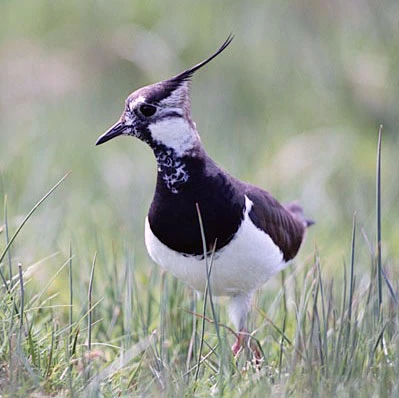
Lapwing (Vanellus vanellus)

Lapwing

Lapwing

The British population dropped by 40% between 1970 and 1999. They mainly breed on damp meadows and rough pasture. In winter they can be found in large flocks on ploughed fields and coastal salt marshes.

The draining of damp meadows and the change to sowing crops in autumn have had the most impact on them. There are now fewer ploughed fields for them to feed on in winter, and by spring crops are too tall for them to nest in.

Managing lowland farms to provide the right habitat works. Recreating damp meadows leads to an increase in breeding birds.

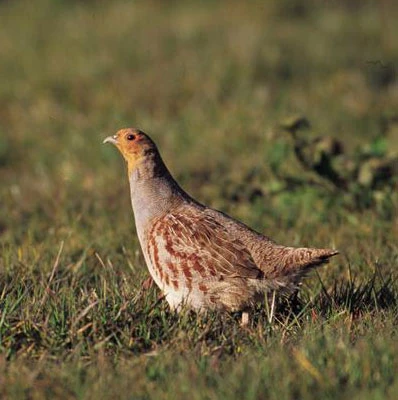
Grey Partridge (Perdix perdix)

Grey Partridge

Grey Partridge

The British population dropped by 86% between 1970 and 1999. They breed in rough field edges with hedgerows nearby. They do not move far in winter and are found in more or less the same places.

The loss of hedgerows, spraying of field edges with weed-killer and the change to sowing crops in autumn have had a severe impact on them. This has removed nesting sites and winter feeding areas.

The good news is they respond very quickly to improvements to their habitat. Numbers of breeding birds can be doubled within two years simply by providing the right habitats at the right time of year.

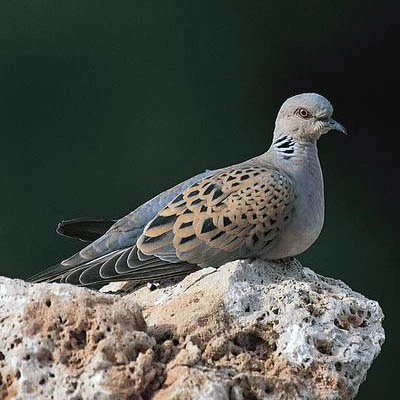
Turtle Dove (Streptopelia turtur)

Turtle Dove

Turtle Dove

The British population dropped by 71% between 1970 and 1999. They breed anywhere there is sufficient cover of hedges, trees and bushes. They winter around agricultural land in Africa, south of the Sahara desert.

They have suffered from the loss of field edges like the Grey Partridge. There are now fewer seeds of wild plants for them to feed on.

They face an additional obstacle too. They are hunted as they fly across Europe. Large numbers are shot in spring as they head back to Britain. European regulations have reduced this slightly but it still goes on, reducing numbers even further.

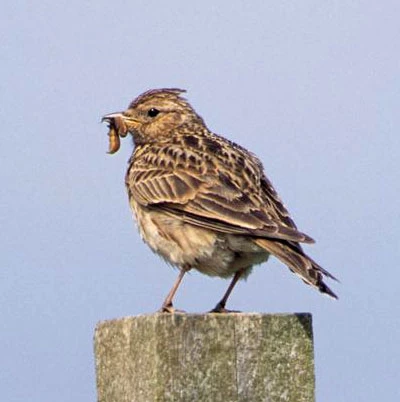
Skylark (Alauda arvensis)

Skylark

Skylark

The British population dropped by 52% between 1970 and 1999. Skylarks breed on lowland farmland and upland moors but need short, rough grass. In winter they flock together on ploughed and stubble fields.

On lowland farmland they have been hit hard by the move to intensive farming, which leaves less rough grassland to nest in. The change to autumn sowing of crops has deprived them of their favoured wintering areas.

Fortunately they respond very quickly if land is managed to suit them. The number of skylarks on a farm run by the RSPB has more than doubled in two seasons.

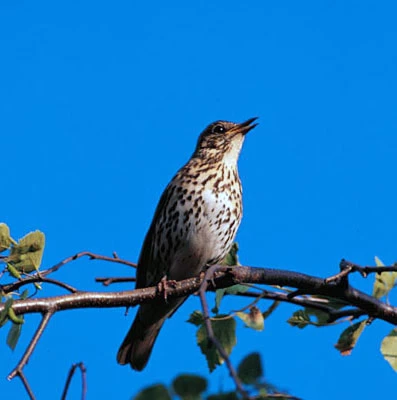
Song Thrush (Turdus philomelos)

Song Thrush

Song Thrush

The British population dropped by 56% between 1970 and 1999. Song Thrush breed in copses and hedgerows. In winter some of our birds move south-west into Ireland and France and we see large numbers of birds come in from Scandinavia.

Song Thrush have been hit hard by the move to intensive farming. Loss of hedgerows has taken away their breeding sites and pesticides have killed the animals they feed on.

Reducing the use of slug pellets will help the Song Thrush even in areas where their decline is not as serious. Farms need to move away from intensive farming, with hedgerows being replanted or unused fields being turned back into copses.

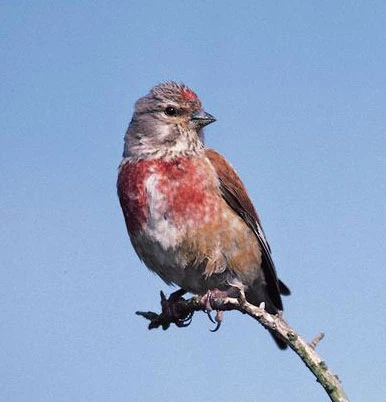
Linnet (Carduelis cannabina)

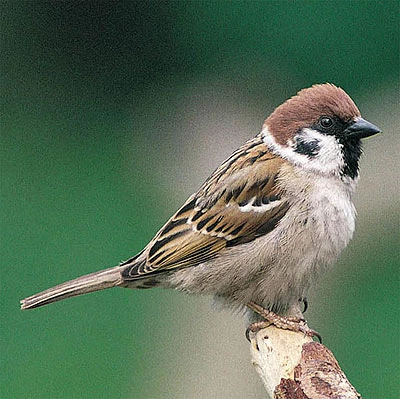
Tree Sparrow

Tree Sparrow

The British population dropped by 52% between 1970 and 1999. Linnets like to breed in hedgerows and scrubby areas. In winter they flock together and feed on weedy fields.

Linnets have been most affected by the removal of hedgerows and the loss of scrubby areas as the size of fields have been increased.

The increasing use of set-aside and reduced use of herbicides around field edges have seen Linnet numbers increase in some areas.

Tree Sparrow (Passer montanus)

Linnet

Linnet

The British population dropped by 95% between 1970 and 1999. This is the largest drop for any species in Britain. Tree Sparrows nest in holes in trees and buildings, and prefer open farmland with scattered trees and hedgerows.

The loss of food is the likely cause of this dramatic decline. Grain crops are taken straight from fields nowadays and there are fewer winter stubble fields. This means there is less spilt grain and seed around for birds to feed on.

Tree Sparrows can be helped by using less herbicides and pesticides around field edges and improving the variety of plants to provide food.

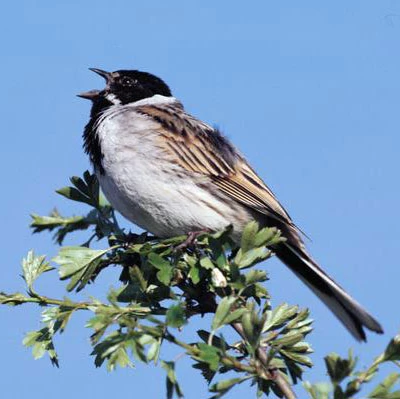
Reed Bunting (Emberiza schoeniclus)

Reed Bunting

Reed Bunting

The British population dropped 53% between 1970 and 1999. It nests in dense vegetation around ponds and wet areas. In the winter, it can flock together with finches and other buntings to feed in weedy fields.

Reed Buntings have been worst hit by loss of suitable fields to feed on during the winter. Draining of wetlands and general tidying of waterways have also not helped.

They can be helped in the same way as many other seed-eating birds. Reducing the use of herbicide allows a variety of plants to grow around field margins and in setaside, increasing the food supply. Maintaining vegetation around ponds and ditches will also provide nesting places.

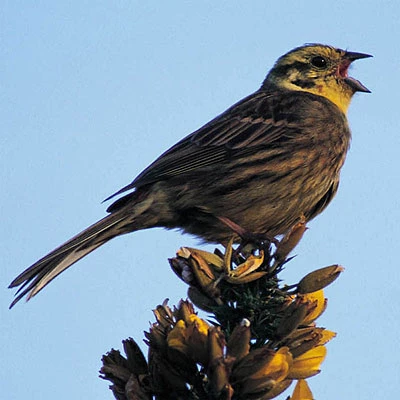
Yellowhammer (Emberiza citrinella)

Yellowhammer

Yellowhammer

The British population dropped by 53% between 1970 and 1999. It nests in open farmland with hedgerows and bushes. It's also found on heaths and commons. In winter they can be found in flocks together with other seed-eating birds such as Reed Bunting and Linnet.

Even seed-eating birds such as the Yellowhammer must feed their young on insects and other invertebrates. In common with many of the species featured here, they are affected by use of insecticide during spring and early summer.

A marriage of art and science - botanical illustrations at Amgueddfa Cymru

12 July 2007

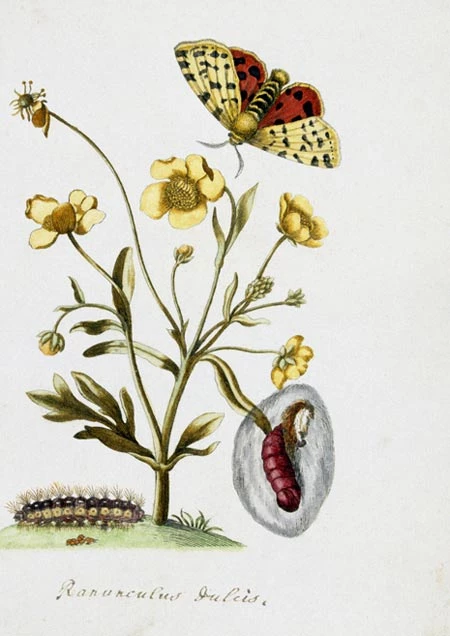
Botanical illustration

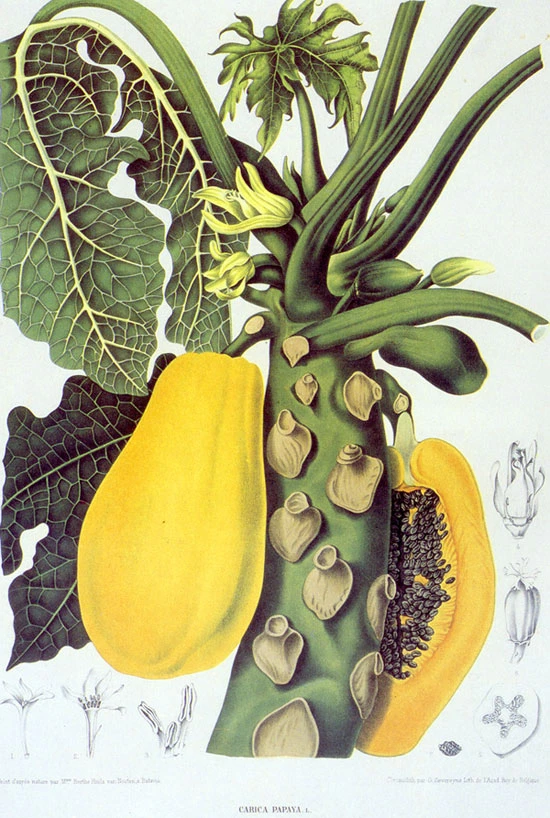
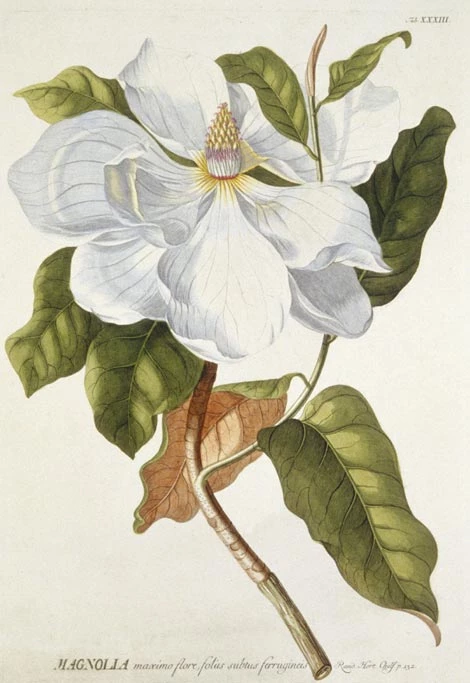
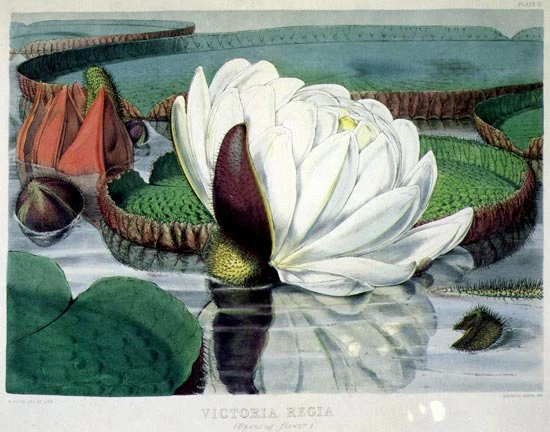
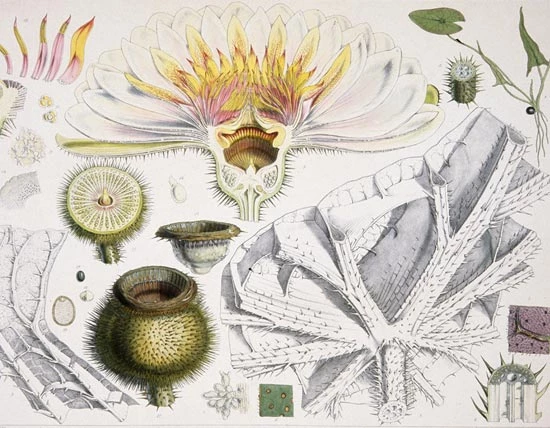
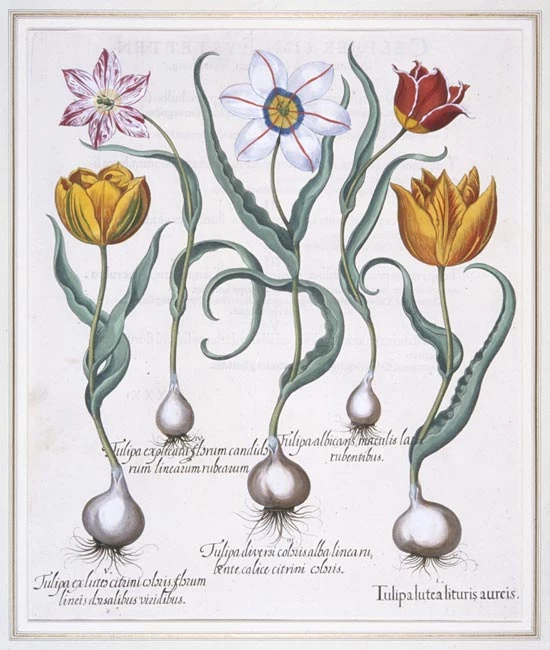
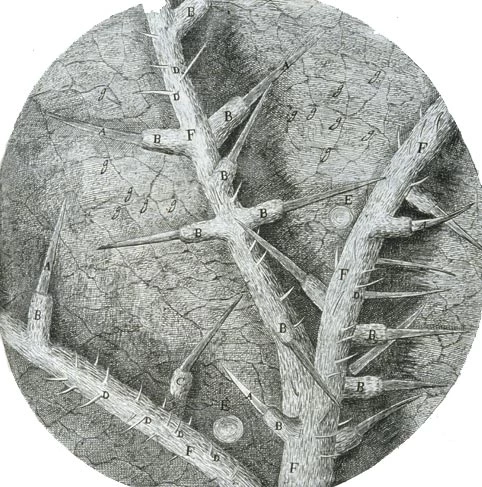
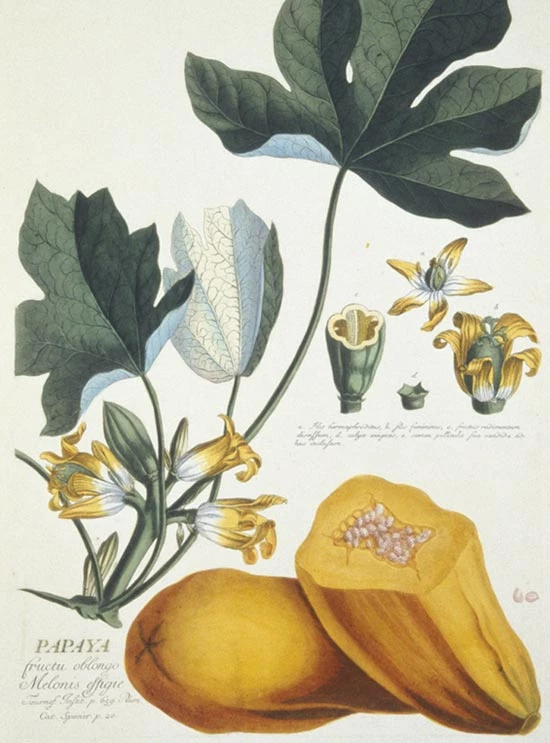
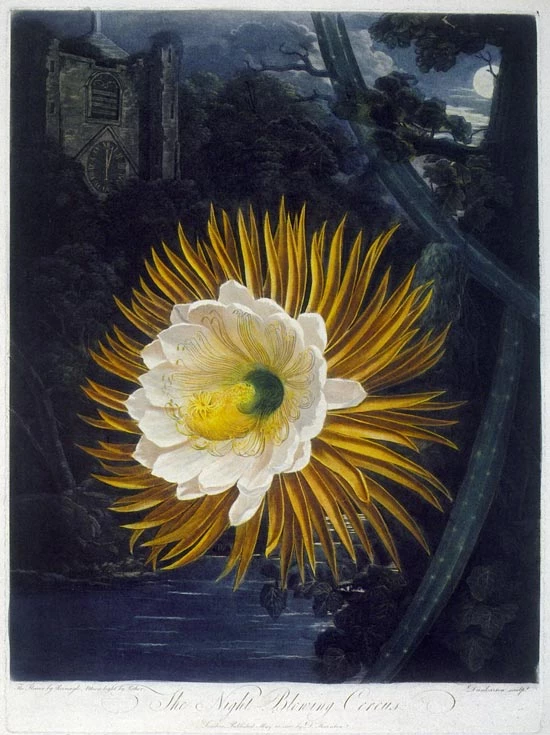
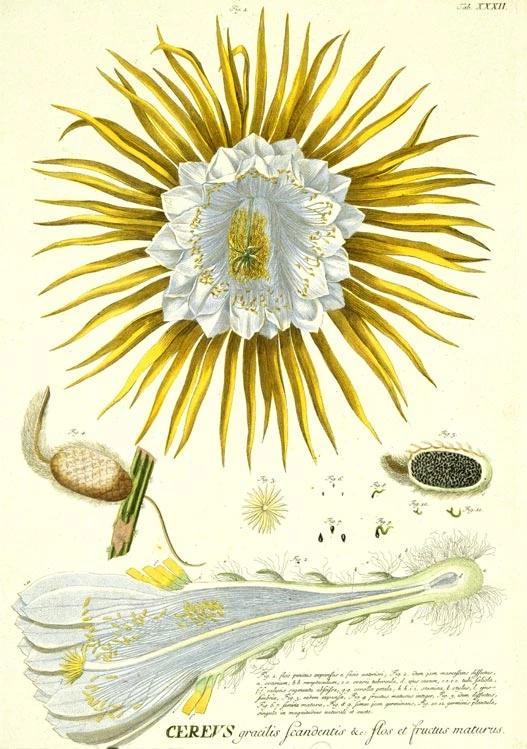
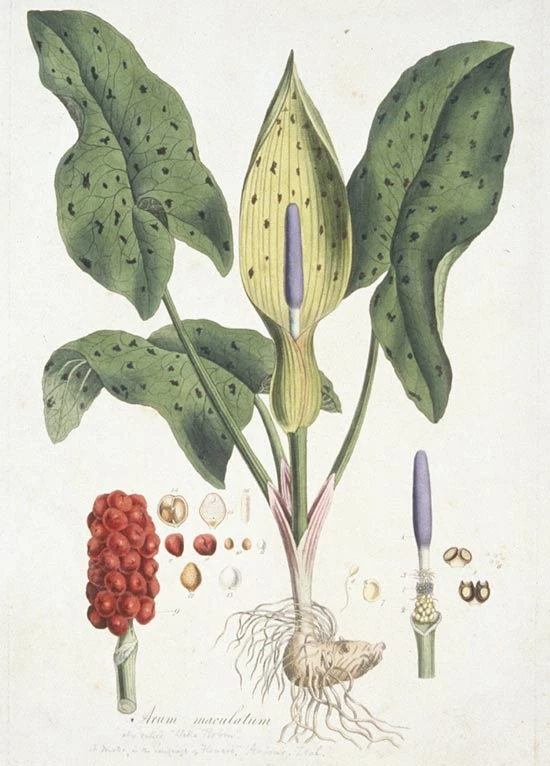
Mankind has always been fascinated by flowers and the plants on which they grow - by their beauty and their possibilities for healing and knowledge. The stories behind botanical illustrations are rich and intriguing in their own right - the desire to capture the flower before it fades often amounted to an obsession. Scientists risked life and limb to acquire new specimens and the collection of over 7,000 botanical prints and drawings at Amgueddfa Cymru reveals the human tales behind the history of botanical discovery.