: Wealth & Income

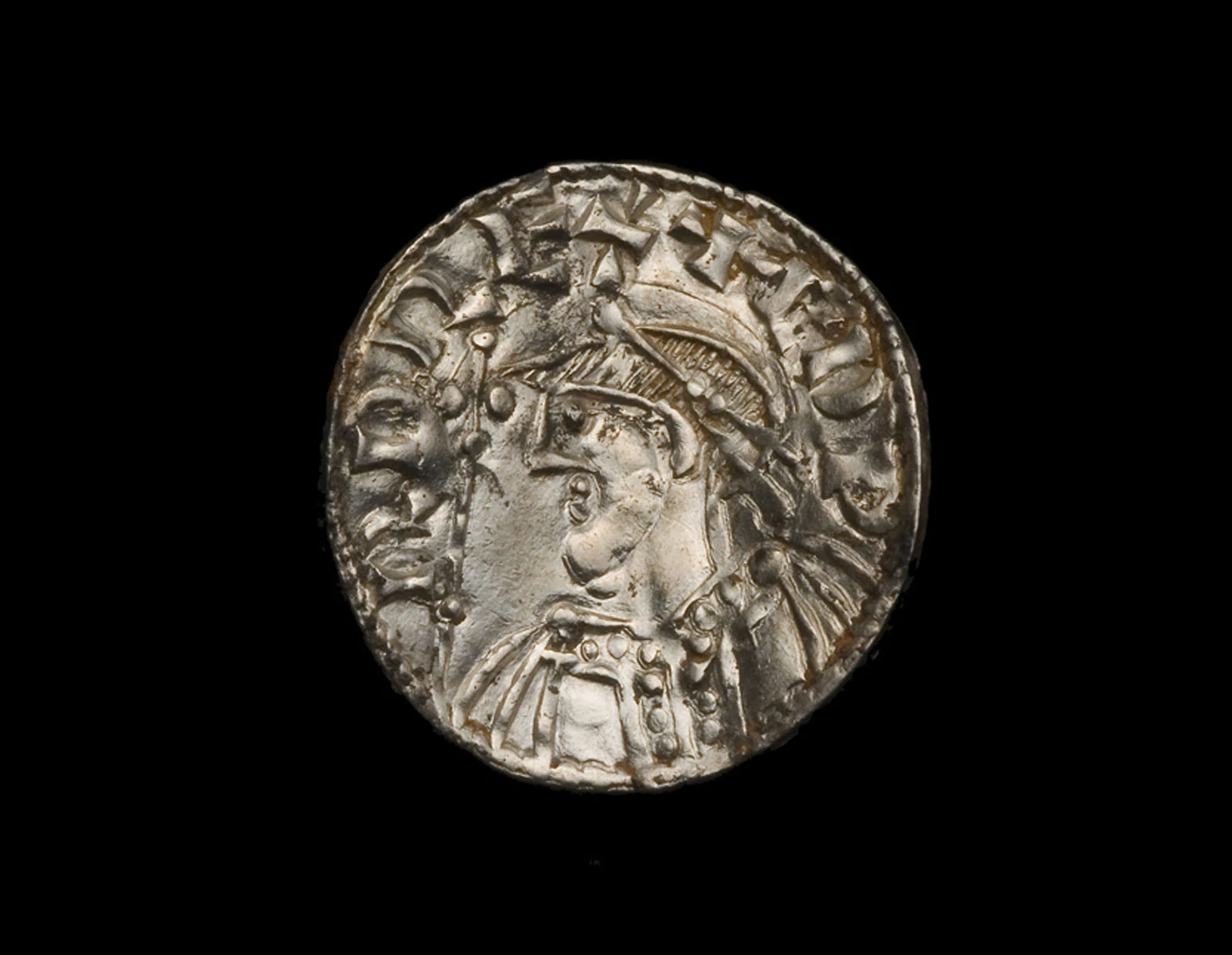
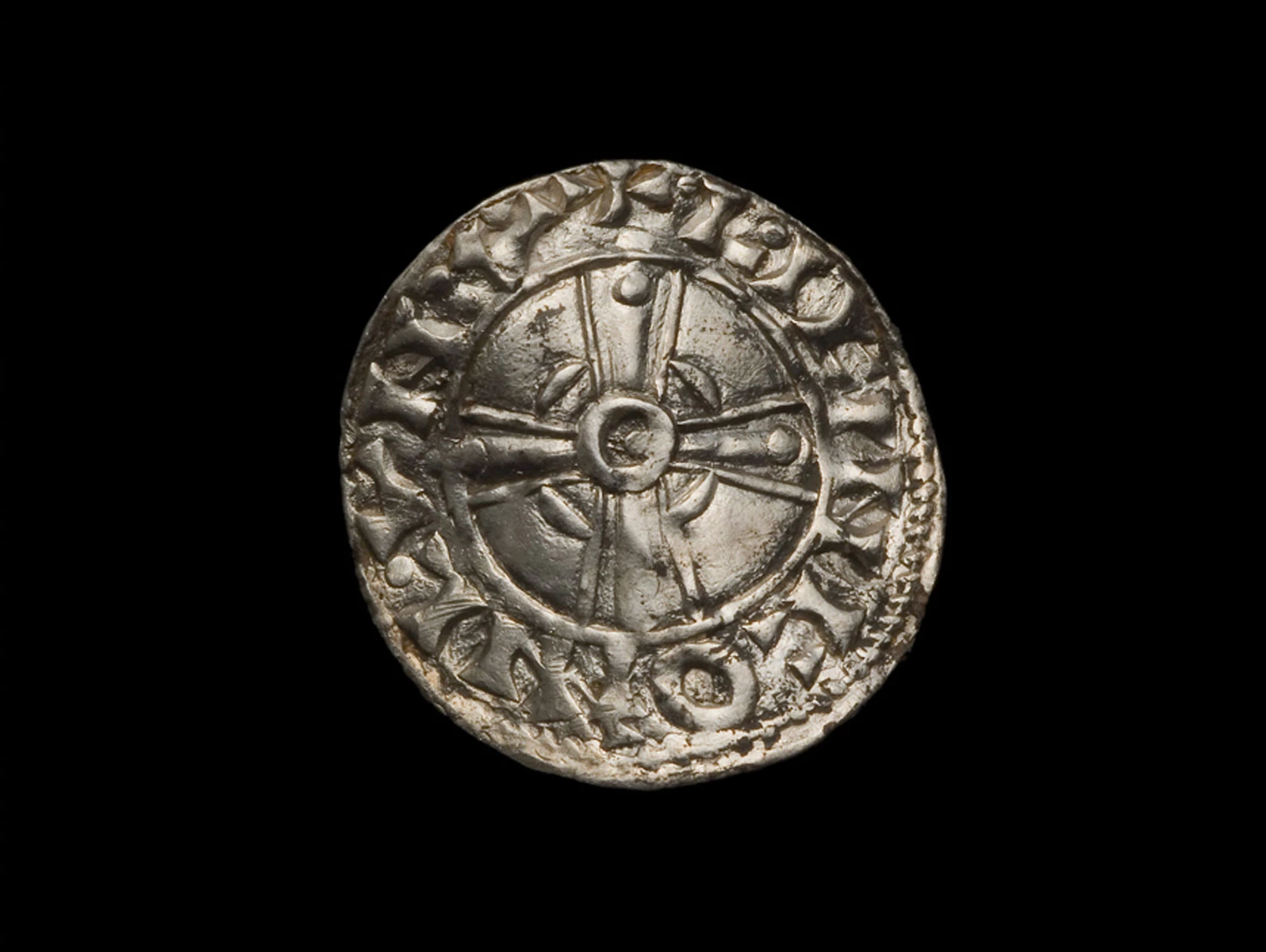
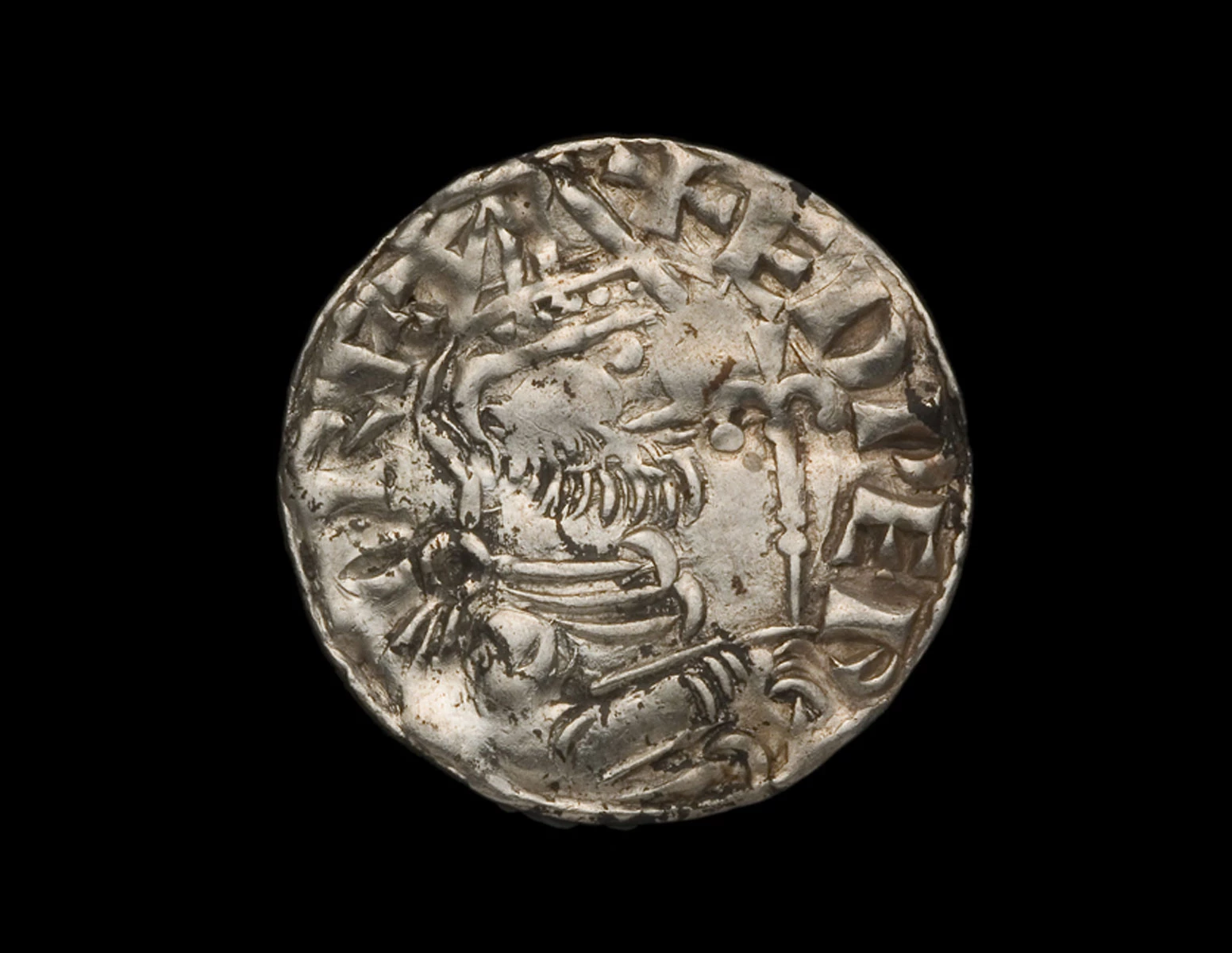
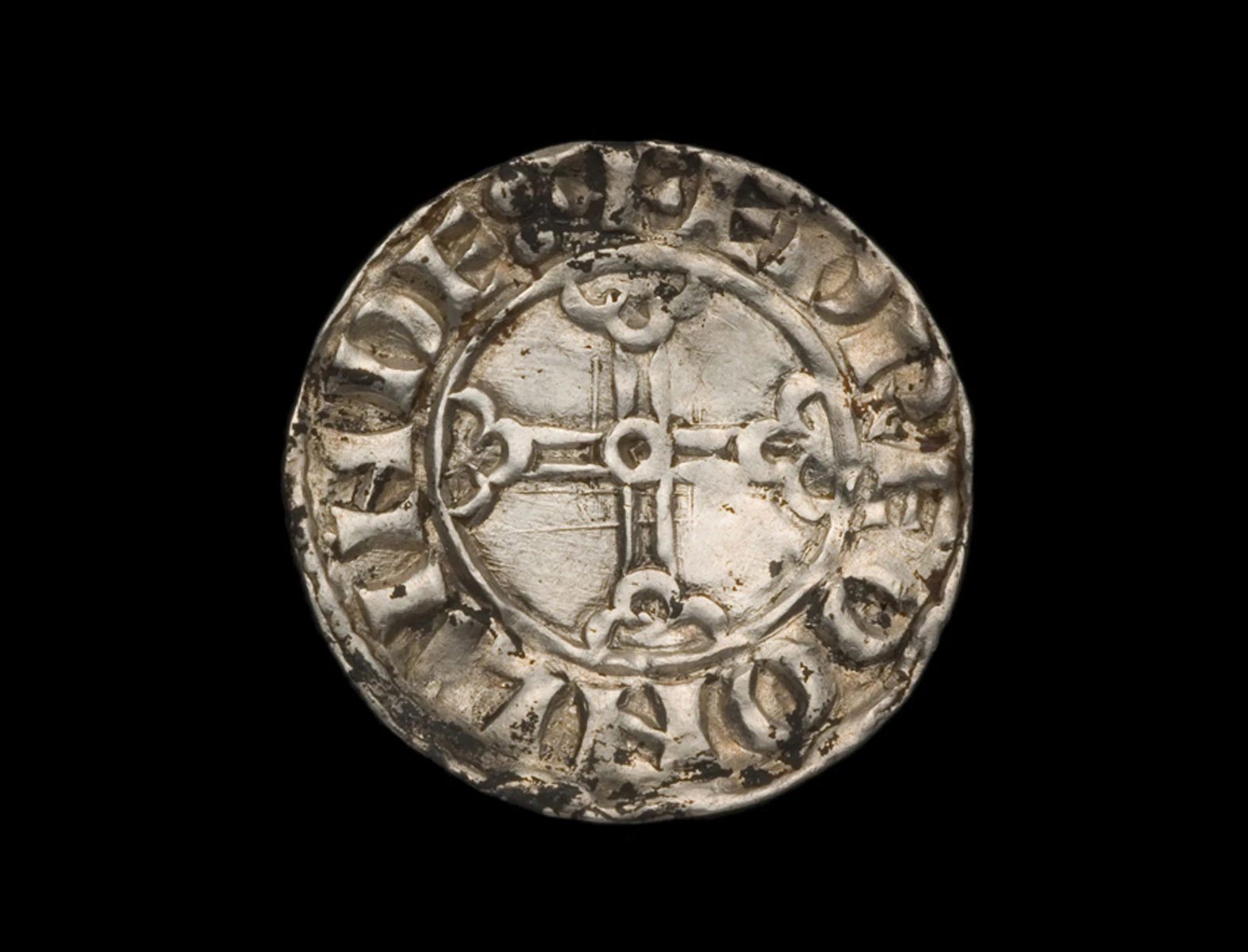
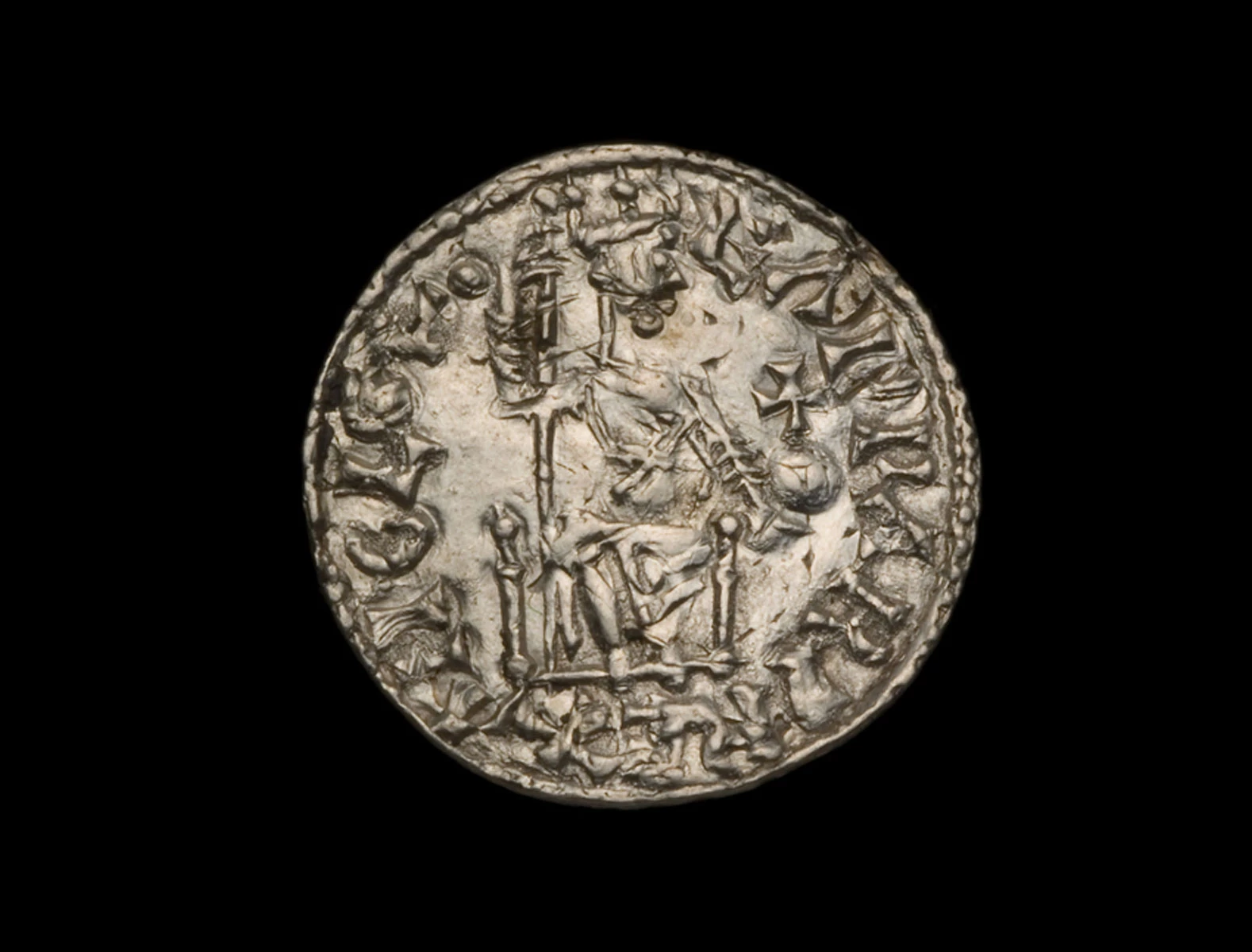
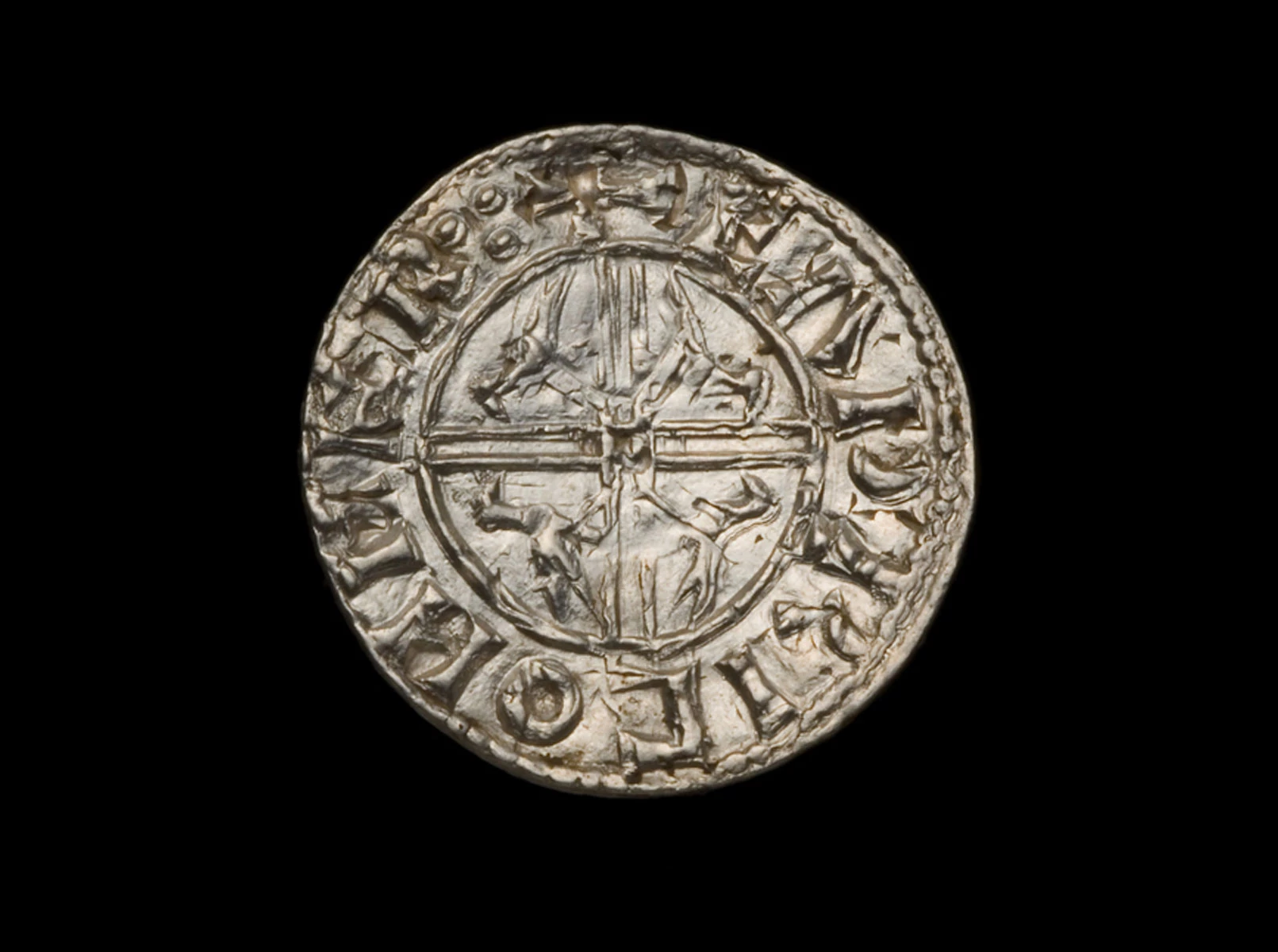
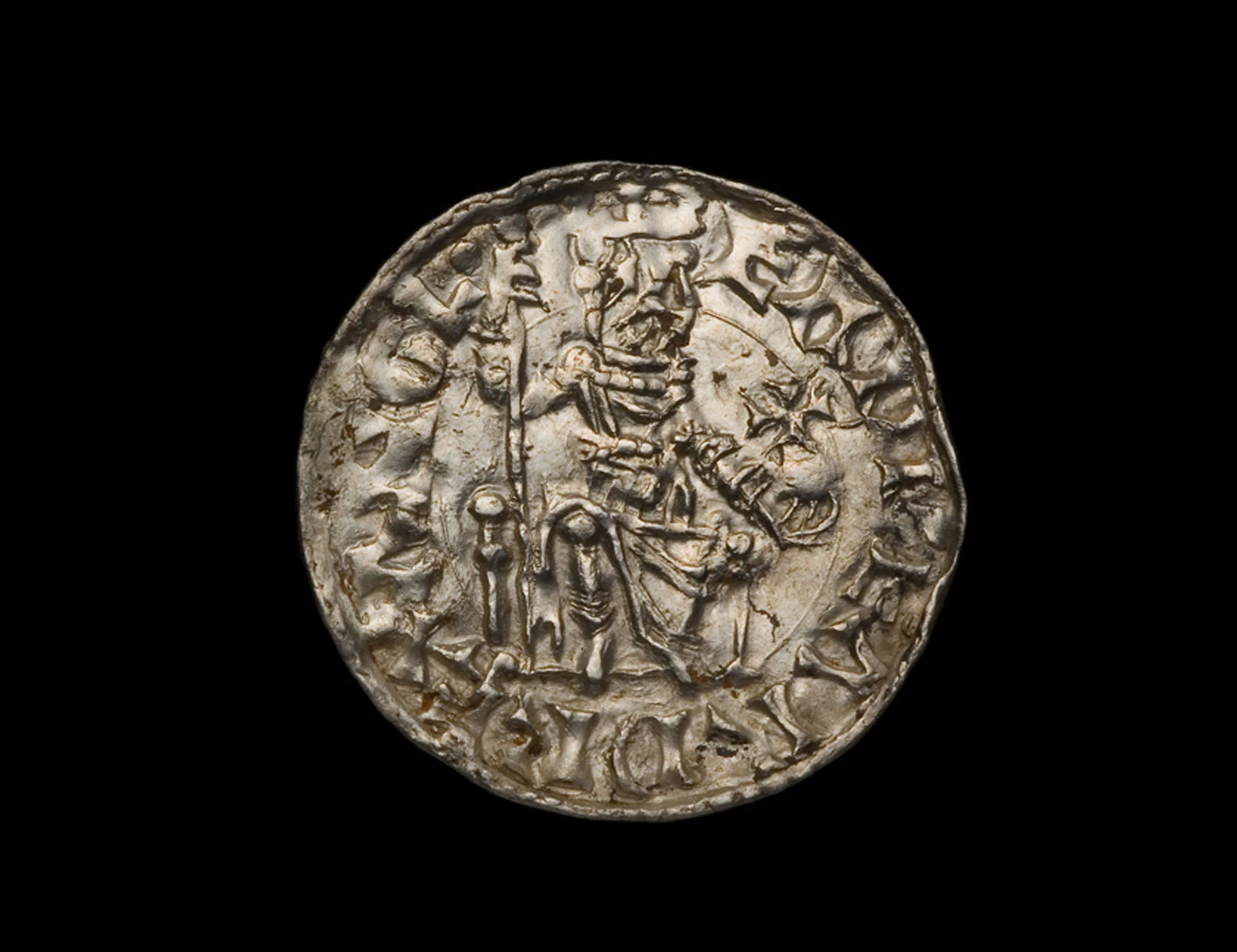
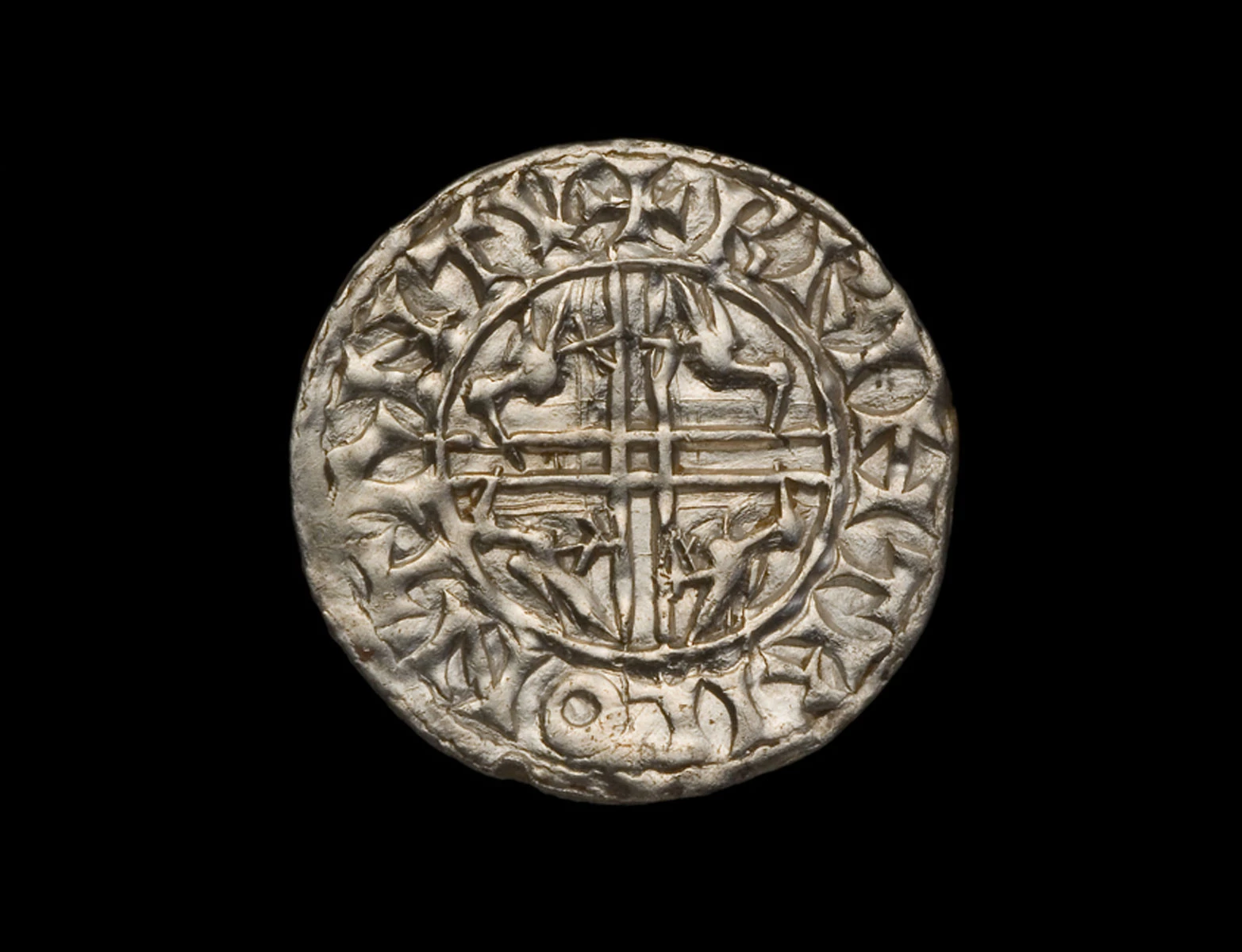
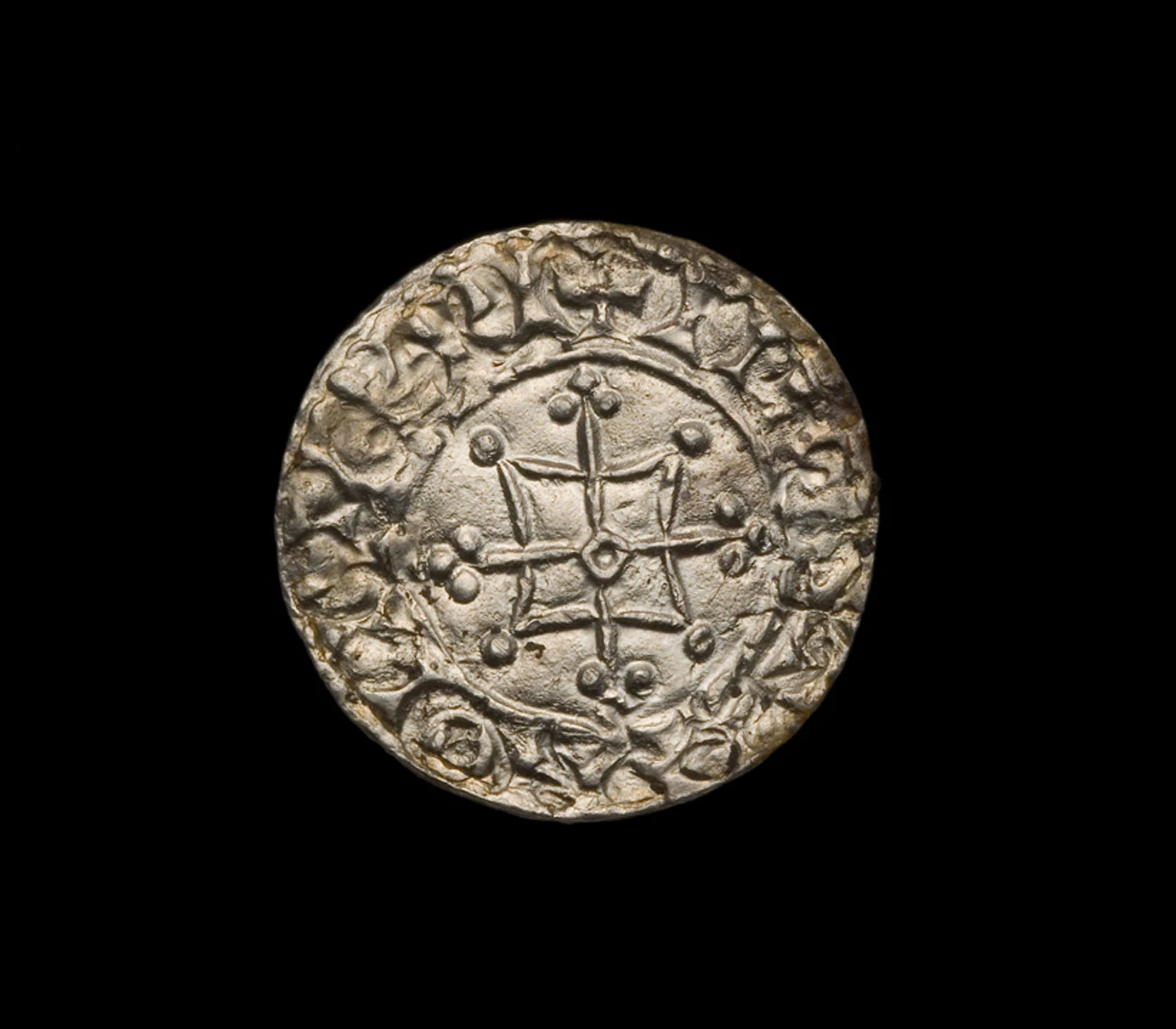
199 Silver Pennies - the Abergavenny Hoard

Edward Besly, 6 January 2017

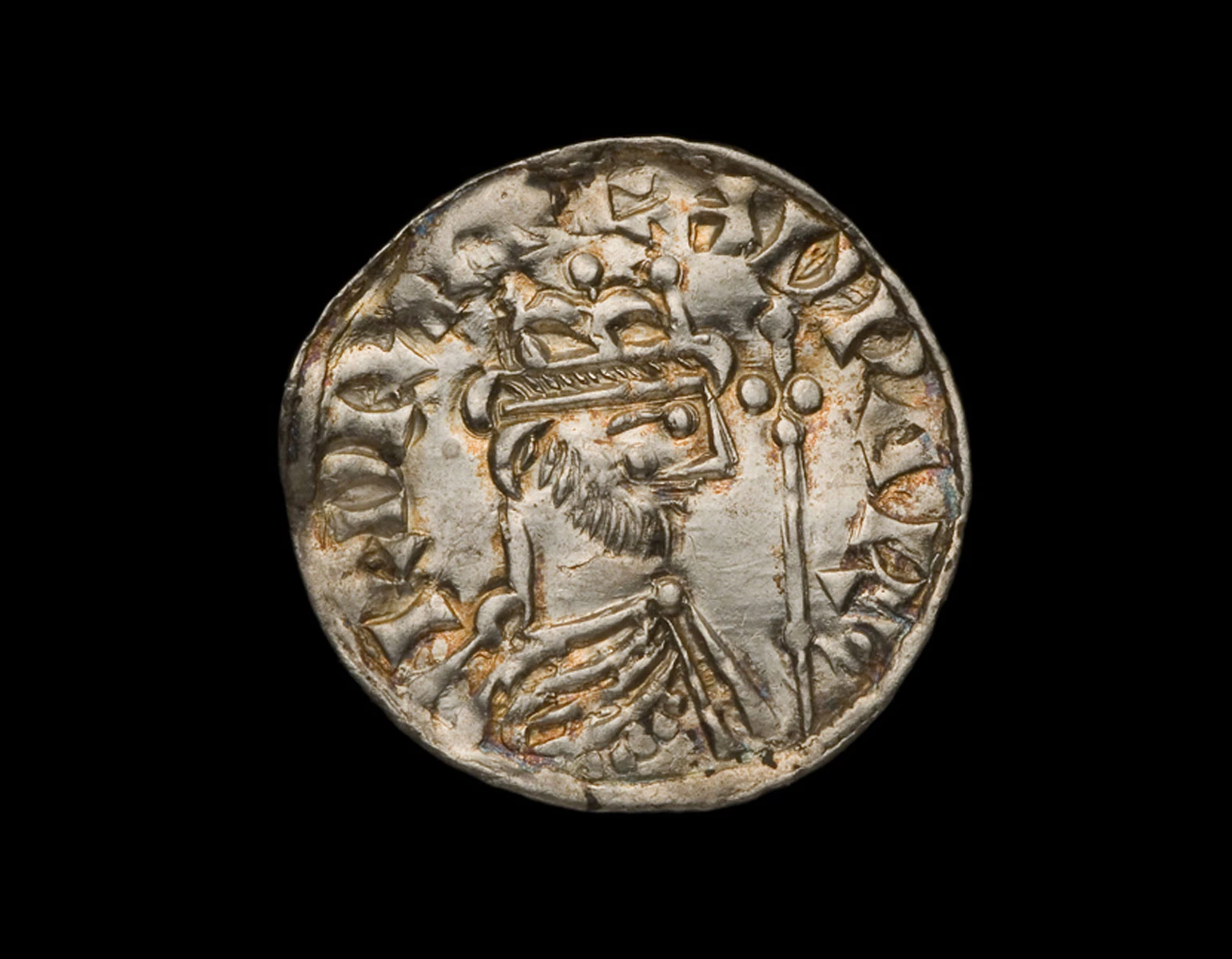
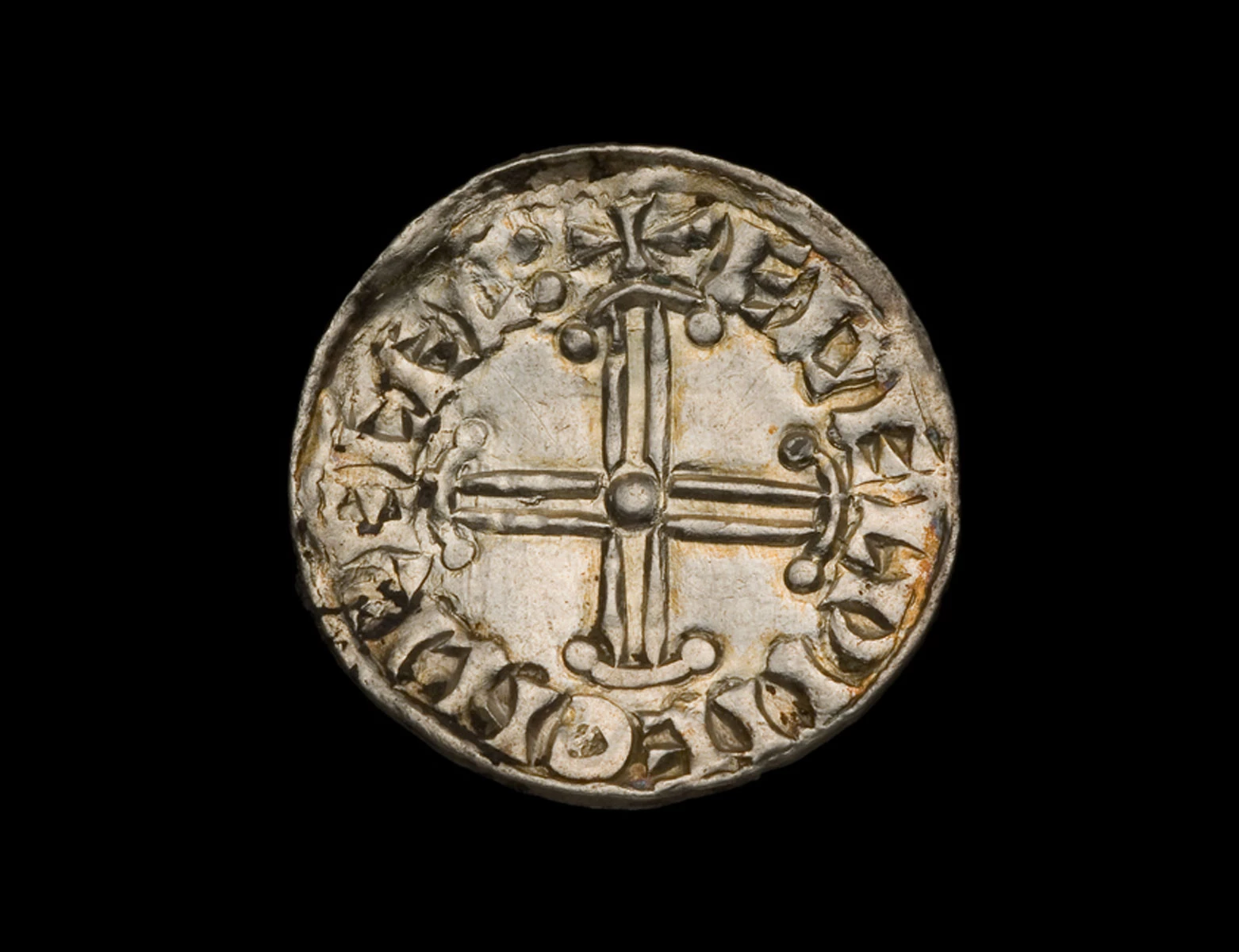
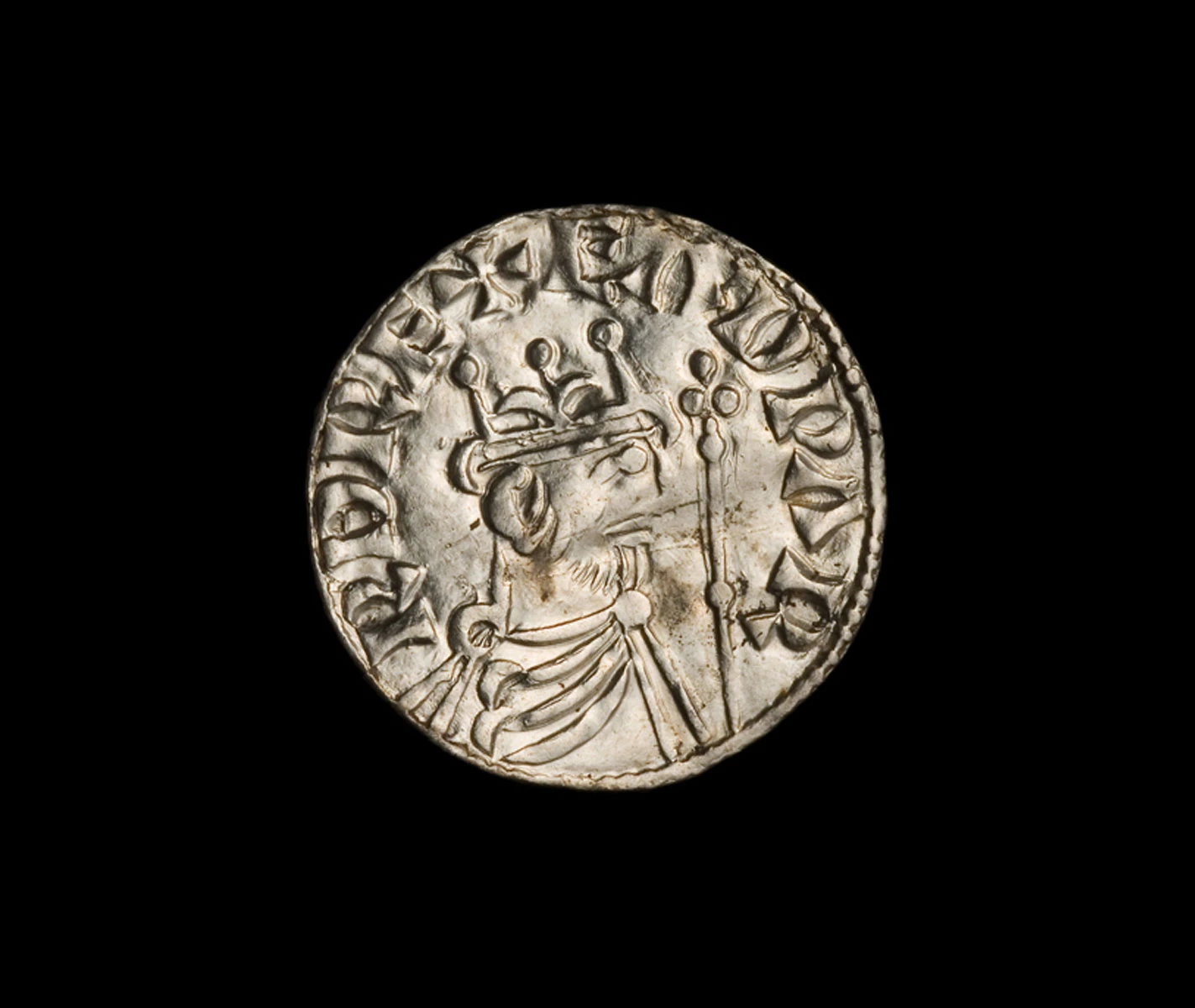
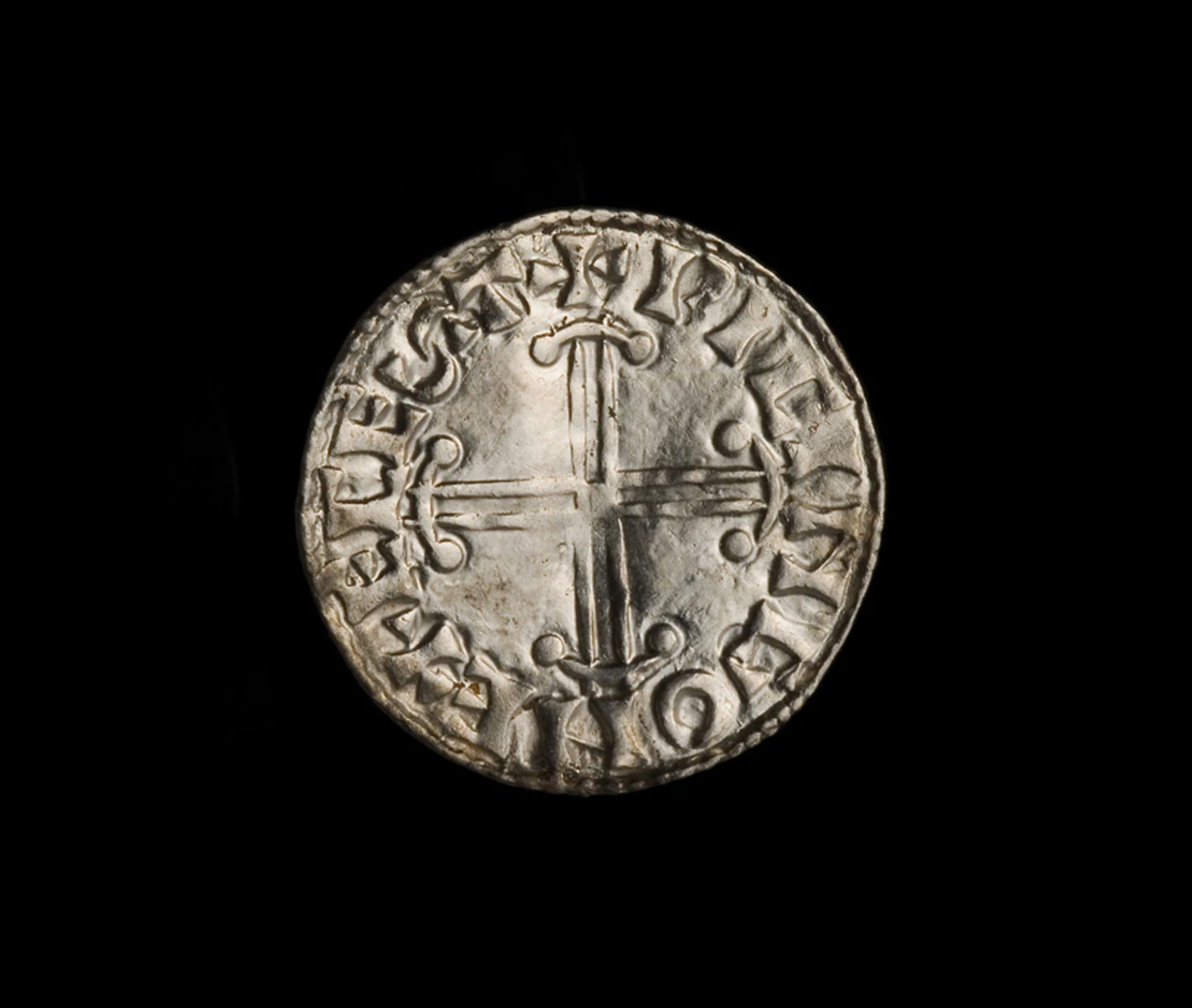
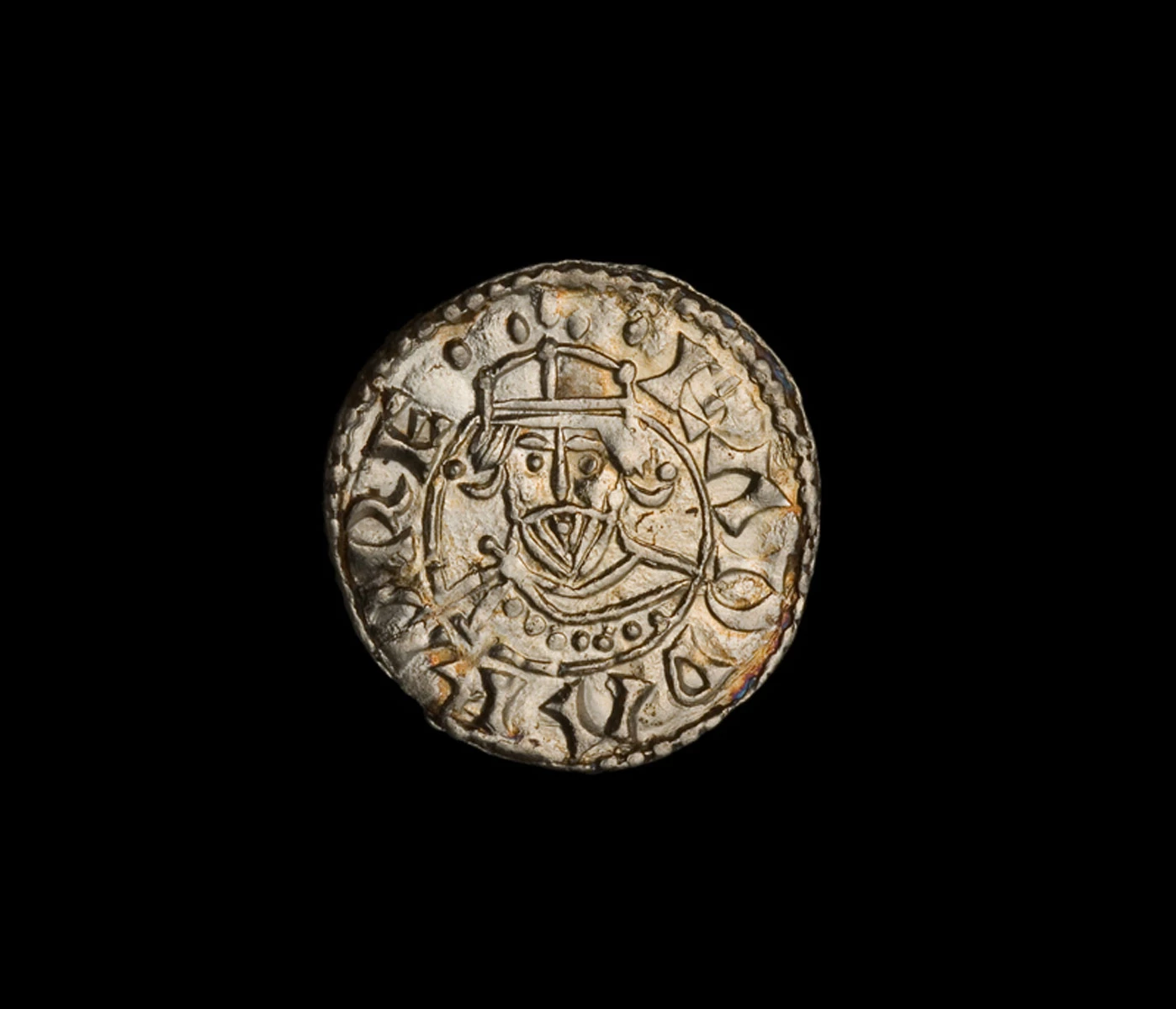
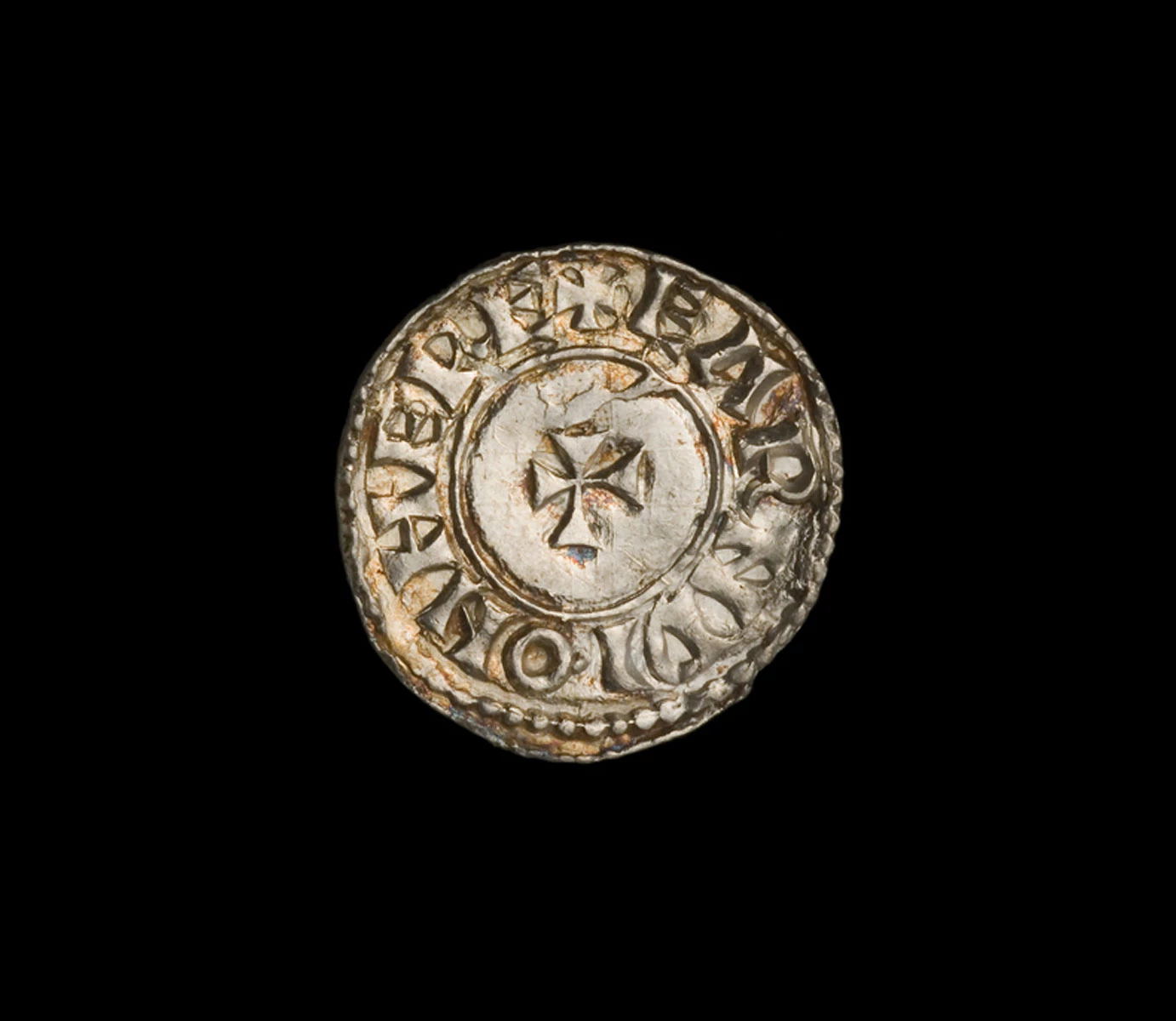
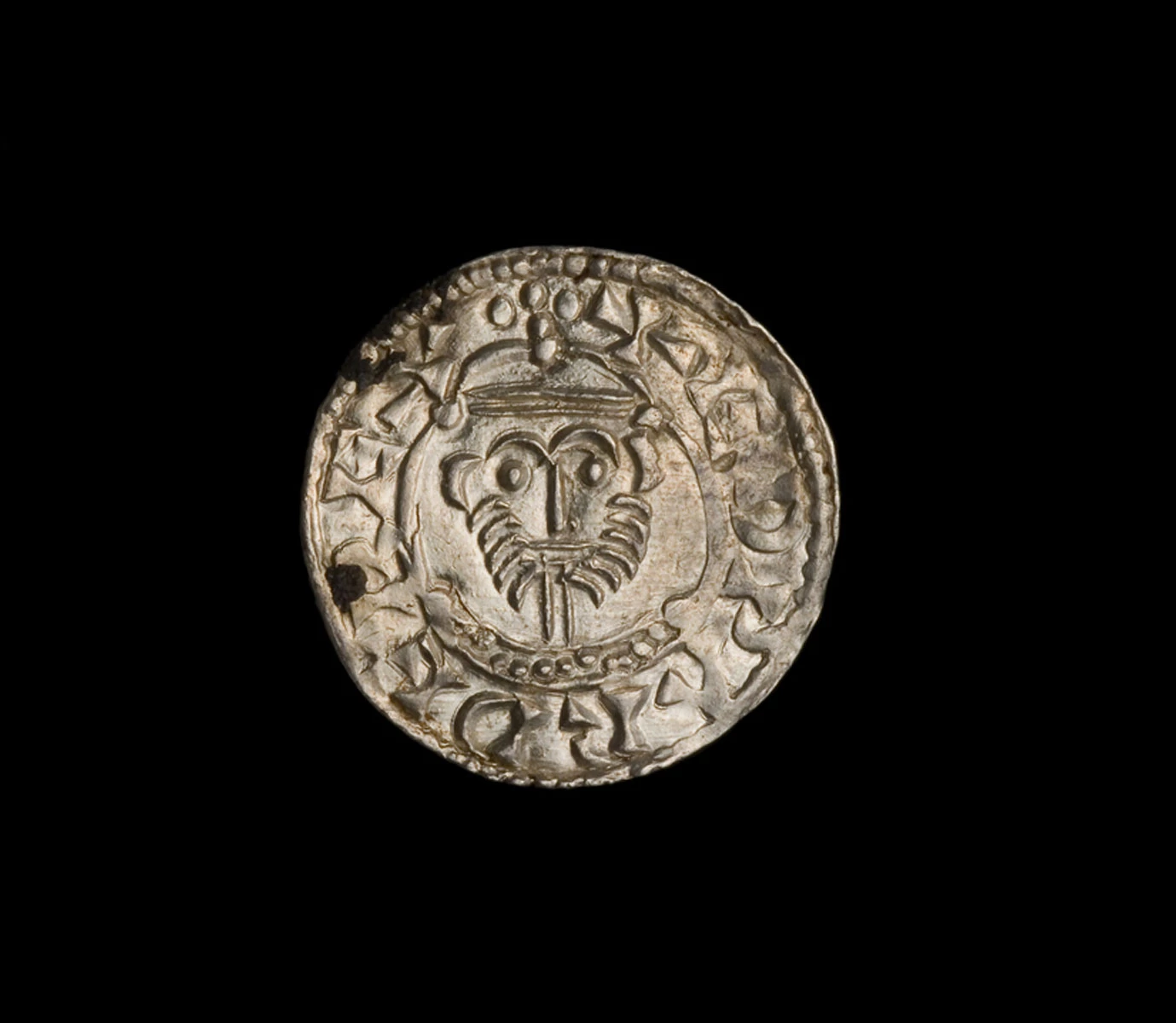
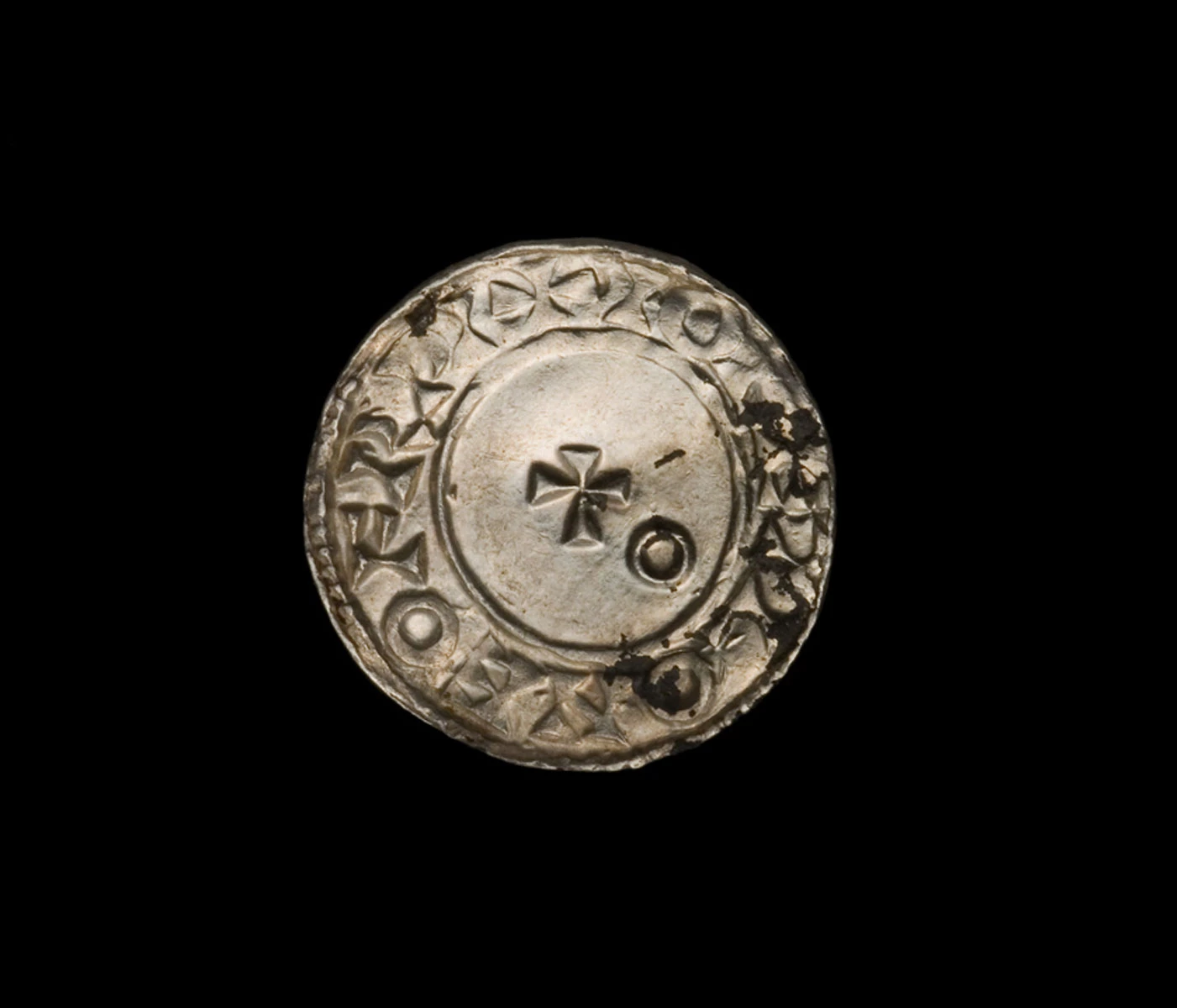
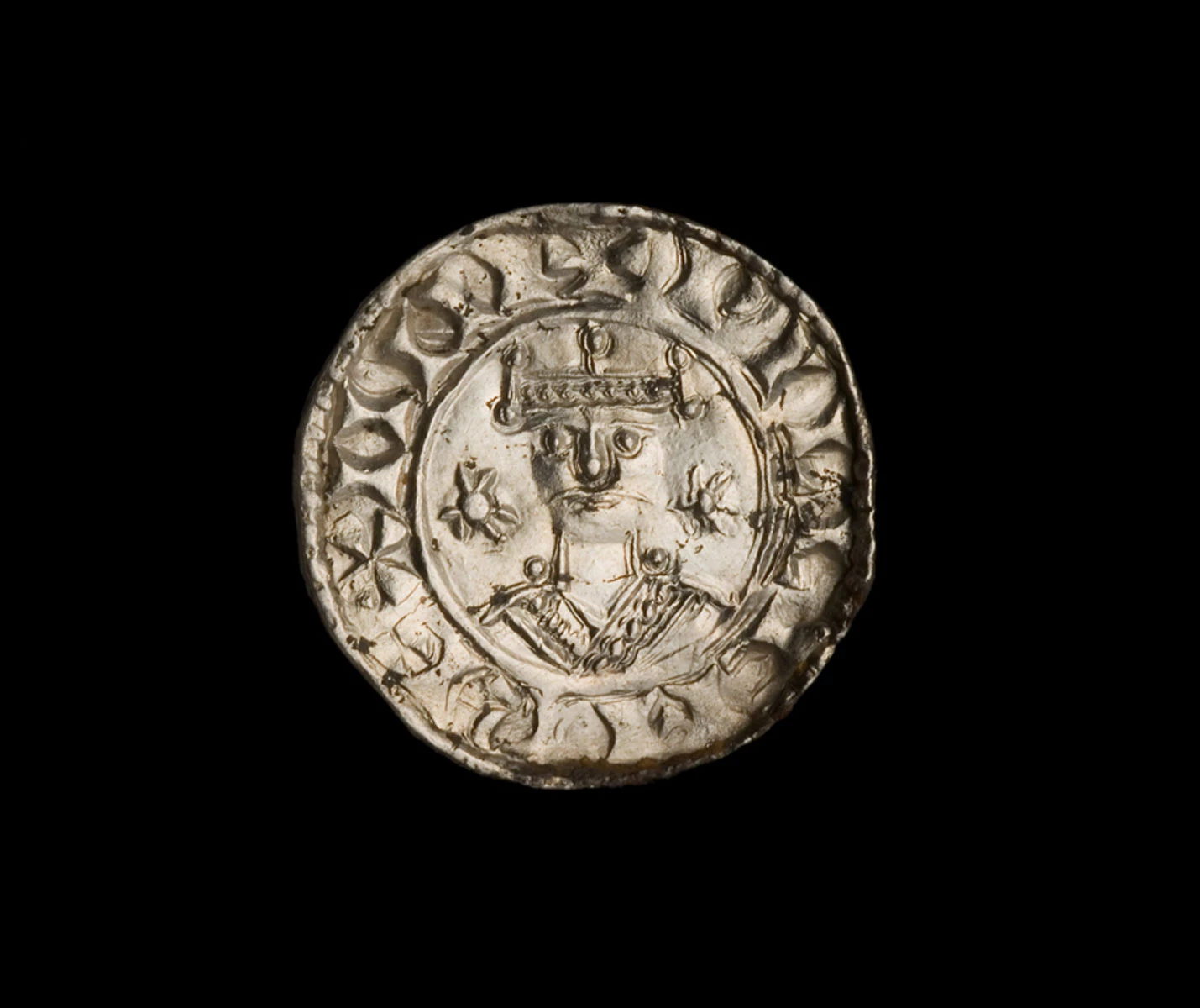
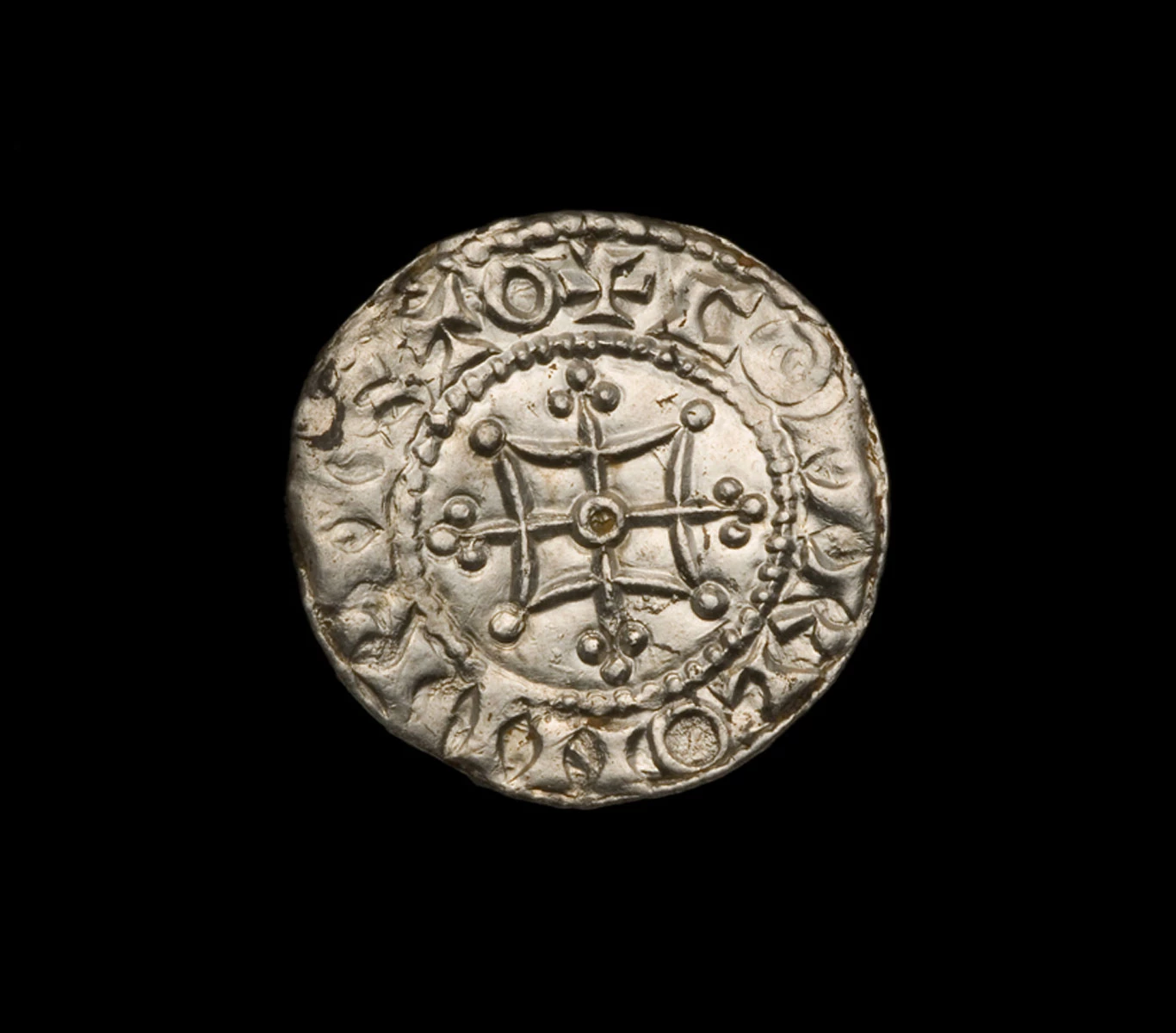
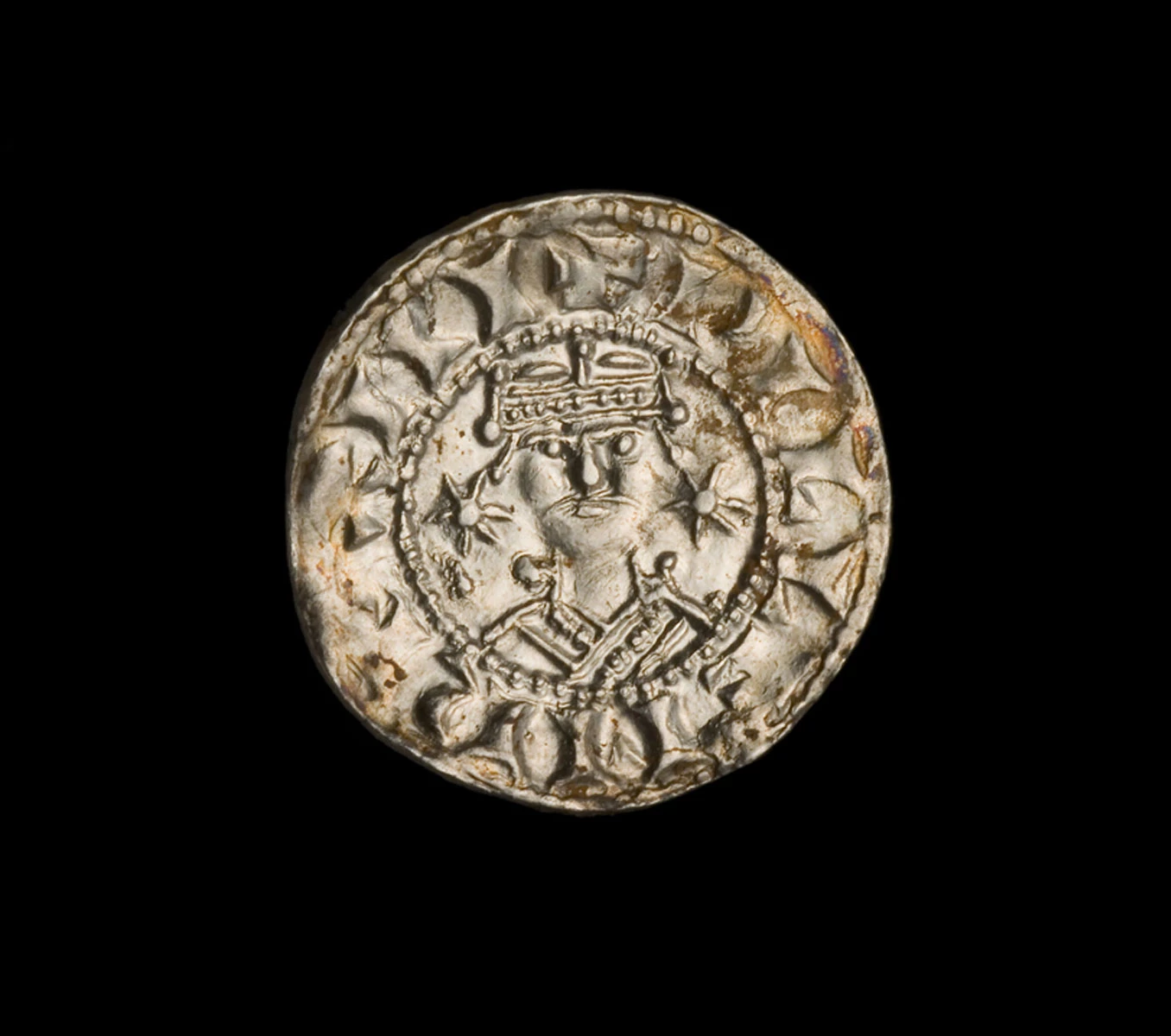
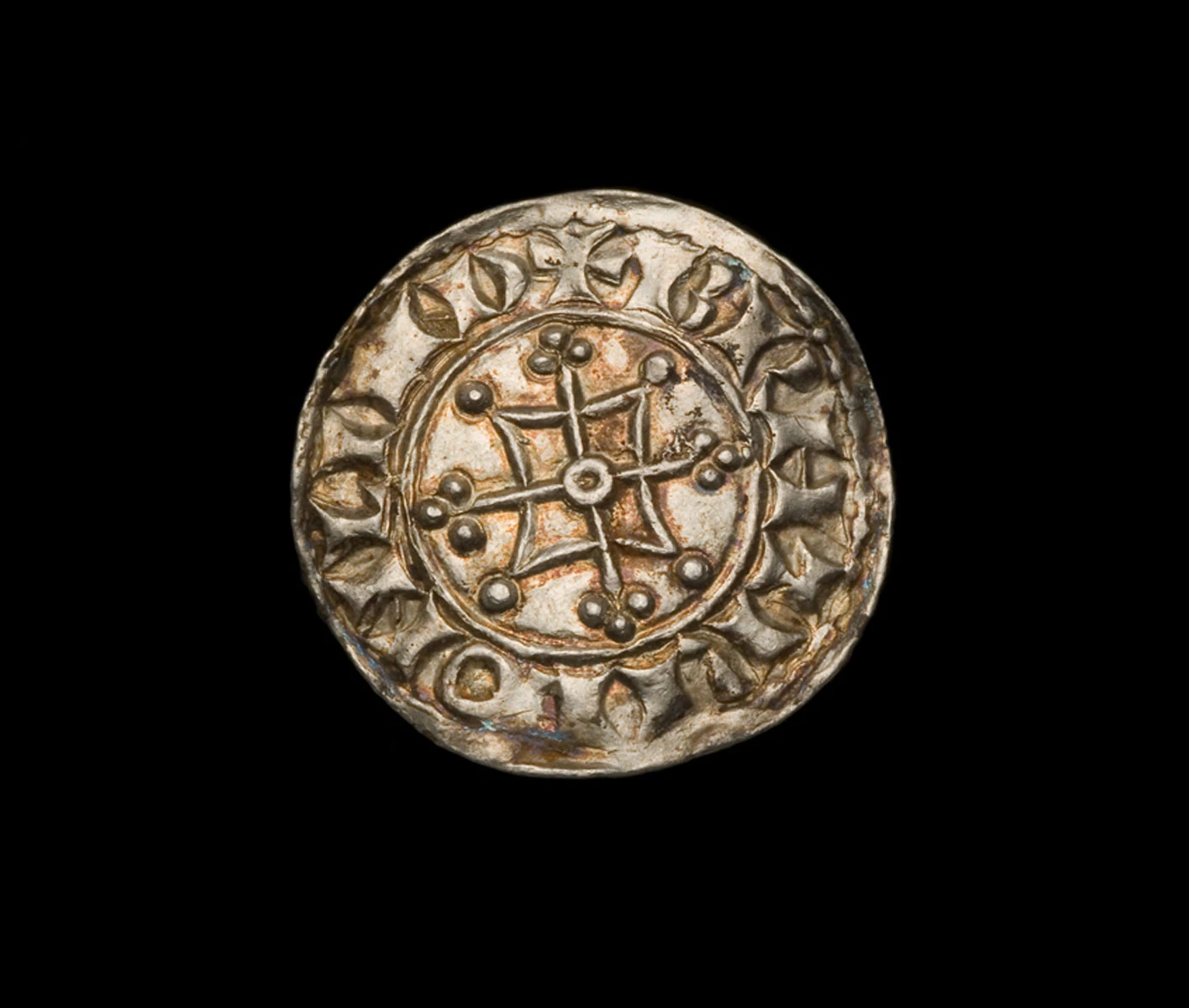
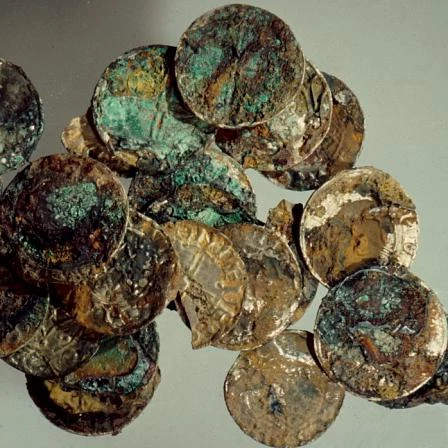
Part of the Abergavenny hoard as discovered.

Part of the Abergavenny hoard as discovered.

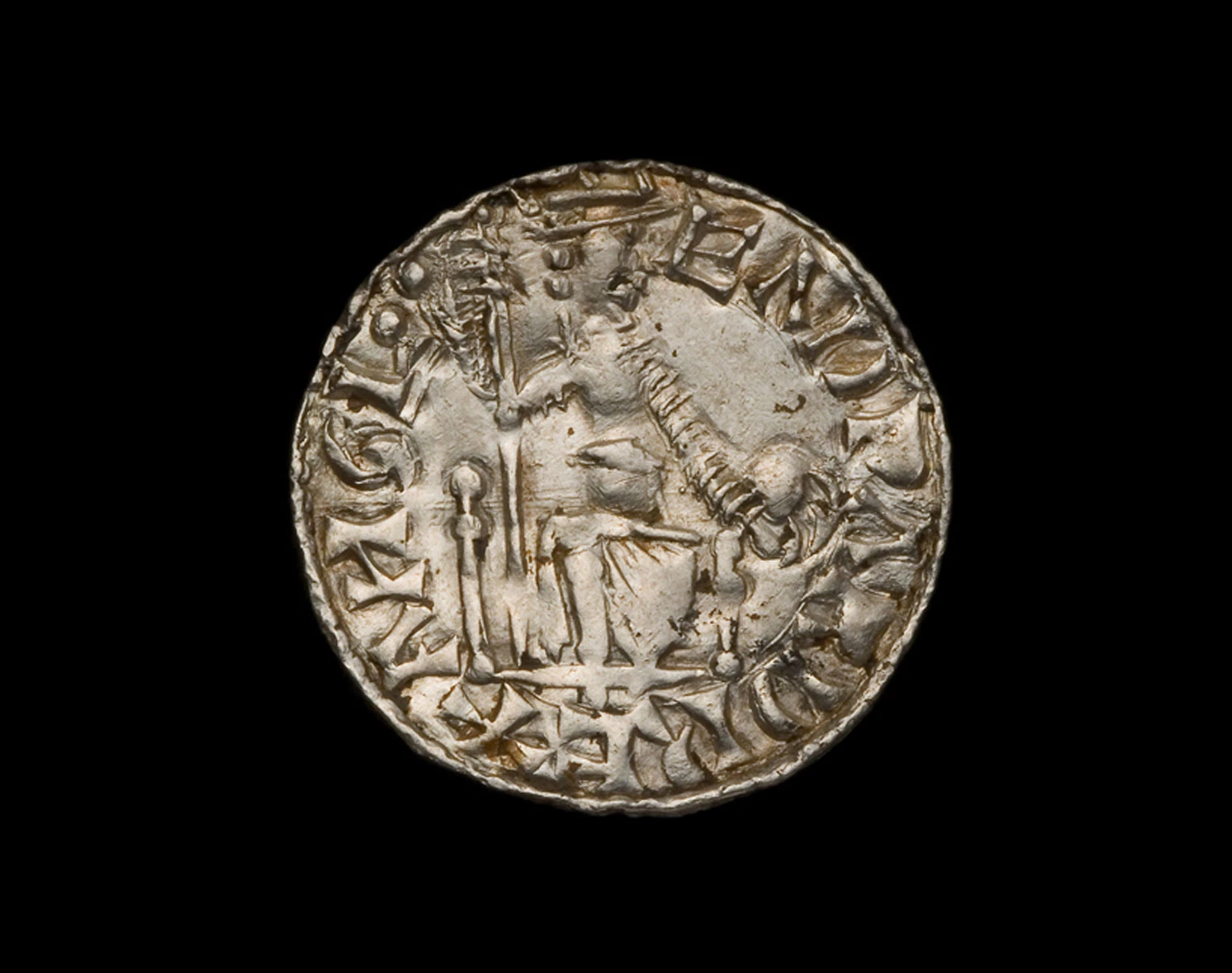
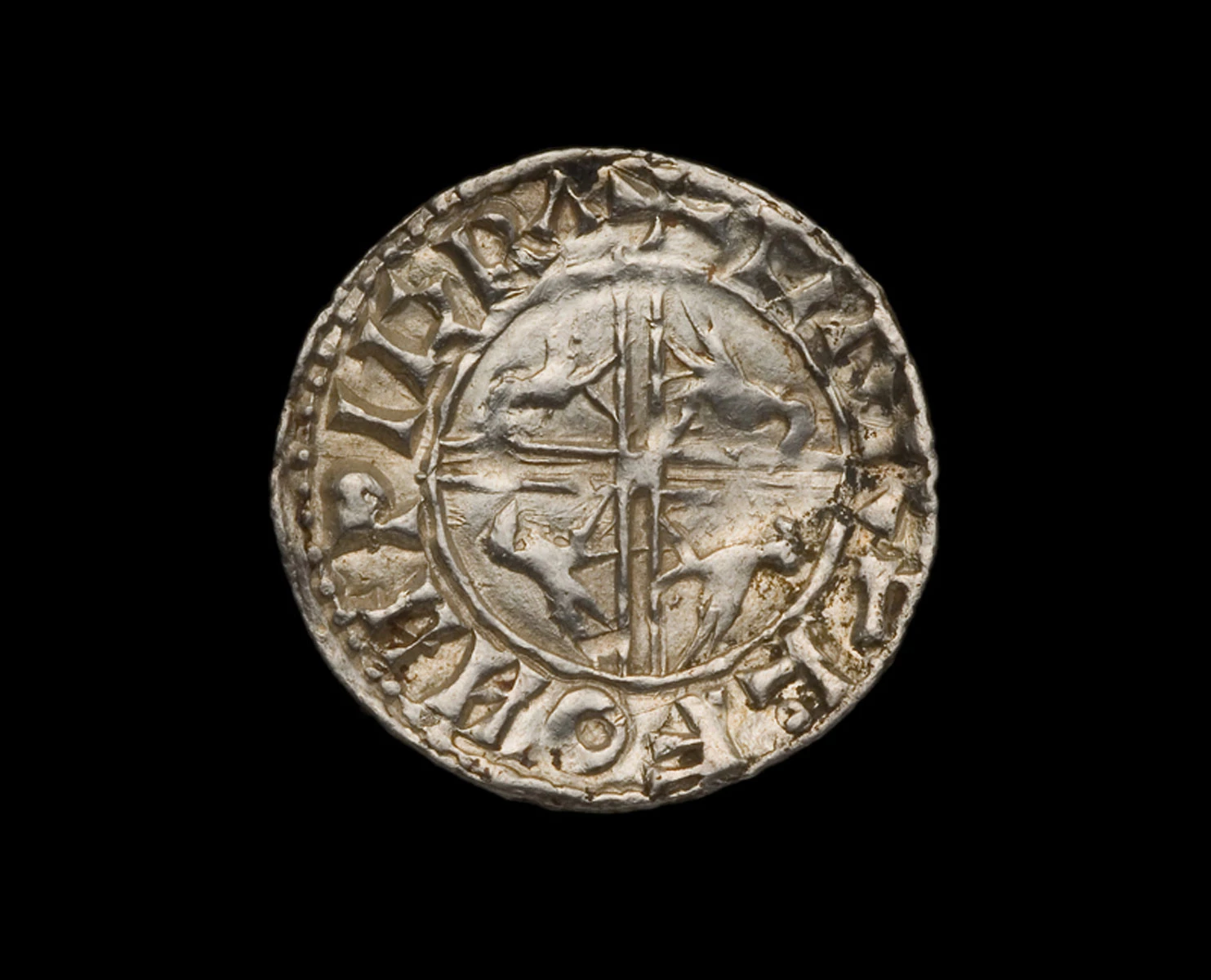
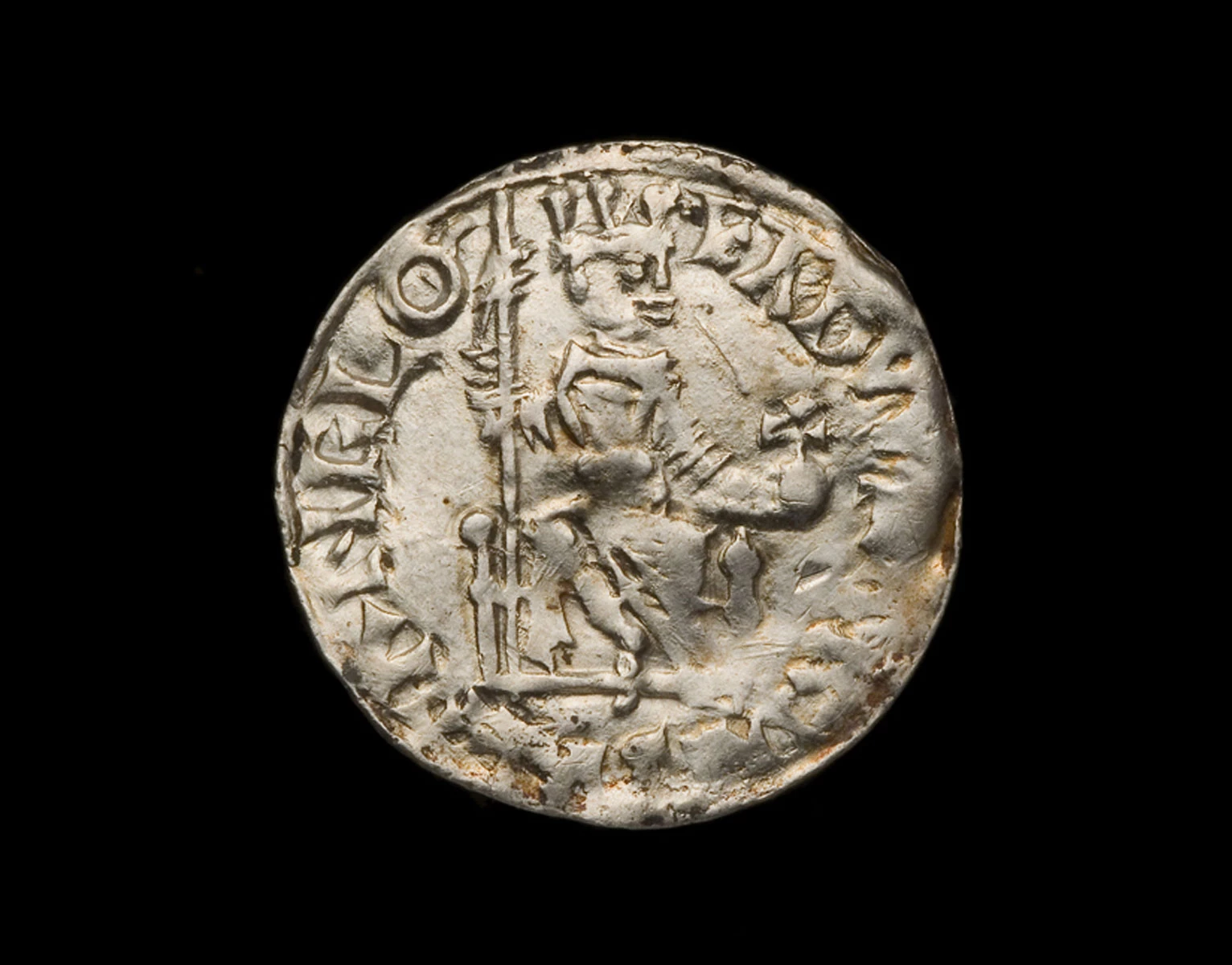
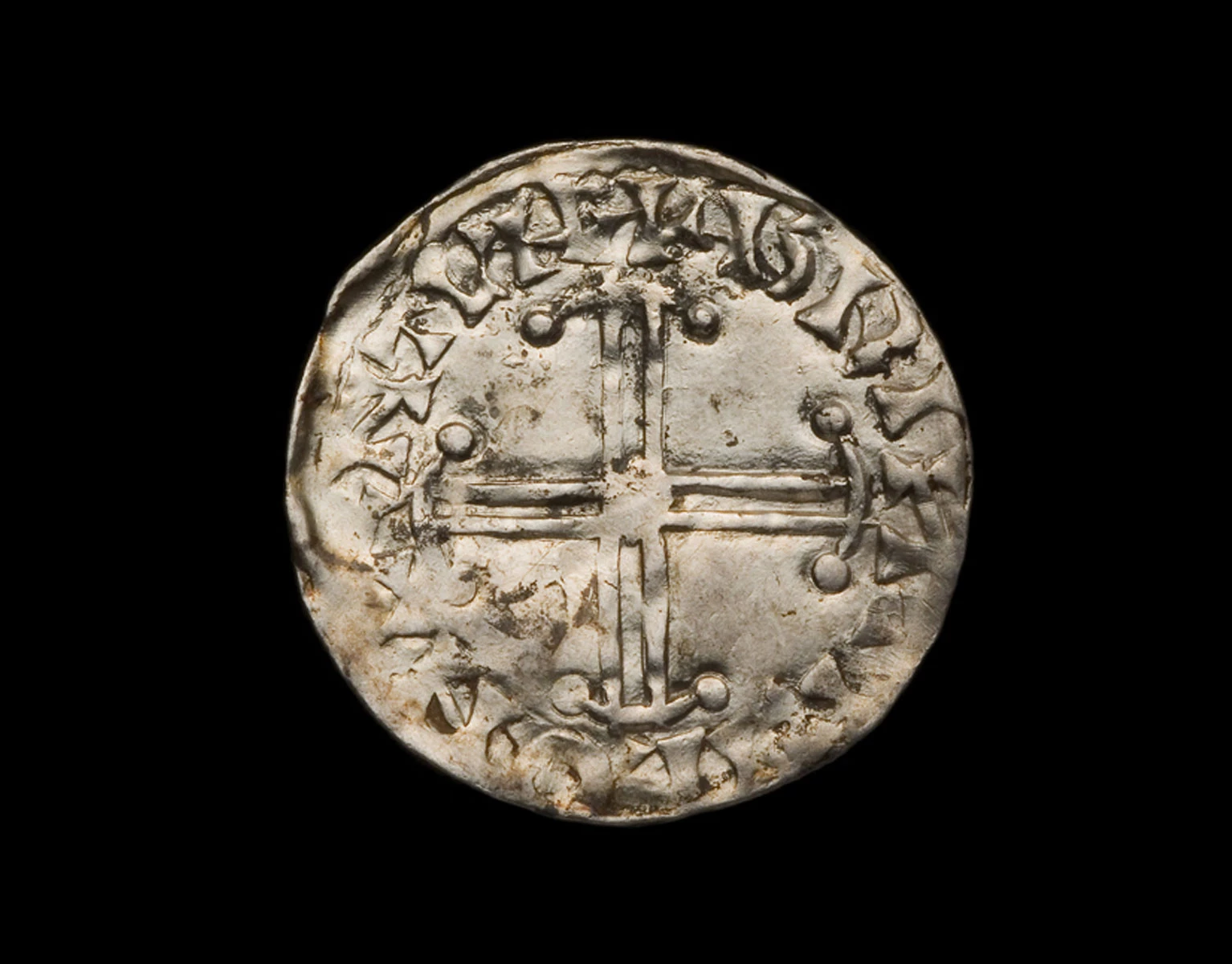
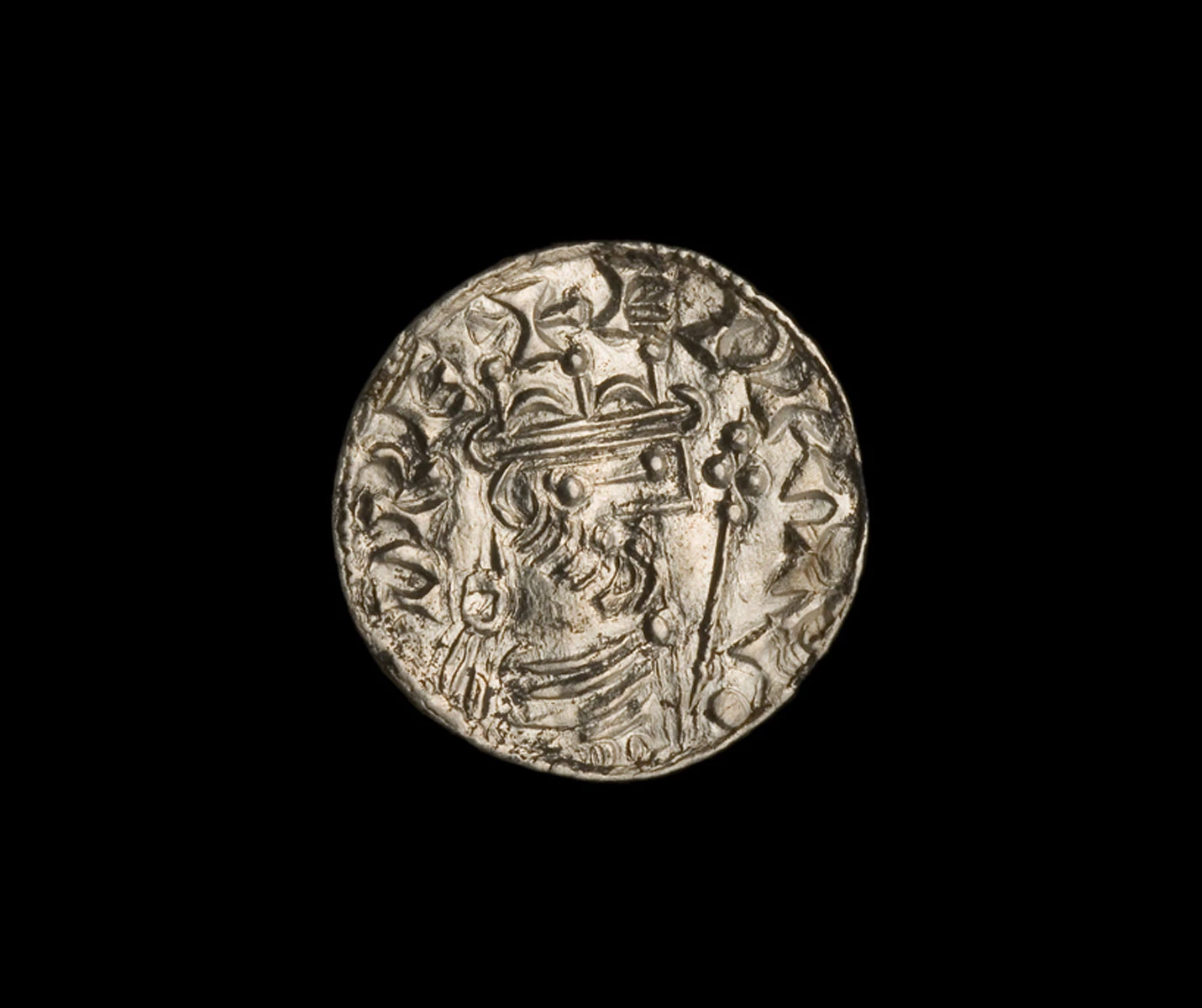
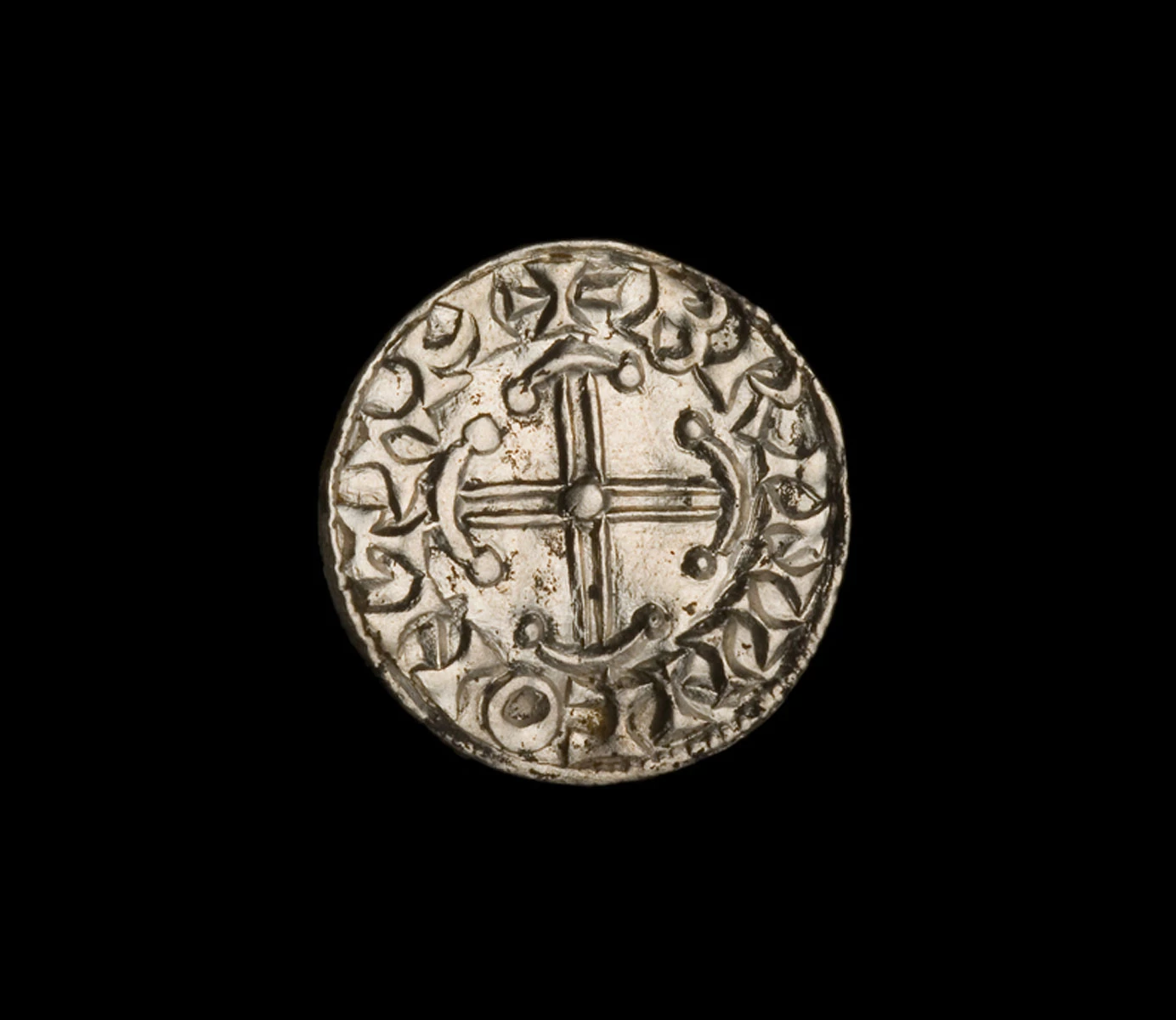
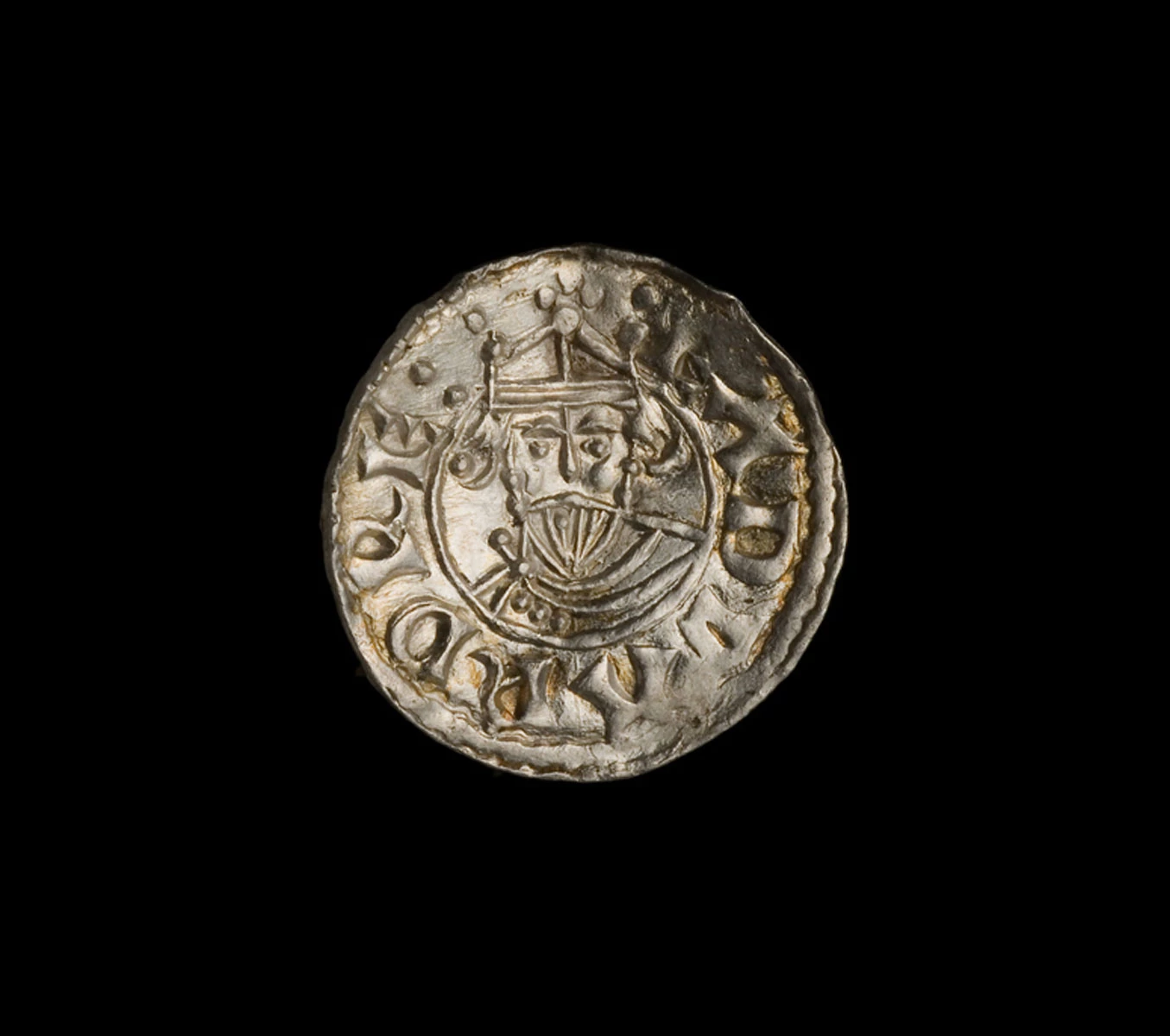
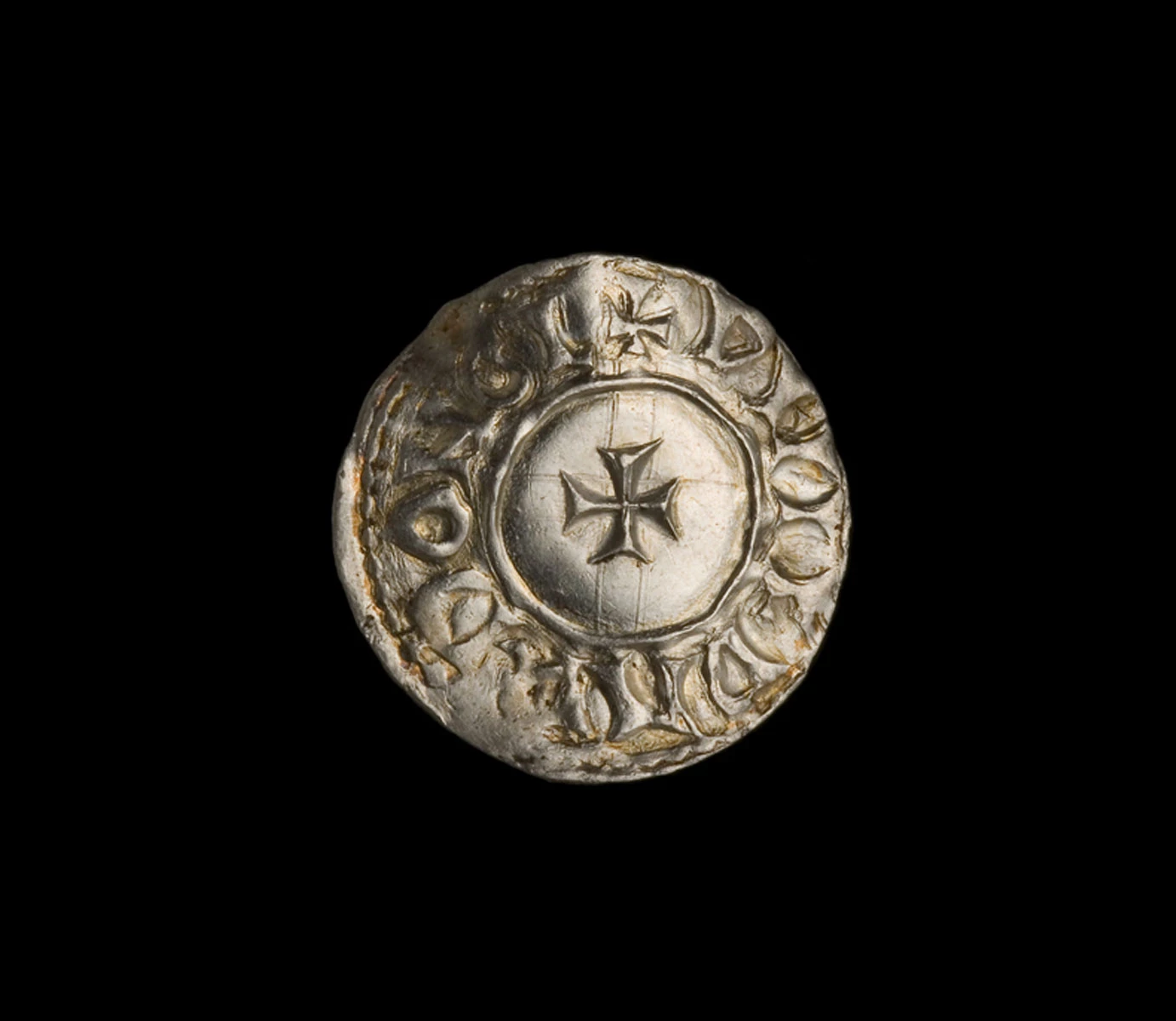
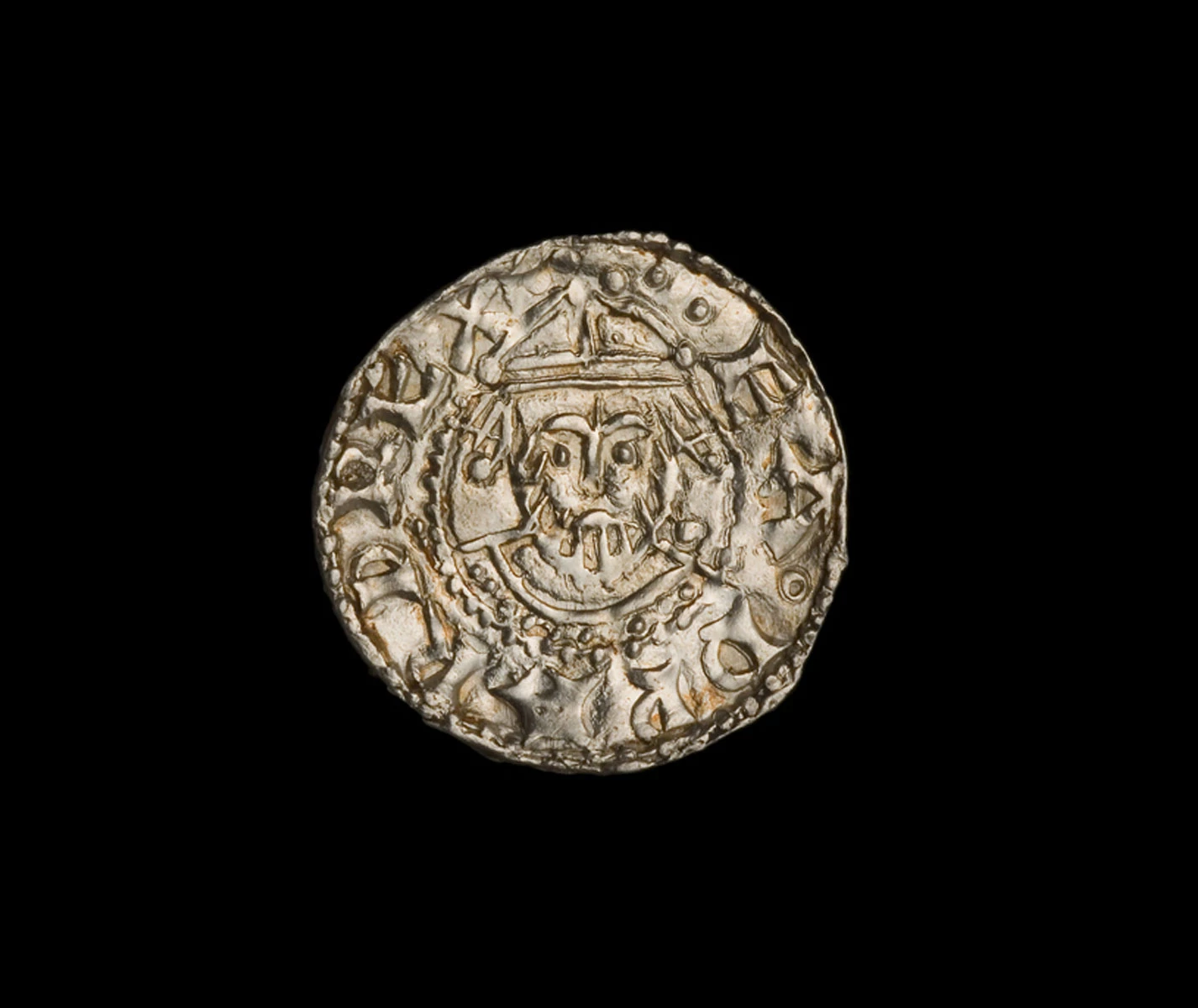
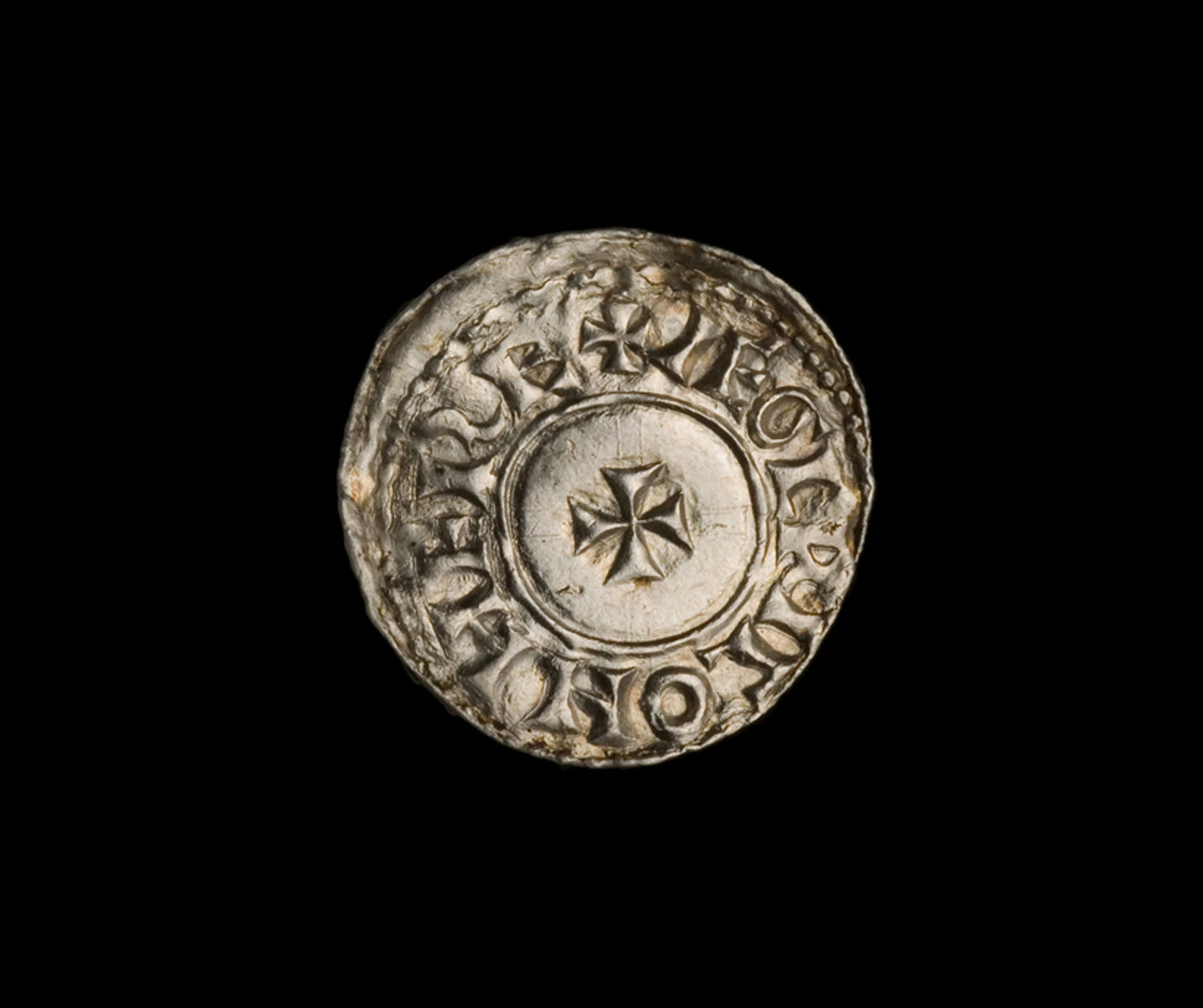
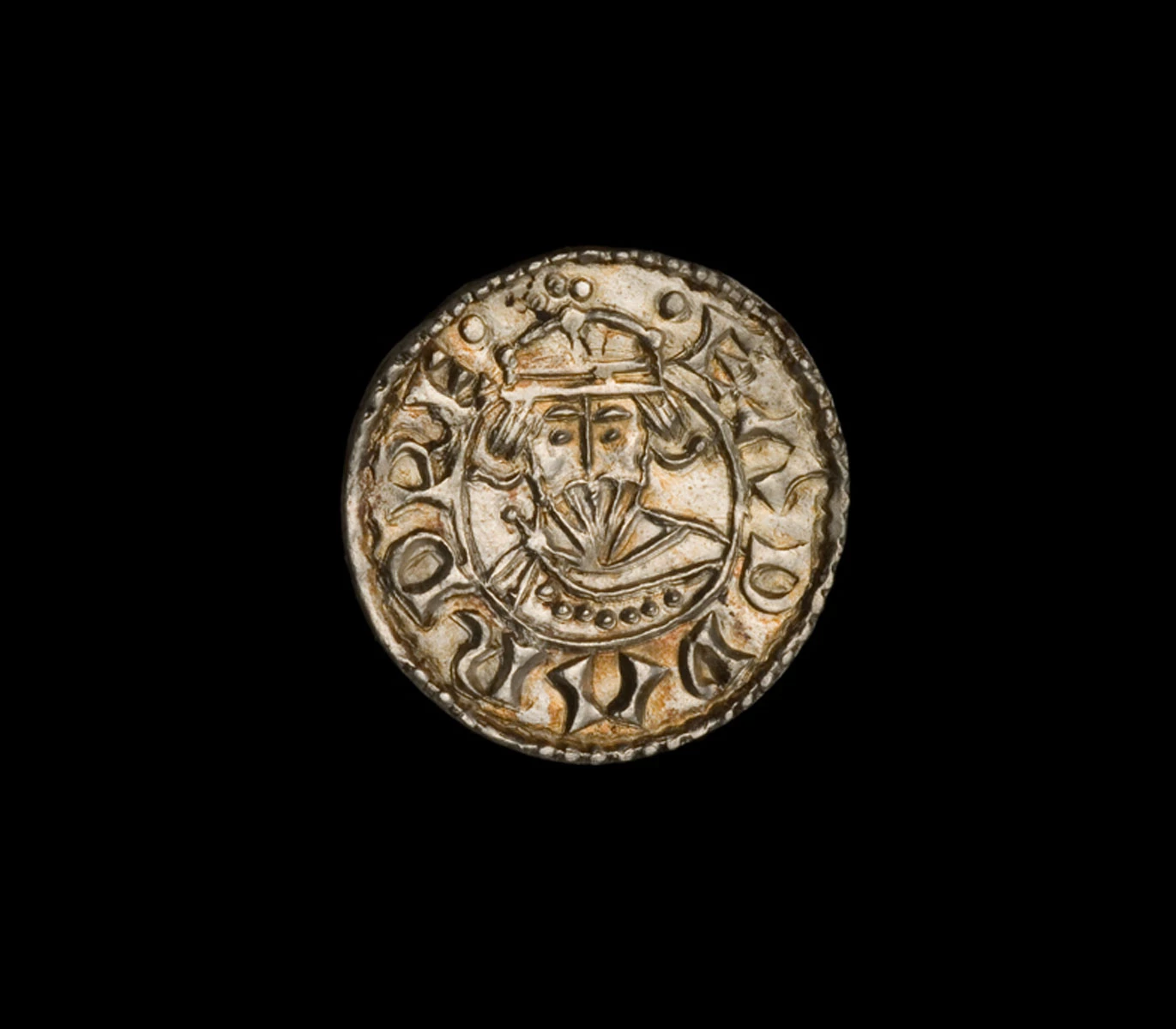
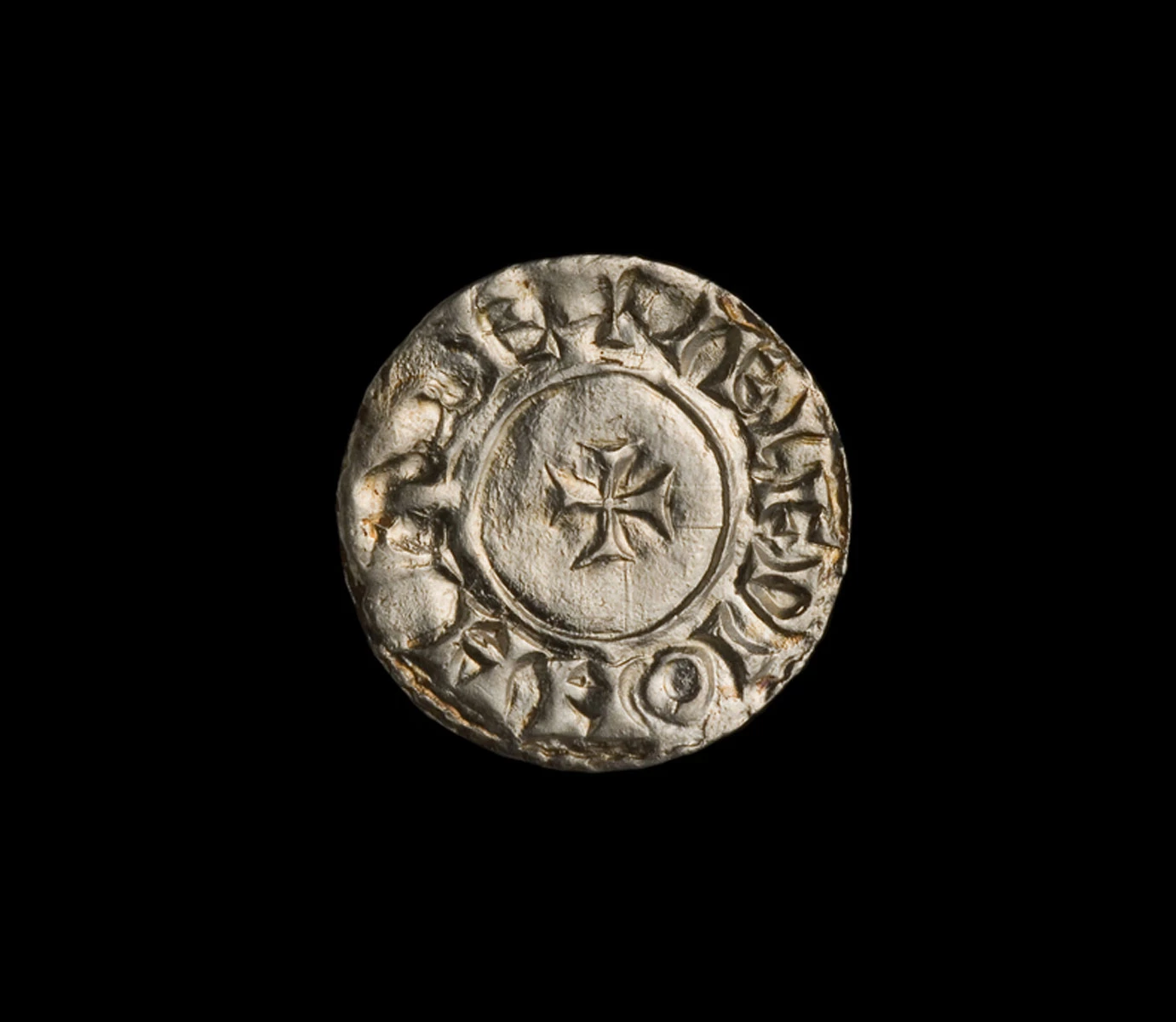
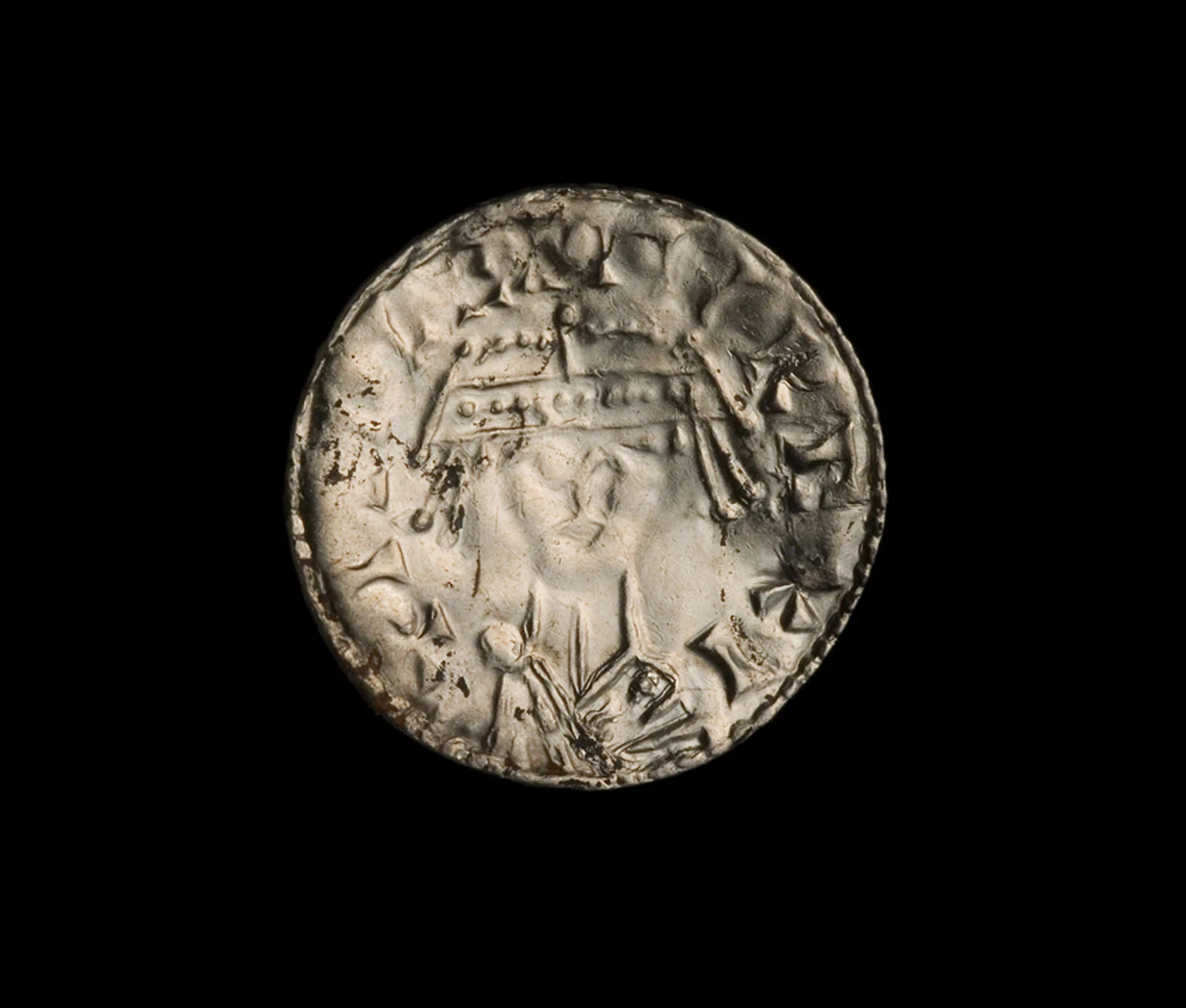
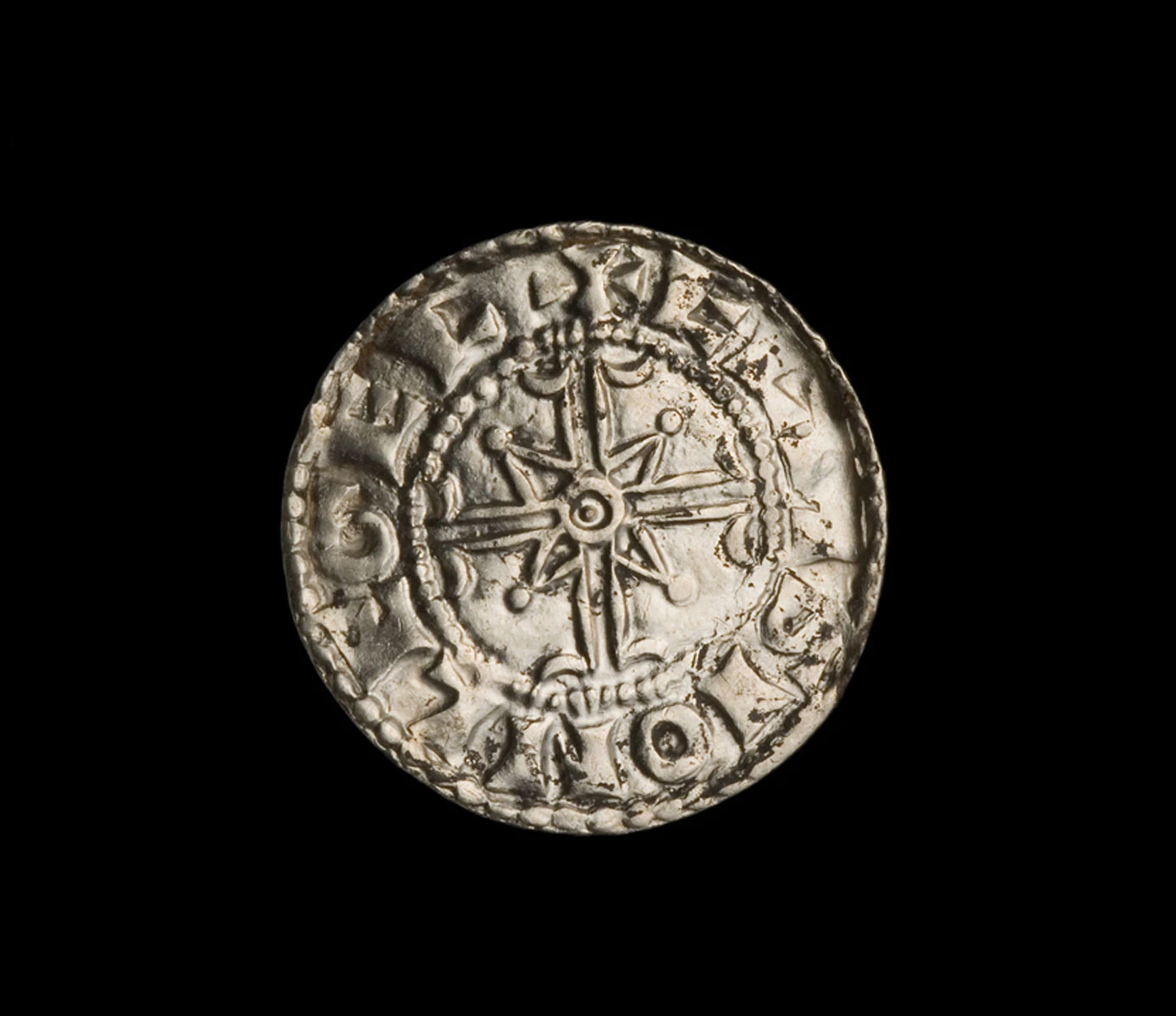
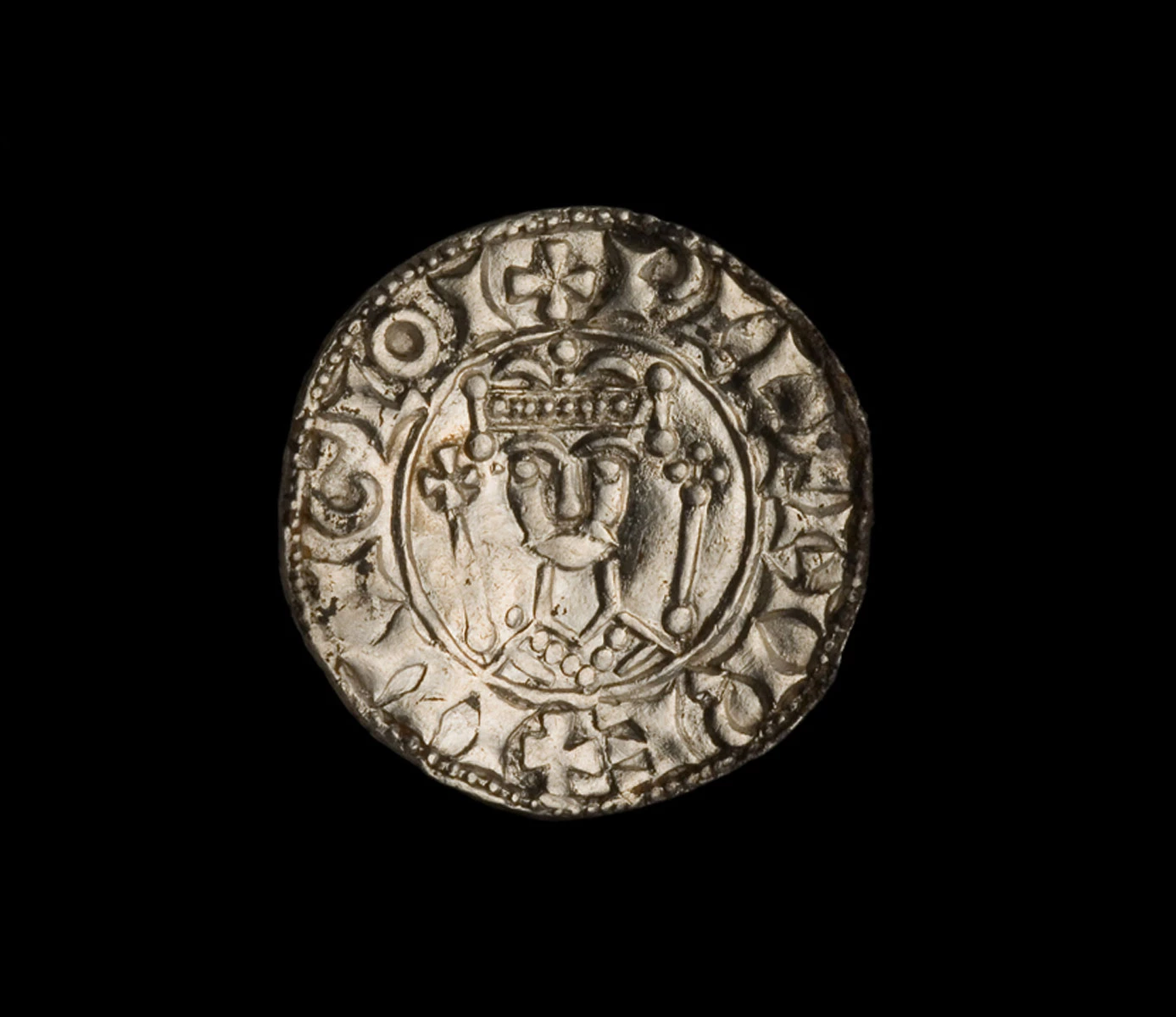
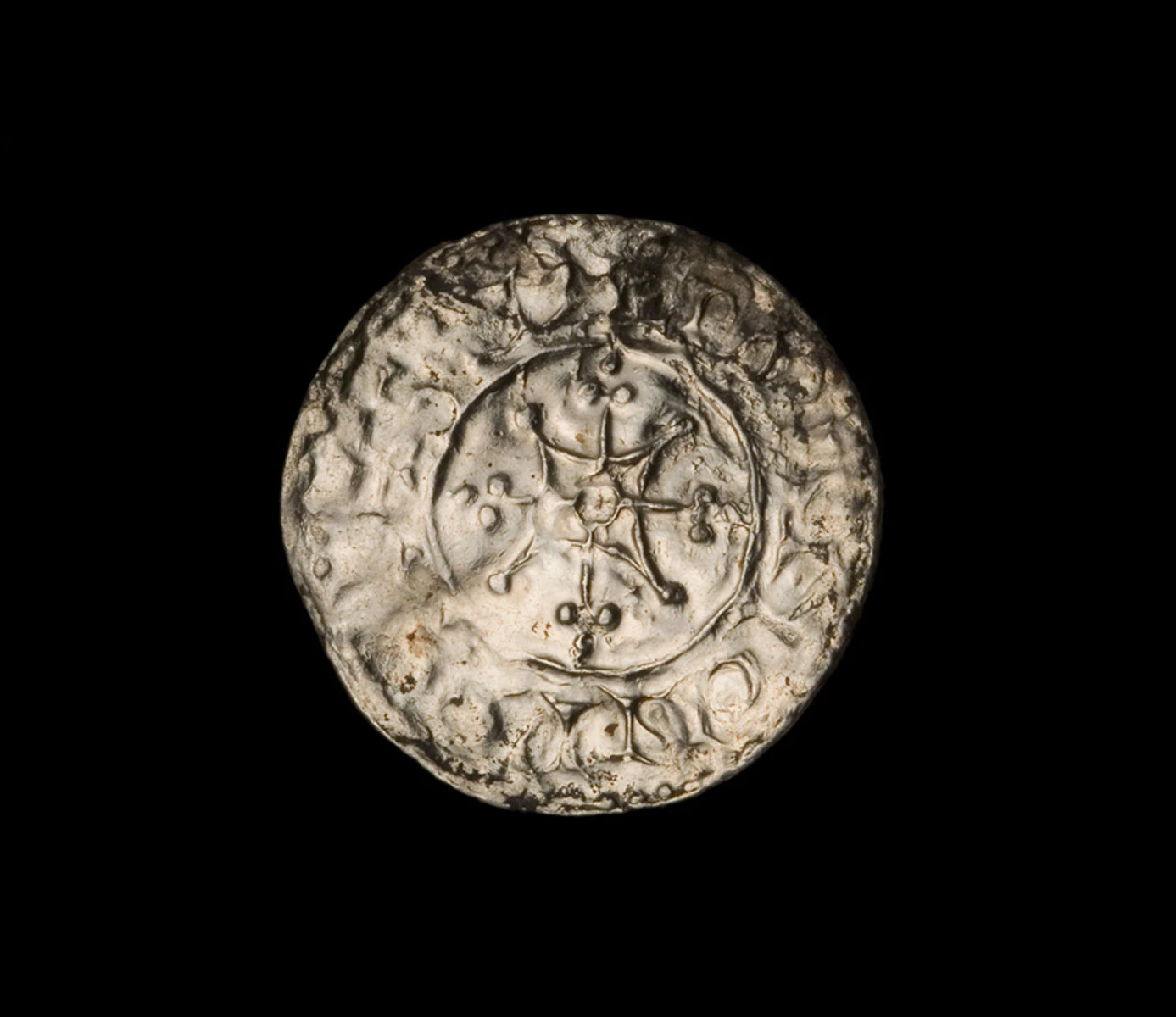
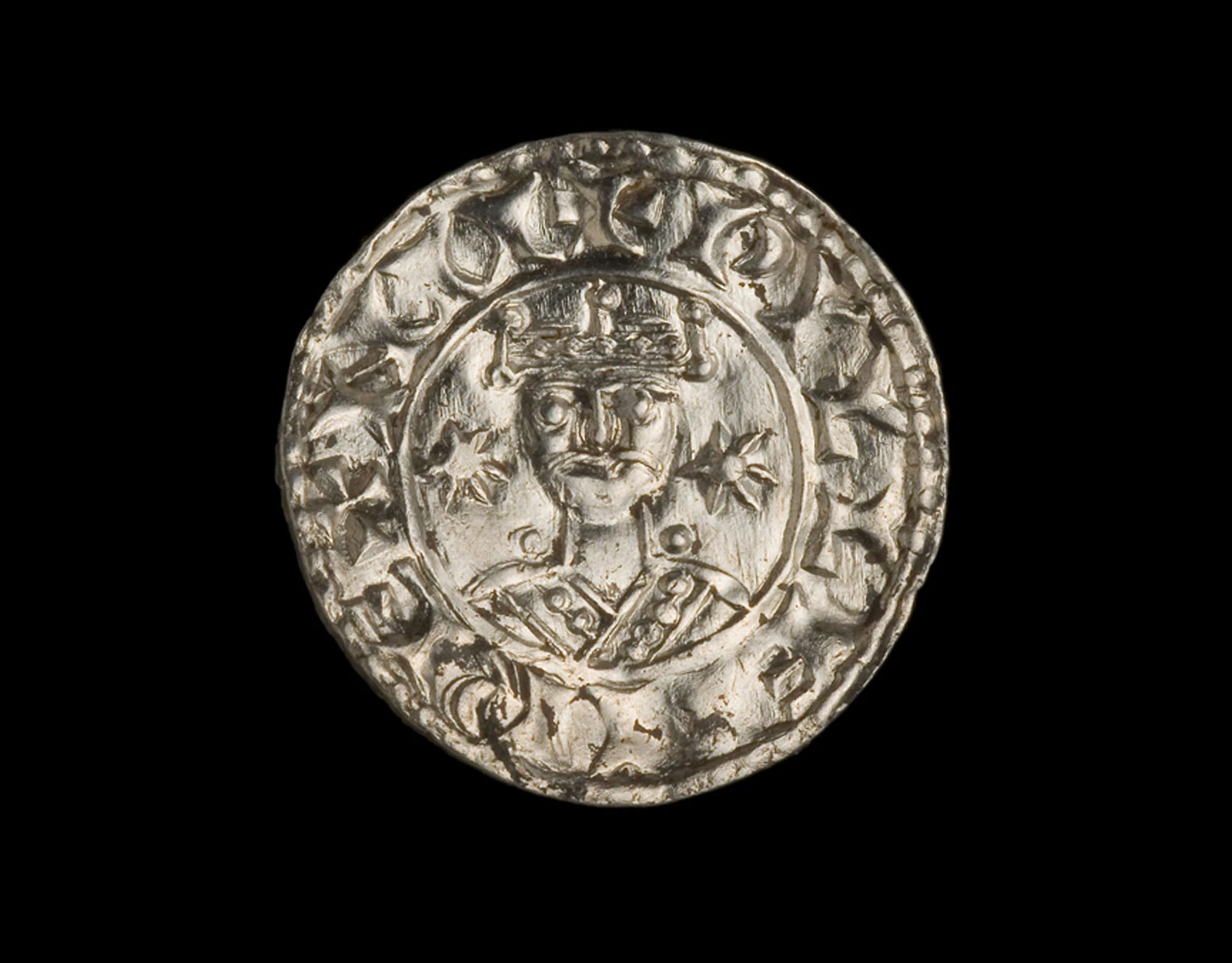
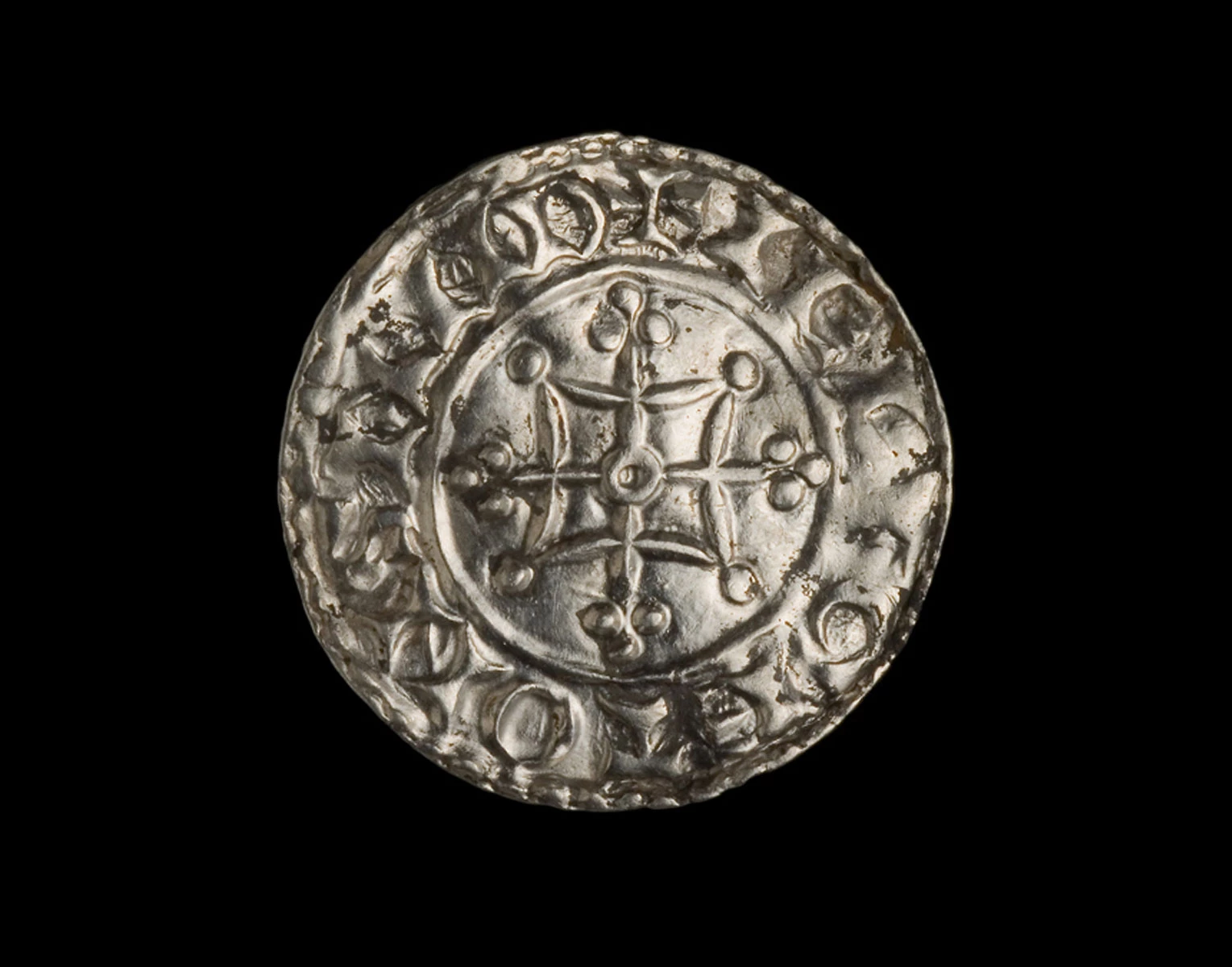
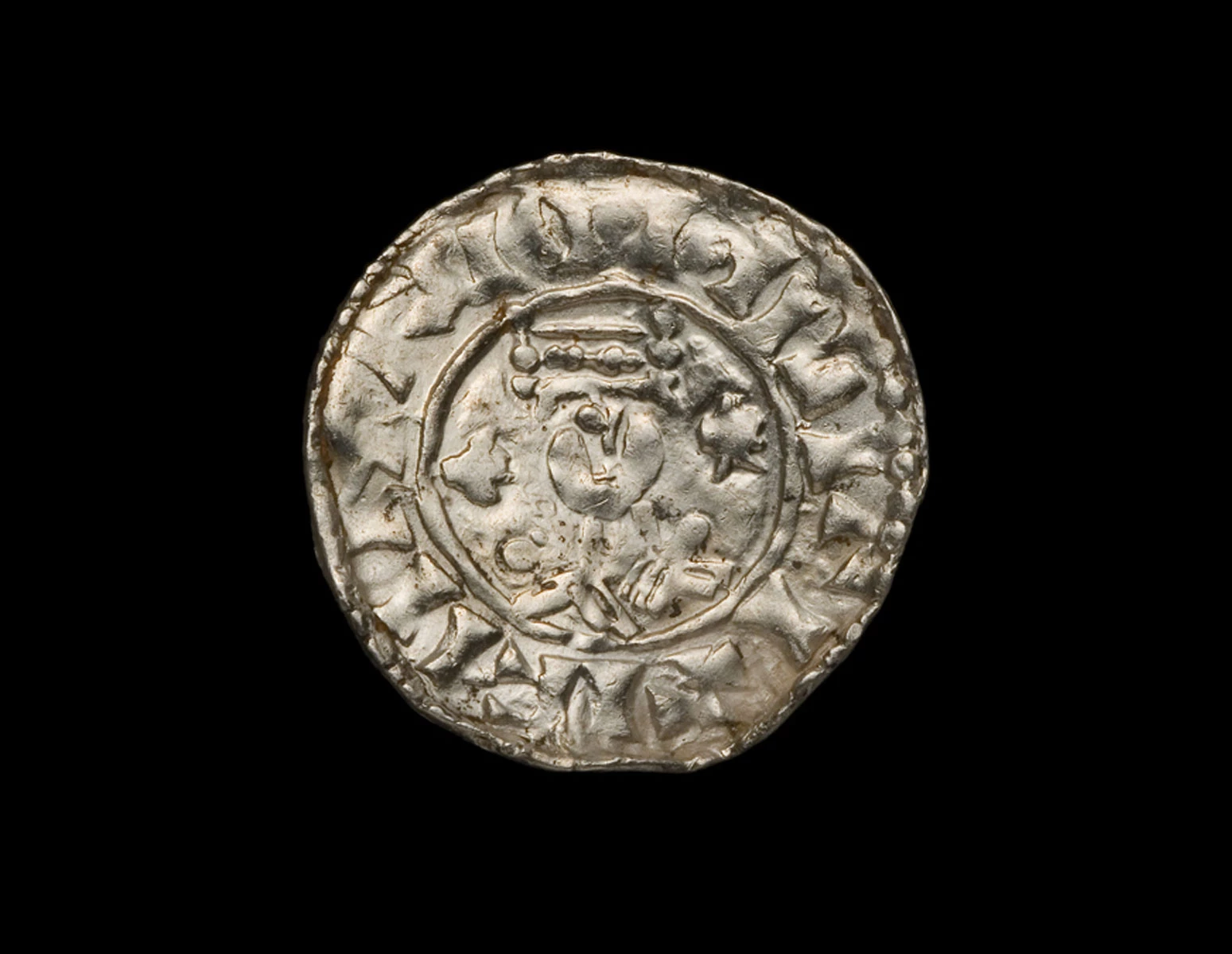
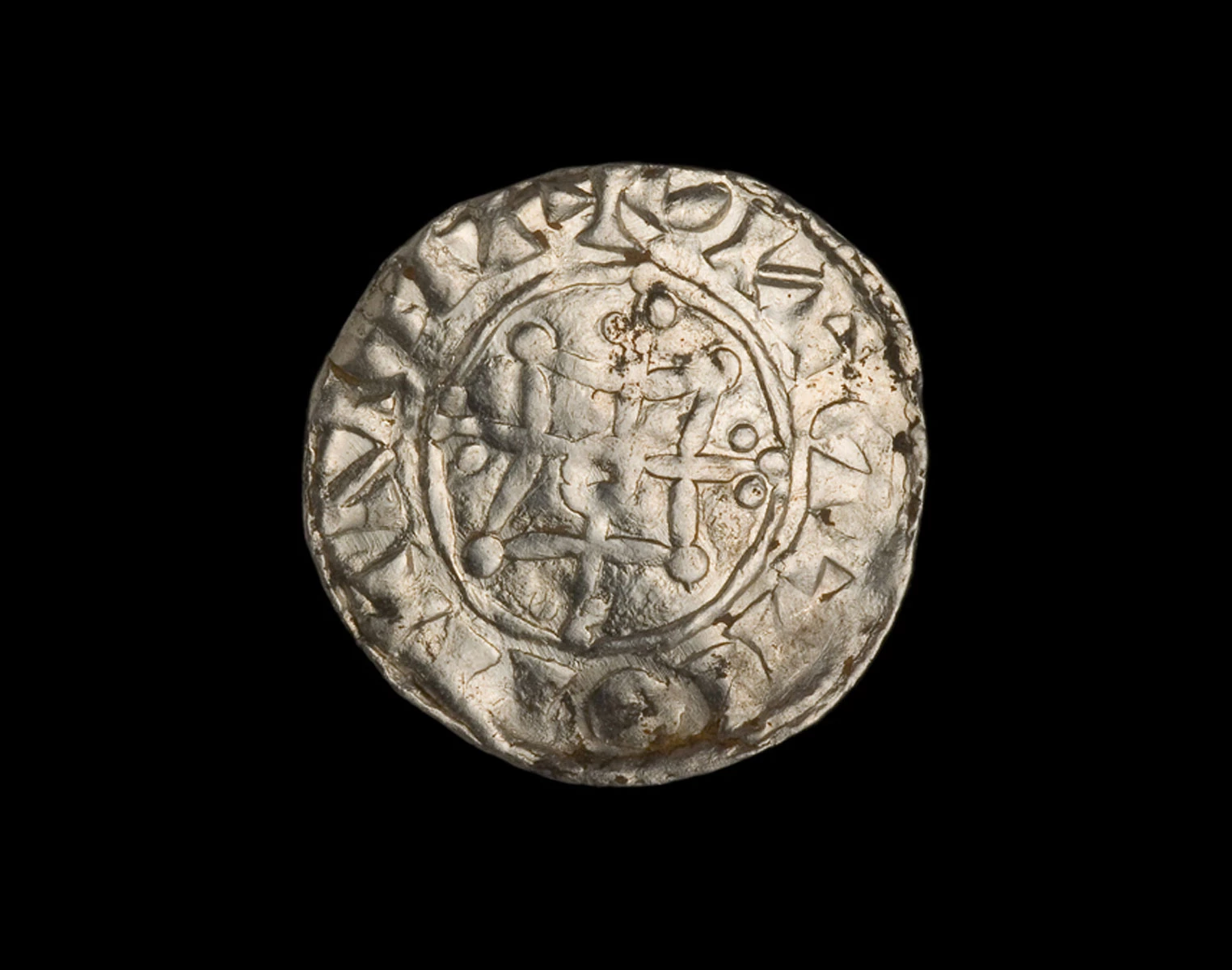
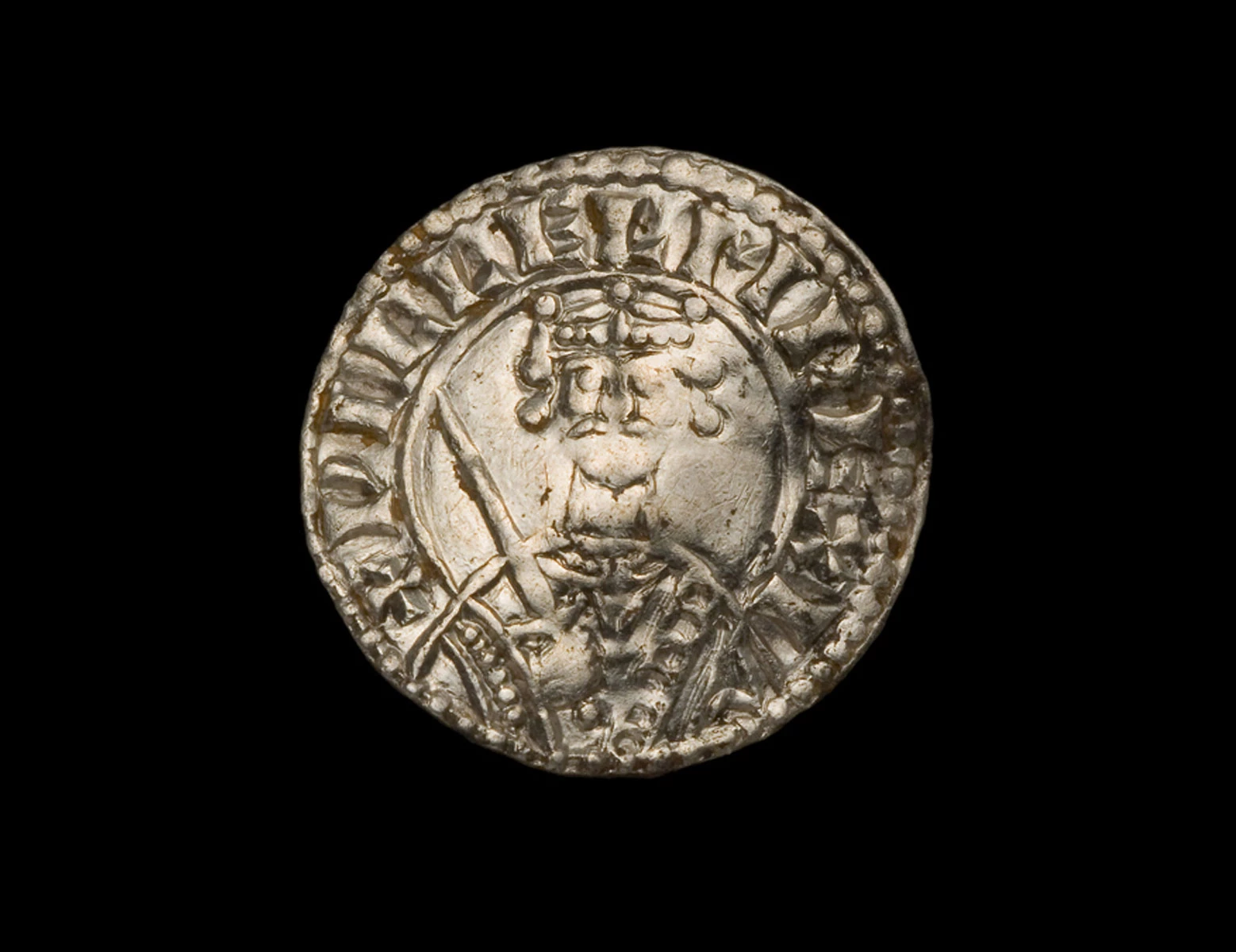
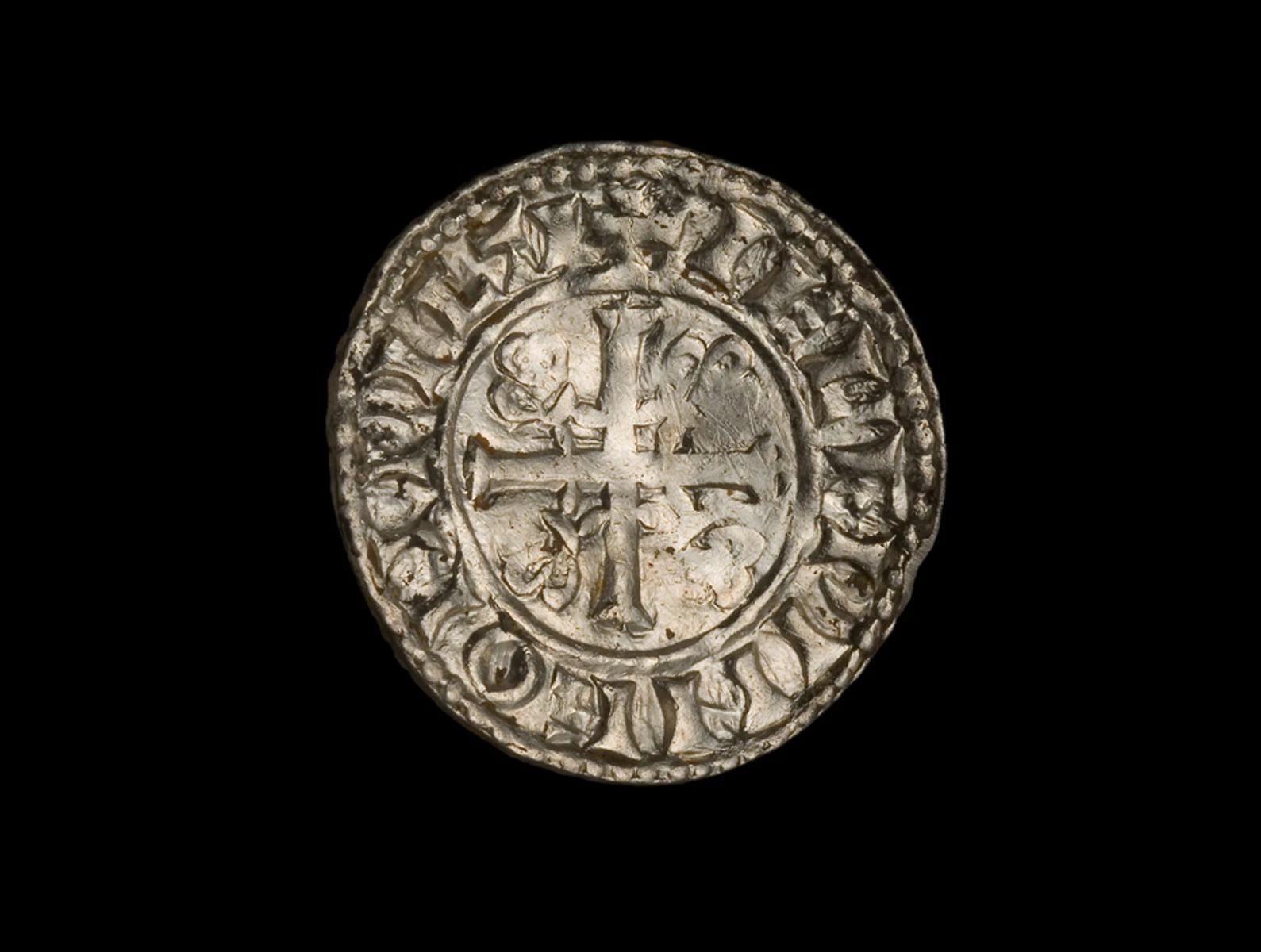
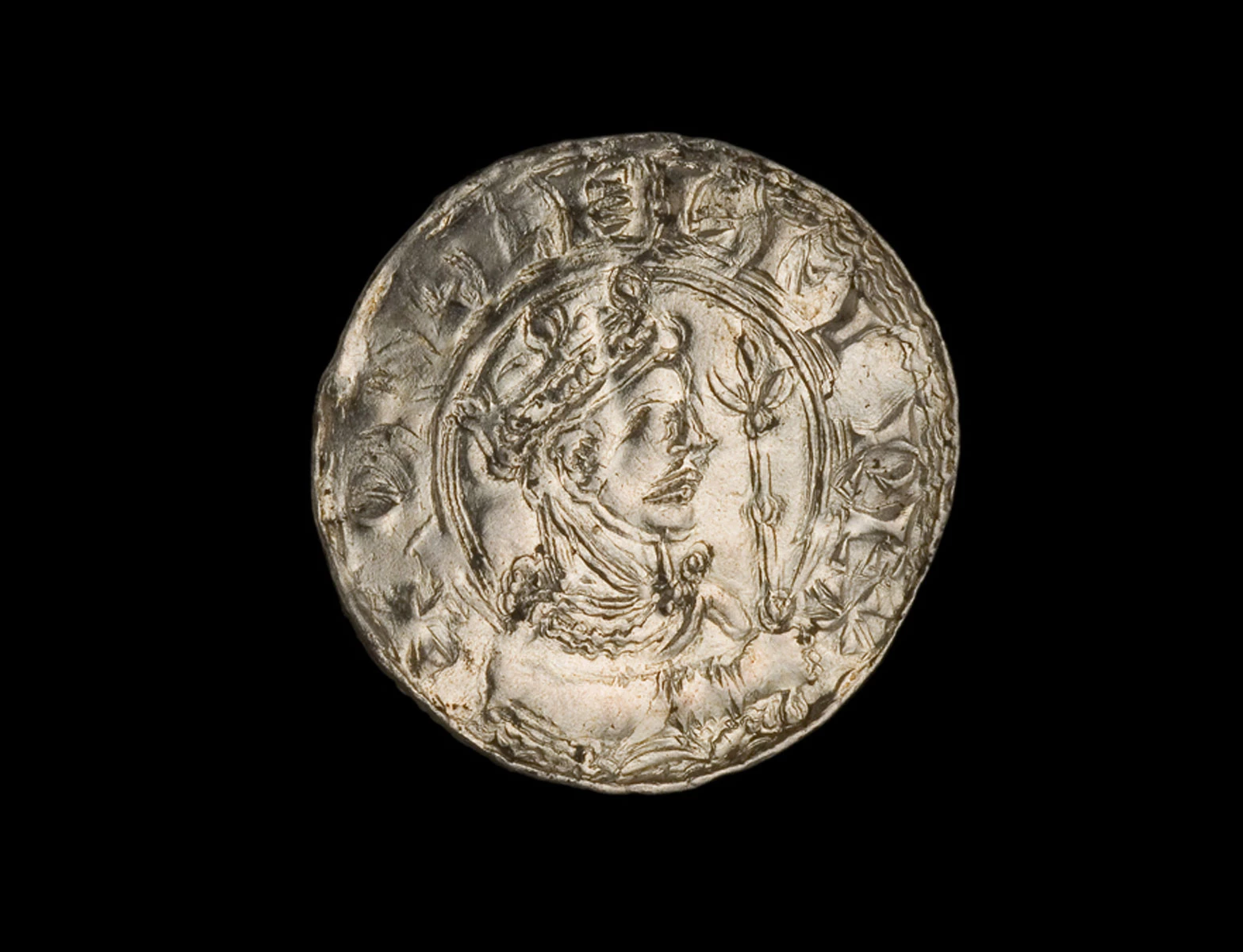
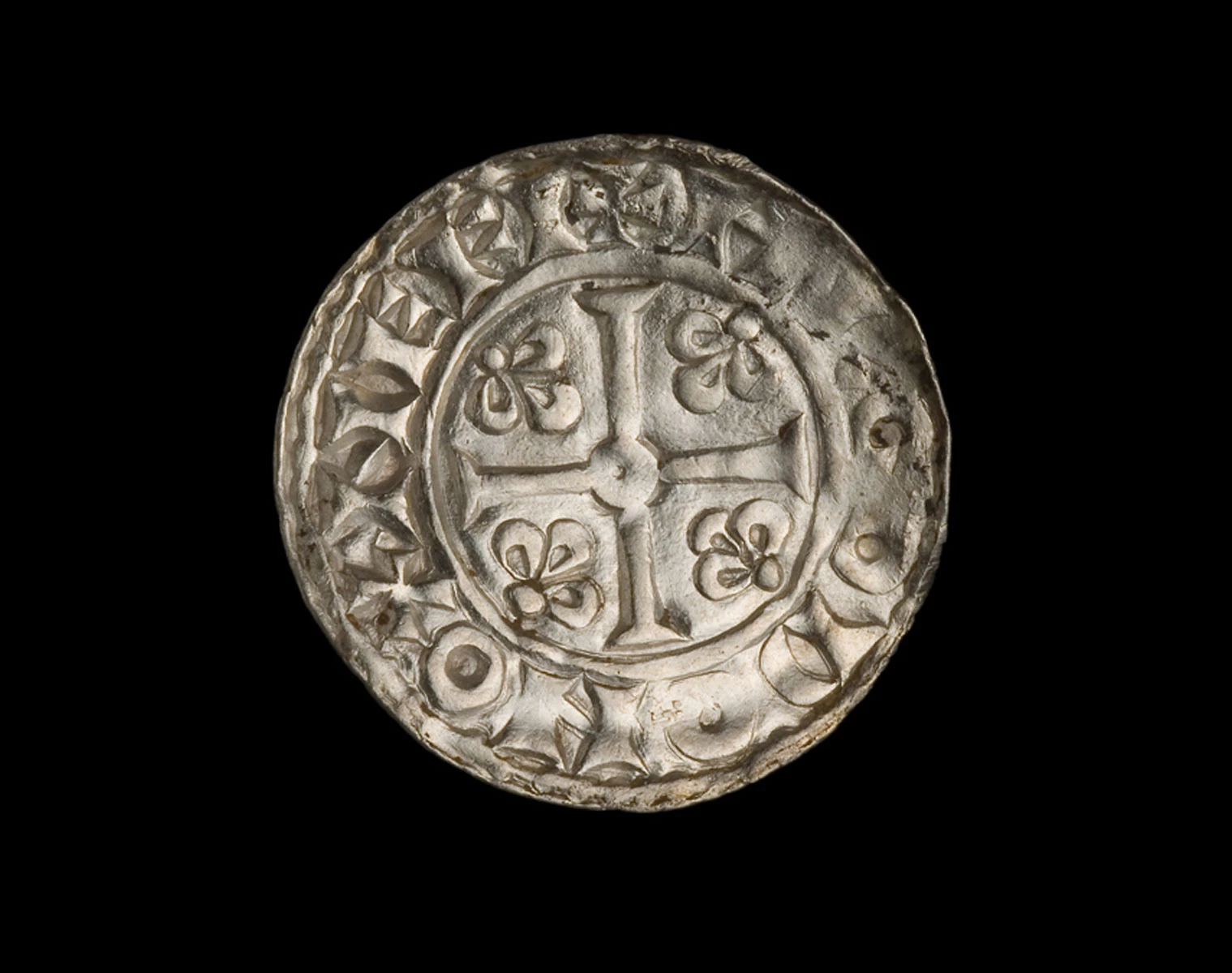
In April 2002 three metal-detectorists (John L Jones, Richard Johns and Fred Edwards) had the find of their lives in a field near Abergavenny, Monmouthshire: a scattered hoard of 199 silver pennies.

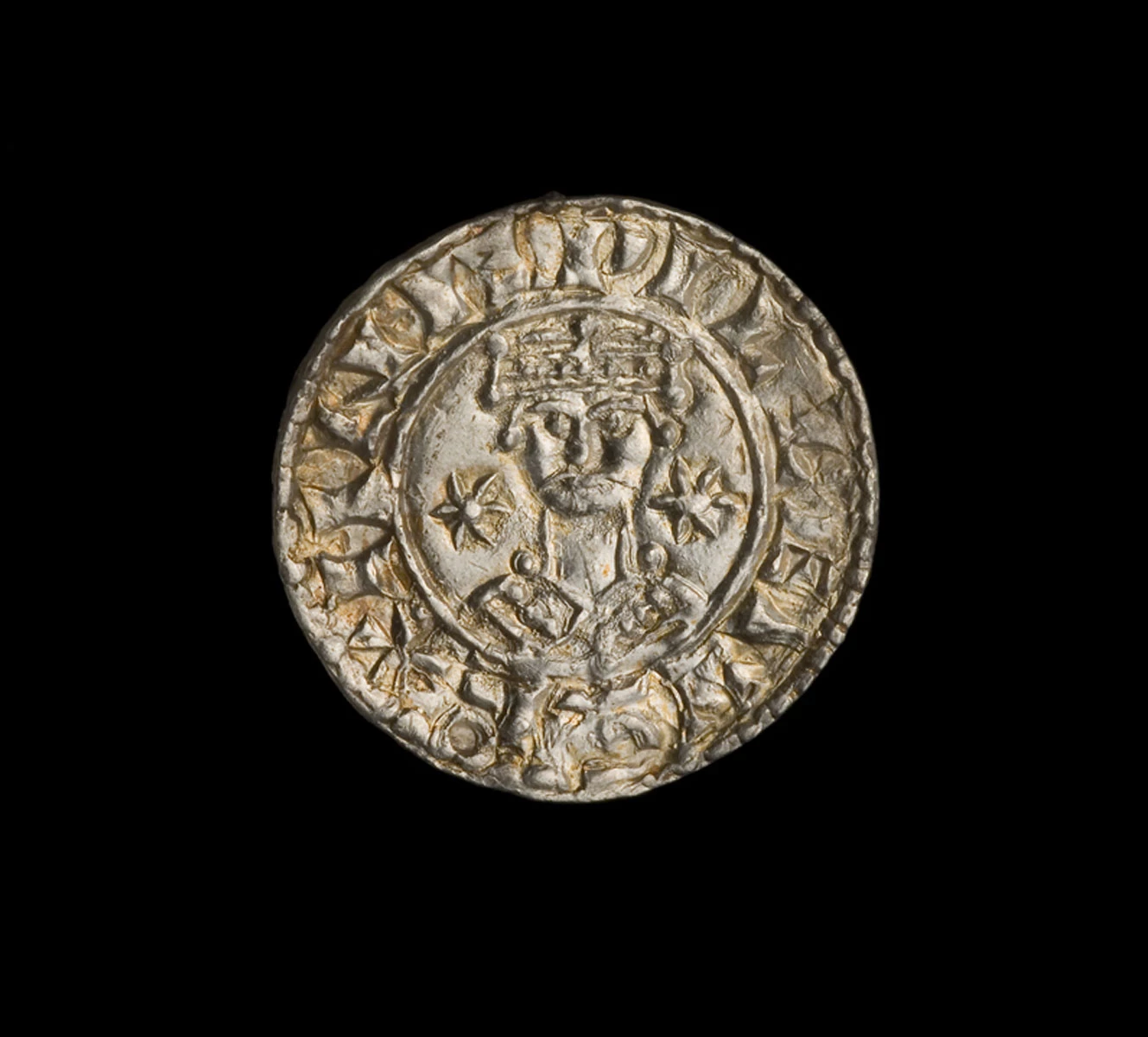
The hoard included coins of the Anglo-Saxon king Edward the Confessor (1042-66) and the Norman king William the Conqueror (1066-87). The hoard probably pre-dates the founding of Abergavenny near by in the 1080s.

The hoard was heavily encrusted with iron deposits, including traces of fabric, suggesting that the coins had originally been held in a cloth bag. It is not clear whether they had been deliberately hidden, or simply lost. Either way their owner was the poorer by a significant amount: sixteen shillings and seven pence (16s 7d, or £0.83p) would for most have represented several months' wages.

Minting coins

Anglo-Saxon and Norman coins form an unique historical source: each names its place of minting and the moneyer responsible. People had easy access to a network of mints across England (there were none in Wales) and every few years existing money was called in to be re-minted with a new design. The King, of course, took a cut on each occasion.

The Abergavenny hoard includes 36 identifiable mints, as well as some irregular issues which cannot at present be located. Coins from mints in the region, like Hereford (34 coins) and Bristol (24), are commonest, outweighing big mints such as London (19) and Winchester (20). At the other end of the scale there are single coins from small mints such as Bridport (Dorset), or distant ones such as Thetford (Norfolk) and Derby.

Hoards from western Britain are rare, so the Abergavenny Hoard has produced many previously unrecorded combinations of mint, moneyer, and issue.

We shall probably never know quite why these coins ended up in the corner of a field in Monmouthshire but, as well as expanding our knowledge of the coinage itself, they will cast new light on monetary conditions in the area after the Norman Conquest.

Conservation

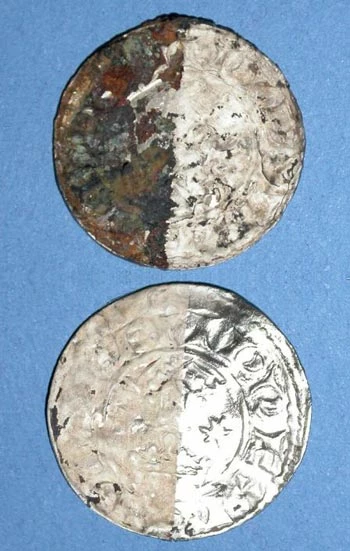
The coins were found covered in iron concretions and many of them were stuck to each other. This disfigured the coins and obscured vital details. Removing this concretion with mechanical methods, such as using a scalpel, would have damaged the silver, and chemicals failed to shift the iron.

The solution to the problem was found in an unexpected, but thoroughly modern tool - the laser. A laser is a source of light providing energy in the form of a very intense single wavelength, with a narrow beam which only spreads a few millimetres.

As laser radiation is of a single colour (infrared light was used in this case) the beam will interact intensely with some materials, but hardly at all with others. This infrared source was absorbed better by the darker overlying iron corrosion than by the light silver metal.

The laser was successful at removing much of the iron crust, but initially left a very thin oxide film on the surface. When this was removed, the detail revealed on the underlying coin was excellent; it was possible to see rough out and polishing marks transferred to the coin from the original die, as well as the inscribed legend.

Background Reading

Conquest, Coexistence, and Change. Wales 1063-1415 by R. R. Davies. Published by Oxford University Press (1987).

The Norman Conquest and the English Coinage by Michael Dolley. Published by Spink and Son (1966).
Off With His Head!
The Story of Commonwealth Coins

Rhianydd Biebrach, 16 December 2016

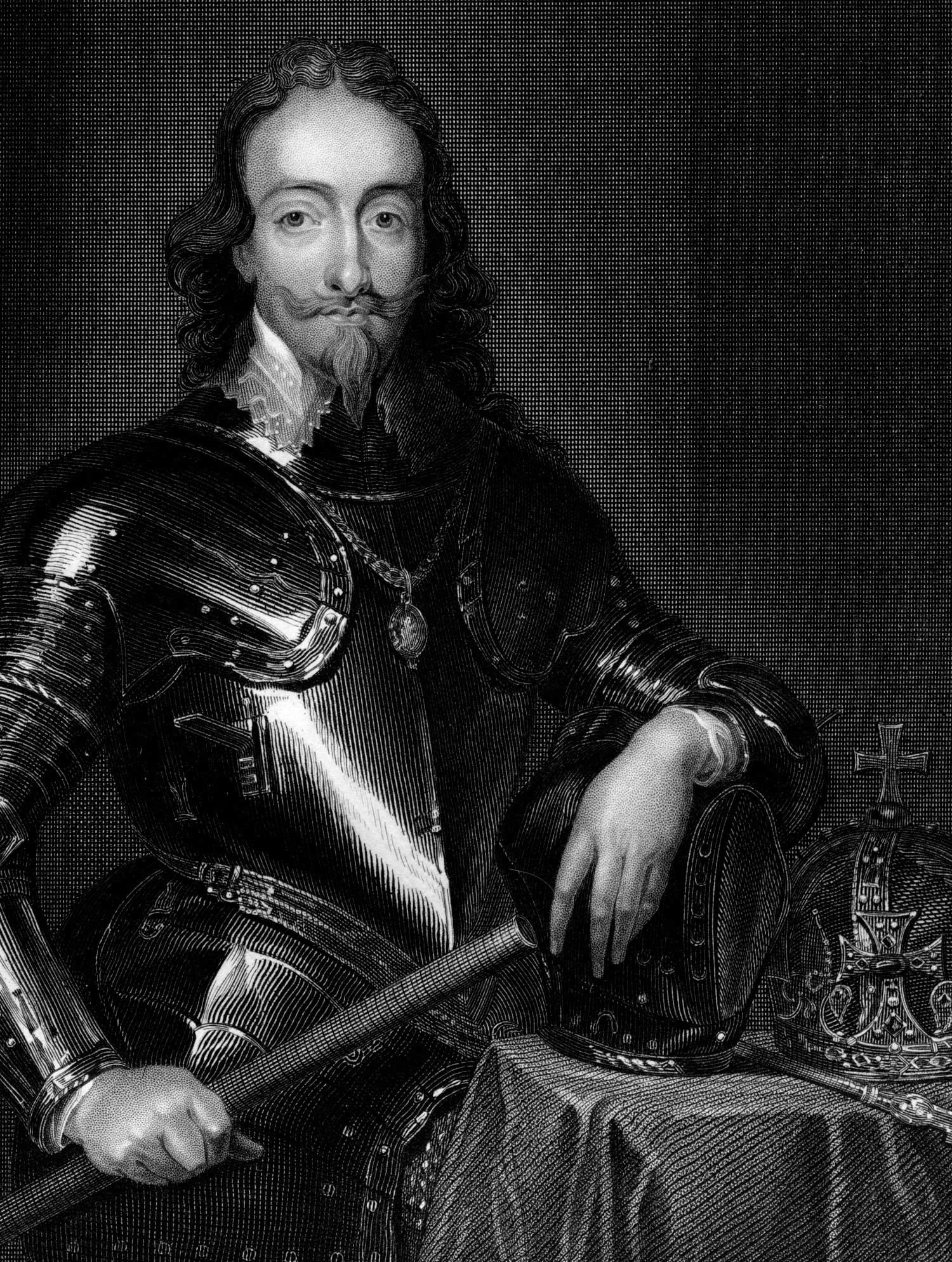
Portrait of King Charles I

Portrait of King Charles I

On the bitterly cold morning of 30 January 1649, following a long and brutal civil war between Crown and Parliament, King Charles I was beheaded in London and the monarchy was abolished.

Three years earlier, in 1646, Parliament had rid the Church of England of its bishops, and when the House of Lords was also abolished in March 1649, virtually the entire, centuries-old, basis of government in Britain had disappeared, seemingly for good. Little wonder people living at the time called it ‘a world turned upside down.’

In the end this uncertain Commonwealth period was to last only eleven years as the monarchy was restored in 1660, but the highly distinctive coins minted during this short stretch of time are sometimes unearthed by metal detectorists in Wales and reported via the

Portable Antiquities Scheme . They have been found in small numbers all over Wales, from Manorbier in Pembrokeshire to Cwm in Flintshire, and in various states of wear including one or two which were later reused for other purposes. So what makes them worth talking about?

Coins for the Commonwealth

It is not surprising that the radically new form of government ushered in so bloodily with the end of the monarchy in 1649 should have caused an upheaval in another enduring aspect of national identity – the coinage. Prior to this all coins had been issued in the monarch’s name and contained his or her image. Even during the Civil Wars (1642-48), Parliament – which was in control of London and therefore also of the Tower Mint - had continued to strike coins in the traditional style as long as the outcome of the war was uncertain. But now that Britain was a republic the centuries-old design of coins with the monarch’s head and Latin legend was clearly inappropriate. A new design, emphasising the legitimacy of the new republican regime, was needed.

Why do they look different?

Commonwealth half groat (twopence) found by R. W. Bevans in Manorbier, Pembrokeshire, 2009. The smaller denomination coins did not have a legend or date.

Commonwealth half groat (twopence) found by R. W. Bevans in Manorbier, Pembrokeshire, 2009. The smaller denomination coins did not have a legend or date.

You don’t need to be a coin expert to notice the obvious difference between the new coins and those we are all more familiar with - there is no king’s head! Of course, when the real king’s head was removed from his shoulders, its likeness also had to be removed from the coinage. With the king gone, the House of Commons claimed that it now exercised sovereign power on behalf of the people, and that God had given his approval to this new state of affairs by allowing Parliament to defeat the king in battle. This bold claim was bolstered by the imagery and lettering used on the new coinage.

On the obverse (heads) side, replacing the traditional monarch’s crowned head, there now appeared a shield containing the cross of St George, representing England. This was surrounded by a wreath of laurel and palm, symbolising Parliament’s victory and the peace it claimed it had brought. On the reverse (tails) side were the conjoined shields of England and Ireland, the latter represented by an Irish harp, along with the date of issue and denomination. Scotland, then a separate nation with its own coinage, was not represented, nor was Wales, which was thought of as part of the kingdom of England and so covered by the cross of St George – as is still the case in the modern Union Jack.

There were also changes to the legends, or lettering, appearing around the edge of the coin’s faces. Traditionally these would have been in Latin, giving the name of the monarch and an abbreviated list of their titles (including a claim to France!) as well as a Latin motto, but this was now replaced with ‘THE COMMONWEALTH OF ENGLAND’ on the obverse and ‘GOD WITH US’ on the reverse. These simple statements not only did away with all references to royal power, they also replaced Catholic-sounding Latin with good Protestant English, and in true Puritan style laid claim to God’s favour and support.

Royalist reaction and the ‘Rump Parliament’

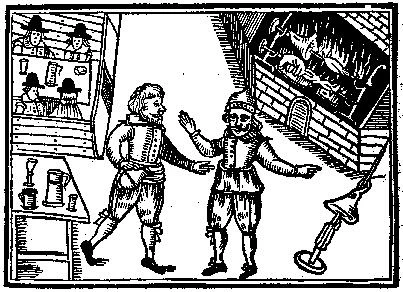
A seventeenth-century woodcut showing two men in a tavern, wearing the breeches said to resemble the conjoined shields of the Commonwealth coins

A seventeenth-century woodcut showing two men in a tavern, wearing the breeches said to resemble the conjoined shields of the Commonwealth coins. (Source: http://www.godecookery.com/mirth/mirth008.html)

Although Charles had been defeated and the monarchy abolished, there were still many people who had been against his execution and were fierce critics of the new republican regime, led by the so-called ‘Rump Parliament’ until 1653. Even the coins came in for ridicule, the royalists finding ways to attack the government by poking fun at the new designs. The wording of the legends on either side of the coins, for example, led royalists to observe that ‘God’ and ‘the Commonwealth’ were on opposite sides. The appearance of the conjoined shields of England and Ireland also caused amusement as they bore an uncanny resemblance to a pair of breeches, and were referred to in royalist circles as ‘breeches for the rump’, ‘rump’, being not only the name of the parliament but also a common term for someone’s backside.

Interestingly, in 1658 the government made an attempt to return to a more familiar design harking back to the royalist period. This featured the profile of the new head of state, Protector Oliver Cromwell, crowned with a laurel wreath on the obverse, and a coat of arms surmounted by – of all things – a crown on the reverse. Cromwell had earlier been offered the crown, but had refused it, so was it included in the new design in an attempt by the shaky government of the day to present an image of stability using the more familiar symbolism of times gone by? Cromwell died soon after this and the coins were never circulated so are not likely to be found by detectorists.

The Restoration and beyond

Worn commonwealth half groat reused as a love token, found by Gwyn Rees near Wenvoe, South Glamorgan, in 2012.

Worn commonwealth half groat reused as a love token, found by Gwyn Rees near Wenvoe, South Glamorgan, in 2012.

Commonwealth half groat found by Gwyn Rees near Wenvoe in 2015. The piercing may have been to take it out of circulation.

Commonwealth half groat found by Gwyn Rees near Wenvoe in 2015. The piercing may have been to take it out of circulation.

The republican experiment ultimately failed and the monarchy was restored under Charles II in 1660. Those who had signed his father’s death warrant, known as the regicides, were rounded up and executed; even the corpse of Oliver Cromwell was exhumed and hung in chains. A similar lack of mercy was shown to the Commonwealth coinage. It was suppressed and called in for recoining between 1661 and 1663, with an estimated two-thirds out of the total minted since 1649 being recovered. But what happened to the rest?

Most will have been taken abroad and some was hoarded, although the coins recovered by detectorists in Wales, which are all of the smaller denominations of penny and half-groat, suggest that some were accidentally lost. The wear and tear suffered by most of these finds may be a result of use or of subsequent damage while in the ground, although one found by Gwyn Rees near Wenvoe, South Glamorgan, in 2012, which has been bent and pierced with a hole at the top, seems to have been reused as a love token, possibly to have been suspended from a chain or ribbon. Was this discarded coin an accidental loss, or is it evidence of a failed relationship? Another Commonwealth half groat, also found near Wenvoe by Mr Rees in 2015, has been pierced in the centre, probably to demonetise it and take it out of circulation in the early 1660s. It is possible that the Restoration government did not bother to recall all the smaller denomination coins, which may therefore have continued in circulation beyond the early 1660s.

Historical significance

Commonwealth of England, half crown (2s 6d), 1649

Commonwealth of England, half crown (2s 6d), 1649

Although collectors see them as relatively uninteresting because of the plainness of the design and its uniformity across the denominations, Commonwealth coins are fascinating from a historical and archaeological point of view. In circulation for such a short period of time they are survivors of a troubled period in British history, when a bloody and divisive war was followed first by the shock of the king’s execution and then by years of political and religious upheaval as the country tried to find an acceptable alternative to monarchical rule. Just as all the political alternatives failed in turn, the new coins’ design was also shortlived – Charles II reverting to the familiar, centuries-old monarch’s head format, which continues in use today. The radical changes in design show how the new republican government tried to heal the ruptures of the Civil Wars and bolster its legitimacy in the absence of the king. Are they best seen as signs of life continuing much as it always had, or relics of a world turned upside down?

Oliver Cromwell, pattern half crown, 1658

Oliver Cromwell, pattern half crown, 1658

Remembering the white ox of Nannau

Oliver Fairclough, 15 September 2009

The Nannau ox painted with family's cowman Sion Dafydd, by Daniel Clowes of Chester

The Nannau ox painted with the family's cowman, Sion Dafydd, by Daniel Clowes of Chester. The ox was one of the last of an ancient herd of white cattle at Nannau.

Oil painting of Sir Robert Williames Vaughan

Sir Robert Williames Vaughan (1768-1843). By permission of Llyfrgell Genedlaethol Cymru / National Library of Wales
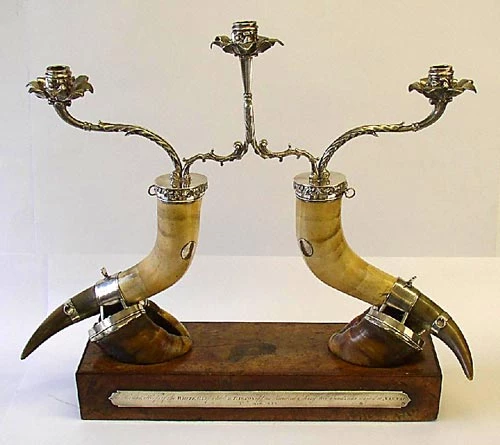
Candelabrum made from two horns and hoofs of the Nannau Ox

The candelabrum made from the horns of the Nannau Ox, mounted onto two of its hoofs. The horns can be detached to form two drinking cups.
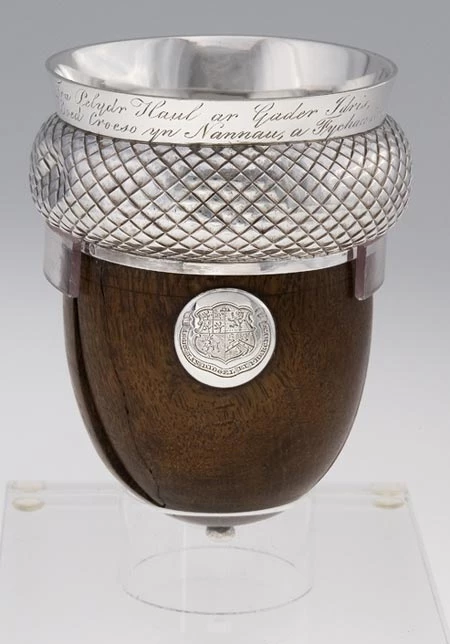
Oak and silver acorn-shaped Cup

This oak and silver cup is part of a set of six acorn-shaped cups made for the 1824 birthday celebrations at Nannau, using the wood of the Ceubren yr Ellyll.

The White Ox

On 25 June 1824 one of Wales's grandest 21st-birthday celebrations took place for the son of Merioneth's biggest resident landowner. Held on the Nannau estate, Dolgellau, 200 guests sat down to an extravagant banquet that included a huge joint of beef from the white ox of Nannau. Various items produced to commemorate the event are now in the collections of Amgueddfa Cymru including a candelabrum made from the horns and hoofs of the prized white ox.

Heirs to landed estates

For centuries it was customary for communities to celebrate the coming of age of the heir to a landed estate. This seems to have been especially true in north Wales. Until the Parliamentary reforms of 1832, the region was socially conservative, and its traditional Welsh-language culture remained strong.

The best-documented celebrations were those of Robert Williames Vaughan of Nannau.

A pillar of the community

The young man's father, Sir Robert Williames Vaughan (1768-1843), 2nd baronet, was Merioneth's biggest resident landowner and its sole representative in Parliament for over four decades. A pillar of the community, he took pride in maintaining old Welsh customs and kept open house at Nannau, where the neighbourhood came to dinner daily without special invitation.

Beef for the poor, beer for the rich

The younger Robert Williames Vaughan's coming of age was marked not only by his family but also by the local inhabitants of the nearby towns. It was accompanied by illuminations, fireworks, balloon ascents and cannon fire, and also much eating and drinking, especially of beef, which the poor never otherwise enjoyed, and beer, which the wealthy usually avoided in favour of wine. Oxen were roasted for the poor of Corwen, Barmouth and Bala and subscription dinners were held in Conway, Dolgellau and Chester.

Tables bent under the weight of good things

The central event was the celebration at Nannau itself on 25 June 1824. A wood, canvas and thatch tent was built in front of the late 18th-century mansion. Here, played in to the tune of The Roast Beef of Old England, 200 guests sat down to "a most sumptuous and plentiful banquet". After a fish course, a huge joint or 'Baron' of beef from a prized white ox, weighing 166lbs, was escorted into the room by the family's cowman, Sion Dafydd. The tables literally bent under the weight of good things. As well as wines, enormous jugs of Cwrw Da ('beer') were placed at proper intervals on the tables.

The Vaughans had a long tradition of cultural patronage and Sir Robert's toast to his son encapsulates the spirit of the occasion: "May he fear God and Honour the King; show reverence to his superiors and respect to his inferiors. Heddwch, Dedwyddwch a Chymydogaeth dda".

Owain Glyndwr and the hollow oak of the demon

The white ox was commemorated in a painting by Daniel Clowes of Chester, and the horns and hoofs were made into a candelabrum. Sir Robert also had six special toasting cups made for the occasion. They were made from the wood of the Derwen Ceubren yr Ellyll, 'the hollow oak of the demon', an ancient tree at Nannau associated with Owain Glyndwr. These were subsequently cherished by the Vaughans, and are now also in Amgueddfa Cymru's collection.

The 1824 celebration was the highpoint of the family's influence. When the region marked Robert Williames Vaughan's wedding eleven years later in 1835 feeling in the neighbourhood was still said to be "worthy of old times when the words Radical & Reform were unknown", but he never enjoyed his father's prestige and died childless in 1859.

Article by: Oliver Fairclough, Keeper of Art, Amgueddfa Cymru

From Industry to Impressionism – what two sisters did for Wales

1 January 2009

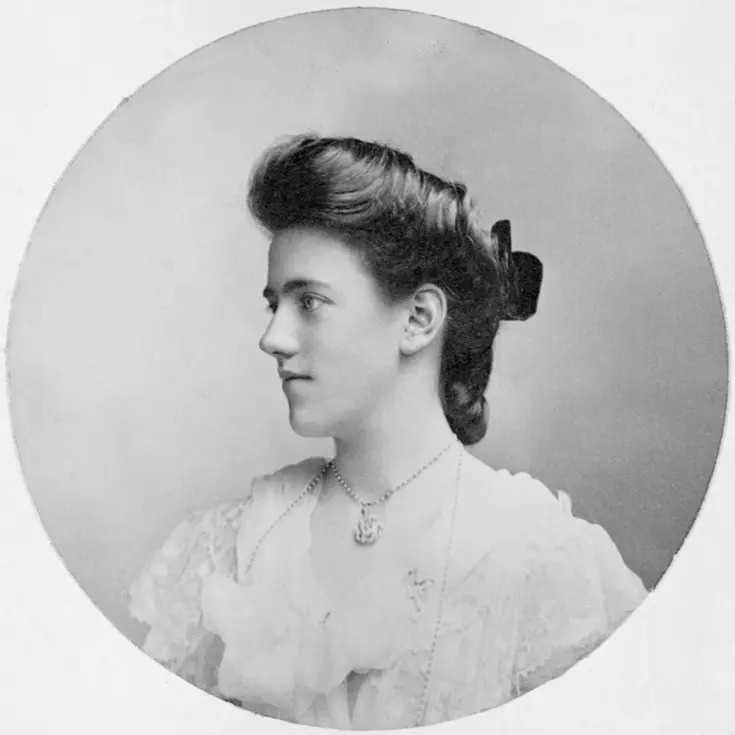
Gwendoline Davies (1882 - 1951)

Gwendoline Davies (1882-1951)
Known as Gwen, the elder, more determined and thoughtful sister, and an accomplished musician.

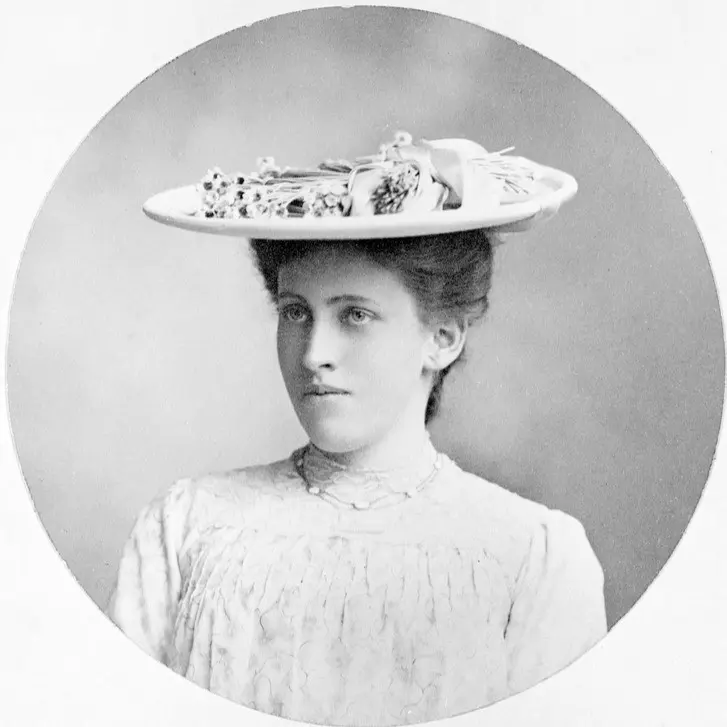
Margaret Davies (1884 - 1963)

Margaret Davies (1884-1963)
Known as Daisy, the younger, more practical sister, and a fine painter and engraver.

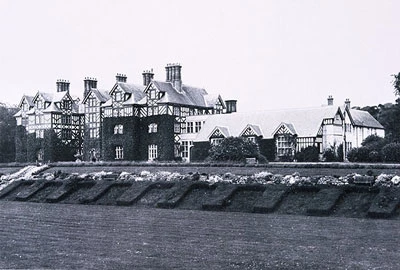
Gregynog Hall

Gregynog Hall

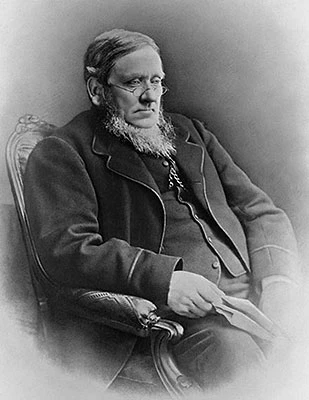
David Davies (1818-1890)

David Davies (1818-1890)
This image shows him in a rare moment of repose. Private collection (Lord Davies)

'The Loan Exhibition of Paintings', 1913

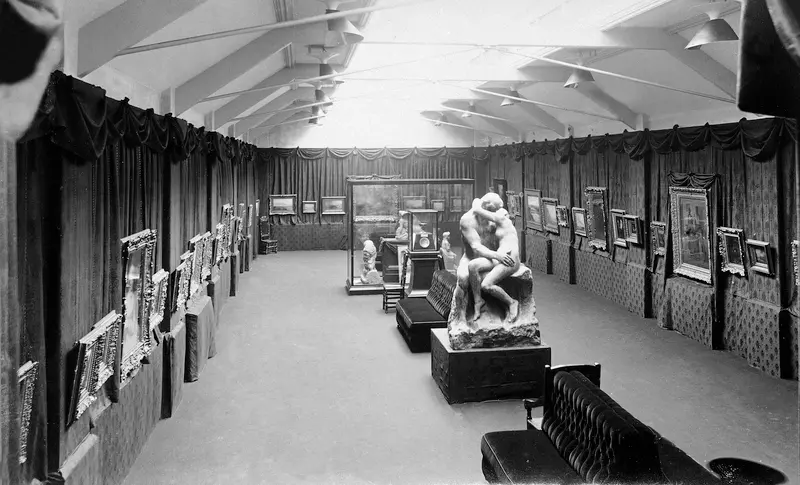
'The Loan Exhibition of Paintings' held in the temporary national museum in Cardiff City Hall in 1913.

Gwendoline (1882–1951) and Margaret Davies (1884–1963), two sisters from mid-Wales, were among the first people in Britain to collect French Impressionism and Post-Impressionism. They bequeathed their magnificent art collection to Amgueddfa Cymru, completely transforming the range and quality of Wales’s national art collection.

The Davies sisters were the greatest benefactors of the Museum’s first hundred years. Their idealism and generosity had a remarkable impact generally on cultural and intellectual life in Wales and is still with us today.

The industrial legacy of David Davies

Gwendoline and Margaret were the granddaughters of David Davies of Llandinam, one of the greatest entrepreneurs of the 19th century. He built much of the railway system in mid-Wales and was a pioneer of the coal industry in south Wales.

David Davies created a massive fortune. After his death in 1890, his son Edward succeeded him. In turn, Gwendoline, Margaret and their brother David, later 1st Lord Davies, inherited the estate.

Their upbringing and childhood

The sisters had a childhood dominated by the strict religious beliefs of Calvinistic Methodism. They were taught that it was their Christian duty to use well the great wealth they would inherit.

After a good and progressive education, they developed a passion for the arts and music. Art history was in its infancy in Britain, so the sisters travelled widely in Europe, studying art in Germany and Italy before beginning their art collecting.

Their sophisticated knowledge of art history was unusual for women of this period and their background.

Beginning the collection

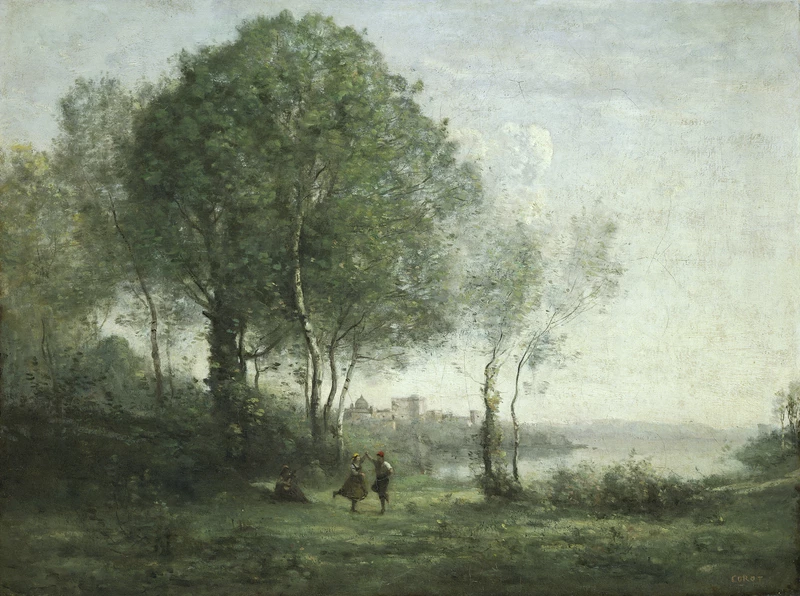
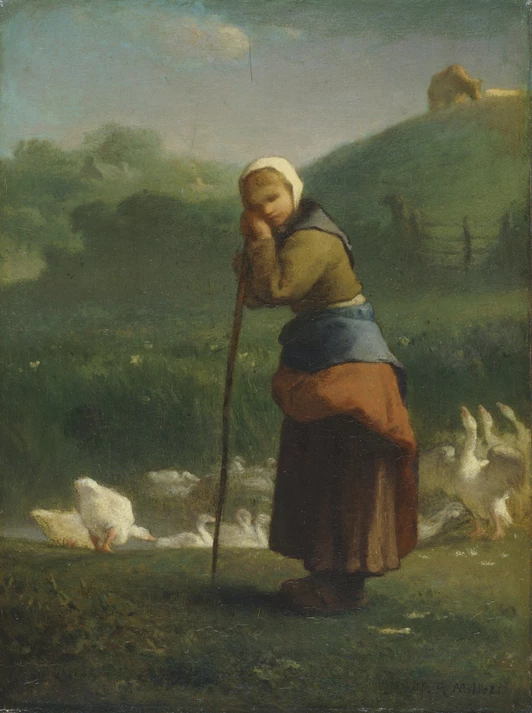
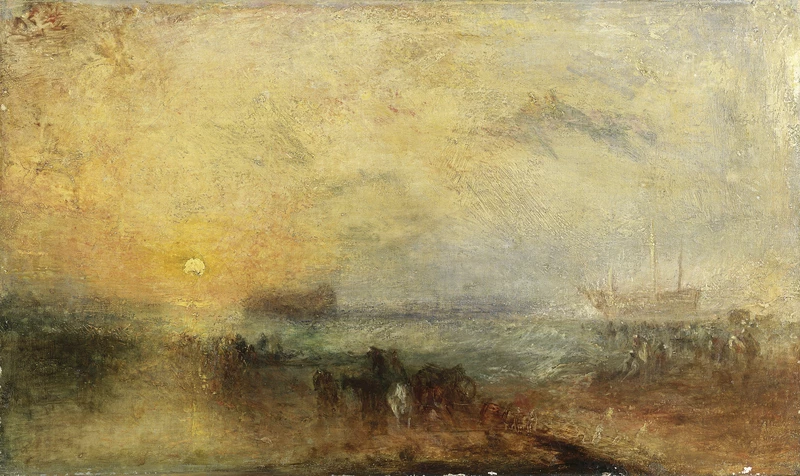
In 1908, the sisters began collecting art in earnest. Their early purchases included landscapes by Corot, peasant scenes by Millet and also Turner’s The Storm and Morning after the Storm.

In the first six years of collecting, they amassed nearly a hundred paintings and sculptures. Their early taste was quite traditional, but in 1912 they turned to buying Impressionism.

Impressionism

Their Impressionist purchases were generally less expensive than the works they had been acquiring by artists such as Turner and Corot.

In 1913, Gwendoline acquired her most important painting, La Parisienne, for £5,000.

The impact of the First World War

The War transformed the lives of Gwendoline and Margaret. They worked as volunteers with the Red Cross in France. However, they still managed to add to their collection during these years. They bought works by Daumier, Carrière, Renoir, Manet and Monet. In 1916 Gwendoline Davies also spent £2,350 on ten oil paintings and a drawing by Augustus John.

In 1918, Gwendoline bought her two celebrated landscapes by Cézanne, The François Zola Dam and Provençal Landscape, which are among her most important and visionary purchases.

Collecting after the First Word War

In 1920, Gwendoline acquired perhaps her finest works, Cézanne’s Still-Life with Teapot for £2,000 and Van Gogh’s Rain – Auvers for £2,020.

They also spent large sums on Old Masters, including Botticelli’s Virgin and Child with a Pomegranate.

Then their collecting suddenly reduced. Gwendoline wrote in 1921 that they could not continue to purchase so much ‘in the face of the appalling need everywhere’.

They still spent over £2,000 on Turner’s Beacon Light in 1922 and £6,000 on a Workshop of El Greco Disrobing of Christ in 1923. In 1926, Gwendoline stopped collecting altogether.

Gregynog: a centre for the arts, music and crafts

The Davies sisters championed many social, economic, educational and cultural initiatives in Wales during the 1920s and 1930s.

In 1920, they bought Gregynog Hall, which they established as a centre for music and the arts in Wales. They also set up the Gregynog Press in 1922, which produced some of the finest books ever illustrated in Britain between the two world wars. Gregynog Hall complemented the Arts and Crafts Museum the sisters had already helped create at Aberystwyth.

Gregynog hosted the popular Festivals of Music and Poetry up until the outbreak of war in 1939, when the sisters again turned their attention to the war effort.

The end of an era

When Gwendoline died in 1951 Margaret kept up such activities as she was able to during her final years. However, without Gwendoline, its ‘chief creator and inspirer’, Gregynog’s heyday was never to be revived. In the year before she died, Margaret gave the house and its grounds to the University of Wales for use as a residential conference centre.

From personal to public collection

In October 1951, Amgueddfa Cymru announced the arrival of ‘the late Miss Gwendoline Davies’ bequest. This was one of the most valuable donations in recent years to any public collection in Britain.

Margaret continued to collect art until just before her death in 1963, focusing on work by modern British artists, many of whom were Welsh. Her works were also destined for the Museum and many of her later acquisitions were made with the Museum in mind.

In 1963 Margaret’s bequest of 152 objects joined that of Gwendoline. Together, the sisters’ collections completely transformed the Welsh national art collection.

A guide to the paintings

Jean-Baptiste Camille Corot (1796-1875), Castel Gandolfo, dancing Tyrolean shepherds by Lake Albano, oil on canvas, 1855-60
Jean-Baptiste Camille Corot

(1796–1875), Castel Gandolfo, dancing Tyrolean shepherds by Lake Albano, oil on canvas, 1855–60

In 1909 Gwendoline paid £6,350 for this painting, described at the time as one of Corot’s masterpieces. Earlier that year, Margaret recorded seeing ‘several charming pictures by Corot’ at the Louvre.

Amgueddfa Cymru, Bequest of Gwendoline Davies, 1951) NMW A 2443

Jean-François Millet (1814-1875), The Goose Girl at Gruchy, oil on canvas, 1854-6.
Jean-François Millet

(1814–1875), The Goose Girl at Gruchy, oil on canvas, 1854–6

Gwendoline and Margaret Davies bought a number of works by Barbizon School artists in the early years of their collecting. Millet was one of the sisters’ favourites.

Amgueddfa Cymru (Bequest of Gwendoline Davies, 1951) NMW A 2479

JMW Turner, The Morning after the Storm, oil on canvas, c. 1840-45
J.M.W. Turner

(1775–1851), The Morning after the Storm, oil on canvas, about 1840–5

Gwendoline purchased this work in November 1908 for £8,085, while Margaret acquired its companion The Storm. Both paintings were apparently inspired by the great storm of 21 November 1840.

Amgueddfa Cymru (Bequest of Gwendoline Davies, 1952) NMW A 434.

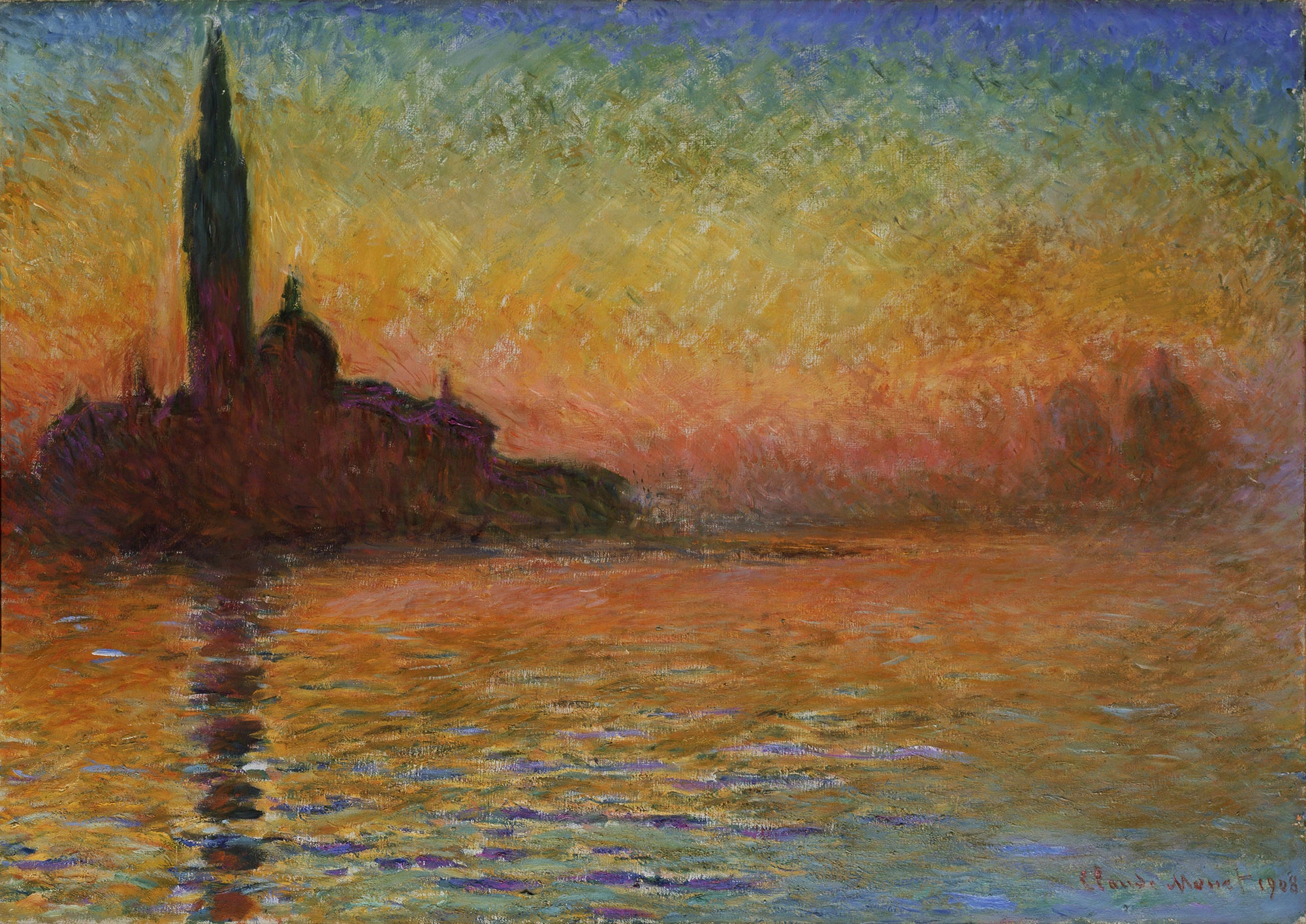
Claude Monet (1840–1926), San Giorgio Maggiore by Twilight, oil on canvas, 1908.
Claude Monet

(1840–1926), San Giorgio Maggiore by Twilight, oil on canvas, 1908

The sisters visited Venice in 1908 and 1909. The subject is the Palladian church of San Giorgio Maggiore, shown as a purple silhouette at twilight. Gwendoline acquired this work for £1,000 in October 1912.

Amgueddfa Cymru (Bequest of Gwendoline Davies, 1951) NMW A 2485.

The decorated floor tiles from Raglan Castle

6 September 2007

Raglan Castle.

Raglan Castle. The castle's fortifications, including the Great Tower shown at the centre of this view, were established in the 15th century. Image: Cadw (Crown copyright).

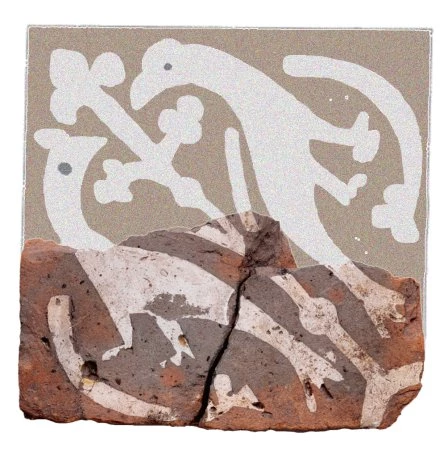
Late 13th to early 14th-century tile of the Wessex School from the chapel at Raglan.

Late 13th to early 14th-century tile of the Wessex School from the chapel at Raglan.

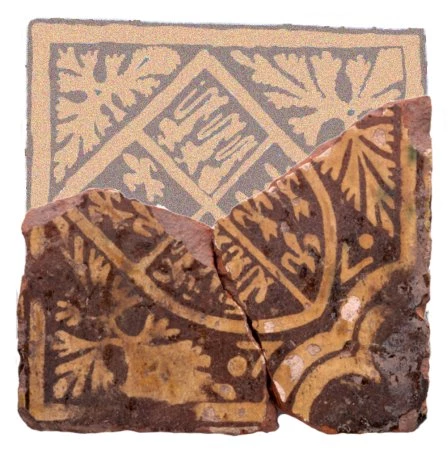
15th-century Malvern-school tile used at Raglan.

15th-century Malvern-school tile used at Raglan.

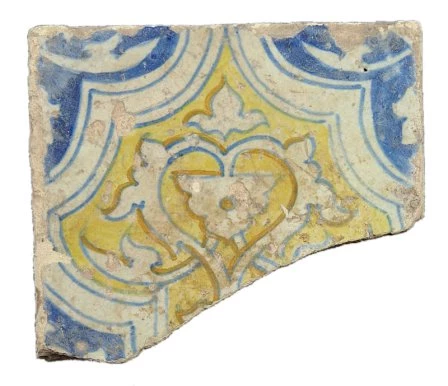
16th-century maiolica tile from the chapel floor laid by Earl William, probably before 1572.

16th-century maiolica tile from the chapel floor laid by Earl William, probably before 1572.

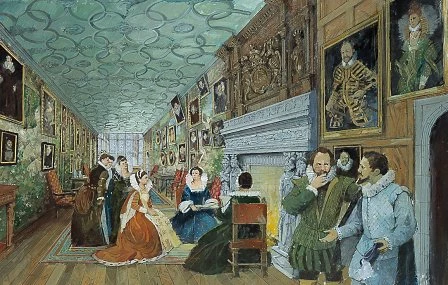
Reconstruction of life at Raglan Castle in the 16th century, at the time of the Third Earl of Worcester. Image: Cadw (Crown copyright).

Reconstruction of life at Raglan Castle in the 16th century, at the time of the Third Earl of Worcester. Image: Cadw (Crown copyright).

Three centuries of fashion and design can be seen in a collection of decorated floor tiles found during building works at Raglan Castle in 1947.

In 1549 William Somerset (1526-1589) succeeded to his father's position as third Earl of Worcester and owner of Raglan Castle. From this base in south-east Wales he launched a career that was to see him thrive at the courts of Edward VI (1547-53), Mary (1553-58) and then Elizabeth I (1558-1603). He is buried in Raglan parish church.

Such a prominent figure lived a lifestyle that suited his high social standing, and we can see this aspiration in the extensive remodelling that he undertook of the fortress-mansion he had inherited.

He set about an extensive programme of modernisation that affected all parts of the castle and its grounds: the hall and accommodation were improved, kitchen and service areas upgraded, a long gallery was introduced and gardens created in Renaissance style.

The Castle's furnishings were also updated with items that reflected contemporary European fashion. This is illustrated in the chapel at Raglan.

Raglan Chapel

The chapel at Raglan dates from at least the 13th century. It had a floor of thick red earthenware tiles with decoration inlaid into its surface using a contrasting colour. Such two-colour tiles often had designs of shields and monograms, over which a clear glaze would be fired. These tiles were the height of fashion in the mid-14th century.

About 1460, these tiles were replaced with two-colour tiles of bright yellows and golden browns. This must have provided a rich backcloth for the treasures of the chapel.

However, these designs were not to the taste of Earl William. He preferred the fashionable products of the Spanish Netherlands, and used his considerable wealth to purchase tin-glazed earthenware tiles painted in a polychrome style that was popular in the Renaissance period.

The result was a dramatic transformation of the chapel, lightening its interior and adding delicacy to its decoration.

Sadly, the abandonment of Raglan in the wake of the English Civil War has left few traces of the other changes that Earl William made to the interior furnishings of his castle. We are left instead to speculate on the luxury he must have brought to it, and to reflect on the transient nature of that wealth, surviving as it does in a small collection of painted floor tiles and a handful of other items.

Guide to the Tiles

  • Late 13th- to early 14th-century tile of the Wessex School from the chapel at Raglan. It shows two birds feeding from a central tree. Tiles with this design were also used at nearby Tintern Abbey and White Castle.
  • 15th-century Malvern-school tile used at Raglan. The Latin text reads 'May the peace of Christ be amongst us always. Amen'.
  • 16th-century maiolica tile from the chapel floor laid by Earl William, probably before 1572. These tiles were probably imported from the Spanish Netherlands, perhaps Antwerp, where maiolica production had been established in the early 16th century.

Background Reading

Raglan Castle by J. R. Kenyon. Cadw (2003).

'The chapel at Raglan Castle and its paving tiles' by J. M. Lewis. In Castles in Wales and the Marches by J. R. Kenyon and R. Avent, pp.143-60. University of Wales Press (1987).

The medieval tiles of Wales by J. M. Lewis. Amgueddfa Cymru (1999).