: Mining & Extraction

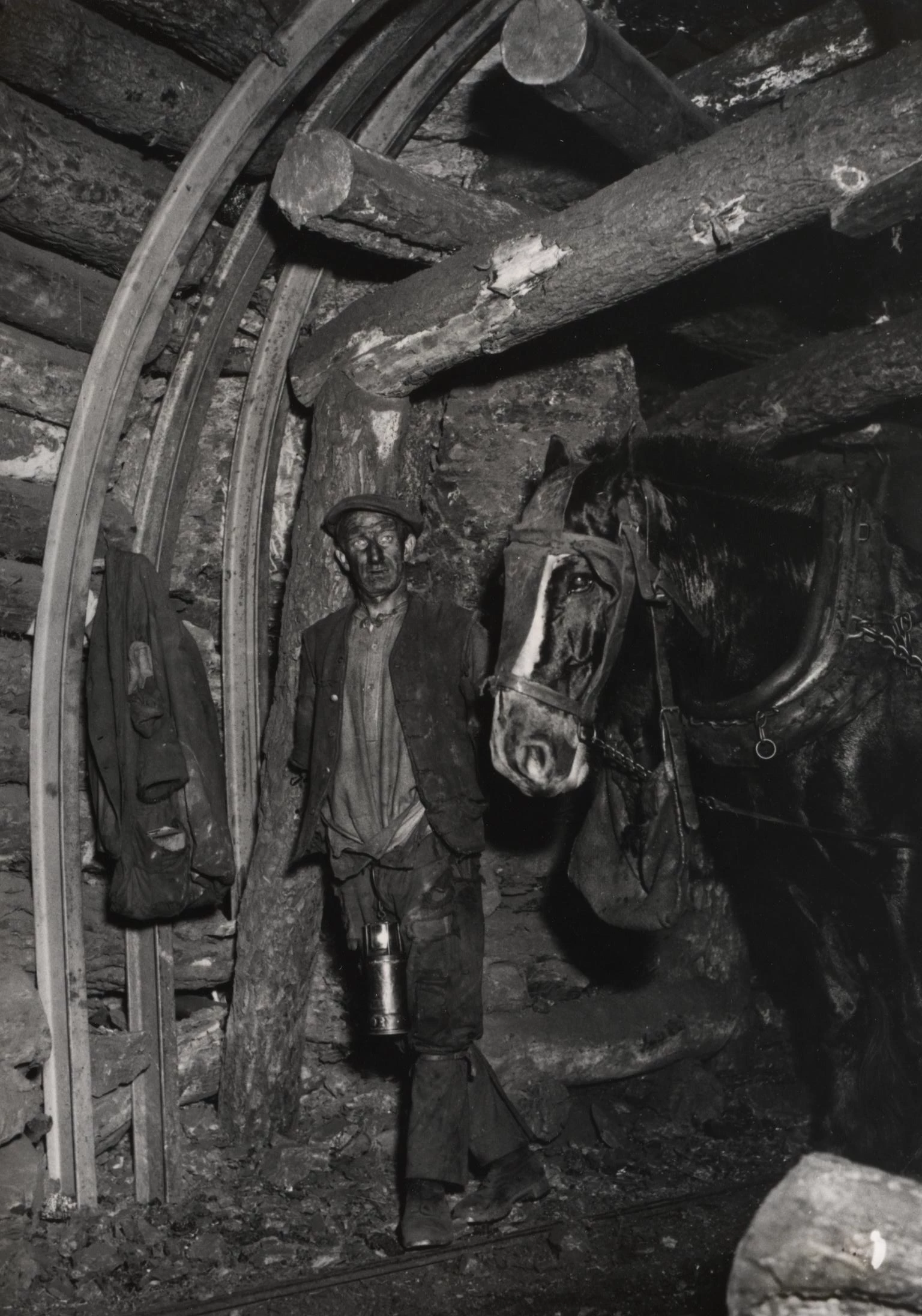
Welsh colliery horses

Ceri Thompson, 6 October 2023

A miner stands by wooden beams in a coal mine; he stands next to a Welsh Colliery Horse
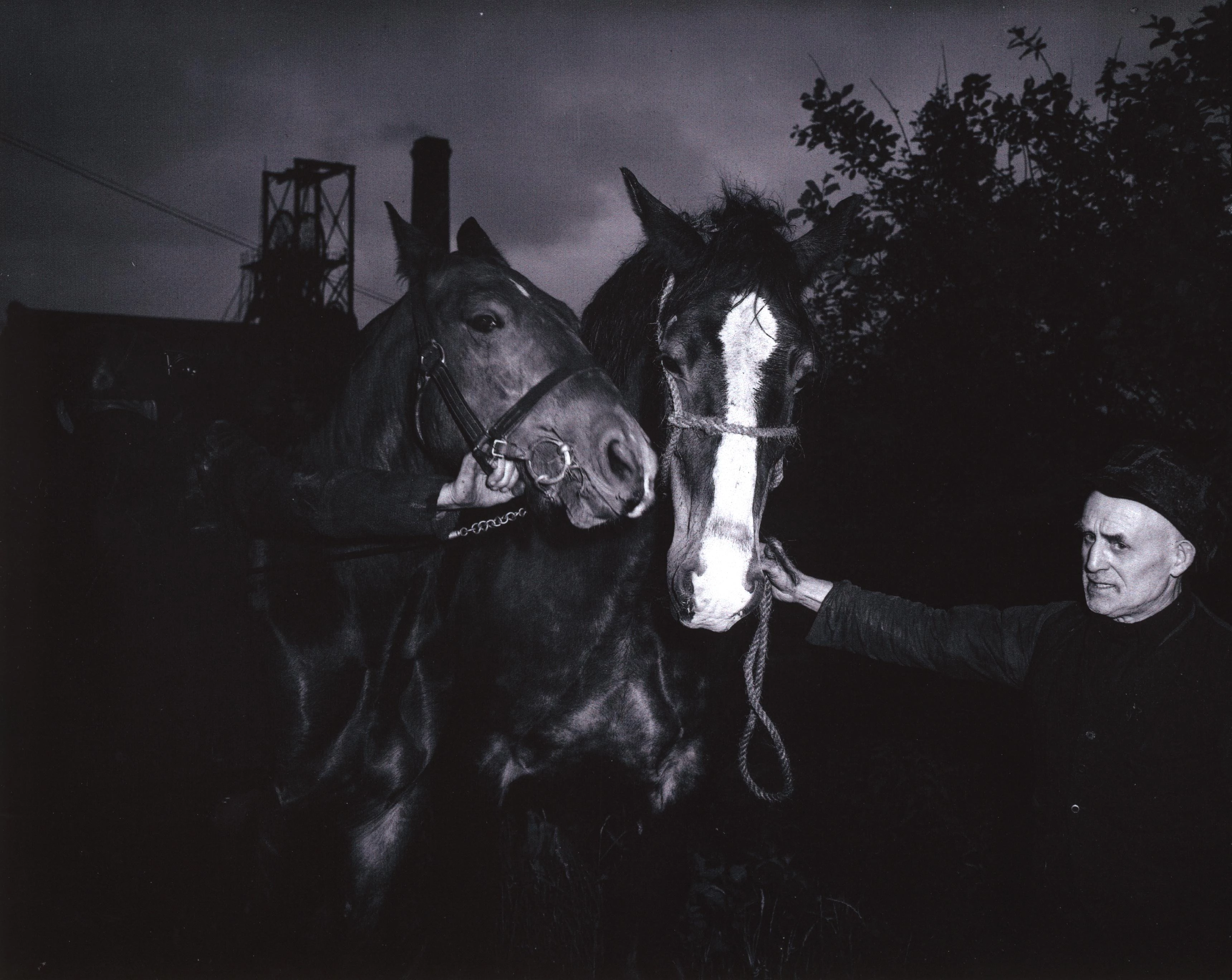
Two men hold the reins of two hourses. It’s night-time but the big pit wheel can be seen in the background; the man has a serious look on his face
A brown horse stands on a track; he has a mask covering his face and is pulling a cart behind him and there's a green shed to one side
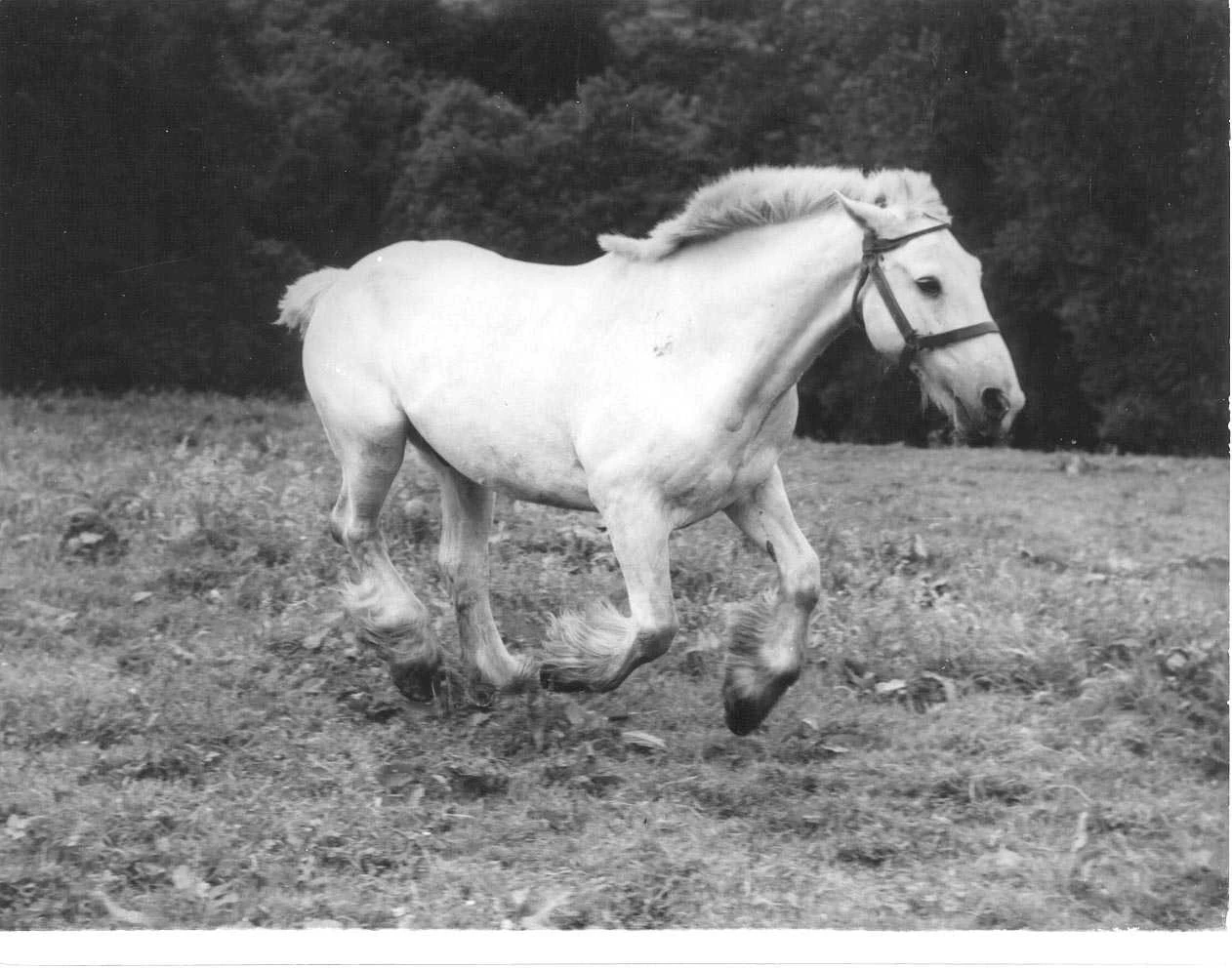
A white horse galloping in a field; there are trees in the background


Horses have been closely connected with coal mining since the early days of the industry.  They have been used to transport coal from the collieries to the customer, have been used to power winding and pumping engines and, most importantly to move coal from the coalface to the shaft.

In 1878 the RSPCA calculated that there were over 200,000 horses at work in British mines. The numbers decreased as mechanisation became more common, but they continued to be used throughout the twentieth century. The last Welsh colliery horse was probably Robbie who retired from Pant y Gasseg Mine in 1999.

Most commonly known as ‘pit ponies’ by the general public but Welsh colliery horses were usually around 15 hands high – the same size as Henry VIII’s warhorses.  It is often claimed that they went blind, but a blind horse would not have been very useful underground and any animal which did lose its sight was usually brought to the surface as soon as possible.

Although they were essential for the production of coal before introduction mechanised haulage, use horses in industry has often been highly controversial. The owners argued that vital economic process winning while animal lovers regarded their as inhuman.

In between these opposing sides were the mineworkers, who may have felt sympathy for these animals. However, they could turn a blind eye to any callousness, or even be cruel themselves, if their pay packets were under threat.

Welsh colliery horses were usually around 15 hands high and males, mostly geldings but some stallions were kept.  The majority were of the Welsh Cob type but larger horses such as Shires and imported Belgian horses were also kept, especially on the surface or in main haulage roads. When stocks of horses were low, they could be obtained from as far away as America and Russia.  Smaller ponies, around 13 hands, were sometimes used for light haulage duties.

They had to be at least 4 years old before being accepted into colliery work. In 1893, the average life expectancy of a horse was between eight and nine years, with around 6% killed in accidents. By 1950s this risen ten fifteen although there were some on ‘light jobs’ still employment over twenty age.

By the 1930s, most horses worked between forty-five and sixty hours a week. After 1949 the maximum working hours were to be not more than forty-eight hours, and no more than seven shifts, per week.  They were also entitled to the same twenty-minute break as the men.

In 1938, colliers were entitled to an annual week’s paid holiday and the horses were usually allowed above ground as well. By 1948 both the colliers and horses got a two-week annual holiday.

By 1878, the RSPCA estimated that there were around 200,000 horses working in British mines.  By 1913 this had decreased to 70,000, because of improved mechanical haulage methods. In 1930 it was reported that 25 Welsh collieries had no horses at all. In 1947 there were some 8,000 Welsh colliery horses, by 1967 there were only 417. By the 1980s National Coal Board horses were being retired but, in smaller, ‘private mines’ horses were in use for a few years to come.

The last Welsh colliery horses, ‘Gremlin’ and ‘Robbie’ retired from Pant y Gasseg (‘Horses’ Hollow’) Mine, Pontypool, in 1999. They were sent to a RSPCA rest home in Milton Keynes, but Robbie found that boring and was loaned to the National Coal Mining Museum for England in Wakefield where he pulled light tubs of visitors around the site.  Robbie died on the 27th April 2009, probably the last working Welsh colliery horse.

For many visitors to Big Pit, the most memorable parts are the underground and surface stables, still bearing the names of the horses that worked there. By the start of the 20th century, there were around 300 horses working in Blaenafon coal mines with 72 working in Big Pit alone.

The last underground horse at Big Pit was brought up in 1972, but two horses continued to work on the surface until 1974.

Whether he was a ‘willing pet’ or ‘wretched pit pony’ the colliery horse shared the same conditions and dangers as the coalminer. They died in their hundreds from mistreatment, accident and explosion. We owe them a great deal, including the success of the industrial revolution.
Uncovering our Collections: Half a Million Records now Online

26 March 2018

As we reveal half a million collection records for the first time, we look at some of the strangest and most fascinating objects from National Museum Wales Collections Online.

This article contains photos of human skeletal fragments.

The Biggest

We have some real whoppers in our collections - including a full-size Cardiff Tram and a sea rescue helicopter - but the biggest item in our collection is actually Oakdale Workmen's Institute.

Built in 1917, the Institute features a billiard room, dance hall and library - and is nowadays found in St Fagans National Museum of History.

Photograph from 1908 showing Horace Watkins in a very early, precarious-looking monoplane

Horace Watkins testing his monoplane in 1908

Many of the buildings in St Fagans are part of the national collection - meaning they have the same legal status as one of our masterpiece Monets or this coin hoard. The buildings are dismantled, moved, rebuilt - and cared for using traditional techniques, by the museum's legendary Historic Buildings Unit.
 

The Oldest


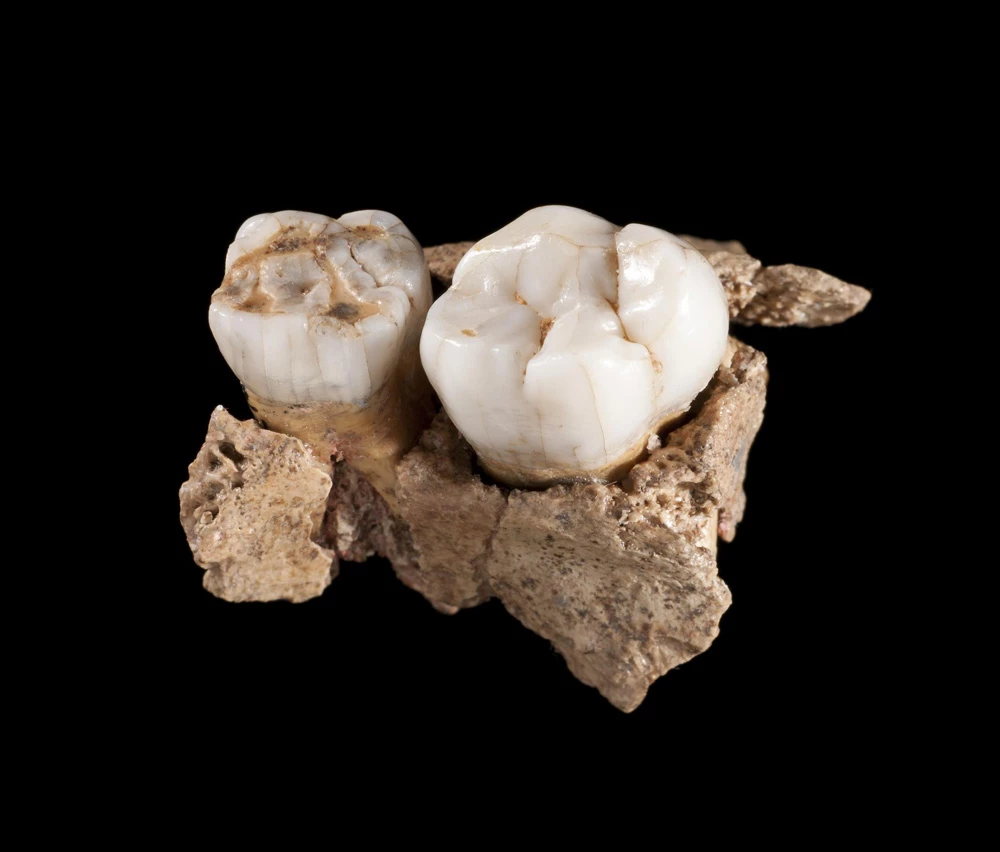
photograph of two teeth, belonging to a Neanderthal boy aged 8

The oldest human remains ever discovered in Wales

These teeth belonged to an eight year-old Neanderthal boy - and at 230,000 years old, they are the oldest human remains in Wales.

They were discovered in a cave near Cefn Meiriadog in Denbighshire, along with a trove of other prehistoric finds, including stone tools and the remains of a bear, a lion, a leopard and a rhinocerous tooth.

These teeth are among some of the incredible objects on display at St Fagans National Museum of History
 

The Shiniest

People in Wales have been making, trading and wearing beautiful treasures from gold for thousands of years - like this Bronze Age hair ornament and this extremely blingy Medieval signet.


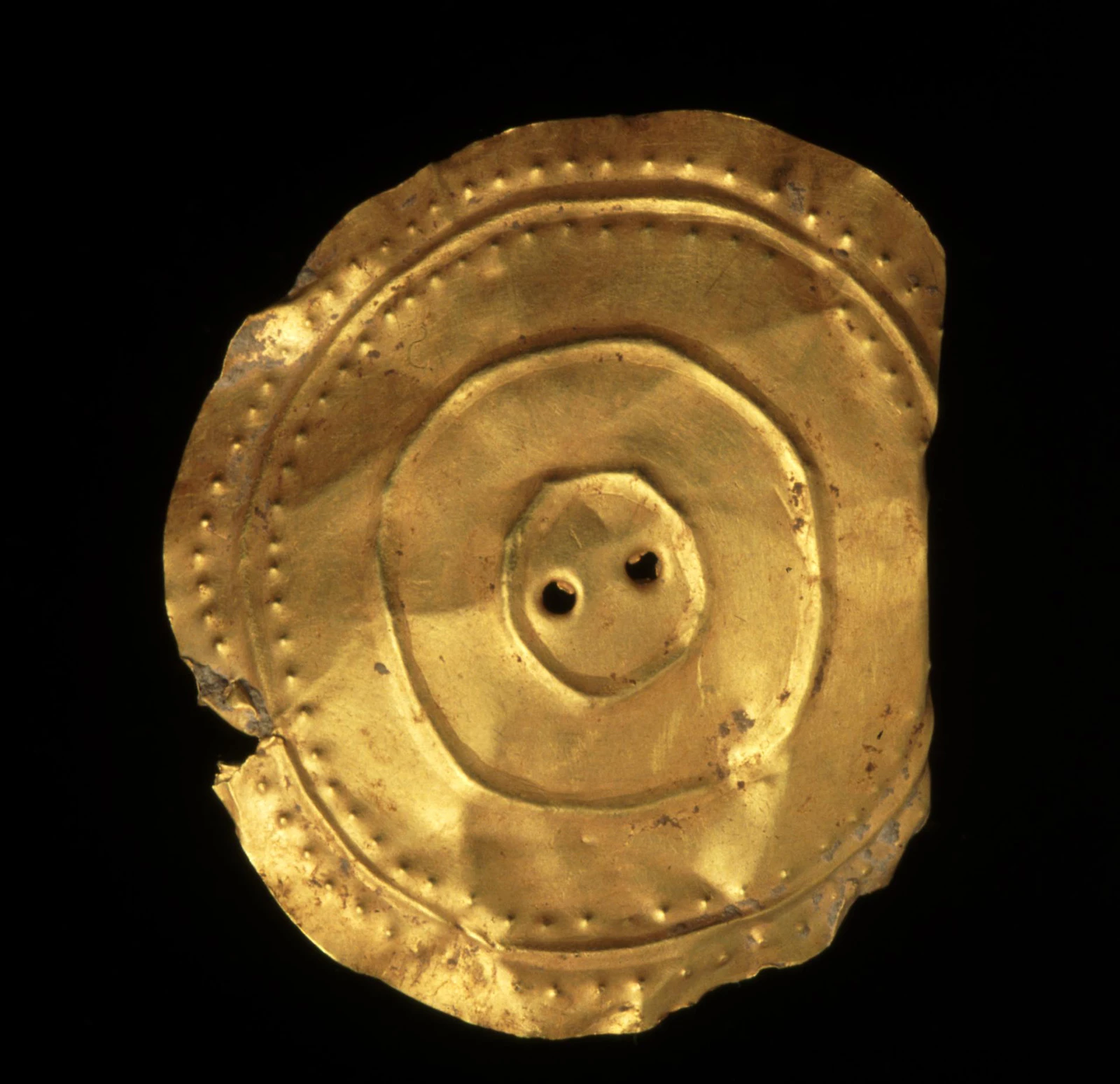
photograph of gold disc with repousse design

At around 4000 years old, this sun disc is one of the earliest and rarest examples of Welsh bling

One of the earliest examples of Welsh bling is this so-called 'sun disc', found near Cwmystwyth in Ceredigion.

Current research suggests that these 'sun discs' were part of ancient funeral practice, most likely sewn onto the clothes of the dead before their funerals. Only six have ever been found in the UK.
 

Most Controversial

At first glance, an ordinary Chapel tea service - used by congregations as they enjoyed a 'paned o de' after a service. A closer look reveals the words - 'Capel Celyn'. The chapel, its graveyard and surrounding village are now under water.


Photograph showing a cup and saucer with 'Capel Celyn' and a ribbon scroll design

Capel Celyn, in the Tryweryn Valley, is now underwater

Flooded in 1965 by the Liverpool Corporation, the Tryweryn valley became a flashpoint for Welsh political activism - creating a new generation of campaigners who pushed for change in how Welsh communities were treated by government and corporations.

Curators from St Fagans collected these as an example of life in Capel Celyn - to serve as a poignant reminder of a displaced community, and to commemorate one of the most politically charged moments of the 20th century in Wales.
 

Honourable Mention: an Airplane made from a Dining Room Chair

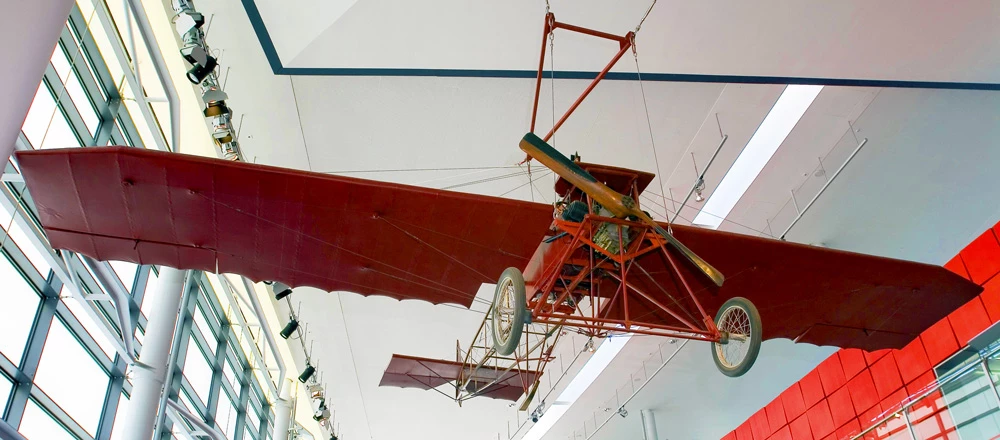
Made from a dining room chair, piano wire and a 40 horsepower engine, the Robin Goch (Red Robin) was built in 1909 - and also features a fuel gauge made from an egg timer.


photograph of a small, early twentieth century airplane with red wings

The Robin Goch (Red Robin) on display at the National Waterfront Museum

Its builder, Horace Watkins, was the son of a Cardiff printer - here he is pictured with an earlier, even more rickety version of his famous monoplane.
 

Photograph from 1908 showing Horace Watkins in a very early, precarious-looking monoplane

Horace Watkins testing his monoplane in 1908

Our collections are full of stories which reflect Wales' unique character and history. The Robin Goch is one of the treasures of the collection, and is an example of Welsh ingenuity at its best.

Half a Million Searchable Items

The launch of Collections Online uncovers half a million records, which are now searchable online for the first time.

“Collections Online represents a huge milestone in our work, to bring more of our collections online and to reach the widest possible audience.

It’s also just the beginning. It’s exciting to think how people in Wales and beyond will explore these objects, form connections, build stories around them, and add to our store of knowledge." – Chris Owen, Web Manager
 

Search Collections Online

Plans for the future

Our next project will be to work through these 500,000 records, adding information and images as we go.

We'll be measuring how people use the collections, to see which objects provoke debate or are popular with our visitors. That way, we can work out what items to photograph next, or which items to consider for display in our seven national museums.

Preparing and photographing the collections can take time, as some items are very fragile and sensitive to light. If you would like to support us as we bring the nation's collections online, please donate today - every donation counts.


Donate Today


We are incredibly grateful to the People's Postcode Lottery for their support in making this collection available online.
 

Esyllwg’s Sad Fate

Ceri Thompson, 1 March 2017

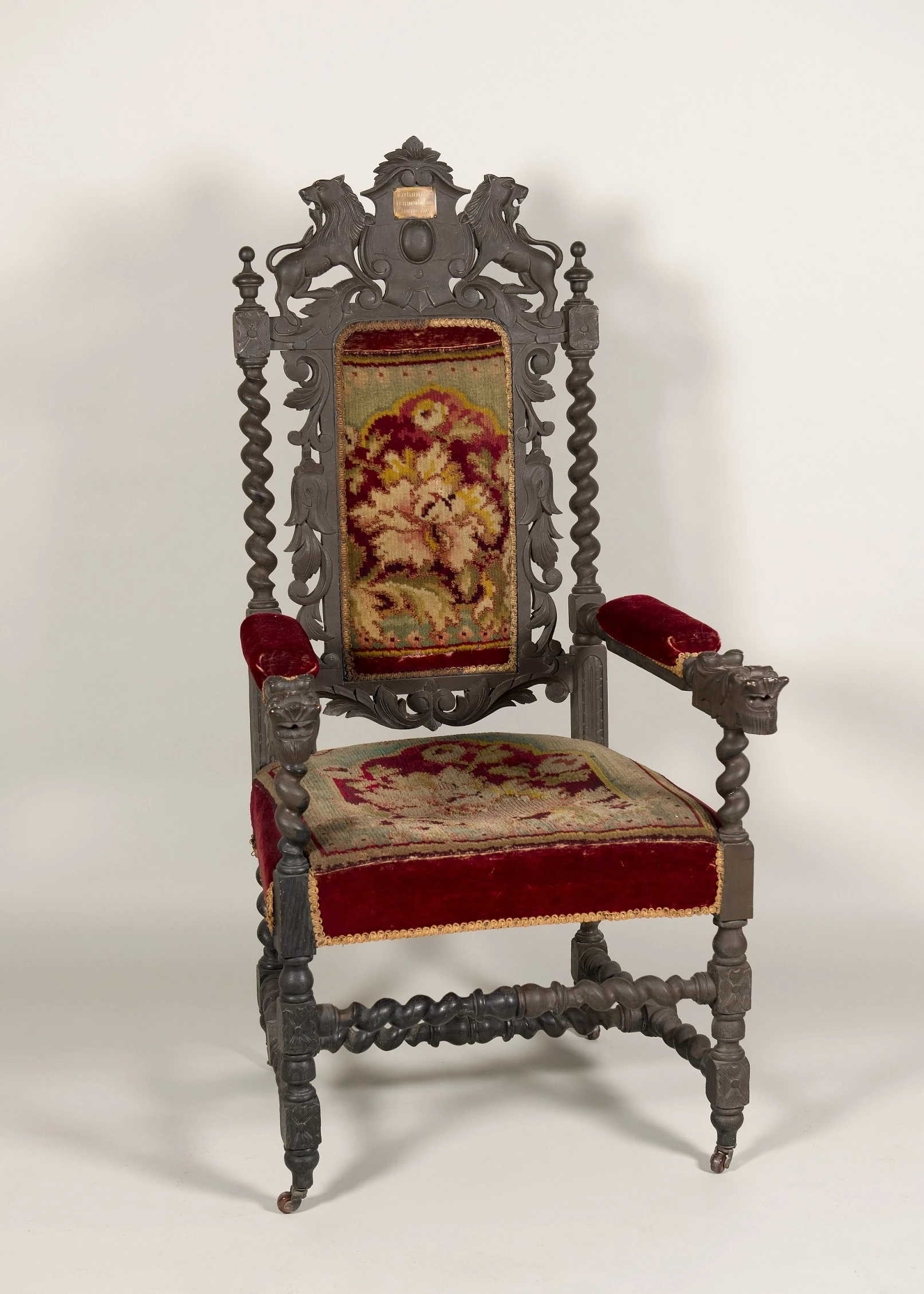
‘The most beautiful work of art’ - the Eisteddfod chair

‘The most beautiful work of art’ - the Eisteddfod chair

In the Rhondda Fawr on Good Friday, April 10th 1903, the fifth Blaenclydach Chair Eisteddfod was held in the village’s Gosen Chapel.

Seventeen competitors took part in the ‘best poetical competition’, the prize being £1.11.6d and a handsome chair (The Rhondda Leader described it as ‘the most beautiful work of art’) given by Mr Joseph Jones of Blaenclydach. The competitors’ task was to write 120 lines on the subject of ‘Adgof’ (memory or reminiscence) and the adjudicator was Ap Ionawr of Llansamlet.

The competition was won by ‘Esyllwg’ (the ancient name for south-east Wales), the bardic name of Thomas Jones, a thirty year old collier from Mountain Ash. The Aberdare Leader announced that ‘… the first chaired bard of Mountain Ash is a young man with a promising career’ and went on to say that ‘it is intended to have a repetition of the chairing ceremony at Bethania Hall (Mountain Ash) sometime next month.’ Sadly, that ceremony never took place.

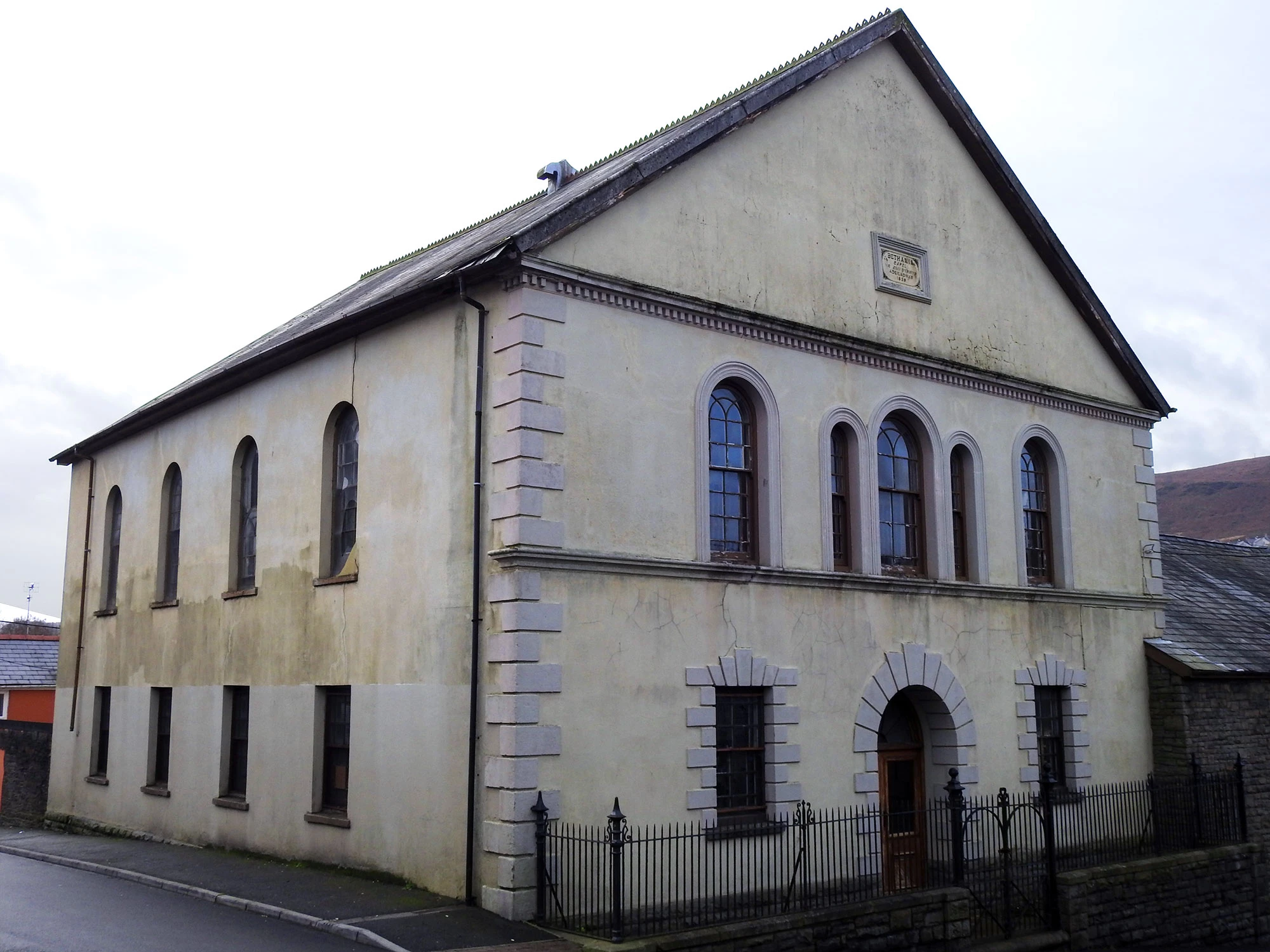
Thomas’s father, David Thomas Jones, was born in Brynaman in 1846 and came to work in Nixon’s Navigation Colliery in Mountain Ash. ‘Esyllwg’ followed his father into the colliery but was also well known as a teacher of Welsh classes in the Science and Art Department of the Continuation School at Mountain Ash, a faithful member of Bethania Welsh Congregational Chapel and a member of the Caegarw String Band.

Bethania Chapel, Mountain Ash

Bethania Chapel, Mountain Ash

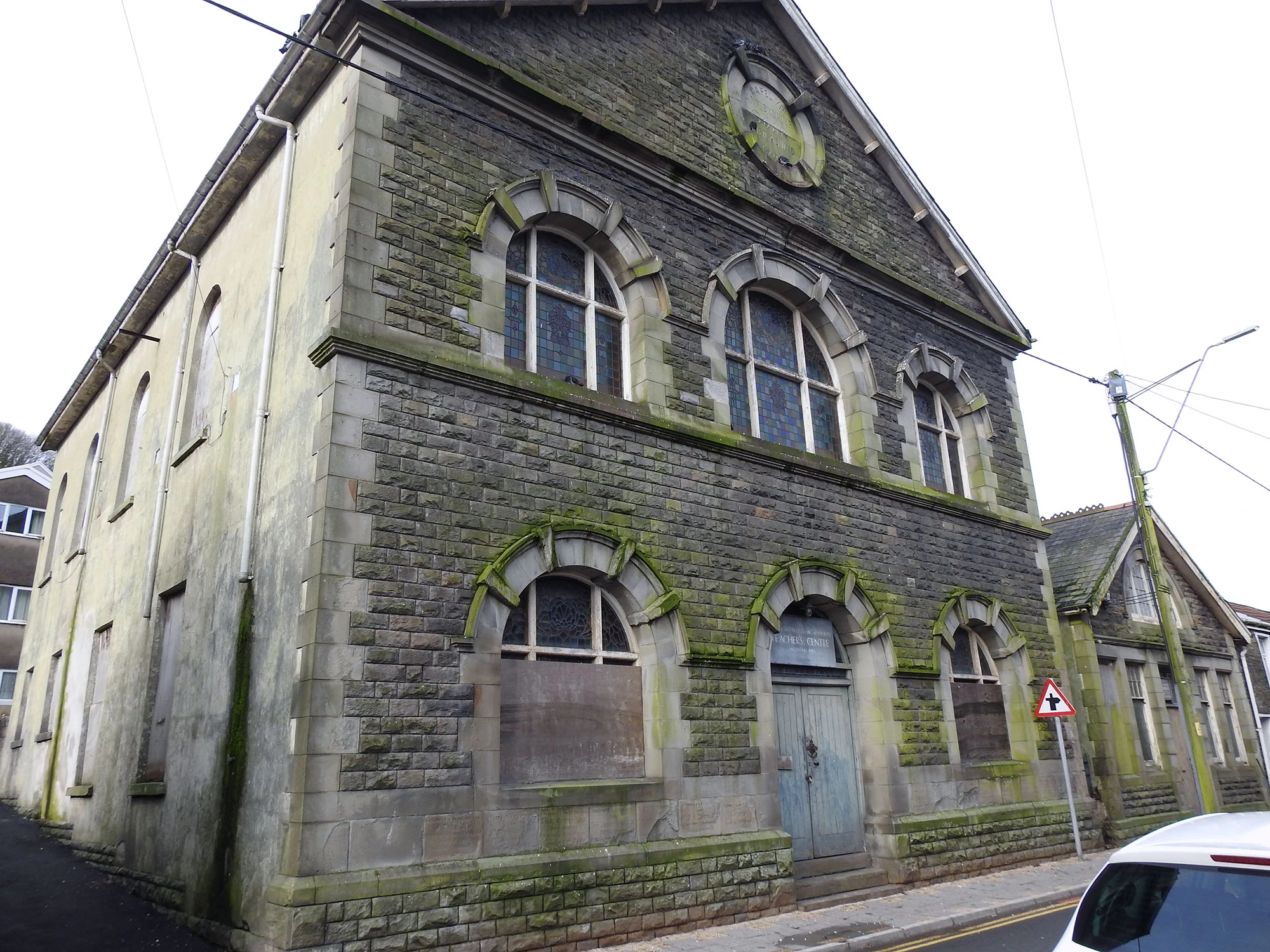
Soar Chapel, Mountain Ash

Soar Chapel, Mountain Ash

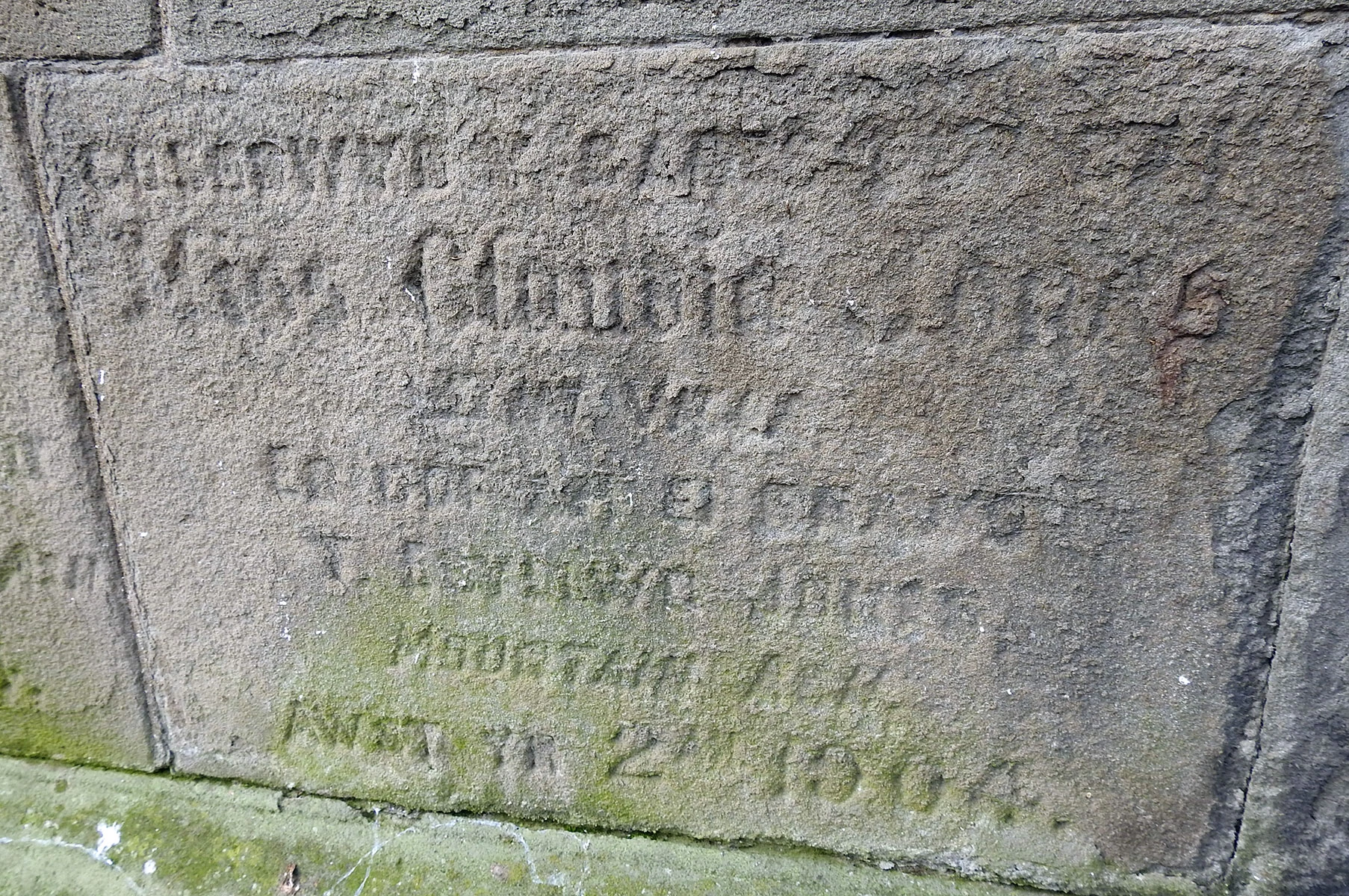
Thomas Jones' memorial stone

Thomas Jones' memorial stone

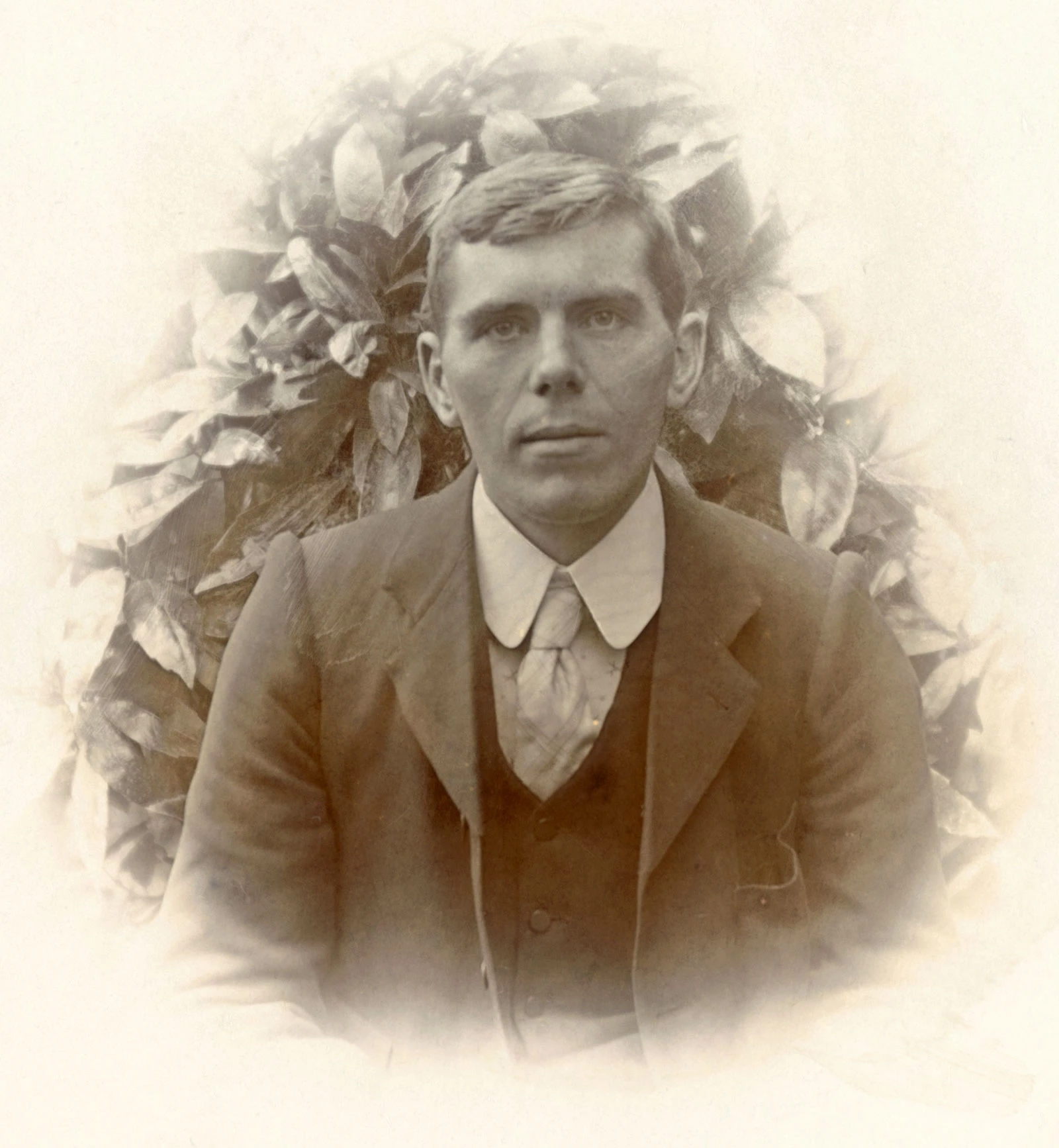
Thomas Jones

Thomas Jones

Esyllwg's Accident

On the 4th May, almost a month after his Eisteddfod success, Thomas was working in the 2’9” seam of Deep Duffryn Colliery when he was killed under a fall of roof. His Majesty’s Inspector of Mines Inspector’s Report for 1903 describes the incident as follows:-

“Fall of roof: no.42, Thomas Jones, 30, collier, 4 May 1903, 12.30pm, Deep Duffryn Colliery, Glamorgan, Nixon’s Navigation Co Ltd. “At face, cliff, 10 ft. by 4ft 8 ins. by 44 ins. thick. Deceased wanted to get this stone down, so commenced knocking the props out from under it, and, when he knocked out the last, the fall occurred. Its falling so suddenly was due to a “false slip” in the roof, which could not be seen previous to the fall. Two feet nine seam.”

The Aberdare Leader for the 9th May 1903 announced the death under the headline “Esyllwg’s Sad Fate” and described him as “The sweet singer of Pennar”. The article ends “The blighting of a budding genius by the grim hand of death is always distressing, but the tragic circumstances make the demise of our friend doubly pathetic. His relatives are the objects of the most sincere sympathy.”

In 1904 Thomas Jones’s sister Claudia dedicated a memorial stone on the outside wall of the, then, newly-built Soar Chapel in High Street, Mountain Ash. Although disused the chapel is still there but the stone is now so worn as to be almost unreadable.

The chair is now in the coal mining collection of Amgueddfa Cymru: National Museum Wales.

Poem of Remembrance

'Pryddest Goffadwriaethol' - Poem of Remembrance

'Pryddest Goffadwriaethol' - Poem of Remembrance from his funeral.

The Letter in the Lamp: The South Wales Coal-Miners’ Hunger March

Ceri Thompson, 15 July 2016

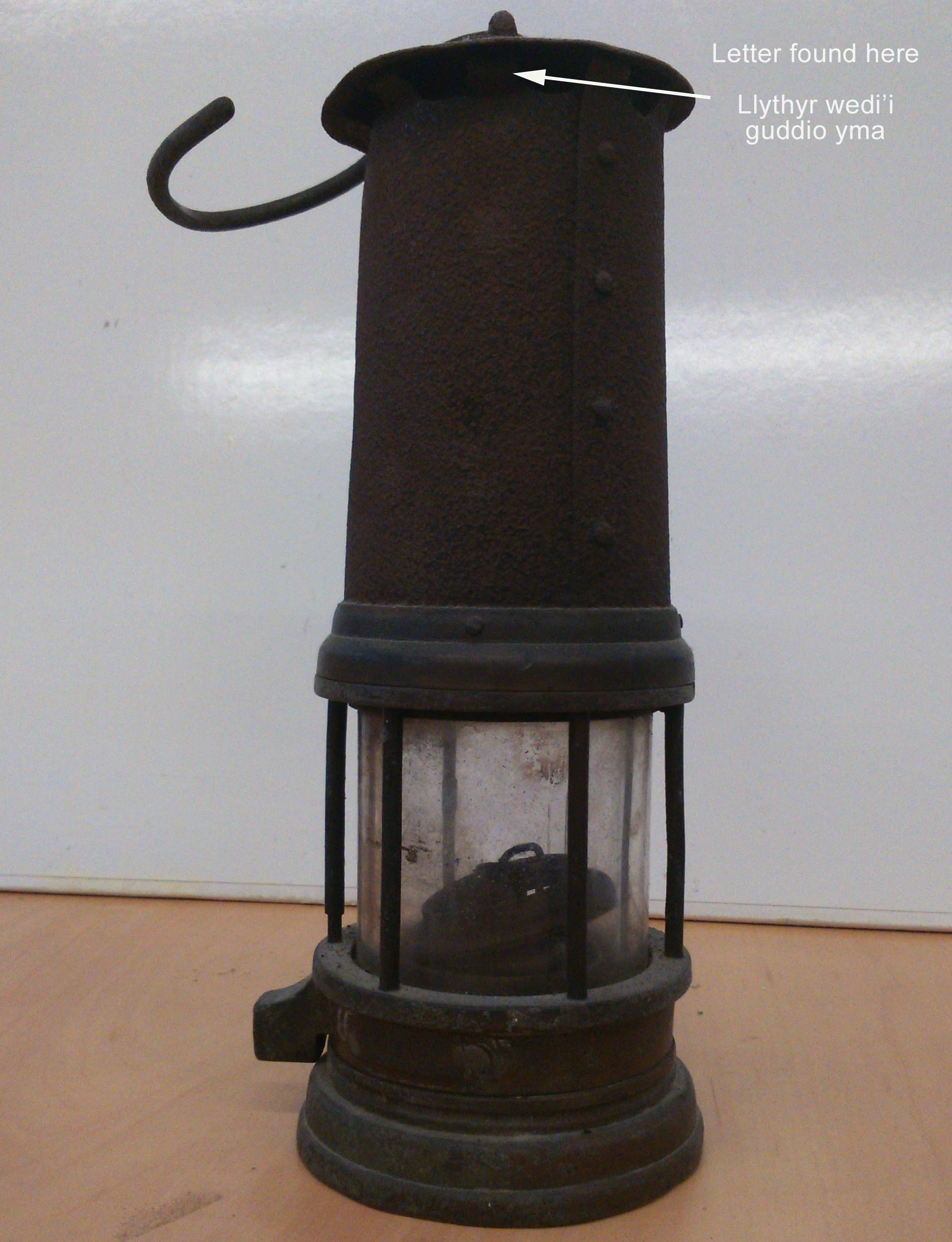
During the early part of 2016 Big Pit received the donation of a Cambrian type flame safety lamp and a framed letter.

The Letter

The letter, was found tucked into the bonnet of the lamp by the donor, dated 10th January 1928, and addressed to Mr J. Hawes – a relative of the donor – and signed by D. Lloyd Davies of Maerdy, Rhondda. In it, Mr Lloyd Davies apologises for the delay in sending a miner’s lamp to Mr Hawes because he was looking for one ‘of equal historical distinction for our friend the coroner’.

The letter describes the lamp, which was ready to be sent to Mr Hawes, as ‘one of the few that was recovered from the terrible Cilfynydd Explosion (June 1894)’. The letter goes on to say ‘that things continue very black in this Rhondda area and will confess that the last was the blackest Christmas I’ve ever spent.’

The letter’s recipient, James Hawes, had funeral businesses in at least four locations in London. I knew that a David ‘Dai’ Lloyd Davies was an official of the Maerdy Colliery Lodge of the South Wales Miners’ Federation around this time. Although it isn’t mentioned in the letter, the connection between the two gentlemen appears to be the 1927 Welsh Hunger March, when 270 unemployed south Wales miners marched to London. David ‘Dai’ Lloyd Davies had taken a leading part in that march.

The letter dated 10th January 1928, addressed to Mr J. Hawes and signed by D. Lloyd Davies of Maerdy, Rhondda.

The letter dated 10th January 1928, addressed to Mr J. Hawes and signed by D. Lloyd Davies of Maerdy, Rhondda.

The 1927 Hunger March

Among the aims of the 1927 Hunger March from south Wales was to draw attention to the plight of the unemployed in the coalfield and to the continuous closing of mines which was adding even further unemployment and poverty.

Many unemployed miners volunteered to march but the men actually recruited were drawn from those who had been denied Labour Exchange benefit and Poor Law relief. In order to give each man sufficient clothing and stout boots, the collection of money and clothes was organised in the mining villages. Every marcher was to carry a lit miner’s lamp.

The march began from Maerdy at the top of Rhondda Fach on 8th March 1927 and reached London less than a fortnight later, on the 20th. They had marched through many towns and villages including Bristol, Bath and Swindon were greeted by crowds of sympathisers along the way. At the end of the march, thousands gathered in pouring rain, as a huge demonstration took place in Trafalgar Square to express solidarity with the unemployed miners.

Unfortunately two of the miners died during the march. Mr Arthur Howe of Trealaw died in a traffic accident and Mr John Supple of Tonyrefail died of pneumonia which he contracted during the rain soaked rally in Trafalgar Square.

The lamp’s former owner, Mr Hawes was an undertaker, and a coroner is mentioned in the letter: it appears that they must have assisted the marchers during these tragic events.

Wal Hannington, a leader in the National Unemployed Workers Movement at the time, described the bodies being sent back to south Wales in his memoirs ‘Unemployed Struggles, 1919-1936’, (EP Publishing, 1973)

opening quotemark

‘In the funeral procession which marched through London the coffins were covered with the red flag of the workers and on each stood an unlighted miner’s lamp.  The silent march to Paddington Station was most impressive; thousands on that great station stood hushed in silence as the marchers bore the bodies of their dead comrades to the van of the train.’

Mr Hawes did eventually receive his lamp and the donor remembers him treasuring it all his life.

The Lamp

Cambrian type flame safety lamp.

Cambrian type flame safety lamp.

The Albion Colliery, Cilfynydd, explosion occurred on the 23rd June 1894. It was estimated that over 290 men and boys died (no record of who was working underground had been kept), very few escaped and, of those that did, most died of their injuries.

A large number of the killed were from North and West Wales and were lodging in the village while working to raise enough money to bring their families to Cilfynydd. Another large section of the workforce had come there from Mountain Ash and had followed the manager of Albion, Mr Philip Jones, who was from that area. Albion was the second biggest mining disaster in Wales after the Universal Colliery, Senghenydd, explosion which killed 439 men and boys.

The lamp itself is a Cambrian type flame safety lamp, consistent with the type used in Albion Colliery, Cilfynydd at the time of the disaster. It appears that the Albion miners purchased their own lamps at that time, rather than their being supplied by the company and, in spite of the rule that the men were not to take their lamps home, many seem to have ignored that order.

The only markings on the lamp are ‘A 10C3’ stamped at the top of the oil vessel, and the same on an attached plate to the right of the lead plug lock. In spite of this, it seems unlikely that we will ever know who actually owned this lamp. The lamp has damage to the top of the bonnet, which has surface rust, and a large crack down the glass, it cannot be determined whether these were caused during the disaster or later. Apart from this damage, the lamp is complete and in good condition.

The mystery here is where Mr Lloyd Davies obtained the lamp. It is probable that the lamps of those killed were salvaged from the workings and brought up to the surface after the disaster. On the other hand, because these lamps were owned by the miners, perhaps the lamp was returned to the family. However, where this particular one was kept between 1894 and 1928, and how Mr Lloyd Davies obtained it, is a mystery.

Glo - people's history online

2 September 2014

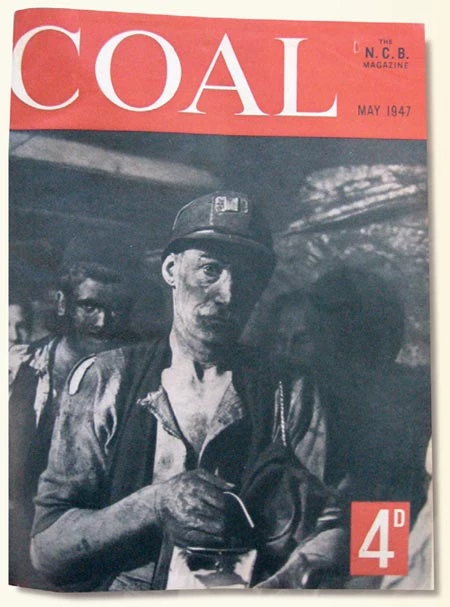
COAL magazine from the National Coal Board

COAL magazine, produced by the National Coal Board from May 1947. It later became COAL NEWS.

All issues of the magazine Glo are now available on this site.

The style of Glo is based on the photojournalistic magazine Picture Post and compliments the excellent St Fagans publication Homefront, which commemorated Welsh life during the Second World War.

Glo is also similar in appearance to COAL, the National Coal Board's magazine, first published in 1947.

Glo can best be described as a 'people's history' magazine; people are asked to contribute their own views, images and experiences of a particular topic.

A selection of stories and images from the magazines are also available on Rhagor as individual articles, each linking to the relevant issue of Glo.

Issues are available to download below.

GLO - The Miners strike of 1984

The Miners Strike of 1984 [PDF 2.6 MB]

'Strike!' The 1984/5 Miners' Strike
Minreworkers [4.8 MB]

Minreworkers [PDF 4.8 MB]

Mineworkers
Glo

The forgotten coalfield? [PDF 2MB]

North Wales: The Forgotten Coalfield?
Glo Edition 7 - A Cog in the Wheel

A Cog in the Wheel [PDF 2.4MB]

A Cog in the Wheel
Big Pit [PDF 5.4MB]

Big Pit [PDF 5.4MB]

Big Pit
When Dai Became Tommy [PDF 5MB]

When Dai Became Tommy [PDF 5MB]

When Dai became Tommy
Front cover of Glo issue 10: Cambrian Voices

Glo issue 10: Cambrian Voices [PDF 2.2MB]

Cambrian Voices
Laughter and Tears - Glo 2016

Laughter and Tears [PDF 7.1MB]

Laughter and Tears