: The 19th Century

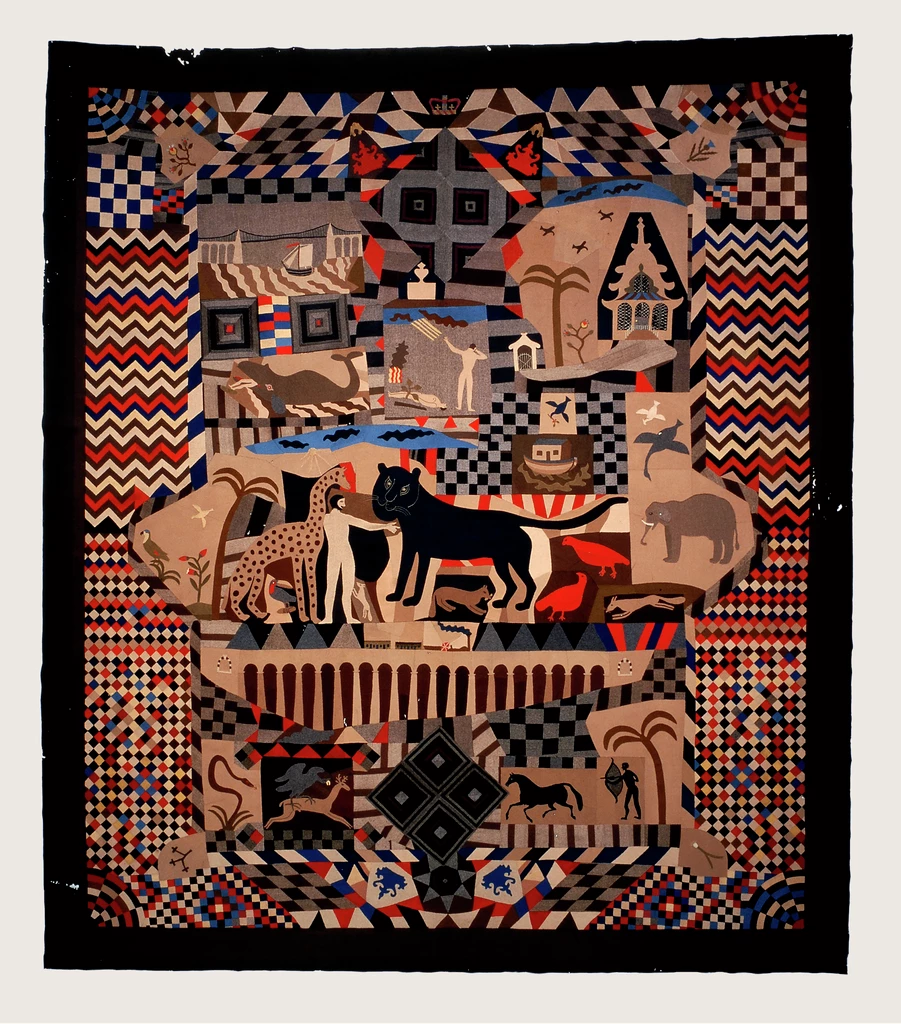
The Wrexham Tailor’s Quilt, 1842–52

Elen Phillips, 2 March 2020

Wrexham Tailor’s Quilt, 1842–52

Collections Online: Patchwork Bedcover

Amgueddfa Cymru – National Museum Wales is home to over two hundred examples of quilting and patchwork. This vast collection includes a wide variety of styles and techniques, ranging in date from the early 1700s to the present day.

The Wrexham Tailor’s Quilt is probably one of the most well-known patchworks produced in Wales. Made by James Williams – a military master tailor from 8 College Street, Wrexham – its design is unlike any other in the Museum’s collection. The quilt’s background is a pieced composition of diamond patches, chevrons, squares and rhomboids. Biblical scenes dominate the centre – Adam naming the animals, Jonah and the Whale, Noah’s Ark with a dove bearing an olive branch, and Cain and Abel. Other figurative motifs include Thomas Telford’s Menai Suspension Bridge (opened in 1826), a Chinese pagoda, and Cefn Viaduct, complete with a crossing steam train. Details are picked out through embroidery in silk thread.

Meticulously pieced, James Williams made his quilt by recycling a variety of felted woollen cloths, possibly off-cuts of broadcloth from military uniforms. In total, it consists of 4,525 separate pieces of cloth, butt-joined with overcast stitches worked from the reverse. Examples of this type of inlaid (‘intarsia’) patchwork found in museum collections are usually the work of professional tailors. The technique requires a high degree of skill and the use of thick cloth that does not fray to accommodate the oversewing required.

According to family history, James Williams spent a decade completing the piece, the work being done in his leisure hours between 1842 and 1852. The quilt soon became an exhibition piece; it was displayed at the Art Treasures Exhibition in Wrexham in 1876, at the Palace of Arts in Wembley in 1925, and to much public acclaim at the Wrexham National Eisteddfod of 1933.

Census returns for the Wrexham area suggest that James Williams was born in 1818. His tailoring establishment appears in numerous trade directories from the 1850s onwards. He died in 1895, leaving his son to inherit the family business. Forty years after his death, the economic depression of the 1930s prompted Williams’s grandson to sell the quilt to the Museum, stating that “it has always been my wish that the quilt should be sent to [the] National Museum of Wales so as my fellow countrymen should have the opportunity to admire a work of art that today could not be done if you were to pay the most skilful craftsman £1 a minute to do”.
Uncovering our Collections: Half a Million Records now Online

26 March 2018

As we reveal half a million collection records for the first time, we look at some of the strangest and most fascinating objects from National Museum Wales Collections Online.

This article contains photos of human skeletal fragments.

The Biggest

We have some real whoppers in our collections - including a full-size Cardiff Tram and a sea rescue helicopter - but the biggest item in our collection is actually Oakdale Workmen's Institute.

Built in 1917, the Institute features a billiard room, dance hall and library - and is nowadays found in St Fagans National Museum of History.

Photograph from 1908 showing Horace Watkins in a very early, precarious-looking monoplane

Horace Watkins testing his monoplane in 1908

Many of the buildings in St Fagans are part of the national collection - meaning they have the same legal status as one of our masterpiece Monets or this coin hoard. The buildings are dismantled, moved, rebuilt - and cared for using traditional techniques, by the museum's legendary Historic Buildings Unit.
 

The Oldest


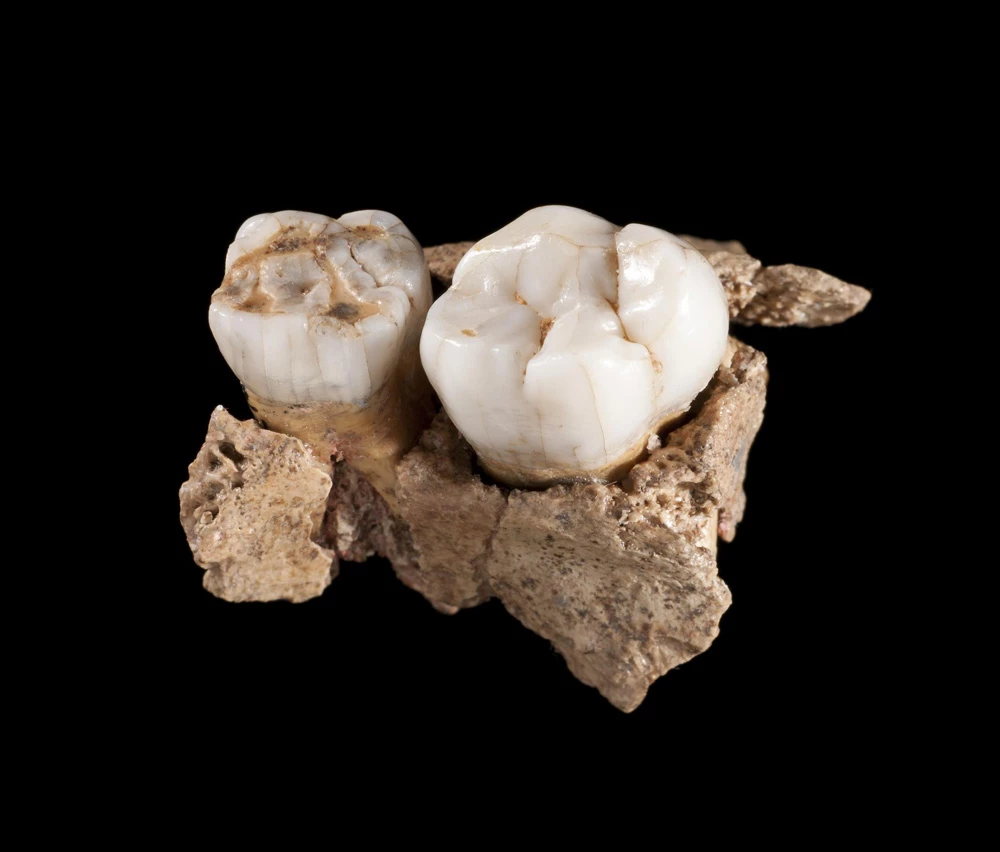
photograph of two teeth, belonging to a Neanderthal boy aged 8

The oldest human remains ever discovered in Wales

These teeth belonged to an eight year-old Neanderthal boy - and at 230,000 years old, they are the oldest human remains in Wales.

They were discovered in a cave near Cefn Meiriadog in Denbighshire, along with a trove of other prehistoric finds, including stone tools and the remains of a bear, a lion, a leopard and a rhinocerous tooth.

These teeth are among some of the incredible objects on display at St Fagans National Museum of History
 

The Shiniest

People in Wales have been making, trading and wearing beautiful treasures from gold for thousands of years - like this Bronze Age hair ornament and this extremely blingy Medieval signet.


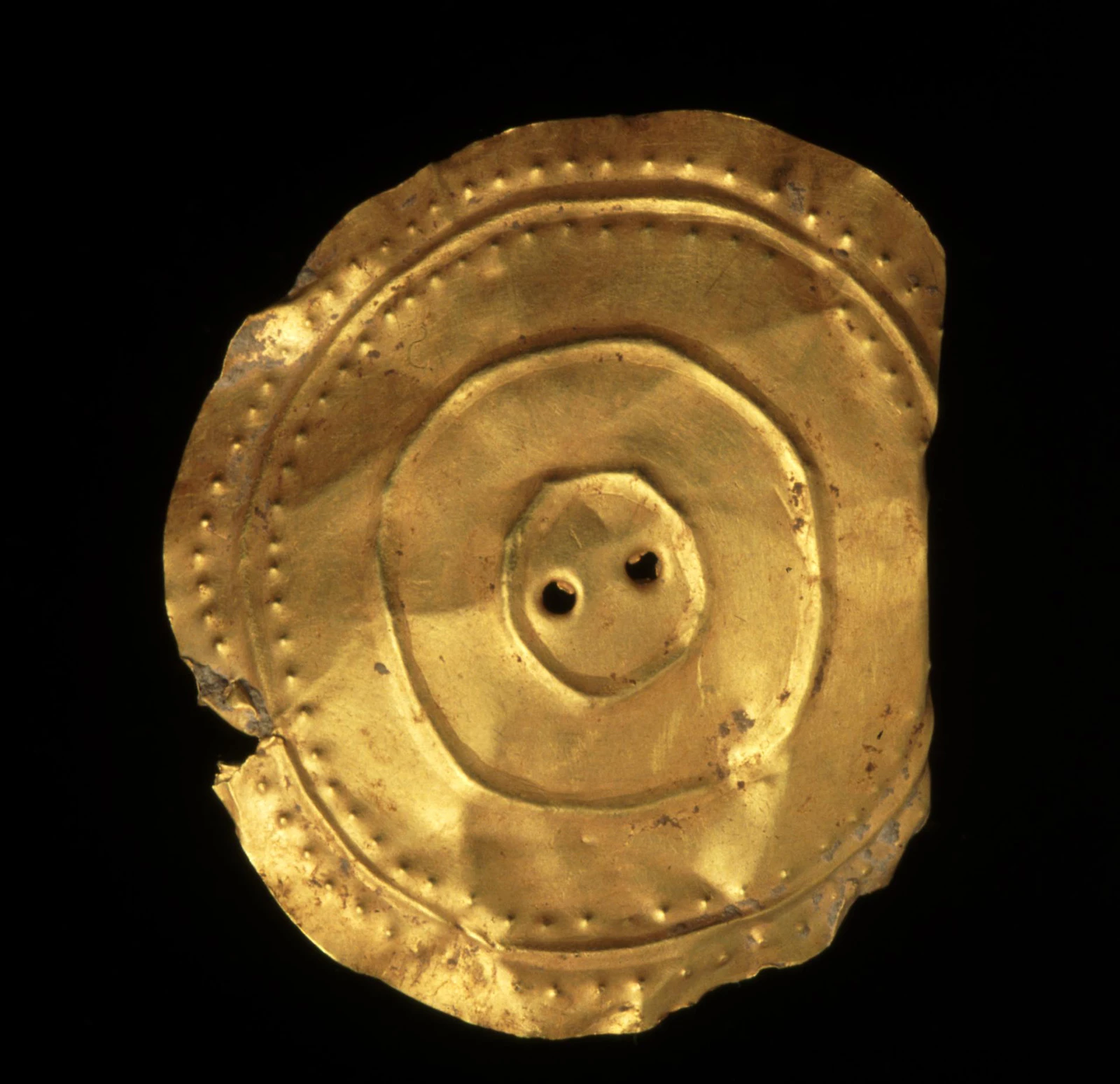
photograph of gold disc with repousse design

At around 4000 years old, this sun disc is one of the earliest and rarest examples of Welsh bling

One of the earliest examples of Welsh bling is this so-called 'sun disc', found near Cwmystwyth in Ceredigion.

Current research suggests that these 'sun discs' were part of ancient funeral practice, most likely sewn onto the clothes of the dead before their funerals. Only six have ever been found in the UK.
 

Most Controversial

At first glance, an ordinary Chapel tea service - used by congregations as they enjoyed a 'paned o de' after a service. A closer look reveals the words - 'Capel Celyn'. The chapel, its graveyard and surrounding village are now under water.


Photograph showing a cup and saucer with 'Capel Celyn' and a ribbon scroll design

Capel Celyn, in the Tryweryn Valley, is now underwater

Flooded in 1965 by the Liverpool Corporation, the Tryweryn valley became a flashpoint for Welsh political activism - creating a new generation of campaigners who pushed for change in how Welsh communities were treated by government and corporations.

Curators from St Fagans collected these as an example of life in Capel Celyn - to serve as a poignant reminder of a displaced community, and to commemorate one of the most politically charged moments of the 20th century in Wales.
 

Honourable Mention: an Airplane made from a Dining Room Chair

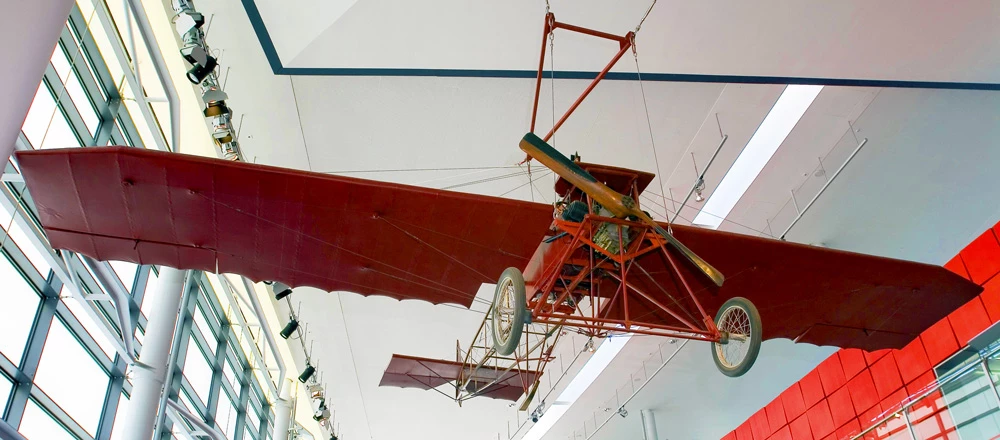
Made from a dining room chair, piano wire and a 40 horsepower engine, the Robin Goch (Red Robin) was built in 1909 - and also features a fuel gauge made from an egg timer.


photograph of a small, early twentieth century airplane with red wings

The Robin Goch (Red Robin) on display at the National Waterfront Museum

Its builder, Horace Watkins, was the son of a Cardiff printer - here he is pictured with an earlier, even more rickety version of his famous monoplane.
 

Photograph from 1908 showing Horace Watkins in a very early, precarious-looking monoplane

Horace Watkins testing his monoplane in 1908

Our collections are full of stories which reflect Wales' unique character and history. The Robin Goch is one of the treasures of the collection, and is an example of Welsh ingenuity at its best.

Half a Million Searchable Items

The launch of Collections Online uncovers half a million records, which are now searchable online for the first time.

“Collections Online represents a huge milestone in our work, to bring more of our collections online and to reach the widest possible audience.

It’s also just the beginning. It’s exciting to think how people in Wales and beyond will explore these objects, form connections, build stories around them, and add to our store of knowledge." – Chris Owen, Web Manager
 

Search Collections Online

Plans for the future

Our next project will be to work through these 500,000 records, adding information and images as we go.

We'll be measuring how people use the collections, to see which objects provoke debate or are popular with our visitors. That way, we can work out what items to photograph next, or which items to consider for display in our seven national museums.

Preparing and photographing the collections can take time, as some items are very fragile and sensitive to light. If you would like to support us as we bring the nation's collections online, please donate today - every donation counts.


Donate Today


We are incredibly grateful to the People's Postcode Lottery for their support in making this collection available online.
 

Wales and the World Wars: Kate Rowlands' Diaries

27 January 2017

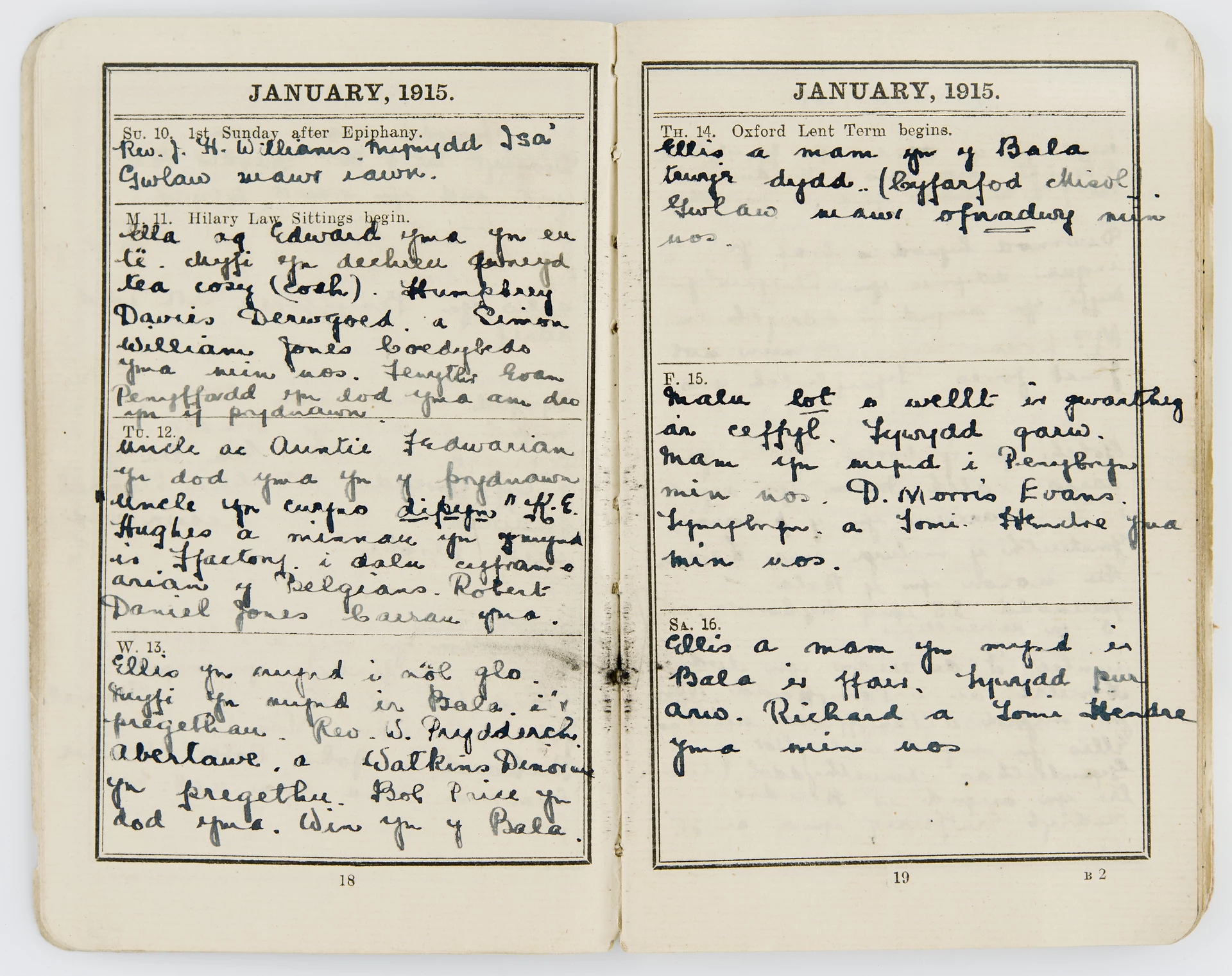
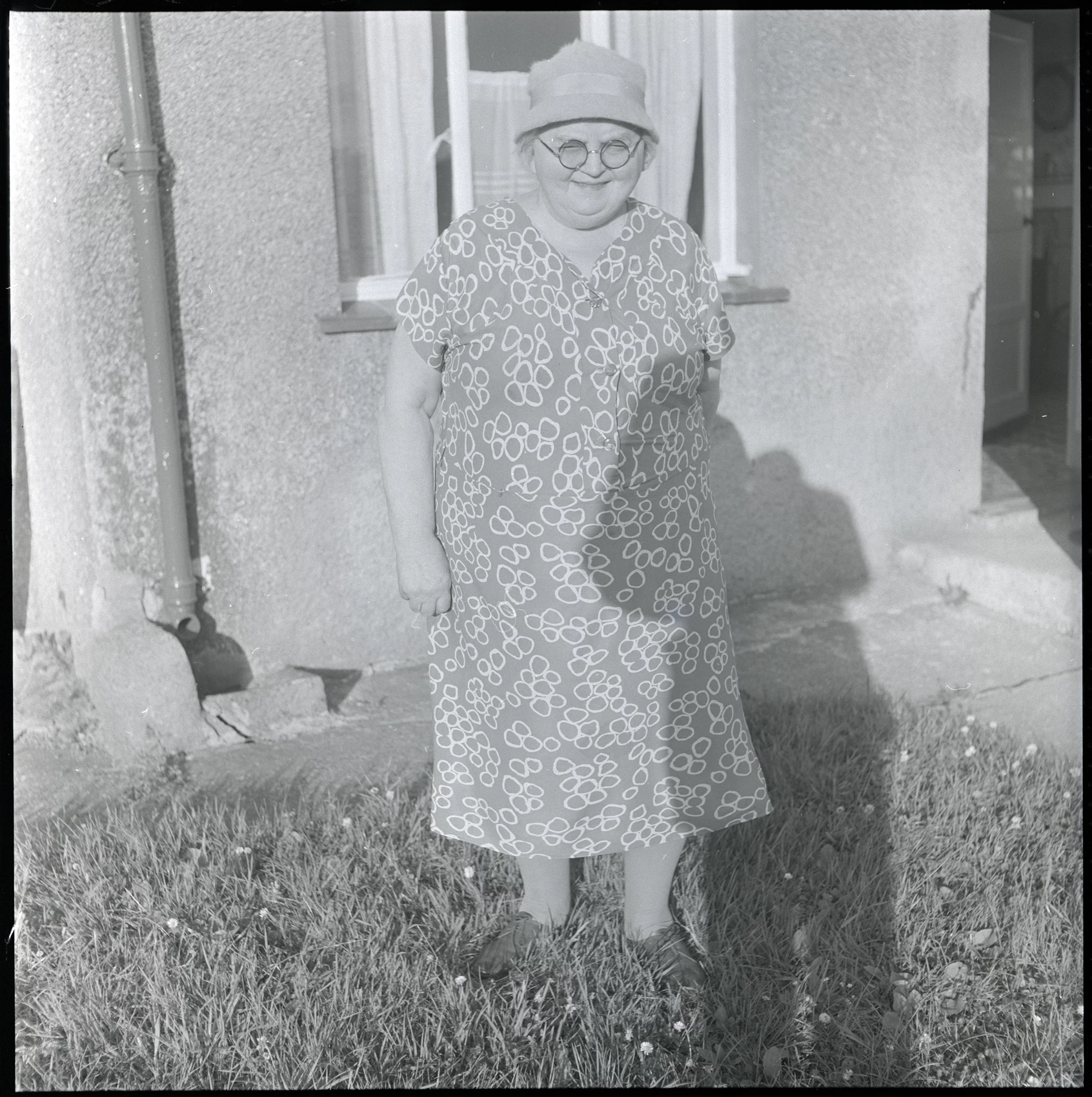
The twitter account @DyddiadurKate shares entries from the diaries of Kate Rowlands, Sarnau. Over a century later, her entries from 1915 tell a story about life in Wales during the First World War.

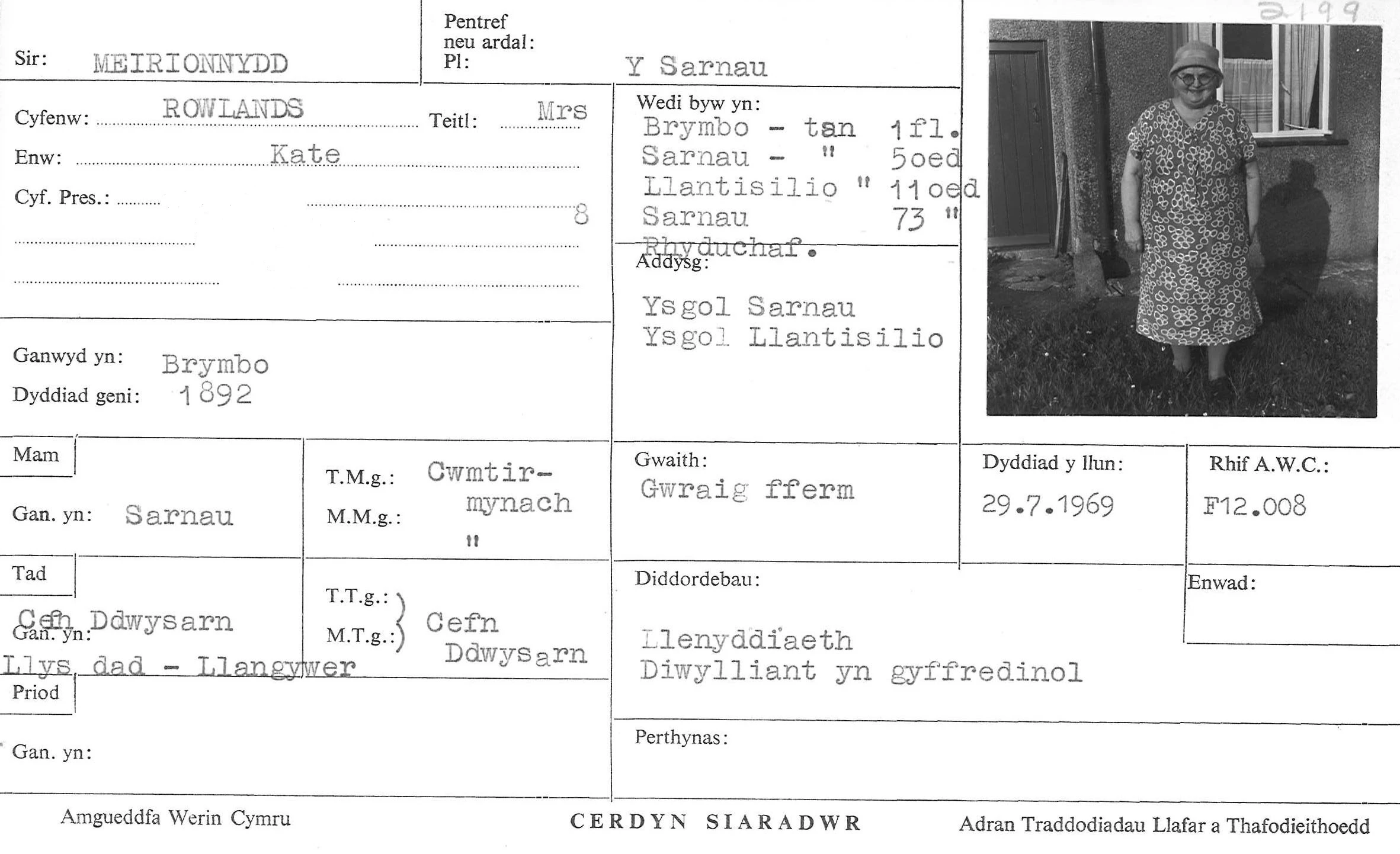
The diary was donated to the Museum in 1969, during a period when archive staff travelled to communities across Wales to record people telling their stories, in their own words.

Kate Rowlands' 1915 diary is a rich and nuanced account of life in rural Wales during the Great War. It gives us glimpses into everyday tasks, the names of fields and farms, local characters, dialects, as well chapel and farm life.

The diary is reproduced in Welsh, exactly as it was written, on twitter. You can read more about the personal stories we've uncovered about the First World War on the museum blog.

More about the Diary

The Author

Kate Rowlands' diary from 1915 was donated to the Museum in 1969. She also recorded a number of Oral History recordings with curators from the Museum, all of which add to our understanding of her life in rural North Wales, in the early to mid twentieth-century.

She was born in Brymbo, near Wrexham, in 1892. Her mother, Alice Jane, was originally from Hendre, Cefnddwysarn, and nine months after Kate was born, both mother and daughter returned to this area, following the sudden death of Kate's father from an illness sustained working in the steel industry. Her mother's family had a great influence on her upbringing - in one oral history interview with the Museum, Kate states that "y nhw oedd y canllawie gathon ni gychwyn arnyn nhw" - "they were the ones who guided us as we got started in life".


Homework to farm work

Kate's mother remarried with Ellis Roberts Ellis, who is also mentioned in the diary. In 1897, when Kate was five years old, the family moved to a small farm near Llantisilio, Llangollen, and then to Tyhen, Sarnau - the location of the diary. An only child, she left school at fourteen to help her parents with work on the farm.

"My parents lost their health to an extent. That really went across my going ahead with my education. I had to be home, you see... A bit of everything, jack of all trade. I had to help a lot with horses and things like that. Heating up the big oven to cook bread, and churning when it was called for, two times a week or so."

Oral History

Kate Rowlands donated her diary after being interviewed in 1969. Due to the tireless work of St Fagans' early curators, the archive now holds a rich collection of items, documents and recordings relating to women's history, especially women living and working in rural communities.

Kate also donated her 1946 diary to the Museum. This volume is also available online on twitter.

Read more about Welsh Women's History.

Kate Rowlands - Early life (Welsh recording)
Kate Rowlands - Week on the Farm (Welsh recording)
Kate Rowlands - Playing Steddfod and Leaving School (Welsh recording)

You can download an electronic version of the diary here:

Dyddiadur Kate E-book (PDF)

PLEASE NOTE: The diary is in Welsh

John Dillwyn Llewelyn — Welsh Pioneer Photographer

Mark Etheridge, 21 April 2015

The John Dillwyn Llewelyn Collection at Amgueddfa Cymru – National Museum Wales contains some of the earliest images ever taken in Wales. The collection comprises of approximately 850 photographic prints (mainly salted paper), 230 Calotype paper negatives and 160 Collodion glass negatives. It also includes some documents and photographic equipment. As well as negatives and prints taken by the Llewelyn family, the collection also contains many prints by other photographers (including some by Calvert Richard Jones and Roger Fenton) that were collected by the family.

All the photographs and negatives from the John Dillwyn Llewelyn Collection can be viewed on Amgueddfa Cymru’s Collections Online catalogue.

John Dillwyn Llewelyn (1810 – 1882)

John Dillwyn Llewelyn was born at The Willows, Swansea on 12 January 1810. The family had lived at Penllergare (four miles north of Swansea) since 1817, however on coming of age John inherited this estate from his maternal grandfather and took on the additional surname Llewelyn. It was at Penllergare where many of the photographs in this collection were taken in the 1850s.

On 18th June 1833 John married Emma Thomasina Talbot, the youngest daughter of Thomas Mansel Talbot of Margam and Penrice. Importantly Emma was first cousin to the pioneer photographer William Henry Fox Talbot who contended with Daguerre in 1839 for the title of inventor of photography, and who invented the negative process.

He died on 24 August 1882 at Atherton Grange, his London home, and is buried with his wife Emma at Penllergare.

Collodion glass negative of John Dillwyn Llewelyn, c.1853

Collodion glass negative of John Dillwyn Llewelyn, c.1853

Collodion glass negative showing the south front of Penllergare House, 1858

Collodion glass negative showing the south front of Penllergare House, 1858

Scientist, Botanist & Astronomer

John was from a very wealthy background, his father Lewis Weston Dillwyn managed the family-owned Cambrian Pottery in Swansea. This meant he was in the very lucky position of being able to pursue his interests in science, botany and astronomy without having to work.

He was a gifted amateur scientist and a member of the Royal Institution of South Wales. He built an orchid house and observatory (which still stands) in the grounds at Penllergare .

Salted paper print showing a vase of roses on the porch at Penllergare House, 1850s

Salted paper print showing a vase of roses on the porch at Penllergare House, 1850s

Calotype paper negative of the observatory at Penllergare, 1850s

Calotype paper negative of the observatory at Penllergare, 1850s

Pioneer Photographer

With such an interest in science, and with his wife’s family connections to Fox Talbot it seems natural that John took up photography almost from its inception in 1839. However he wasn’t very successful at this point with either Talbot’s process or Daguerre’s. Unable to overcome some of the technical difficulties he gave up and didn’t return to photography until the early 1850s. Most of the collection the Museum holds dates from the 1850s.

He was a founder member of the Photographic Society of London (which later became the Royal Photographic Society), and in 1853 he attended the inaugural meeting. He exhibited regularly in the early exhibitions of the Society as well as in Dundee, the Manchester Art Treasures exhibition and Paris exhibition in 1855.

John was especially talented at capturing fleeting moments, such as waves, cloud movement and steam. At the Paris exhibition in 1855 he was awarded a silver medal for his ‘Motion’ series, a series of four images - breaking waves in Caswell Bay, sailing ship off Caswell, the steamer JUNO blowing off steam at Tenby, and clouds over St. Catherine’s, Tenby.

This Collodion glass negative is from the ‘Motion’ series showing the steamer JUNO at Tenby, c.1855

This Collodion glass negative is from the ‘Motion’ series showing the steamer JUNO at Tenby, c.1855

Collodion glass negative showing John with his calotype camera in 1853

Collodion glass negative showing John with his calotype camera in 1853

This photograph was made using the Oxymel process. It was taken on 15 March 1858 at 1pm with an exposure of 15 minutes. It shows Swansea from St. Thomas, and sailing vessels can be seen in the background.

This photograph was made using the Oxymel process. It was taken on 15 March 1858 at 1pm with an exposure of 15 minutes. It shows Swansea from St. Thomas, and sailing vessels can be seen in the background.

Invention of the Oxymel Process

His invention of the Oxymel process in 1856 was a development of the collodion process which used a solution of acetic acid, water & honey to preserve images. This meant that glass negatives could be prepared in advance and exposed in the camera as required. As a result landscape photographers no longer needed to carry around portable laboratories and darkroom tents. The Illustrated London News in 1856 wrote that:

“The plates may be prepared at home and a boxful taken out and think of this ye tourists, as you travel along and a fine prospect meets your eye you have nothing to do but to stop your carriage, get out your camera, and in a few minutes you may secure a picture, drawn by Nature herself, that would have taken you hours to sketch."
Salted paper print showing John with all the apparatus needed to take a collodion negative

Salted paper print showing John with all the apparatus needed to take a collodion negative

Is this the first ever photograph of a snowman taken in Wales? This photograph was taken about 1853/54 and is probably by Mary Dillwyn or Thereza Llewelyn.

Is this the first ever photograph of a snowman taken in Wales? This photograph was taken about 1853/54 and is probably by Mary Dillwyn or Thereza Llewelyn.

The Llewelyn Family

John and Emma had seven children, six of whom survived into adulthood. Various members of the family seem also to have been interested in photography. His daughter Thereza took a number of the images, and we know that both Thereza and John’s wife Emma also helped print some of his photographs. John’s youngest sister Mary Dillwyn was also an early photographer, and is generally regarded as the first woman photographer in Wales.

This photographs shows the Llewelyn children having a picnic on the Goppa near Swansea in 1855. It is one of a series of photographs of the children taken by John on the 23rd September each year for his wife’s birthday.

This photographs shows the Llewelyn children having a picnic on the Goppa near Swansea in 1855. It is one of a series of photographs of the children taken by John on the 23rd September each year for his wife’s birthday.

The Historic Photography Collection

Further Reading

Penllergare A Victoria Paradise by Richard Morris, 1999.

The Photographer of Penllergare A Life of John Dillwyn Llewelyn 1810-1882 by Noel Chanan, 2013.

Francis Crawshay's Workers

26 July 2013

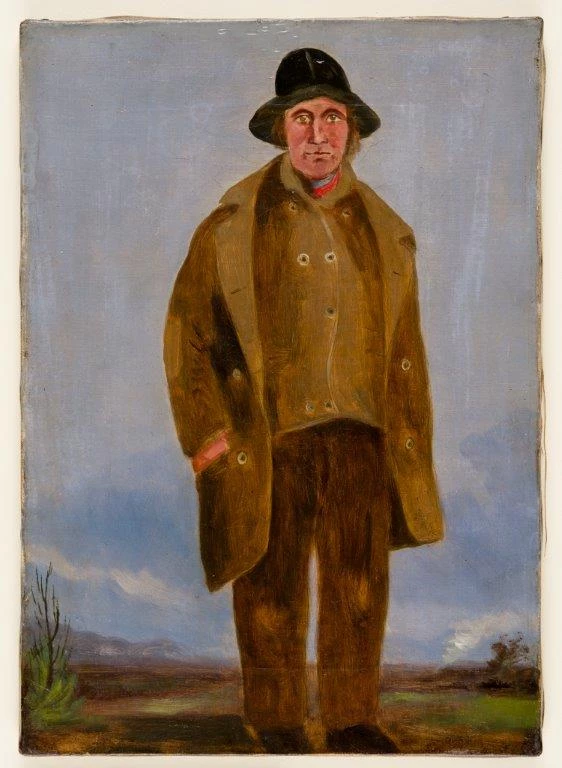
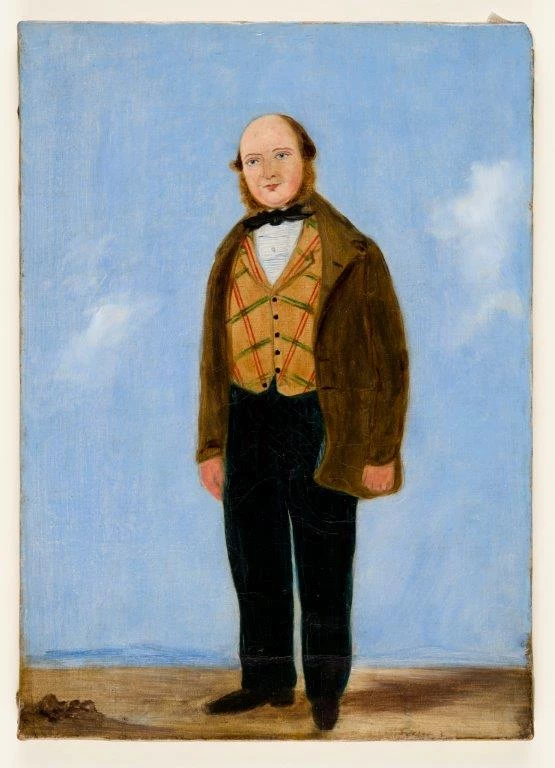
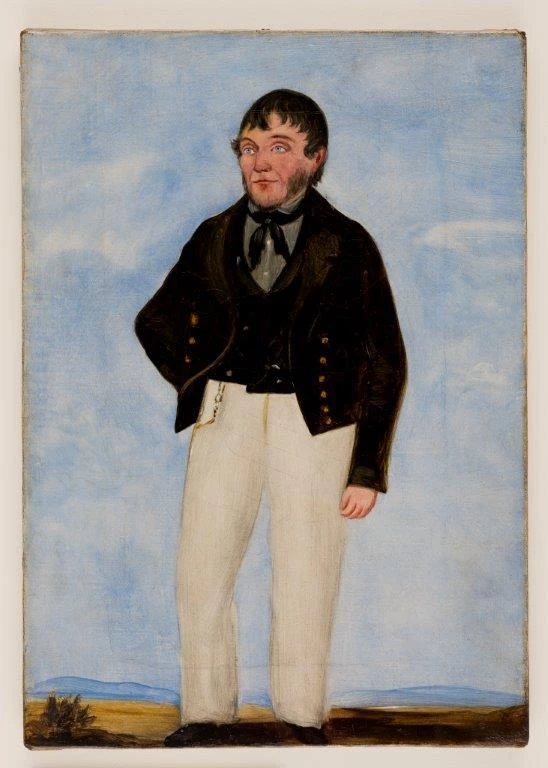
The sixteen men in these little portraits all worked for Francis Crawshay (1811-1878), a reluctant industrialist, who maintained unusually close personal relationships with his employees. In the mid-1830s, Francis was in charge of the Hirwaun Ironworks, acquired by his father, the great ironmaster William Crawshay II, in 1819, and of the family’s recently enlarged tinplate works at Treforest, near Pontypridd.

The group includes both skilled and unskilled workers as well as managers, and all are depicted as standing figures in a landscape, in working clothes and with the tools of their trade. Although the wealthy sometimes commissioned portraits of their domestic servants, no other such images of industrial workers are known.

The pictures are believed to be by William Jones Chapman (c.1808-after 1871), a travelling portrait and sporting painter who worked mostly in Wales and the border counties. The group passed by descent in the Crawshay family, and may originally have been even larger.

Attributed to William Jones Chapman (c.1808-after 1871), sixteen portraits of employees of Francis Crawshay (1811-1878) at the Hirwaun Iron Works and the Treforest Tinplate works, about 1835-40.
Given by Miss Sylvia Crawshay, 2012